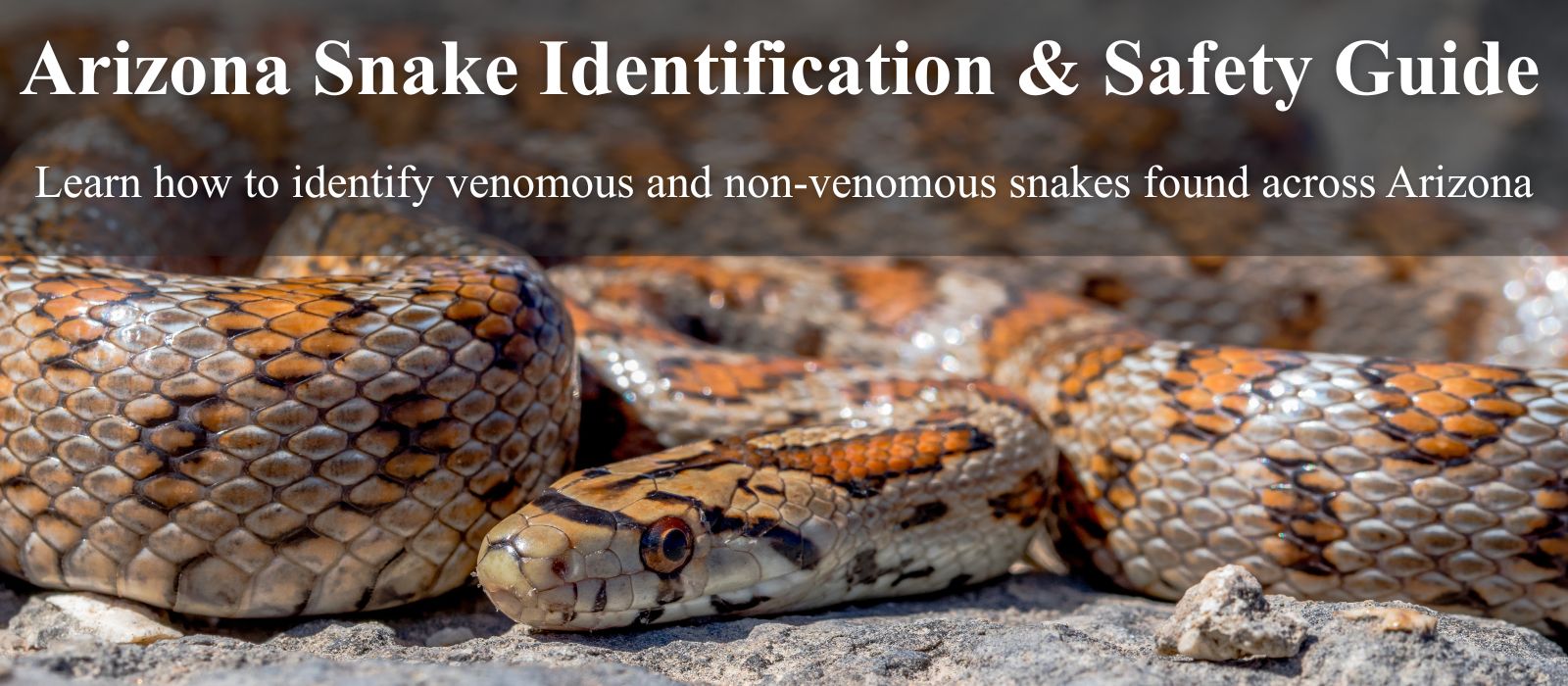
Arizona Snakes: Species, Safety Tips & Identification Guide
Arizona snakes include a wide range of venomous and non-venomous species found across deserts, mountains, and urban areas. This guide helps you identify common Arizona snake species, understand safety tips, and learn what to do during a snake encounter.
Snake Types Found in Arizona: Venomous & Non-Venomous
Arizona has one of the most diverse snake populations in the United States. Some species are venomous and should be treated with caution, but many others are harmless and beneficial to the environment. Learning the difference helps you stay safe while enjoying the outdoors.
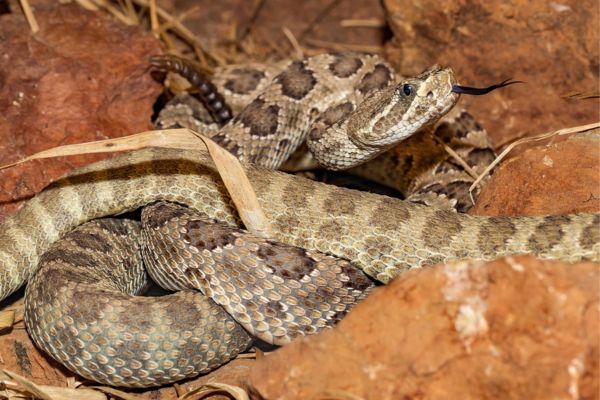
Venomous Snakes in Arizona
Learn to recognize dangerous snake species found in Arizona, including rattlesnakes and coral snakes. Understanding their appearance and behavior can help you stay safe outdoors.
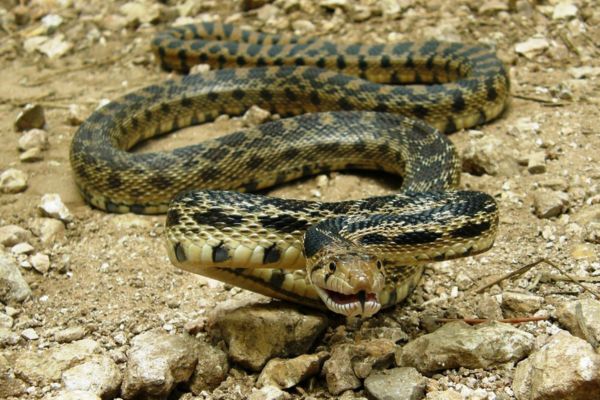
Non-Venomous Snakes in Arizona
Discover harmless snake species that are often mistaken for venomous ones. These snakes are important for controlling rodents and keeping the ecosystem balanced.
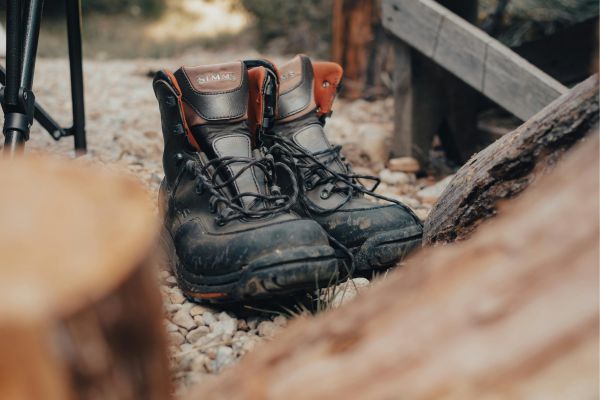
Safety Tips
Know what to do if you encounter a snake while hiking, camping, or around your home. Simple safety steps can greatly reduce the risk of snake bites.
Arizona Snakes You May Encounter
Arizona’s diverse landscapes are home to many fascinating snake species. Here are some of the most recognized snakes residents and visitors may come across in the desert, mountains, and grasslands.
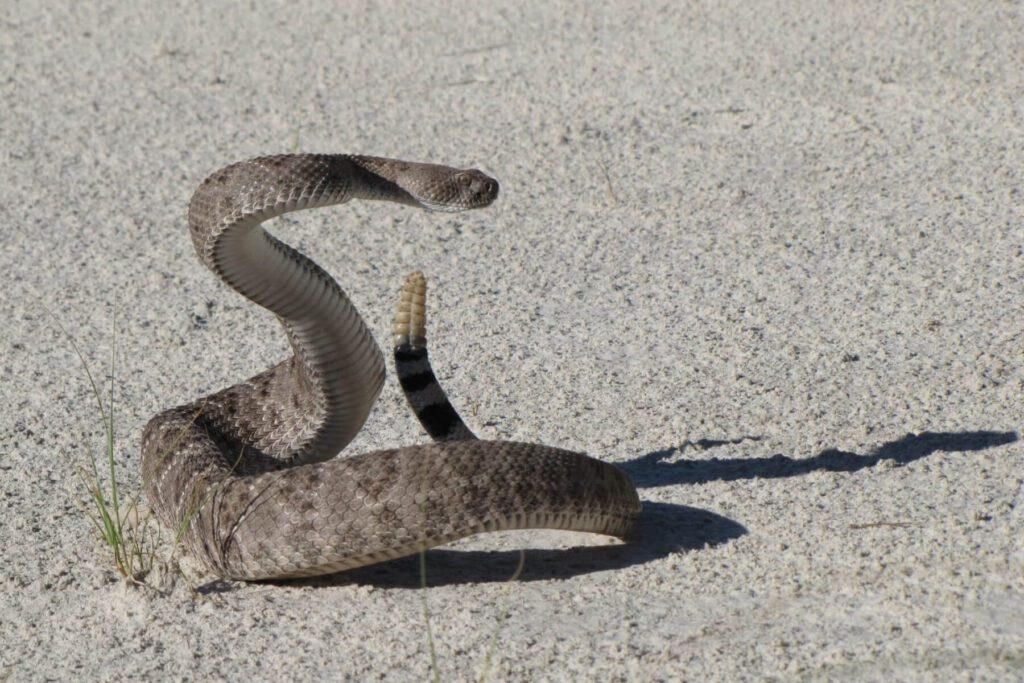
Western Diamondback Rattlesnake
Arizona’s most common venomous snake, known for its rattle and diamond pattern. Often found in deserts and rocky areas.
Read More
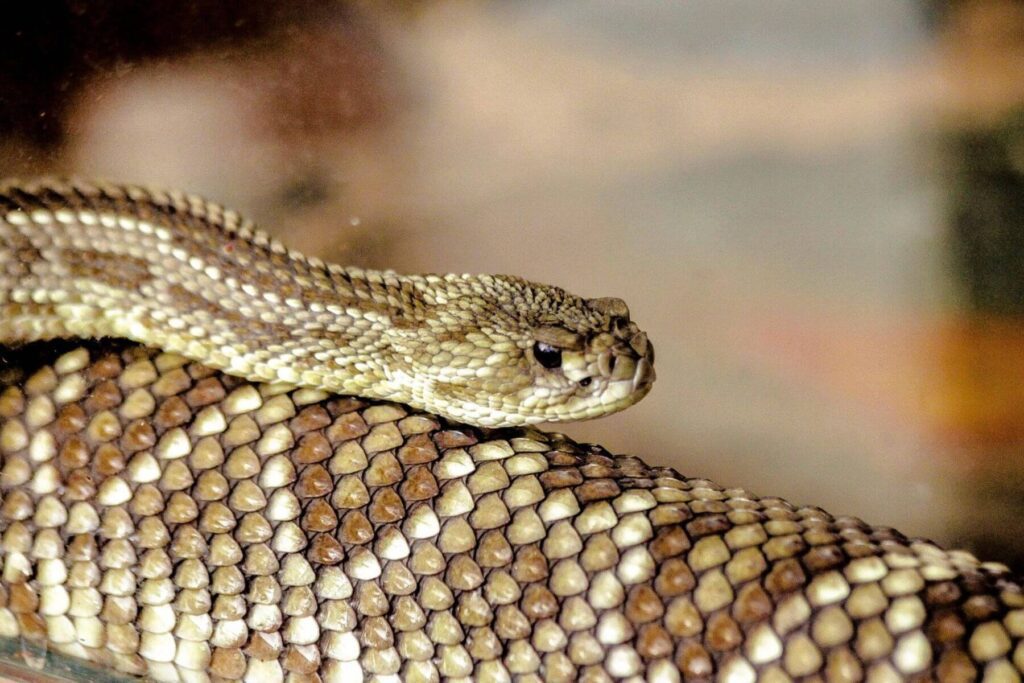
Mojave Rattlesnake
Highly venomous rattlesnake found in desert regions. Recognizable by its greenish tint and bold tail bands.
Read More
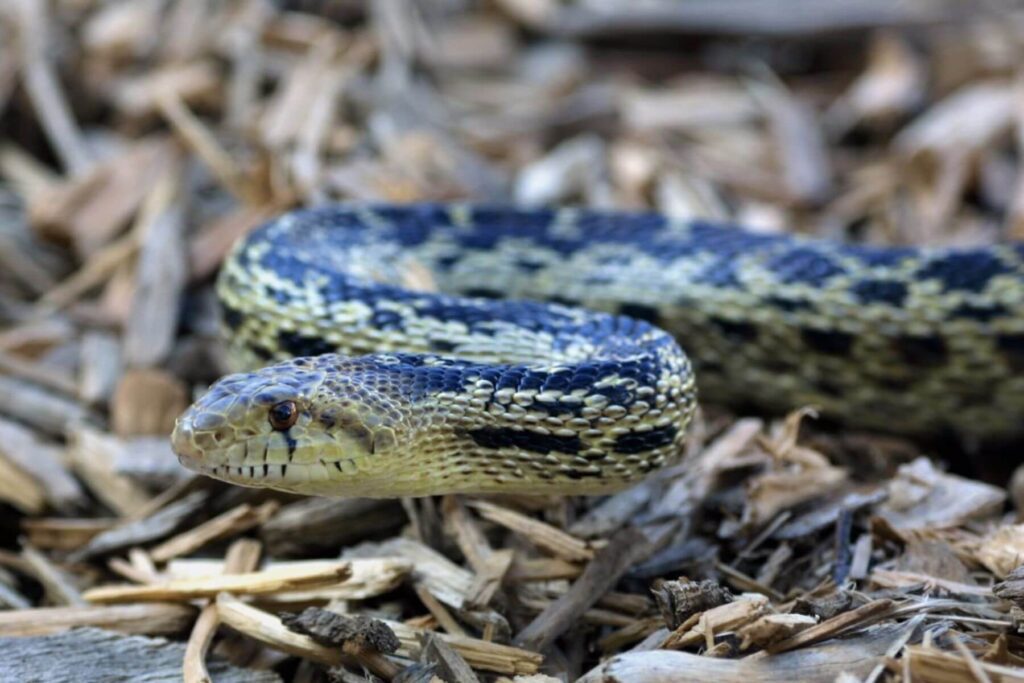
Gopher Snake
A non-venomous snake often mistaken for rattlesnakes. Helps control rodent populations across Arizona.
Read More
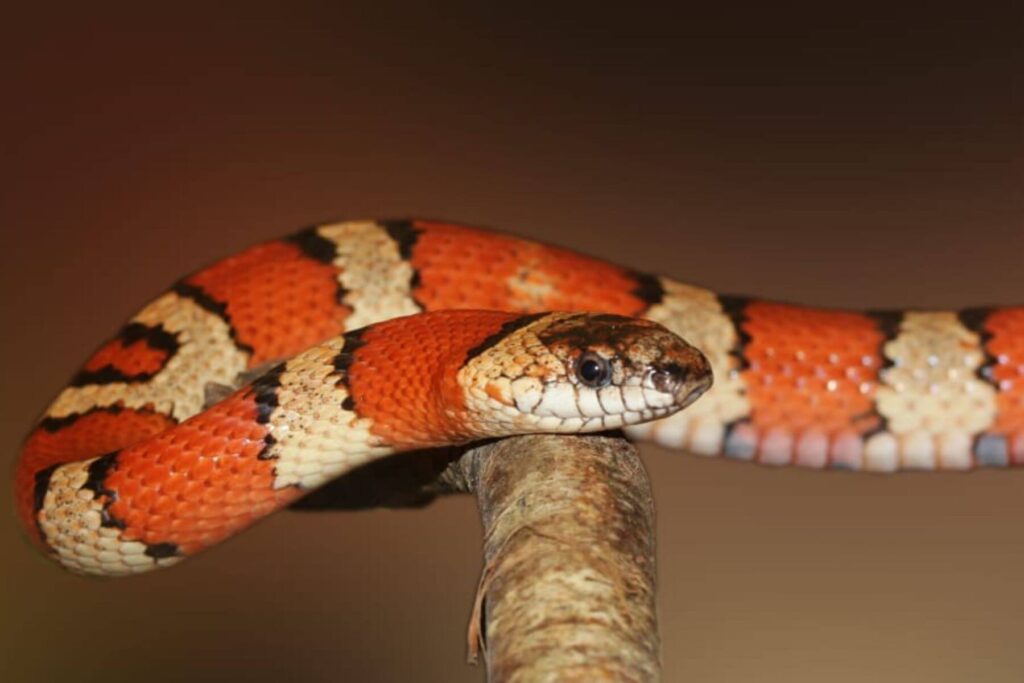
King Snake
Harmless and beneficial, kingsnakes are known for their bold black-and-white banded patterns and ability to eat other snakes.
Read More
Snake Safety Tips in Arizona
Arizona is home to many snake species, and most of them want nothing to do with people. Problems usually happen when someone accidentally gets too close. A little awareness goes a long way in preventing snake bites and keeping outdoor adventures safe.
Simple Ways to Stay Safe
- Watch where you step when hiking or walking in desert and rocky areas. Snakes often blend in with their surroundings.
- Never put your hands or feet where you can’t see, such as under rocks, inside holes, or in thick bushes.
- Wear closed-toe shoes or boots when exploring natural areas, especially in warm months.
- Use a flashlight at night. Many desert snakes are more active after dark.
- Do not try to touch, catch, or kill a snake. Even non-venomous snakes can bite if they feel threatened.
- Keep children and pets close while walking on trails or camping. Curious pets are often bitten because they approach snakes.
- Stay on clear paths and avoid tall grass, piles of wood, or rock crevices where snakes may hide.
Knowing these basic precautions helps you enjoy Arizona’s outdoors while respecting wildlife from a safe distance.
What To Do if You Snake Encounter a Snake
Seeing a snake in the wild can be surprising, but most encounters end safely when people stay calm and give the animal space. Snakes do not chase humans — they usually just want an escape route.
If You See a Snake Outdoors
- Stop and stay calm. Sudden movements can scare the snake and make it defensive.
- Slowly back away and give the snake plenty of room to move away on its own.
- Do not throw rocks, sticks, or try to scare it off. This increases the chance of a bite.
- Never try to handle or kill a snake. Many bites happen when people try to move or harm the snake.
- Keep pets and children away immediately. Move them behind you and leave the area slowly.
- Remember its location if it’s near a trail, so you can warn others.
Most snakes will leave the area once they feel safe again.
If You Find a Snake Near Your Home
- Keep a safe distance and make sure kids and pets are inside.
- Do not attempt to remove it yourself.
- Contact a local wildlife removal professional who is trained to handle snakes safely.
- Remove things that attract snakes, like rodent food sources, woodpiles, and cluttered areas around your yard.
Snakes often come near homes searching for food or shelter, not to cause trouble.
What To Do If Bitten by a Snake (Emergency Steps)
Snake bites are rare, but knowing what to do can make a serious difference. Quick and calm action helps reduce the spread of venom and improves medical treatment outcomes.
If You Suspect a Venomous Snake Bite
- Call 911 immediately or get emergency medical help as fast as possible. Do not wait for symptoms to get worse.
- Stay calm and limit movement. Increased heart rate can spread venom faster through the body.
- Keep the bitten area still and at heart level (not raised high and not hanging down).
- Remove tight items like rings, watches, or tight clothing near the bite area before swelling begins.
- Sit or lie down while waiting for help to prevent fainting or injury.
- Try to remember the snake’s color and pattern from a safe distance, but do NOT attempt to capture or kill it.
What NOT To Do
These outdated methods can make things worse:
- Do not cut the wound
- Do not try to suck out the venom
- Do not apply ice
- Do not use a tourniquet
- Do not drink alcohol or caffeine
These actions can increase tissue damage or delay proper treatment.
Important to Know
Not all snake bites inject venom, but you should always treat a bite as a medical emergency. Only trained medical professionals can determine the correct treatment.
Fast medical care greatly improves recovery chances.
Q1: Are all snakes in Arizona venomous?
No, most snakes found in Arizona are non-venomous and harmless to humans. Only a small number of species, mainly rattlesnakes, are venomous. Learning how to identify them helps you stay safe outdoors.
Q2: What should I do if I see a snake while hiking?
Stay calm, stop moving, and slowly back away. Do not try to touch, move, or scare the snake. Most snakes bite only when they feel threatened.
Q3: How can I tell if a snake is a rattlesnake?
Rattlesnakes usually have a thick body, triangular head, and a rattle at the end of their tail. However, you should never rely only on appearance — always keep a safe distance from any wild snake.
Q4: How can I keep snakes away from my yard or home?
Keep grass trimmed, remove rock piles and debris, seal gaps under fences, and reduce rodent activity. Snakes often come into yards looking for food and shelter.
Q5: When is snake season in Arizona?
Snake activity in Arizona increases from March through October, with peak sightings during spring and early summer when temperatures are ideal for movement.
Respecting Arizona’s Wildlife
Arizona’s snakes are an important part of the desert ecosystem. They help control rodent populations and maintain balance in nature. While some species are venomous, most snakes are not aggressive and will avoid people whenever possible.
Learning to identify local snakes and understanding their behavior helps reduce fear and prevent unnecessary harm to wildlife. By giving snakes space and respecting their natural role, we can safely share the outdoors and protect Arizona’s unique environment.