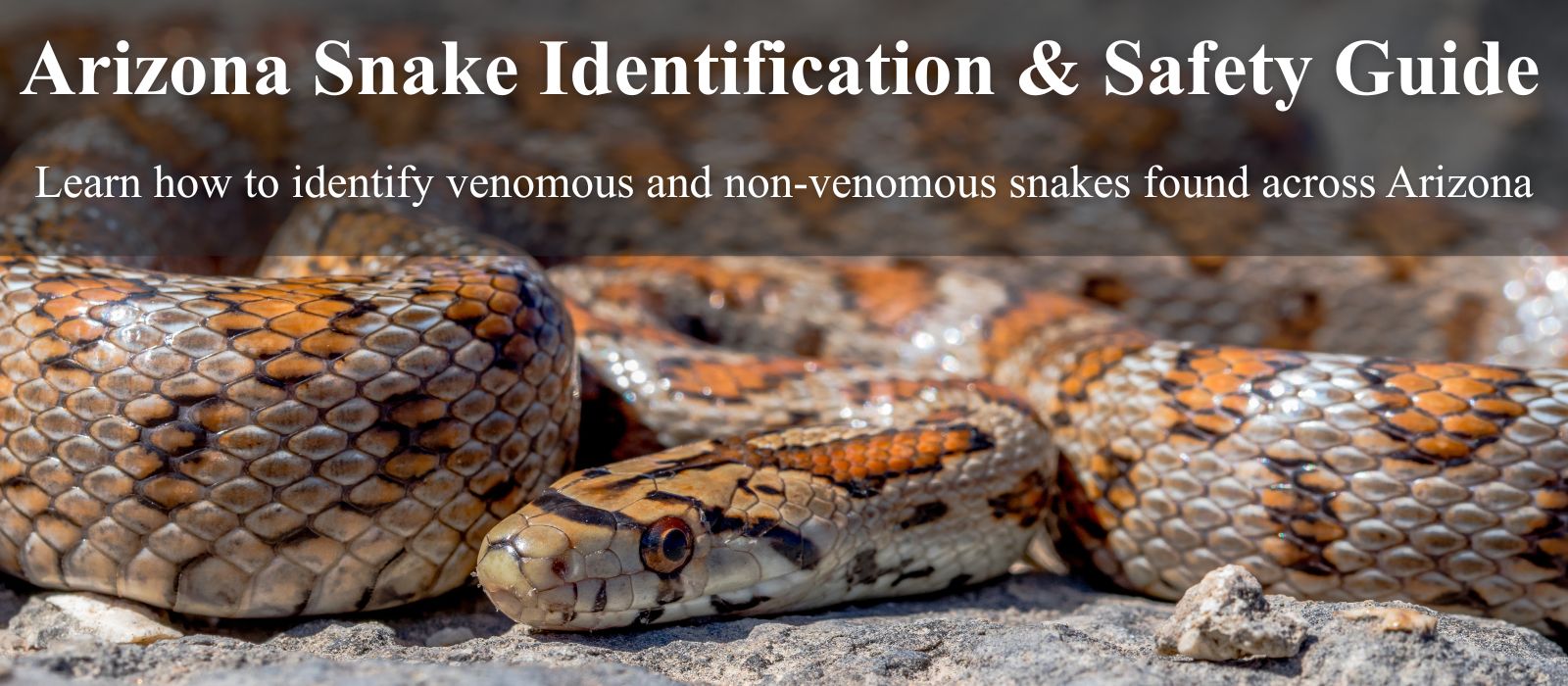
Arizona Snakes: Species, Safety Tips & Identification Guide
Arizona snakes include a wide range of venomous and non-venomous species found across deserts, mountains, and urban areas. This guide helps you identify common Arizona snake species, understand safety tips, and learn what to do during a snake encounter.
Snake Types Found in Arizona: Venomous & Non-Venomous
Arizona has one of the most diverse snake populations in the United States. Some species are venomous and should be treated with caution, but many others are harmless and beneficial to the environment. Learning the difference helps you stay safe while enjoying the outdoors.
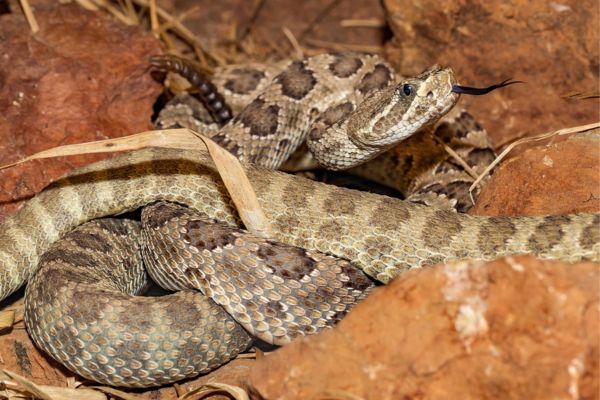
Venomous Snakes in Arizona
Learn to recognize dangerous snake species found in Arizona, including rattlesnakes and coral snakes. Understanding their appearance and behavior can help you stay safe outdoors.
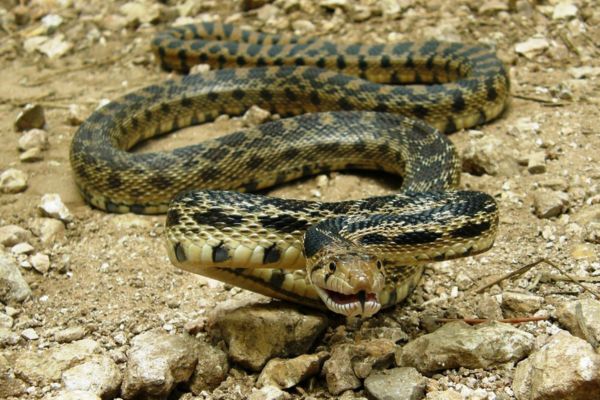
Non-Venomous Snakes in Arizona
Discover harmless snake species that are often mistaken for venomous ones. These snakes are important for controlling rodents and keeping the ecosystem balanced.
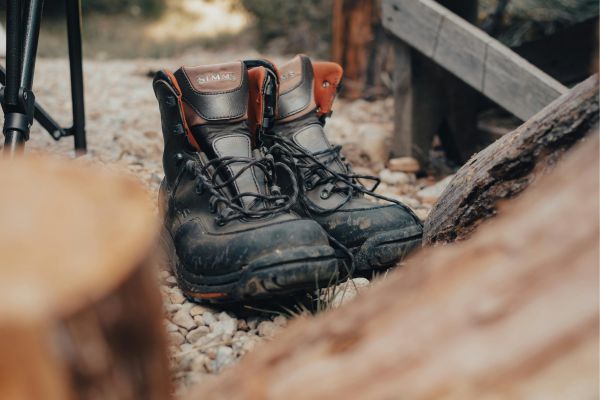
Safety Tips
Know what to do if you encounter a snake while hiking, camping, or around your home. Simple safety steps can greatly reduce the risk of snake bites.
Arizona Snakes You May Encounter
Arizona’s diverse landscapes are home to many fascinating snake species. Here are some of the most recognized snakes residents and visitors may come across in the desert, mountains, and grasslands.
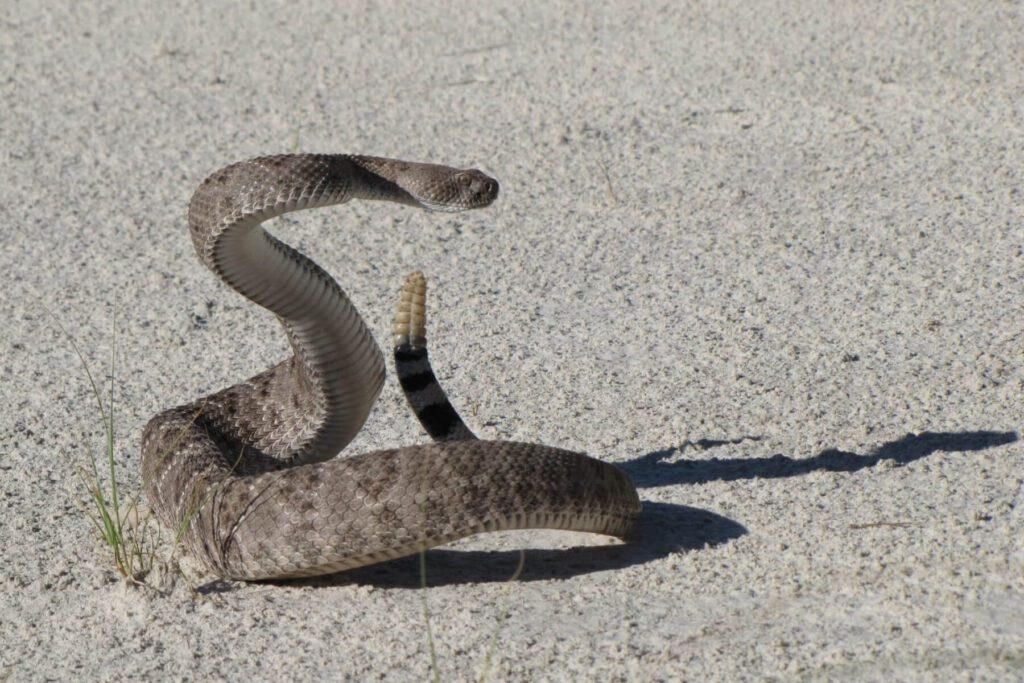
Western Diamondback Rattlesnake
One of Arizona’s well-known rattlesnake species, recognized by its diamond-shaped pattern and rattle. Read More
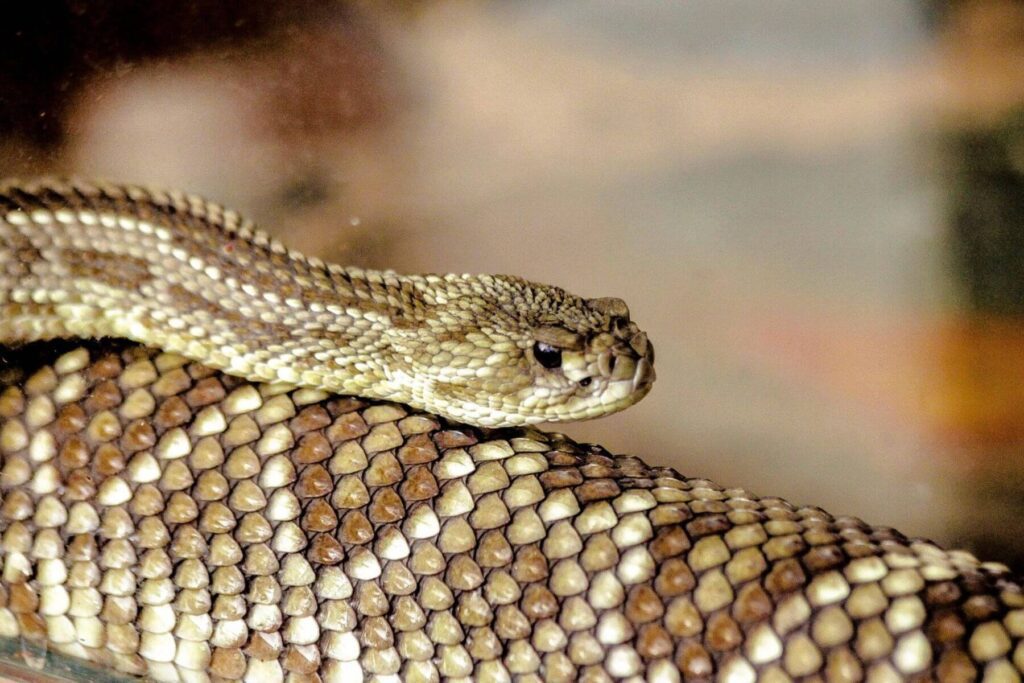
Mojave Rattlesnake
Highly venomous rattlesnake found in desert regions. Recognizable by its greenish tint and bold tail bands.
Read More
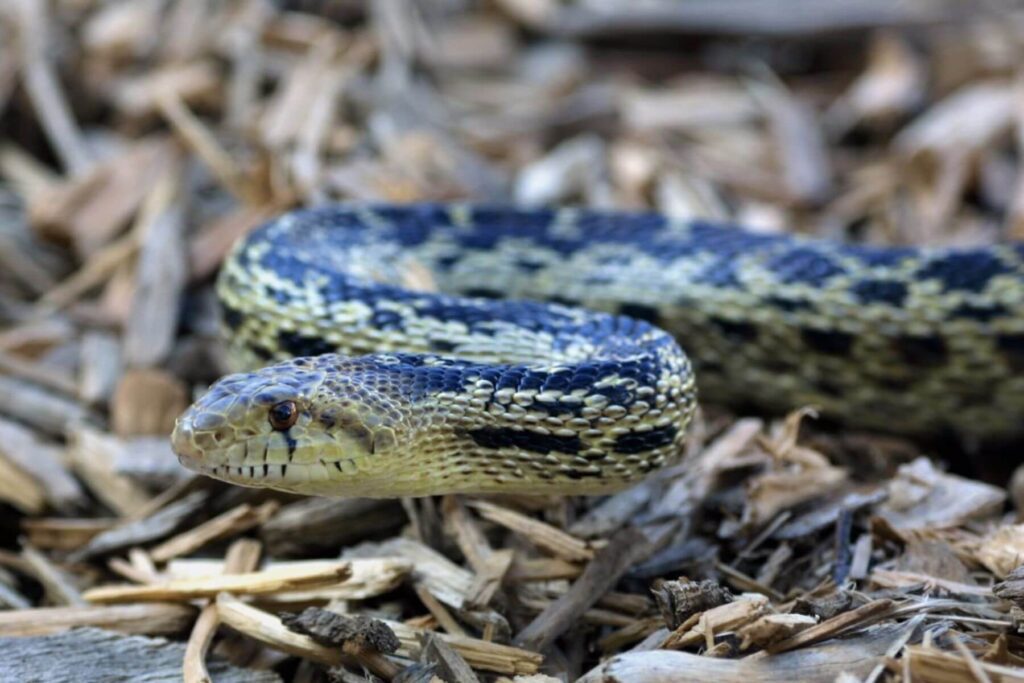
Gopher Snake
A non-venomous snake often mistaken for rattlesnakes. Helps control rodent populations across Arizona.
Read More
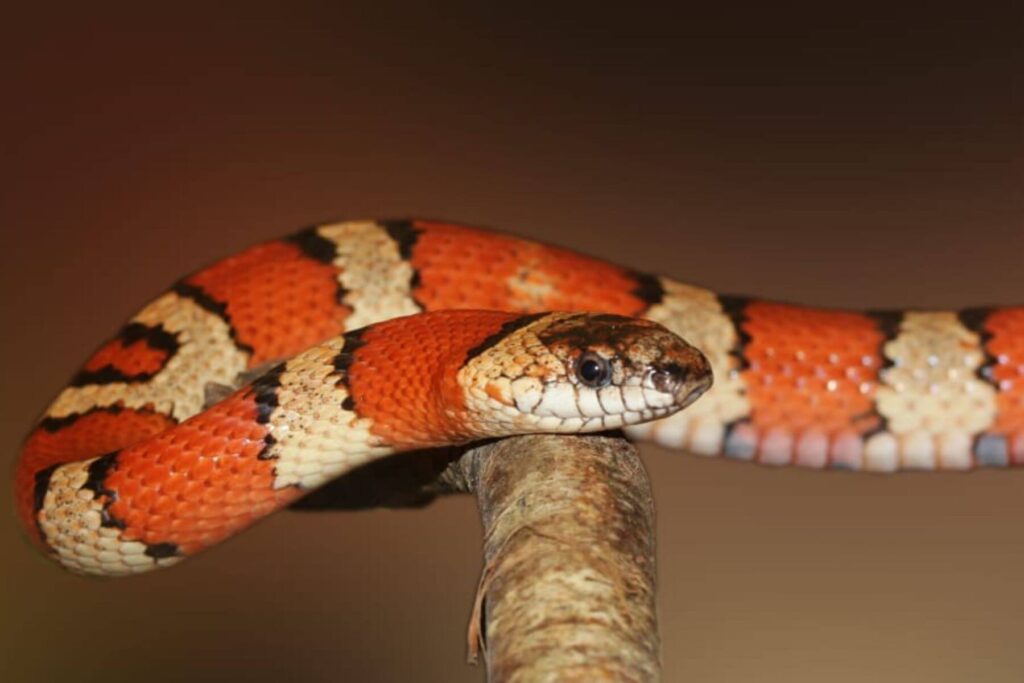
King Snake
Harmless and beneficial, kingsnakes are known for their bold black-and-white banded patterns and ability to eat other snakes.
Read More
Snake Safety Tips in Arizona
Arizona is home to many snake species, and most of them want nothing to do with people. Problems usually happen when someone accidentally gets too close. A little awareness goes a long way in preventing snake bites and keeping outdoor adventures safe.
Simple Ways to Stay Safe
- Watch where you step
- Don’t reach into hidden spaces
- Wear appropriate footwear
- Use a flashlight at night
- Don’t handle snakes
- Keep children and pets away
- Stay on clear trails
What to Do if You Encounter a Snake
Seeing a snake in the wild can be surprising, but most encounters end safely when people stay calm and give the animal space. Snakes do not chase humans — they usually just want an escape route.
If You See a Snake Outdoors
- Stop and stay calm. Sudden movements can scare the snake and make it defensive.
- Slowly back away and give the snake plenty of room to move away on its own.
- Do not throw rocks, sticks, or try to scare it off. This increases the chance of a bite.
- Never try to handle or kill a snake. Many bites happen when people try to move or harm the snake.
- Keep pets and children away immediately. Move them behind you and leave the area slowly.
- Remember its location if it’s near a trail, so you can warn others.
Most snakes will leave the area once they feel safe again.
If You Find a Snake Near Your Home
- Keep a safe distance and make sure kids and pets are inside.
- Do not attempt to remove it yourself.
- Contact a local wildlife removal professional who is trained to handle snakes safely.
- Remove things that attract snakes, like rodent food sources, woodpiles, and cluttered areas around your yard.
Snakes often come near homes searching for food or shelter, not to cause trouble.
Respecting Arizona’s Wildlife
Arizona’s snakes are an important part of the desert ecosystem. They help control rodent populations and maintain balance in nature. While some species are venomous, most snakes are not aggressive and will avoid people whenever possible.
Learning to identify local snakes and understanding their behavior helps reduce fear and prevent unnecessary harm to wildlife. By giving snakes space and respecting their natural role, we can safely share the outdoors and protect Arizona’s unique environment.