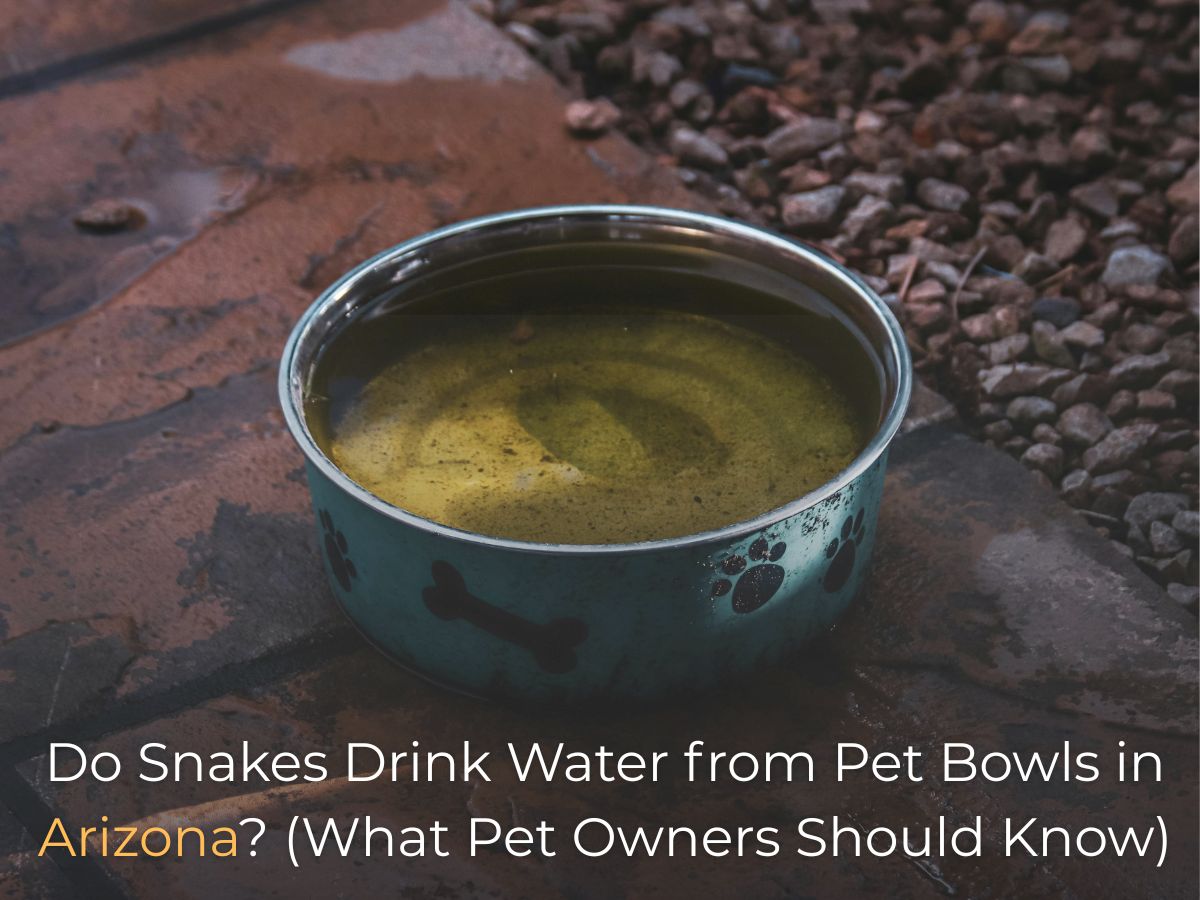
If you’re a pet owner in a hot place like Arizona, leaving a water bowl outside for your dog or cat feels completely normal. It’s part of daily care. But at some point, a thought crosses your mind – do snakes drink water from pet bowls in Arizona?
It’s not a random question. It usually comes after noticing something unusual. Maybe the water level looks different. Maybe you saw movement near the bowl late at night. Or maybe you just heard someone mention it, and now you can’t stop thinking about it.
Arizona’s environment makes this concern more realistic than people expect. With extreme heat, dry conditions, and active wildlife, animals are constantly searching for water. And while most people think of snakes as creatures that stay hidden and don’t interact with human spaces, the reality is a little more practical than that.
The short answer is yes – it is possible. But the full picture is more important to understand. Why would a snake come near a pet bowl? How often does it actually happen? And more importantly, does it create a risk for your pets or your home?
Once you understand how and why this happens, the situation becomes much less mysterious – and much easier to manage.
Many pet owners start wondering about this after noticing unusual activity in their yard. If you’re unsure how snakes get close to homes in the first place, this guide on do snakes enter houses in Arizona explains how they move through residential areas.
Do Snakes Actually Drink Water from Pet Bowls in Arizona?
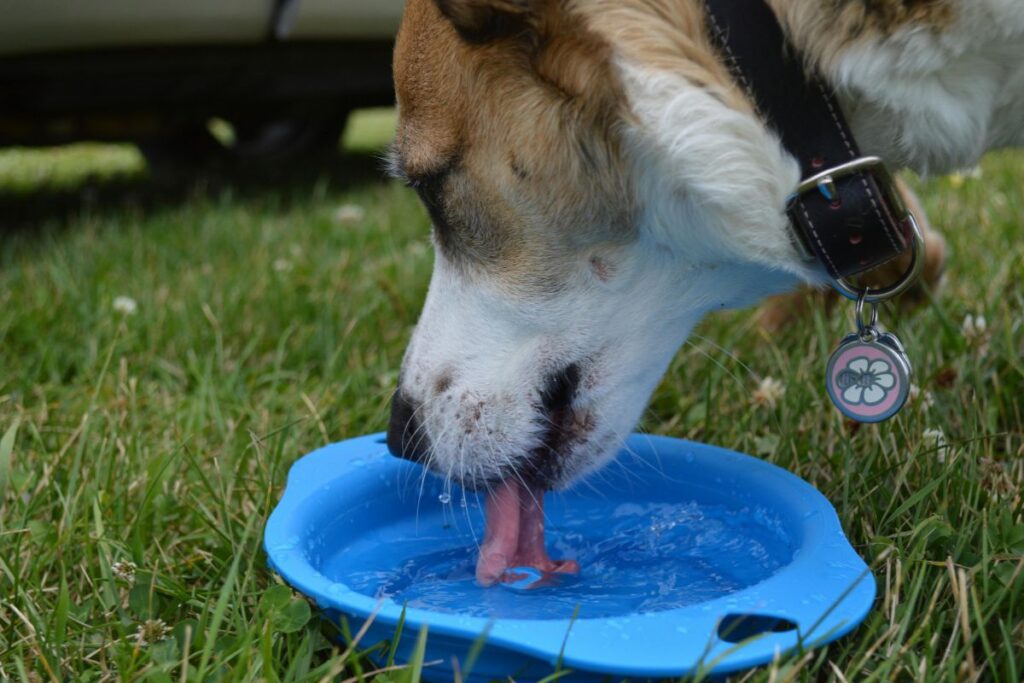
Let’s answer the main question clearly: yes, snakes can drink water from pet bowls in Arizona.
But this doesn’t mean it’s common or something that happens all the time.
Snakes, like all living creatures, need water to survive. In desert environments, water sources are limited. So when a consistent source of water exists – even something as simple as a pet bowl – it can attract attention.
That said, snakes are not actively looking for pet bowls. They don’t “target” them. They move through their environment, and if they come across a water source while they are thirsty or already nearby, they may use it.
So it’s not intentional behavior – it’s opportunistic.
Why a Pet Water Bowl Can Attract a Snake
To understand this properly, you have to think like the animal.
Arizona heat can be intense, especially during summer. Natural water sources dry up quickly. Small animals move around looking for hydration, and snakes are part of that same cycle.
A pet bowl offers something very simple but very valuable:
- Fresh water
- Easy access
- A consistent location
From a snake’s perspective, it’s just another water source.
But there’s more to it than that.
Water bowls can also indirectly attract other animals – like insects or small rodents – which can create a chain reaction. And snakes, as predators, often follow that activity.
So the bowl itself is one factor, but the surrounding environment plays a role too.
Water alone isn’t always the main reason. In many cases, it’s connected to other factors. This guide on snake proofing your yard in Arizona explains how food sources and shelter attract snakes over time.
When Is This Most Likely to Happen?
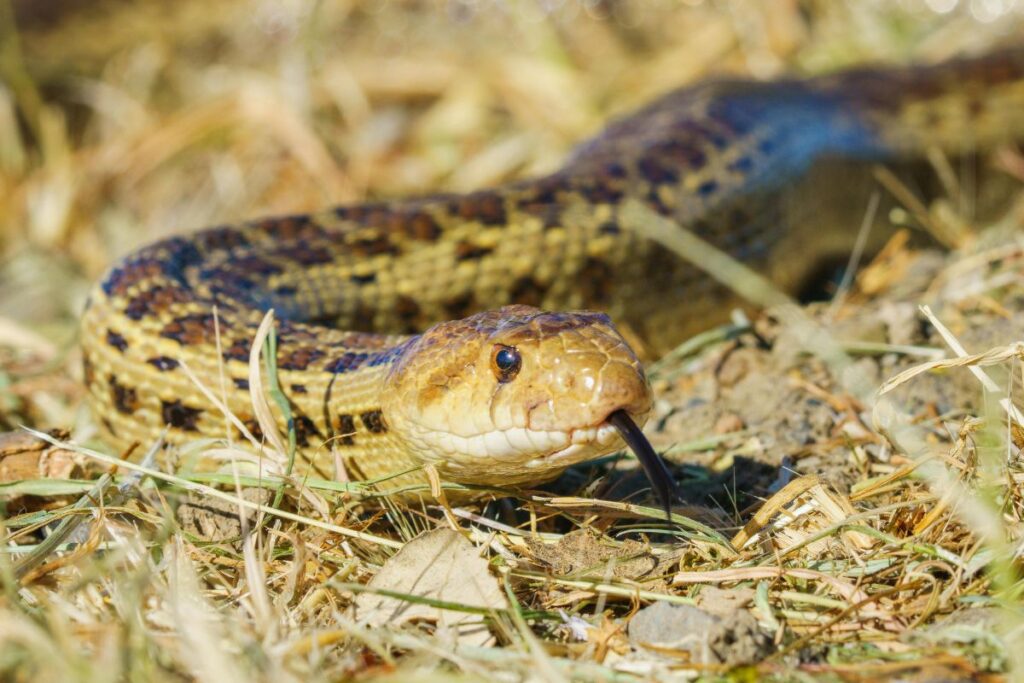
Timing makes a big difference.
In Arizona, snake activity is closely tied to temperature and environment.
Summer Heat
This is when water becomes more valuable. The hotter it gets, the more animals search for hydration.
Nighttime
Snakes are more active at night because temperatures drop. This is when they move around the most – and when they’re more likely to encounter things like pet bowls.
After Rain
Rain changes the environment. Movement increases, and animals become more active.
So if this situation happens, it’s most likely during warm evenings, especially in peak summer months.
Snake movement often increases under certain conditions. You can understand this better in this article on why snakes come out after rain in Arizona, especially during seasonal changes.
Where the Bowl Is Placed Matters More Than You Think
Not all pet bowls carry the same level of risk.
Placement plays a huge role.
For example:
Open, Visible Areas
If the bowl is placed in a clear, open space with good visibility, it’s less likely to attract hidden activity.
Shaded Corners
Bowls placed near walls, bushes, or shaded corners can create a more comfortable environment for wildlife.
Near Clutter
If the bowl is surrounded by objects or storage items, it creates hiding opportunities.
Close to Entry Points
Gaps under fences or near structures can increase access.
So it’s not just about the bowl – it’s about the environment around it.
Placement matters more than most people think. For example, shaded and quiet areas can attract wildlife, similar to what happens in snakes in garage Arizona, where low activity spaces become hiding spots.
Is This Dangerous for Your Pets?
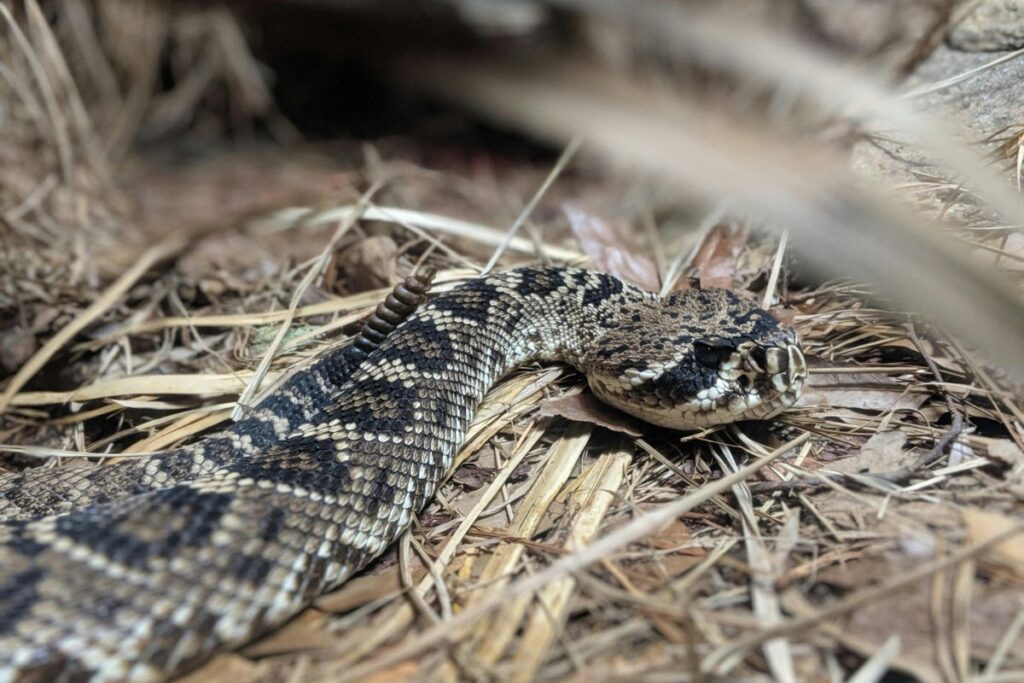
This is the part most people are really concerned about.
The presence of a snake near a pet bowl doesn’t automatically mean danger – but it does increase the chance of an encounter.
Dogs, especially, are curious. They may approach the bowl quickly, sniff around, or react to movement. If a snake happens to be nearby at that moment, it could feel threatened.
Most snakes prefer to avoid conflict. But if they feel cornered or surprised, they may react defensively.
So the risk is not from the water bowl itself – it’s from the possibility of both animals being in the same space at the same time.
Signs That Something Was Near the Bowl
You won’t always see a snake directly. But there are small signs that can suggest activity:
- Water level changing unexpectedly
- Tracks or marks around the bowl
- Unusual movement noticed at night
- Pets behaving differently around that area
These signs are not proof, but they can indicate that something has been using the space.
What You Should Do If You Suspect Activity
If you think something unusual is happening near your pet bowl, the best approach is calm and practical.
- Avoid reaching blindly into the area
- Turn on lights before going outside at night
- Observe from a distance
- Keep pets supervised
If you actually see a snake, don’t try to handle it. Give it space and allow it to move away, or contact a professional if needed.
Simple Ways to Reduce the Risk
You don’t need to stop using outdoor water bowls. You just need to adjust how you use them.
Bring Bowls Inside at Night
This is one of the easiest and most effective steps.
Keep the Area Clean
Reduce clutter and hiding spots.
Place Bowls in Open Areas
Visibility reduces comfort for wildlife.
Check the Area Regularly
A quick glance can prevent surprises.
Avoid Leaving Food Nearby
Food attracts rodents, which attract snakes.
Small changes like these make a big difference over time.
Outdoor Pet Safety Habits That Help
Consistency matters more than anything.
- Supervise pets during early morning and evening
- Keep yards maintained
- Stay aware of seasonal changes
- Avoid letting pets explore hidden areas freely
These habits don’t take much effort, but they reduce risk significantly.
If you’re concerned about your dog’s safety, this guide on are rattlesnakes dangerous for dogs in Arizona explains the real risks and how to stay prepared.
Why This Situation Feels More Common Than It Is
Sometimes, hearing about something makes it feel more common than it really is.
The idea of a snake drinking from a pet bowl sounds unusual – and because of that, it sticks in your mind.
But in reality, most pet owners never experience this directly.
It’s possible, but not frequent.
Understanding that balance helps reduce unnecessary worry.
Real-Life Perspective from Arizona Homeowners
People who have lived in Arizona for years usually develop a practical approach.
They don’t assume every outdoor space is dangerous, but they stay aware.
They:
- Check their yard regularly
- Keep things organized
- Adjust habits during summer
Over time, it becomes routine – not something stressful.
Can Snakes Smell Water or Detect Pet Bowls?
This is something many people wonder about, especially after hearing stories about animals finding water from far away.
Snakes don’t “smell” water the way humans think, but they are extremely sensitive to their surroundings. They use their tongue to collect tiny chemical particles from the air and ground, which helps them understand their environment.
What this means in simple terms is that snakes don’t specifically search for pet bowls. Instead, they move through areas, and if moisture, prey activity, or cooler conditions are present, they become more interested in that space.
So it’s not that your pet bowl is calling snakes – it’s that it becomes noticeable when combined with the right environmental conditions.
Reducing hiding spots is one of the most effective steps. This article on rattlesnake hiding spots in Arizona shows where snakes usually stay during the day.
Do Different Types of Snakes Behave Differently Around Water?
Not all snakes behave the same way.
In Arizona, some species are more likely to explore residential areas than others. Non-venomous snakes tend to be more flexible in their behavior and may explore different environments, including areas near homes.
Rattlesnakes, on the other hand, are generally more cautious. They prefer staying hidden and avoiding unnecessary movement unless conditions require it.
That said, all snakes need water. So while behavior may vary slightly, the basic need remains the same.
Can a Water Bowl Attract Other Animals That Bring Snakes?
This is one of the most important connections to understand.
A water bowl doesn’t just exist on its own – it becomes part of a small ecosystem.
Water can attract:
- Insects
- Birds
- Small mammals
These animals may come for hydration, especially in hot weather. And where there is small animal activity, predators may follow.
Snakes are not coming for the bowl itself – they may be coming for the activity around it.
That’s why sometimes the real issue isn’t the water – it’s everything happening around it.
Should You Be Worried About Leaving Water Outside All Day?
You don’t need to panic or completely change your routine.
Leaving water outside during the day is generally fine, especially when there is regular activity around your home. Snakes are less likely to approach busy, active areas during daylight hours.
The main difference comes at night.
When everything becomes quiet and temperatures drop, the environment changes. That’s when wildlife movement increases.
So instead of avoiding outdoor water completely, it’s more practical to adjust timing – like bringing the bowl inside overnight.
How Pets React to Snake Presence Near Water Bowls
Pets often notice things before humans do.
Dogs, in particular, may show subtle signs if something unusual has been around their water bowl:
- Hesitation to approach
- Sudden alertness
- Sniffing or staring at a specific spot
- Barking at nothing visible
These reactions don’t always mean there is a snake, but they can indicate that something has changed in the environment.
Paying attention to your pet’s behavior can give you an early signal.
Is It Safe to Keep Multiple Water Bowls Outside?
Some homeowners place multiple bowls around their yard for convenience.
While this helps pets stay hydrated, it also increases the number of locations where wildlife might interact with your space.
More bowls = more water sources = more environmental activity.
If you choose to keep multiple bowls:
- Keep them in open areas
- Avoid placing them near walls or bushes
- Clean and check them regularly
This reduces the chances of unwanted activity.
Can Snakes Stay Near a Water Source for Long Periods?
Snakes don’t usually stay in one place just because water is available.
They move based on multiple factors, including temperature, safety, and food. Water alone is not enough to keep them in one spot for long.
However, if water is combined with shelter and food, the area becomes more attractive overall.
So again, it’s not about a single factor – it’s about the combination.
What Time of Day Should You Check Outdoor Bowls?
If you want to stay extra cautious, timing matters.
The best times to check outdoor areas are:
- Early morning
- Before letting pets out at night
These are transition periods when animals may still be nearby or have recently passed through.
A quick check takes only a few seconds but can prevent surprises.
Does Lighting Around Your Yard Make a Difference?
Yes, it does.
Snakes prefer darker, quieter environments. A well-lit yard is less comfortable for them, especially at night.
Lighting also helps you see clearly, which reduces the chances of accidental encounters.
Even simple lighting near pet areas can improve visibility and awareness.
Long-Term Habits That Keep Your Yard Low-Risk
The most effective approach is not a one-time fix – it’s consistency.
Over time, small habits create a safer environment:
- Keeping areas open and visible
- Avoiding clutter buildup
- Monitoring pet spaces regularly
- Staying aware during seasonal changes
These habits don’t eliminate nature – but they reduce unwanted interactions.
For accurate and official information about snake behavior and safety, you can refer to the Arizona Game and Fish Department, which provides trusted guidance on wildlife activity and safe interaction practices.
Final Thoughts
So, do snakes drink water from pet bowls in Arizona?
Yes, it can happen – but it’s not something that happens constantly or without reason.
It’s simply part of how animals interact with their environment, especially in dry conditions.
The important thing is not to panic, but to understand why it happens and how to reduce the chances.
With a few simple habits and awareness, you can keep your pets safe and your outdoor space comfortable.
FAQ
Do snakes drink water from pet bowls in Arizona?
Yes, but it’s not very common.
Why would a snake come near a pet bowl?
For water, especially in hot conditions.
Is it dangerous for my dog?
It can increase the chance of an encounter.
When does this happen most?
Summer nights and dry periods.
Should I stop leaving water outside?
Not necessarily – just manage placement and timing.
Can snakes smell water?
They sense moisture and environmental changes.
What should I do if I see one?
Keep distance and avoid interaction.
Do clean yards prevent this?
They reduce risk but don’t eliminate it.
Are snakes common around homes?
Occasionally, depending on conditions.
How can I reduce risk?
Keep areas open, clean, and monitored.

Ravi Rathore is a field snake researcher and Arizona wildlife enthusiast who studies snake behavior, identification, and desert ecosystems. He focuses on helping hikers, homeowners, and outdoor explorers understand the difference between venomous and non-venomous snakes in Arizona. Through detailed guides and safety resources, he shares practical knowledge to help people stay safe while respecting native wildlife.