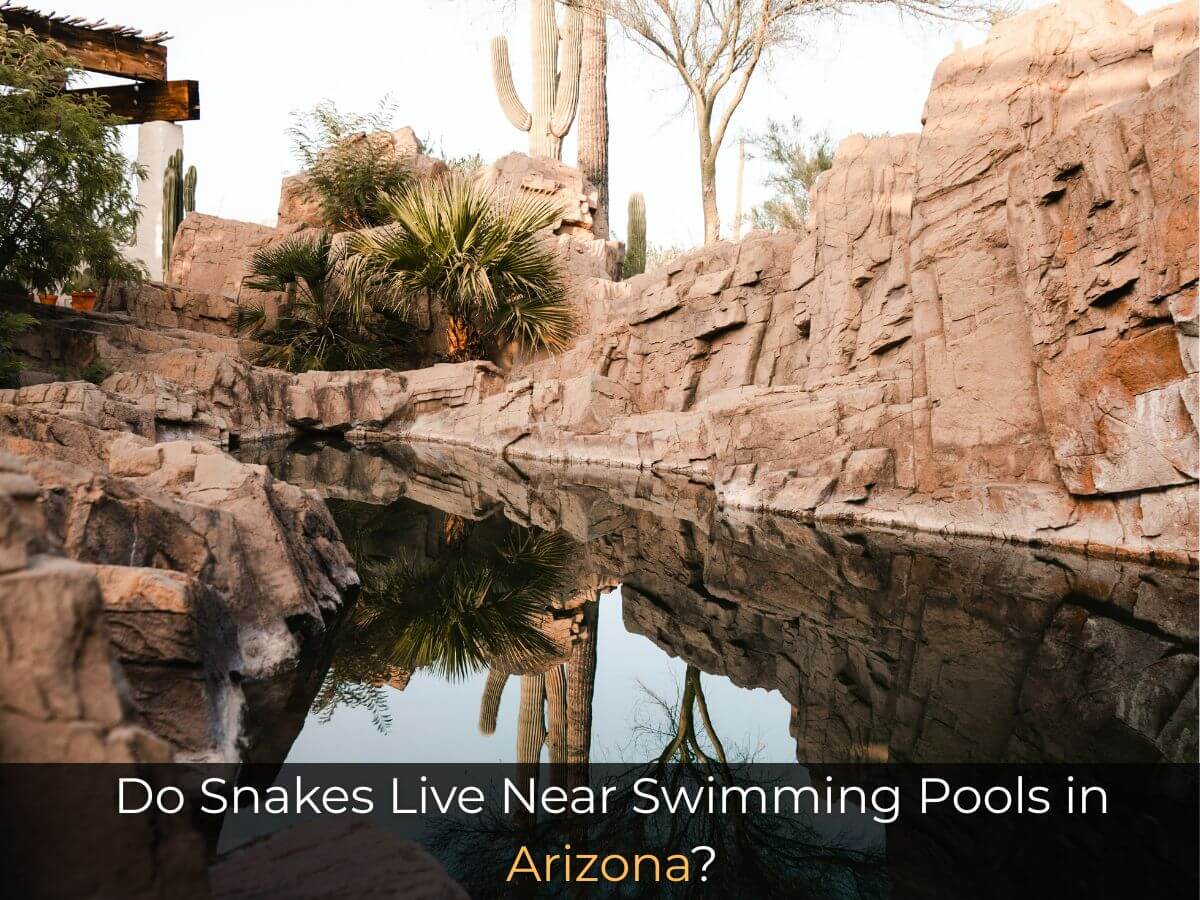
If you own a backyard pool, especially in a desert state, you’ve probably wondered at some point – do snakes live near swimming pools in Arizona? It’s not a strange question. In fact, it’s something many homeowners think about after spotting movement near the water, noticing unusual tracks, or hearing stories from neighbors.
Arizona’s climate creates a unique environment where water becomes one of the most valuable resources for wildlife. When you add a swimming pool into that setting, it naturally changes the surrounding ecosystem. What feels like a place for relaxation and cooling off can also become attractive to animals that are simply trying to survive the heat.
The idea of snakes near your pool can feel uncomfortable, especially if you have kids or pets. But understanding why this happens – and how common it actually is – can help you handle the situation calmly and effectively.
This guide explains in simple, practical terms whether snakes live near swimming pools in Arizona, why they might show up, and what you can do to keep your pool area safe.
Many homeowners start thinking about this after noticing snake activity near their property. If you’re wondering how snakes even reach residential spaces, this guide on do snakes enter houses in Arizona explains the most common entry situations.
Do Snakes Actually Live Near Swimming Pools?
The short answer is yes – but not in the way most people imagine.
Snakes do not “live” in pools or choose them as permanent homes. They don’t settle in the water or stay there long-term. However, they may be found near pools because those areas provide conditions that are useful to them.
A pool doesn’t attract snakes by itself. It’s the environment around it that matters.
From a snake’s perspective, a pool area can offer:
- Access to water
- Cooler surfaces
- Shade and hiding spots
- Presence of prey
So while snakes don’t move in and live around pools intentionally, they may pass through or temporarily stay in the area if conditions are favorable.
Why Swimming Pools Attract Snakes in Arizona
To understand why snakes appear near pools, you have to look at Arizona’s environment.
Water Is Rare and Valuable
In a desert climate, water is one of the biggest attractors. Even though snakes don’t need large amounts of water, they still require hydration. A swimming pool becomes a visible and reliable source.
Cooler Microclimate
Pool areas often feel cooler than surrounding ground, especially in the evening. Surfaces like tiles, shaded decks, and nearby landscaping create temperature differences that snakes prefer.
Landscaping Around Pools
Many pool areas include plants, rocks, and decorative features. These create perfect hiding spots.
Presence of Prey
Where there’s water, there are insects. Where there are insects, there are rodents or frogs. And where there is prey, snakes may follow.
This chain reaction is one of the biggest reasons snakes are occasionally seen near pools.
In most cases, snakes are simply responding to their environment rather than targeting specific areas. This behavior is explained in detail in this guide on rattlesnake hiding spots in Arizona, where they look for shelter and protection.
Where Snakes Hide Around Pool Areas
If a snake is near your pool, it’s not going to stay out in the open.
Snakes prefer hidden, protected spaces. Around a pool, common hiding spots include:
- Behind pool equipment (filters, pumps)
- Under pool decks or raised edges
- Inside landscaping rocks or gravel
- In bushes or shrubs near the pool
- Along walls or fences
These areas provide shade, cover, and safety.
Even a clean pool area can still have small hiding spots that aren’t immediately obvious.
These hiding patterns are very similar to what happens in enclosed areas. This article on snakes in garage Arizona explains why quiet, shaded spaces attract snakes.

Are Snakes Near Pools Dangerous?
This is one of the most important questions.
The answer depends on the type of snake, but the general rule is simple:
Any snake should be treated with caution.
Arizona is home to both venomous and non-venomous snakes. The most well-known venomous species are rattlesnakes. However, many snakes you may encounter are harmless.
The challenge is that most people cannot identify a snake quickly or accurately.
That’s why the safest approach is:
- Keep distance
- Do not attempt to interact
- Stay aware
Most snakes are not aggressive. They don’t want to be near people. They will usually leave if given space.
When Are You Most Likely to See Snakes Near Pools?
Snake activity is not random – it follows patterns.
Night and Early Morning
Snakes are more active when temperatures are lower. You’re more likely to see them around dusk or at night.
Summer Months
Heat pushes snakes to search for cooler areas, making pool environments more attractive.
After Rain
Rain changes the environment, increasing movement and activity.
Understanding these patterns helps you stay alert during the times when encounters are more likely.
Snake movement often increases during certain weather conditions. You can understand this better in this guide on why snakes come out after rain in Arizona, especially during seasonal changes.
What To Do If You See a Snake Near Your Pool
If you ever see a snake near your pool, your reaction matters more than the situation itself.
Here’s what you should do:
- Stop and stay calm
- Keep a safe distance
- Move children and pets away immediately
- Do not try to scare or remove the snake
If the snake doesn’t leave on its own, contact a professional wildlife service.
Most snakes will leave if they don’t feel threatened.
What You Should Never Do
Mistakes can turn a safe situation into a dangerous one.
Avoid:
- Trying to catch or kill the snake
- Throwing objects at it
- Using water hoses to force it out
- Blocking its escape path
These actions can trigger defensive behavior.
How to Prevent Snakes Around Your Pool
The goal is simple: make your pool area less attractive.
Keep the Area Clean
Remove clutter, leaves, and debris.
Trim Plants and Bushes
Reduce hiding spots.
Manage Landscaping
Avoid dense rock piles or thick vegetation.
Control Rodents
Remove food sources.
Seal Gaps
Close openings in walls, fences, and foundations.
Small changes can make a big difference.
Prevention always starts from outside your home. This detailed guide on snake proofing your yard in Arizona shows how to make your entire property less attractive to snakes.
Do Snakes Enter the Pool Water?
Yes, sometimes – but not for the reason you might think.
Snakes may enter the pool:
- To cool off
- While crossing the area
- Accidentally while moving
They do not swim for fun or stay in the water for long.
If a snake is in the pool, it is usually trying to get out.
Can Snakes Drown in Pools?
Yes, they can.
Pools are not natural environments for snakes. Smooth surfaces make it difficult for them to climb out.
This is why you might occasionally see a snake struggling in the water.
Some homeowners install escape ramps or textured edges to help animals exit safely.
How Pets and Kids Increase Risk
Pool areas are often active spaces.
Children and pets:
- Move unpredictably
- May not notice danger
- Can approach out of curiosity
This increases the chance of accidental encounters.
Supervision and awareness are important, especially during high-activity seasons.
Why Snakes Don’t “Target” Your Pool
It’s important to understand this clearly.
Snakes are not attracted to your pool as a destination.
They are responding to:
- Environment
- Temperature
- Food availability
Once these factors change, the likelihood of snakes being present decreases.
Long-Term Prevention Mindset
Prevention is not a one-time task.
It’s about maintaining an environment that does not support snake activity.
This includes:
- Regular yard maintenance
- Consistent cleaning
- Awareness of seasonal changes
When you manage your surroundings, you naturally reduce risk.
Realistic Risk: Should You Be Worried?
The idea of snakes near your pool can feel serious, but the actual risk is low.
Most encounters:
- Are brief
- Involve non-aggressive snakes
- End without incident
The goal is not to eliminate all wildlife – that’s impossible. The goal is to reduce risk and stay prepared.
A Real Situation Most Arizona Homeowners Experience
Let’s make this practical for a moment.
Imagine a typical Arizona evening. The sun has gone down, the temperature finally feels comfortable, and your pool area becomes the center of activity. Maybe your kids are still outside, maybe you’re sitting near the water, or maybe the lights are on around the pool.
Everything feels normal.
Then suddenly, you notice something near the edge of the pool. At first, it doesn’t even register. It could be a shadow, a hose, or just something out of place.
Then it moves.
That’s the moment most people remember clearly. It’s not dramatic. There’s no warning. Just a small, subtle movement that instantly changes how you feel about the space.
And that’s usually how these encounters happen – not in extreme situations, but in quiet, everyday moments.
Understanding this helps you realize something important: snakes near pools are not events – they are brief encounters. And how you respond in that moment matters more than the presence of the snake itself.
Why Pool Areas Feel Safer Than They Actually Are
One reason people feel more uncomfortable about snakes near pools compared to other areas is psychological.
A pool represents comfort.
It’s a controlled environment. Clean water, organized space, predictable surroundings. You expect it to be safe because it’s part of your home, not the desert.
But the reality is that your pool is still connected to the outdoor environment.
Even if your yard is clean and well-maintained, it still exists within a natural ecosystem. Wildlife doesn’t recognize boundaries the same way humans do. A fence, a wall, or a deck doesn’t necessarily stop movement.
This doesn’t mean your pool is unsafe – it just means it’s not completely isolated.
Once you understand that, the situation becomes easier to manage. You stop expecting complete control and start focusing on realistic prevention.
The Role of Pool Design in Snake Activity
Not all pools attract the same level of wildlife activity.
The way your pool is designed can actually influence whether snakes are more likely to appear nearby.
For example:
Pools with Dense Landscaping
If your pool is surrounded by thick plants, decorative rocks, or shaded corners, it naturally creates hiding spots.
Pools Near Open Desert or Natural Areas
Homes closer to undeveloped land will see more wildlife movement.
Pools with Equipment Areas
Pool pumps, filters, and storage sections are often overlooked – and they provide quiet, shaded spaces.
Pools with Poor Lighting
Dark areas around the pool increase the chances of unnoticed movement.
On the other hand, a pool with open space, minimal clutter, and good lighting is much less attractive.
This is why two homes in the same neighborhood can have completely different experiences.
What Happens When a Snake Falls Into the Pool
This is something many homeowners don’t expect.
Sometimes, a snake doesn’t come to the pool – it ends up in the pool accidentally.
This can happen when:
- A snake is moving along the edge and slips
- It’s chasing prey near the water
- It misjudges the surface
Once inside, the situation changes.
Snakes are capable swimmers, but swimming in a pool is not the same as moving in a natural environment. Pool walls are smooth, and there’s often no easy exit point.
So instead of “staying” in the pool, the snake is actually trying to escape.
This is why people sometimes find a snake moving along the edge or circling inside the water.
It’s not comfortable – it’s trying to get out.
While encounters are rare, it’s still important to stay prepared. This guide on snake bite symptoms in Arizona explains what signs to watch for and when to act quickly.
Why You Might See the Same Snake More Than Once
A question many homeowners ask is: “If I saw a snake once, will it come back?”
The answer is – it depends on the environment.
Snakes don’t return because they “like” a place. They return if the conditions remain the same.
If your pool area continues to offer:
- Shelter
- Shade
- Food sources
…then it may attract similar activity again.
But once you change those conditions, the pattern usually stops.
This is why prevention is not about reacting once – it’s about making small, consistent changes that reduce long-term attraction.
The Connection Between Pool Areas and Night Activity
Most people don’t realize how much activity increases after dark.
During the day, Arizona heat limits movement. But once the temperature drops, the environment changes completely.
At night:
- Surfaces cool down
- Air becomes more comfortable
- Wildlife becomes active
Your pool area, especially if it’s lit or retains some warmth, becomes part of that nighttime environment.
This is why many sightings happen in the evening or early morning – not because snakes prefer pools, but because that’s when they are naturally moving.
Small Mistakes That Increase Snake Activity Around Pools
Most snake encounters around pools are not random – they are influenced by small, unnoticed habits.
Here are common mistakes:
Leaving Pool Lights Off Completely
Dark areas create hiding confidence for snakes.
Ignoring Equipment Zones
Many people clean the pool but ignore the pump and filter area.
Overgrown Decorative Plants
Looks good visually, but creates shelter.
Storing Items Near Pool Walls
Pool toys, tools, or furniture can create hidden spaces.
Not Checking the Area Regularly
A quick visual check can prevent surprises.
None of these seem like big issues individually. But together, they create an environment that feels safe for wildlife.
For accurate and official information about snake behavior and safety in Arizona, you can refer to the Arizona Game and Fish Department, which provides trusted guidance on handling snake encounters and understanding wildlife activity.
How to Build a “Low-Risk Pool Area”
Instead of trying to eliminate all risk, focus on reducing it.
A low-risk pool area usually has:
- Clear, open surroundings
- Minimal clutter
- Trimmed vegetation
- Visible ground space
- Well-lit edges
This doesn’t make your yard unnatural – it just makes it less attractive for hiding.
Think of it as removing comfort, not creating barriers.
What Experienced Homeowners Learn Over Time
People who have lived in Arizona for years develop a different perspective.
They don’t panic when they see a snake.
They understand:
- It’s part of the environment
- It’s usually temporary
- It can be managed
The first encounter always feels intense. But after understanding behavior and patterns, it becomes something you can handle calmly.
This shift – from fear to awareness – is what makes the biggest difference.
The Difference Between Rare and Impossible
A lot of confusion comes from mixing up these two ideas.
Something can be rare without being impossible.
Snakes near pools fall into this category.
It doesn’t happen often, but it can happen under the right conditions.
Once you understand that balance, you stop overreacting-but you also don’t ignore it completely.
You stay prepared without being stressed.
For first aid and emergency response information, the Centers for Disease Control and Prevention offers clear guidance on how to respond to snake bites safely.
Final Thoughts
Let’s bring this back to the original question:
Do snakes live near swimming pools in Arizona?
Yes – but not in the way people fear.
They are not living there, not staying there, and not targeting your pool.
They are simply passing through an environment that sometimes offers what they need.
And the most important part is this:
You have control over that environment.
Small changes – cleaning, trimming, checking, and maintaining – can make a huge difference.
Once you understand how and why these situations happen, your pool goes back to being what it should be:
A place to relax, not something to worry about.
FAQ
Do snakes live near swimming pools in Arizona?
Yes, but usually temporarily, not permanently.
Why are snakes attracted to pools?
Water, cooler temperatures, and prey.
Are pool snakes dangerous?
Some can be, so always stay cautious.
Do snakes swim in pools?
Yes, but usually briefly.
Can snakes drown in pools?
Yes, especially if they can’t escape.
When are snakes most active near pools?
At night and during summer.
How do I keep snakes away from my pool?
Clean surroundings, trim plants, and remove hiding spots.
Should I remove a snake myself?
No, it’s safer to call professionals.
Do pools attract snakes directly?
No, the surrounding environment does.
Are snakes common around pools in Arizona?
Not very common, but possible.

Ravi Rathore is a field snake researcher and Arizona wildlife enthusiast who studies snake behavior, identification, and desert ecosystems. He focuses on helping hikers, homeowners, and outdoor explorers understand the difference between venomous and non-venomous snakes in Arizona. Through detailed guides and safety resources, he shares practical knowledge to help people stay safe while respecting native wildlife.