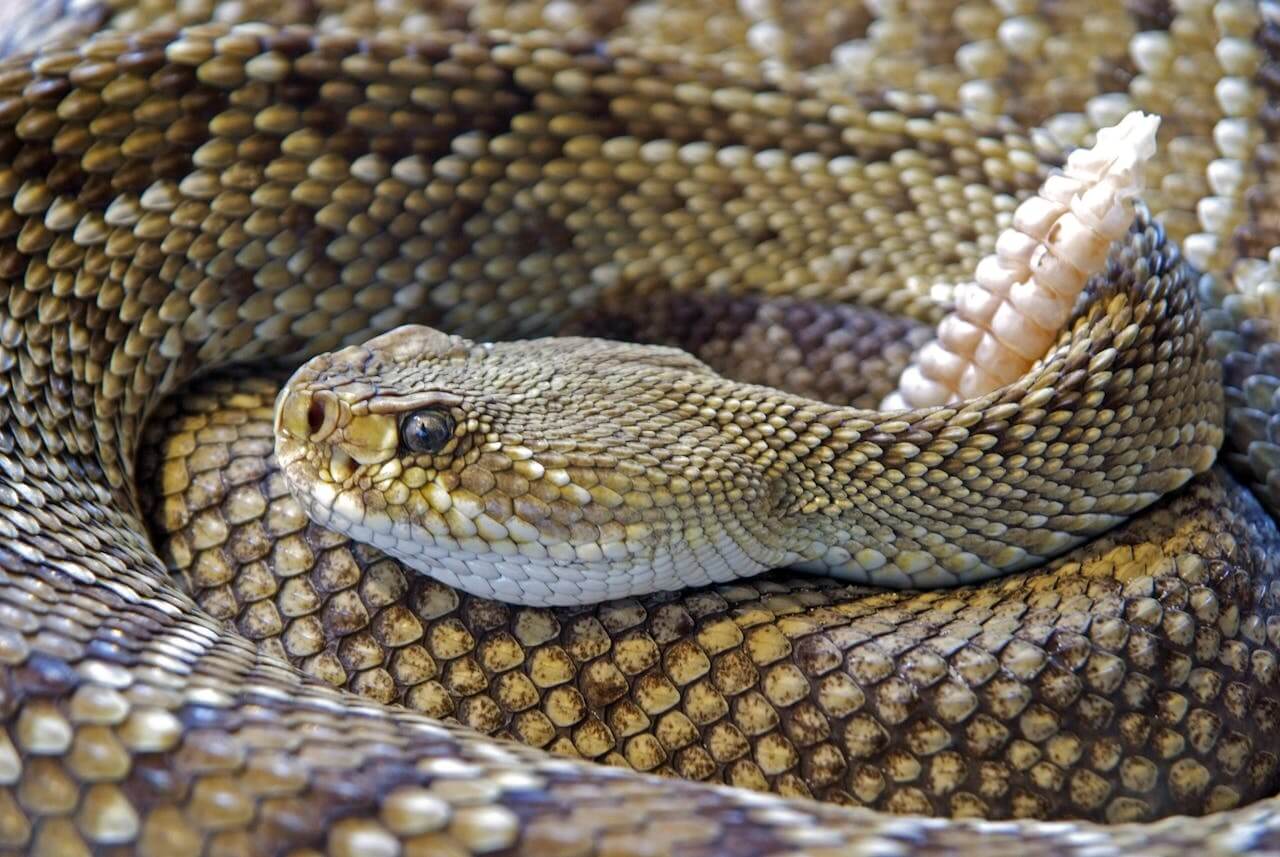
Arizona is home to some of the most fascinating and misunderstood reptiles in the United States. With its desert landscapes, rocky trails, and warm climate, it’s no surprise that the state has one of the highest snake populations in America.
But how many of those snakes are actually dangerous?
If you hike, camp, live in rural areas, or explore the outdoors in Arizona, understanding venomous snakes in Arizona isn’t optional — it’s essential for safety.
This complete guide will help you:
- Identify venomous snake species
- Understand where they live
- Learn when they are most active
- Know what to do if you encounter one
- Prevent snake bites effectively
Let’s start with the basics.
How Many Venomous Snakes Are in Arizona?
Arizona has 13 species of rattlesnakes, more than any other U.S. state.
In total, the main venomous snakes in Arizona include:
- Rattlesnakes (multiple species)
- Arizona Coral Snake
Unlike many eastern states, Arizona does not have copperheads or cottonmouths.
If you want a broader breakdown of species, see our guide on
Non-Venomous Snakes in Arizona
Rattlesnakes of Arizona
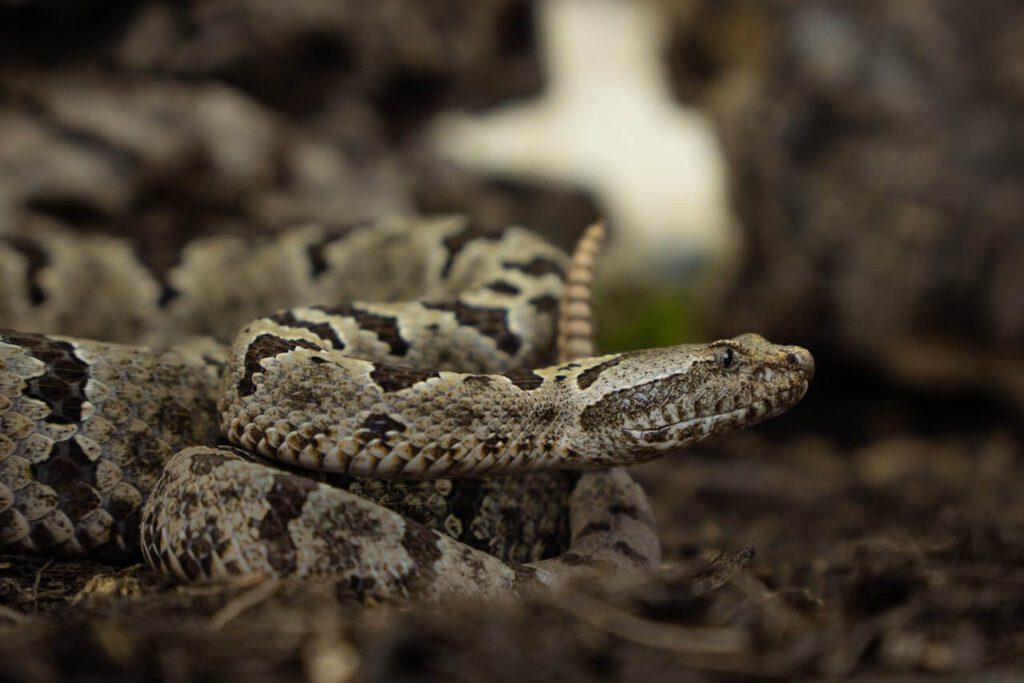
Rattlesnakes are responsible for nearly all venomous snake bites in Arizona.
Key Identification Features
- Triangular head
- Vertical slit pupils
- Thick body
- Heat-sensing pits near nostrils
- Rattle at end of tail
However, young rattlesnakes may have very small rattles — never rely only on sound.
Common Arizona Rattlesnake Species
Western Diamondback Rattlesnake
The most common and widely distributed species.
- Found in deserts, suburbs, and rocky terrain
- Brown or gray body with diamond patterns
- Black and white banded tail
This is the snake most hikers encounter.
Mojave Rattlesnake
Often called the “Mojave Green.”
- Greenish tint
- Extremely potent venom
- Found in high desert areas
Although less common than the Western Diamondback, it is considered one of the most dangerous snakes in Arizona.
Sidewinder
- Moves in a unique sideways motion
- Smaller in size
- Found in sandy desert regions
Usually avoids confrontation.
Arizona Coral Snake
The Arizona Coral Snake is the only non-rattlesnake venomous species in the state.
How to Identify It
Bright bands of:
- Red
- Yellow
- Black
Helpful rhyme:
“Red on yellow, kill a fellow.”
Coral snakes are small, shy, and rarely bite humans. Most bites occur when someone tries to handle one.
Where Do Venomous Snakes Live in Arizona?
Venomous snakes prefer:
- Desert scrub
- Rocky hillsides
- Canyon areas
- Grasslands
- Suburban edges near open land
They hide in:
- Rock crevices
- Under brush
- Woodpiles
- Tall grass
During extreme summer heat, they become more active at night.
When Are Snakes Most Active?
Snake activity increases during:
- Spring (March–May)
- Early Summer (June)
- After monsoon rains
- Warm evenings
Peak activity is usually between 70°F–90°F.
For more seasonal details, see:
When Are Snakes Most Active in Arizona?
How to Identify a Venomous Snake Safely
Never approach a snake to inspect it.
Instead, observe from a safe distance.
Look for:
- Thick body
- Distinct head shape
- Rattle (if visible)
- Defensive posture (coiled, rattling)
If unsure — treat it as venomous.
Snake identification is often misjudged, which is why proper education matters.
What To Do If You See a Venomous Snake
Stay calm.
Do NOT:
- Try to kill it
- Throw rocks
- Attempt to grab it
- Run past it
Instead:
- Stop immediately
- Slowly back away
- Give the snake space
- Change direction if needed
Most snake bites happen when people try to interfere.
For hiking safety tips, read:
What to Do If You See a Snake While Hiking in Arizona
Snake Bite First Aid in Arizona
If bitten:
- Call 911 immediately
- Stay calm
- Keep the bitten limb immobilized
- Remove tight jewelry or clothing
- Do NOT cut the wound
- Do NOT suck venom
- Do NOT apply ice
Emergency treatment with antivenom is highly effective when administered quickly.
For official medical guidance, refer to:
- Arizona Game & Fish Department
- CDC Snake Bite Guidelines
(Place external links here)
How to Prevent Snake Encounters
Prevention is your best defense.
Hiking Safety
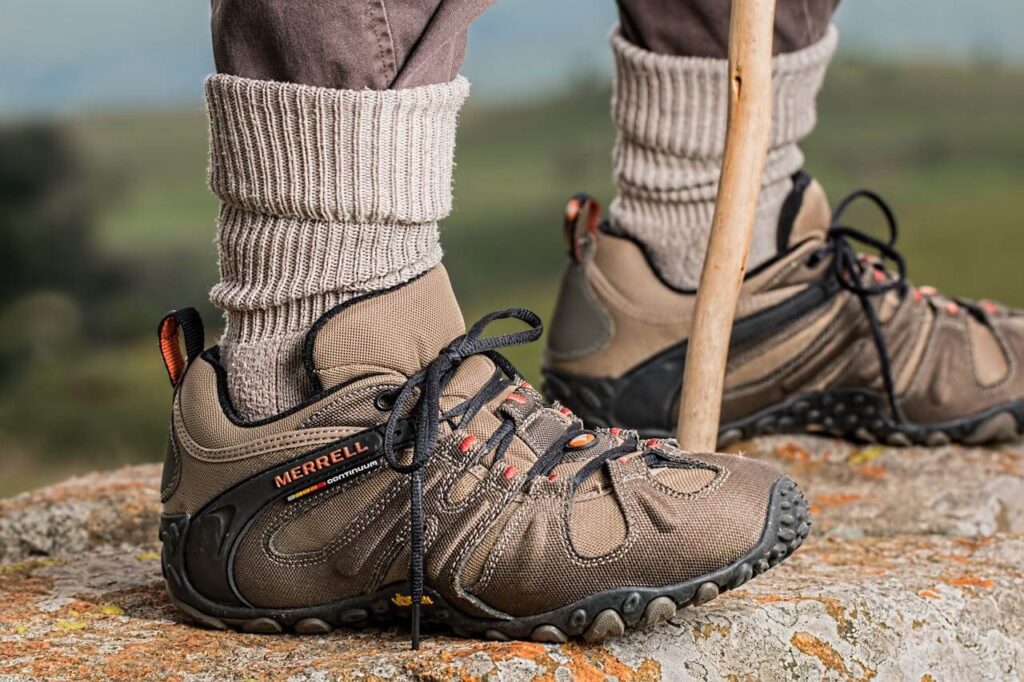
- Wear thick boots
- Avoid tall grass
- Use trekking poles
- Watch where you step
- Avoid hiking at dusk
Around Your Home
- Remove debris piles
- Seal gaps under fences
- Trim bushes
- Keep yard clear of rodents
Snakes follow food sources. Reduce rodents, reduce snakes.
Are Venomous Snakes Aggressive?
No.
Snakes are defensive, not aggressive.
They bite when:
- Stepped on
- Cornered
- Handled
- Threatened
In fact, rattlesnakes often warn you before striking.
Do Venomous Snakes Climb?
Yes — some species can climb rocks, shrubs, and low trees.
Always stay alert when hiking in rocky canyons.
Frequently Asked Questions
How many people die from snake bites in Arizona?
Fatalities are extremely rare thanks to modern medical treatment.
What is the most dangerous snake in Arizona?
The Mojave Rattlesnake is often considered the most dangerous due to potent venom.
Are baby rattlesnakes more dangerous?
Not necessarily more venomous, but they may lack control over venom delivery.
Can snakes chase you?
No. Snakes may move defensively but do not actively chase humans.
Final Thoughts
Understanding venomous snakes in Arizona is about awareness — not fear.
These reptiles play an important role in the ecosystem by controlling rodent populations.
Most encounters end peacefully when people:
- Stay calm
- Keep distance
- Respect wildlife
Whether you’re hiking in the Sonoran Desert or living near open land, education is your strongest protection.
Stay informed. Stay prepared. Stay safe.

Ravi Rathore is a field snake researcher and Arizona wildlife enthusiast who studies snake behavior, identification, and desert ecosystems. He focuses on helping hikers, homeowners, and outdoor explorers understand the difference between venomous and non-venomous snakes in Arizona. Through detailed guides and safety resources, he shares practical knowledge to help people stay safe while respecting native wildlife.