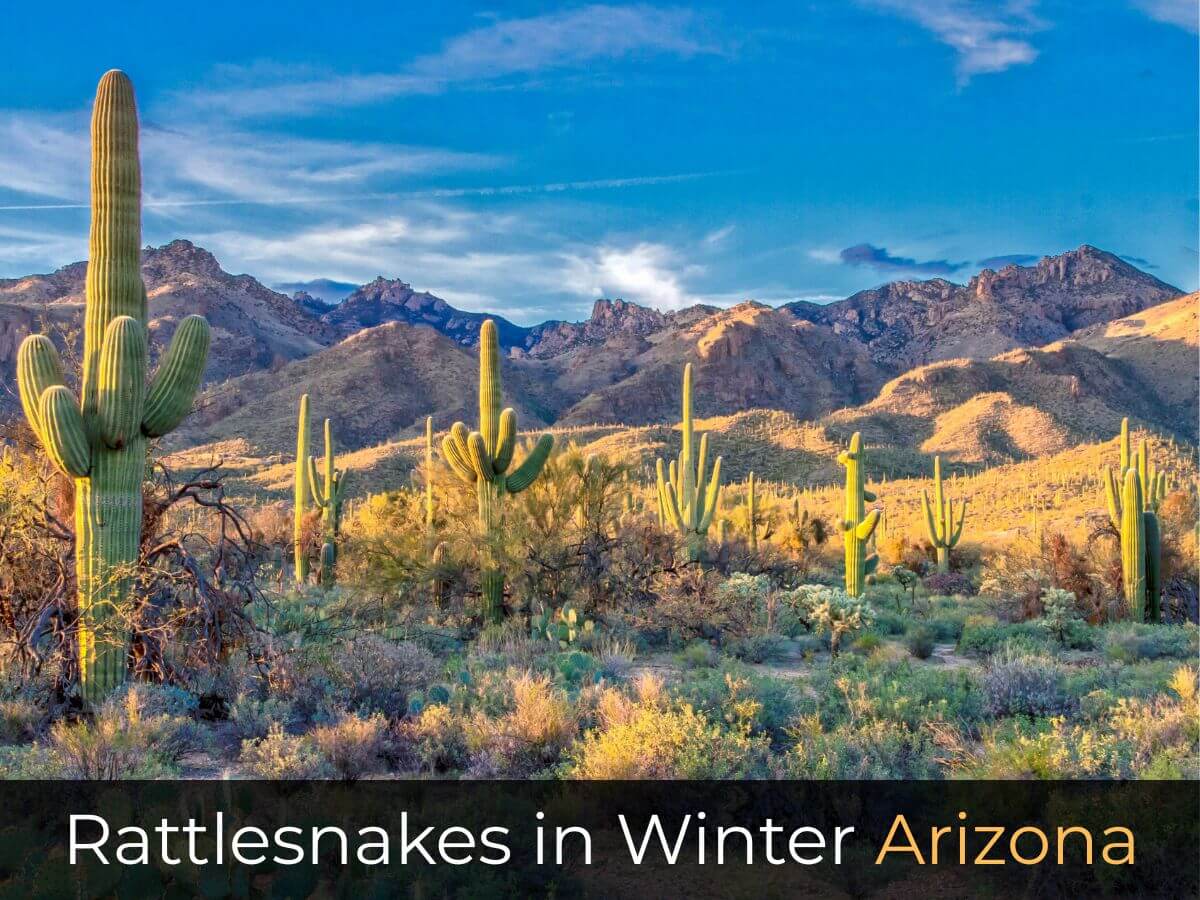
When temperatures begin to drop, many Arizona residents start wondering what happens to desert wildlife. One of the most common questions is about rattlesnakes in winter Arizona and whether these snakes disappear completely or remain active in colder months. Understanding how rattlesnakes behave during winter can help homeowners, hikers, and outdoor enthusiasts stay safe and avoid unnecessary fear.
Unlike mammals, rattlesnakes do not hibernate in the traditional sense. Instead, they enter a state called brumation, which is a period of reduced activity. During this time, their metabolism slows down, and they conserve energy until warmer conditions return. However, this does not mean they are completely inactive. In certain situations, rattlesnakes may still move or be seen even during winter.
What Is Brumation and How It Affects Rattlesnakes
Brumation is similar to hibernation but occurs in cold-blooded animals like reptiles. During brumation, rattlesnakes lower their activity levels significantly. They do not eat much, and their body functions slow down to conserve energy.
In Arizona, winters are milder compared to other states, which means rattlesnakes may not stay fully inactive for long periods. On warmer winter days, they may briefly emerge from their hiding spots to bask in the sun.
This is why sightings of rattlesnakes in winter Arizona are still possible, even though activity is much lower than in summer.
If you want long-term protection, check out our complete guide on snake proof yard Arizona for practical steps to keep snakes away from your home.
Where Do Rattlesnakes Go in Winter?
Rattlesnakes look for safe and stable environments to survive colder temperatures. These locations provide protection from cold air, predators, and environmental changes.
Common winter hiding places include:
- Rock crevices
- Underground burrows
- Abandoned rodent tunnels
- Hillside dens
- Tree root systems
Many snakes return to the same den year after year. These dens may contain multiple snakes sharing the same space to maintain warmth.
Rattlesnakes prefer safe and hidden areas during colder months. To better understand these shelters, you can read our guide on rattlesnake hiding spots Arizona, which explains where snakes stay throughout the year.
Do Rattlesnakes Hibernate Together?
Yes, in many cases, rattlesnakes gather in groups during winter. This behavior helps them maintain a stable body temperature and survive colder conditions.
Communal dens are common in rocky desert areas where natural shelters are available. These dens can sometimes hold dozens of snakes, although they remain mostly inactive.
Are Rattlesnakes Active in Winter Arizona?
Activity levels depend on temperature. On very cold days, rattlesnakes remain hidden. However, during mild or sunny winter days, they may come out briefly to warm themselves.
This means that even in winter, people should remain cautious when hiking or working outdoors. The presence of rattlesnakes in winter Arizona is lower, but not zero.
What Temperatures Affect Snake Activity?
Rattlesnakes become less active when temperatures drop below a certain level. Generally:
- Below 60°F – reduced activity
- Below 50°F – mostly inactive
- Warm sunny days – possible movement
Arizona’s winter climate allows occasional activity, especially in southern regions.
Even though winter activity is low, snakes may still move under certain conditions. Learn more about seasonal behavior in our article on snakes after rain Arizona and how weather changes affect movement.
Are Rattlesnakes Dangerous in Winter?
Rattlesnakes are not more aggressive in winter, but they can still defend themselves if threatened. A snake that is disturbed while resting may strike as a defensive reaction.
Because people expect fewer snakes in winter, they may become less cautious. This can increase the risk of accidental encounters.
Why You Might Still See Snakes in Winter
There are several reasons why snakes may appear during colder months:
- Warm daytime temperatures
- Sun exposure on rocks or roads
- Disturbed hiding places
- Construction or landscaping activities
Even a small increase in temperature can trigger movement.
Winter Hiking Safety Tips
If you enjoy hiking in Arizona during winter, follow these precautions:
- Stay on marked trails
- Avoid reaching into rock crevices
- Wear closed shoes or boots
- Watch where you step
- Be cautious around sunny rocks
These steps help reduce the chance of encountering rattlesnakes in winter Arizona.
Backyard Safety During Winter
Even though activity is low, homeowners should not ignore yard maintenance. Snakes may still hide in sheltered areas.
- Remove clutter and debris
- Seal gaps in walls or fences
- Check storage areas
- Keep rodent activity low
These steps help prevent unwanted visitors.
Many snake encounters happen because yards unknowingly attract them. Understanding what attracts snakes to your yard in Arizona can help you reduce risks year-round.
Comparison Table: Summer vs Winter Snake Activity
| Season | Activity Level |
|---|---|
| Summer | High |
| Monsoon | High |
| Fall | Moderate |
| Winter | Low |
Common Myths About Winter Snakes
Many people believe that snakes completely disappear during winter. This is not true.
Myth: Snakes are gone in winter
Reality: They are less active but still present
Myth: Cold snakes cannot bite
Reality: They can still defend themselves
Myth: You don’t need to be careful in winter
Reality: Caution is still necessary
How Climate Change May Affect Winter Behavior
Changing weather patterns can influence snake activity. Warmer winters may lead to increased movement, while sudden cold snaps may force snakes to seek new shelters.
This makes it even more important to stay aware of wildlife behavior.
How Long Rattlesnakes Remain Hidden in Arizona Winters
Rattlesnakes do not stay inactive for the entire winter continuously. In Arizona, the duration of brumation depends on local temperatures and weather patterns. In colder northern regions, snakes may remain hidden for several months without coming out. However, in southern Arizona, where winters are milder, rattlesnakes may leave their dens occasionally during warm afternoons.
This flexible behavior is why rattlesnakes in winter Arizona are not completely absent. Instead of full inactivity, they enter a cycle of resting and short periods of movement when conditions are favorable. This makes it important for residents to stay aware throughout the season.
Different Shelter Types Used During Cold Months
Not all rattlesnakes use the same type of winter shelter. The choice depends on availability and environment. Common types of dens include:
- Deep rock crevices that protect from wind and cold
- Underground burrows originally made by rodents
- Hollow spaces beneath tree roots
- Abandoned tunnels in desert hills
These shelters provide stable temperatures and protection from predators. Some dens are used year after year, becoming long-term survival locations for multiple snakes.
Seasonal Movement Before Winter Begins
Before winter arrives, rattlesnakes often travel to reach safe den locations. This movement usually happens during fall when temperatures begin to drop. Snakes follow familiar paths to reach known shelter areas.
Some may travel significant distances compared to their normal daily movement. This migration behavior is an important part of their survival cycle. Understanding this pattern helps explain why people may see increased movement during early cold seasons.
For accurate wildlife behavior and safety recommendations, you can refer to the Arizona Game and Fish Department. Their official resources provide guidance on how to safely handle snake encounters and understand seasonal behavior.
Behavior of Rattlesnakes During Brumation
Inside a den, rattlesnakes remain mostly inactive. Their heart rate slows down, digestion stops, and energy consumption is minimal. They may stay coiled and motionless for long periods.
However, they are not in a deep sleep like mammals. If disturbed or if temperatures change suddenly, they can become alert and react quickly. This is why disturbing a den can be dangerous.
The presence of multiple snakes in one den also helps maintain warmth, which is critical for survival in colder temperatures.
How Cold Temperatures Affect Survival
Rattlesnakes cannot survive freezing conditions for long periods. This is why they choose dens that provide insulation from extreme cold. Underground spaces remain warmer than surface temperatures, helping snakes survive even when it is cold outside.
If temperatures drop too low suddenly, snakes may not survive unless they are properly sheltered. This is another reason why they rely heavily on protected den locations.
Why Homeowners May Still See Snakes in Cold Months
Even during winter, some rattlesnakes may appear near homes. This can happen when:
- Landscaping disturbs a hidden shelter
- Construction forces snakes out of hiding
- Warm walls or surfaces attract heat-seeking reptiles
- Rodent activity increases near buildings
Homes built near desert areas are more likely to experience occasional sightings. Even though activity is low, awareness is still important.
Northern vs Southern Arizona Snake Activity
Arizona has diverse climate zones, which affect snake behavior differently.
- Northern Arizona: Colder winters, longer brumation periods
- Central Arizona: Moderate activity depending on temperature
- Southern Arizona: Warmer winters, occasional movement
Because of these variations, rattlesnakes in winter Arizona behave differently depending on location. People living in warmer regions should remain more alert compared to colder areas.
Signs That Snakes May Be Hiding Nearby
Although dens are often hidden, there are a few signs that may indicate their presence:
- Repeated snake sightings in the same area
- Rock piles or cracks in hillsides
- Shed snake skins near crevices
- Rodent burrows in quiet locations
If you suspect a den nearby, it is best to avoid the area and not disturb it.
Why You Should Stay Prepared Year-Round
Many people become less cautious during winter, assuming snakes are inactive. However, this can lead to risky situations. It is always wise to be prepared.
Keep emergency contact numbers saved, wear proper footwear when outdoors, and educate family members about snake safety. Being prepared reduces panic and improves response time if an encounter happens.
Living Safely With Rattlesnakes in Arizona
Rattlesnakes are a natural part of Arizona’s ecosystem. Instead of fearing them, learning how to coexist safely is the best approach.
Maintaining a clean yard, respecting wildlife space, and staying informed about seasonal behavior can greatly reduce risks. Over time, this awareness becomes a normal part of desert living.
Understanding rattlesnakes in winter Arizona helps people feel more confident and less anxious about sharing space with nature.
Even during winter, it is important to maintain distance. You can read more about rattlesnake strike distance Arizona to understand how close is too close when encountering a snake.
FAQ
Where do rattlesnakes go in winter Arizona?
They hide in dens, burrows, and rock crevices.
Are rattlesnakes active in winter Arizona?
Less active, but may move on warm days.
Do rattlesnakes hibernate?
They enter brumation, not true hibernation.
Can you see snakes in winter?
Yes, occasionally.
Are winter snakes dangerous?
They can still bite if threatened.
Do snakes come out in sunlight?
Yes, to warm themselves.
Do snakes gather in groups?
Yes, often in dens.
Is hiking safe in winter?
Yes, with caution.
Do snakes eat in winter?
Very little or not at all.
Can snakes enter homes in winter?
Rare, but possible.
What attracts snakes in winter?
Shelter and warmth.
Are baby snakes active in winter?
Less active, similar to adults.
Do snakes move after rain in winter?
Sometimes, depending on temperature.
Should I worry about snakes in my yard?
Maintain awareness but risk is low.
Do snakes return to same den?
Yes, often every year.
Final Thoughts
Understanding rattlesnakes in winter Arizona helps reduce fear and improve safety awareness. While their activity decreases during colder months, they do not completely disappear. They simply adapt to environmental conditions by slowing down and seeking shelter.
By staying alert, maintaining your yard, and following basic outdoor safety practices, you can enjoy Arizona’s winter season without unnecessary worry. Respecting wildlife and understanding their behavior is the key to safe and confident desert living.

Ravi Rathore is a field snake researcher and Arizona wildlife enthusiast who studies snake behavior, identification, and desert ecosystems. He focuses on helping hikers, homeowners, and outdoor explorers understand the difference between venomous and non-venomous snakes in Arizona. Through detailed guides and safety resources, he shares practical knowledge to help people stay safe while respecting native wildlife.