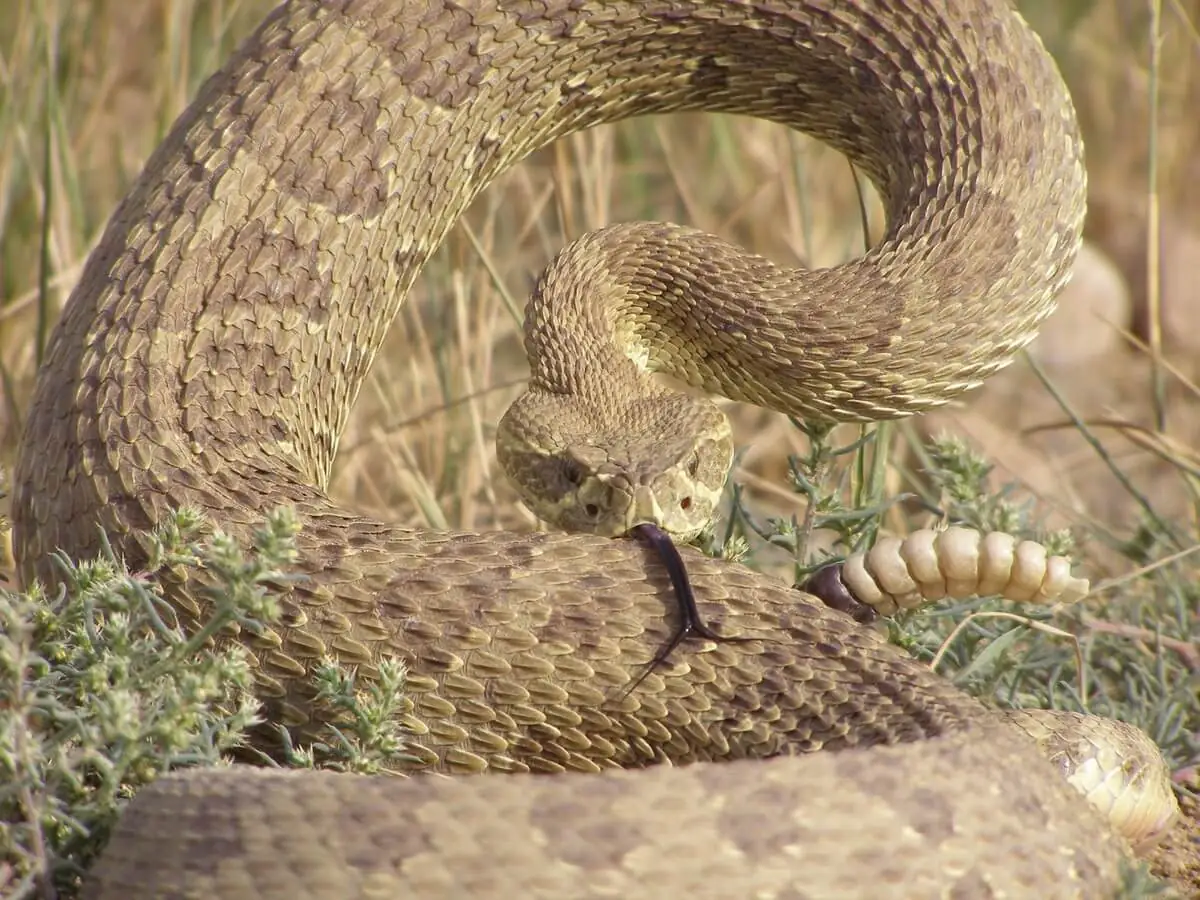
Snake bite first aid Arizona is critical knowledge for hikers, homeowners, and outdoor enthusiasts across the state.
Why Snake Bite First Aid Matters in Arizona
Arizona’s warm desert climate creates ideal conditions for snakes, particularly during spring, summer, and early fall.
- Most venomous bites in Arizona come from rattlesnakes
- Bites usually happen when someone accidentally steps near or tries to handle a snake
- Immediate first aid can reduce complications and improve recovery
Even though fatalities are rare, delayed or incorrect treatment can be dangerous.
How to Recognize a Venomous Snake Bite
Not all snake bites are venomous, but you should treat every bite seriously. “to understand dangerous species, read our guide on Venomous Snakes in Arizona”
Common signs of a venomous bite:
- Sharp pain at the bite site within minutes
- Swelling and redness spreading outward
- Two puncture marks (fang marks)
- Tingling or numbness
- Nausea or dizziness
- Difficulty breathing (in severe cases)
Important note:
- Some bites are “dry bites” (no venom injected)
- You cannot assume it’s harmless, always seek medical help
According to the Arizona Poison & Drug Information Center, immediate medical care is the most effective treatment for snake bites.
What to Do Immediately After a Snake Bite in Arizona
1. Stay Calm and Call for Help
- If you’re hiking or walking in areas like Phoenix, Tucson, or desert trails, try to stay as calm as possible after a bite.
- Panic can increase your heart rate, which may allow venom to spread faster through your bloodstream.
- Call 911 immediately or ask someone nearby to call for emergency help.
- If you’re alone, use your phone or emergency SOS feature right away.
2. Move Away from the Snake
- Carefully move to a safe distance to avoid a second bite.
- Do not try to catch, chase, or kill the snake — this is when many people get bitten again.
- Remember, medical teams do not need the snake to provide treatment.
3. Keep the Affected Area Still
- Try to limit movement as much as possible.
- Keep the bitten limb at heart level or slightly below.
- Avoid walking long distances — if possible, wait for help or have someone assist you.
4. Remove Tight Items Quickly
- Remove rings, watches, tight shoes, or clothing near the bite area.
- Swelling can begin within minutes and may make it difficult to remove these items later.
5. Clean the Wound Lightly
- If clean water is available, gently rinse the bite area.
- Do not scrub or apply pressure.
- Avoid using chemicals, alcohol, or trying to “wash out” venom — this does not help.
6. Wait for Emergency Services
- Stay as still and relaxed as possible while waiting for help.
- Monitor symptoms like swelling, dizziness, or difficulty breathing.
- Emergency responders in Arizona are trained to handle snake bites and will provide proper care quickly.
What NOT to Do After a Snake Bite in Arizona
Many outdated snake bite treatments are still widely believed, but they can actually make the situation worse and delay proper medical care. Knowing what to avoid is just as important as knowing what to do.
Avoid These Common Mistakes
Do NOT try to suck out the venom
This method does not remove venom and can increase the risk of infection or further tissue damage.
Do NOT try to suck out the venom
This method does not remove venom and can increase the risk of infection or further tissue damage.
Do NOT cut or slice the wound
Cutting the bite area can cause serious injury and bleeding without helping remove venom.
Do NOT apply ice or cold packs
Ice can reduce blood flow and may worsen tissue damage around the bite.
Do NOT use a tourniquet
Restricting blood flow can lead to severe complications, including permanent tissue damage or even limb loss.
Do NOT drink alcohol or caffeine
These can increase heart rate and circulation, which may allow venom to spread more quickly.
How Dangerous Are Snake Bites in Arizona?
Snake bites are serious but rarely fatal with proper care.
- Most victims recover fully with medical treatment
- Antivenom is highly effective when given early
- Children, elderly individuals, and pets are at higher risk
Reality check:
- Deaths are very rare in the U.S.
- Panic causes more harm than the bite itself in many cases
According to the Arizona Game & Fish Department, venomous snakes play an important role in the ecosystem and should be respected, not feared.
When Are Snake Bites Most Likely to Happen?
Understanding snake behavior helps prevent bites.
- Early morning and evening (cooler temperatures)
- Spring and summer (active season)
- Hiking trails, rocky areas, and deserts
- Around homes with rodents or shelter
Snake Bite Prevention Tips for Arizona Residents and Hikers
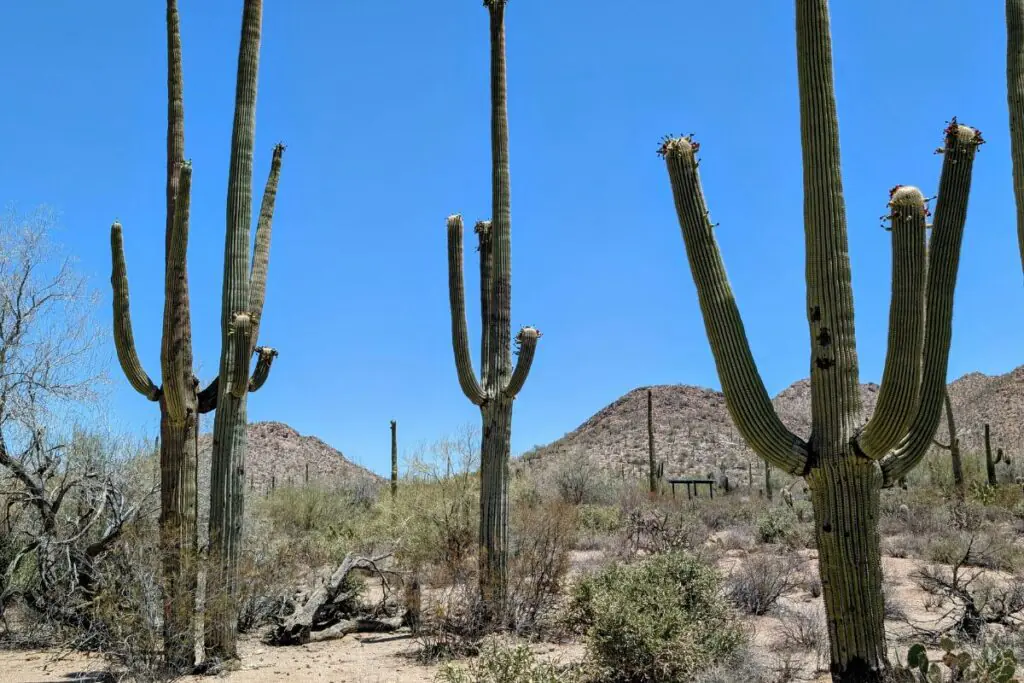
Preventing a snake bite is always easier and safer than dealing with an emergency. In Arizona, where desert trails, rocky terrain, and suburban edges overlap, simple habits can significantly reduce your risk.
Smart Safety Habits to Follow
- Wear proper footwear and clothing
Always wear closed-toe boots and long pants when hiking in desert or rocky areas. This provides a basic layer of protection against unexpected encounters. - Stay on marked trails
Avoid wandering off established paths, especially in areas with thick brush or loose rocks where snakes may be hidden. - Watch where you place your hands and feet
Never reach under rocks, logs, or into crevices without checking first. Rattlesnakes often rest in shaded, protected spaces. - Use a flashlight at night
In Arizona, snakes are often more active after sunset during hot months. A flashlight or headlamp helps you spot movement on trails or around your home. - Keep your yard clean and maintained
Remove debris, wood piles, and overgrown plants. These areas attract rodents, which in turn attract snakes. - Control rodent activity around your home
Snakes follow food sources. Reducing mice and rats around your property lowers the chance of snake activity. - Be extra cautious during warmer months
Spring and summer are peak snake activity seasons in Arizona, especially early morning and evening.
Extra Tip for Hikers
If you’re exploring popular areas near Phoenix, Tucson, or desert parks, always stay alert and avoid wearing headphones at high volume so you can hear warning sounds like a rattlesnake’s rattle.
Internal Safety Resource
For a complete guide on avoiding dangerous encounters, read our full article on Snake Safety Tips for Hikers.
Snake Bites Around Arizona Homes
Snake encounters near homes in Arizona are more common than many residents expect, especially in neighborhoods built close to desert areas. Snakes often enter yards while searching for food, shelter, or cooler temperatures during hot months.
Why Snakes Come Near Homes
Snakes are usually not looking for humans—they are attracted by their environment. Common reasons include:
- Rodents and small animals
Mice and rats are a primary food source. If your yard has rodent activity, it can attract snakes. - Water sources
Outdoor pet bowls, irrigation systems, or small water features can draw both prey and snakes. - Shade and shelter
Piles of wood, rocks, debris, or thick bushes provide ideal hiding spots, especially during Arizona’s extreme heat.
How to Reduce Risk Around Your Home
- Seal gaps and entry points
Close openings under gates, fences, and walls where snakes can enter. - Remove clutter and wood piles
Keep your yard clean and eliminate areas where snakes can hide. - Keep grass and vegetation trimmed
Short grass reduces cover for both snakes and rodents. - Consider installing snake fencing
In high-risk desert-edge areas, snake-proof fencing can provide added protection. - Reduce rodent activity
Secure trash, remove food sources, and maintain a clean yard to discourage prey animals.
When to Go to the Hospital After a Snake Bite
Always seek medical attention after a snake bite in Arizona—even if symptoms appear mild at first. Some effects can develop slowly and become serious over time.
Seek Emergency Care Immediately If:
- Swelling continues to spread around the bite area
- Pain becomes severe or worsens quickly
- You feel dizzy, weak, or lightheaded
- There are changes in breathing or vision
- The bite is from a known or suspected rattlesnake
What Happens at the Hospital
Medical professionals are trained to treat snake bites quickly and effectively. Treatment may include:
- Monitoring vital signs and symptoms
- Administering antivenom if necessary
- Managing pain and preventing complications
- Observation to ensure symptoms do not worsen
Prompt treatment in Arizona hospitals has a very high success rate, especially when care is received quickly.
Internal Resource
Not every snake you see is dangerous. To better understand harmless species in your area, read our guide on Non-Venomous Snakes in Arizona.
Snake bite First Aid Arizona
Frequently Asked Questions (FAQ)
Are snake bites common in Arizona?
Snake encounters are relatively common in Arizona, especially in desert and suburban-edge areas. However, actual snake bites are less frequent, and most can be treated successfully with quick medical care.
What should I do immediately after a snake bite?
Stay calm, limit movement, and call 911 immediately. Keep the affected area still and avoid any home remedies. Getting professional medical help quickly is the most important step.
Can a rattlesnake bite be fatal?
Fatalities are rare in Arizona due to modern medical treatment. Most people recover fully when they receive prompt care, including antivenom if needed.
How long do I have to get treatment after a snake bite?
You should seek medical help immediately. While symptoms may take time to develop, delaying treatment can increase the risk of complications.
Do all rattlesnakes inject venom?
Not always. Some bites are “dry bites,” meaning no venom is injected. However, you should always treat every bite as serious and seek medical care.
Are baby rattlesnakes more dangerous than adults?
This is a common myth. Adult rattlesnakes can inject more venom overall and are generally more dangerous than juveniles.
Final Thought
Snake bites in Arizona are serious—but manageable with the right knowledge. Staying calm, avoiding harmful myths, and getting medical help quickly can make all the difference.
If you spend time outdoors in Arizona, understanding snake bite first aid isn’t optional—it’s essential.
A snake bite in Arizona can be frightening, but knowing exactly what to do can save your life or someone else’s. Arizona is home to several venomous snakes—especially rattlesnakes—so quick, calm action is critical. This guide explains snake bite first aid in Arizona in a clear, practical way so you can respond correctly in an emergency.

Ravi Rathore is a field snake researcher and Arizona wildlife enthusiast who studies snake behavior, identification, and desert ecosystems. He focuses on helping hikers, homeowners, and outdoor explorers understand the difference between venomous and non-venomous snakes in Arizona. Through detailed guides and safety resources, he shares practical knowledge to help people stay safe while respecting native wildlife.