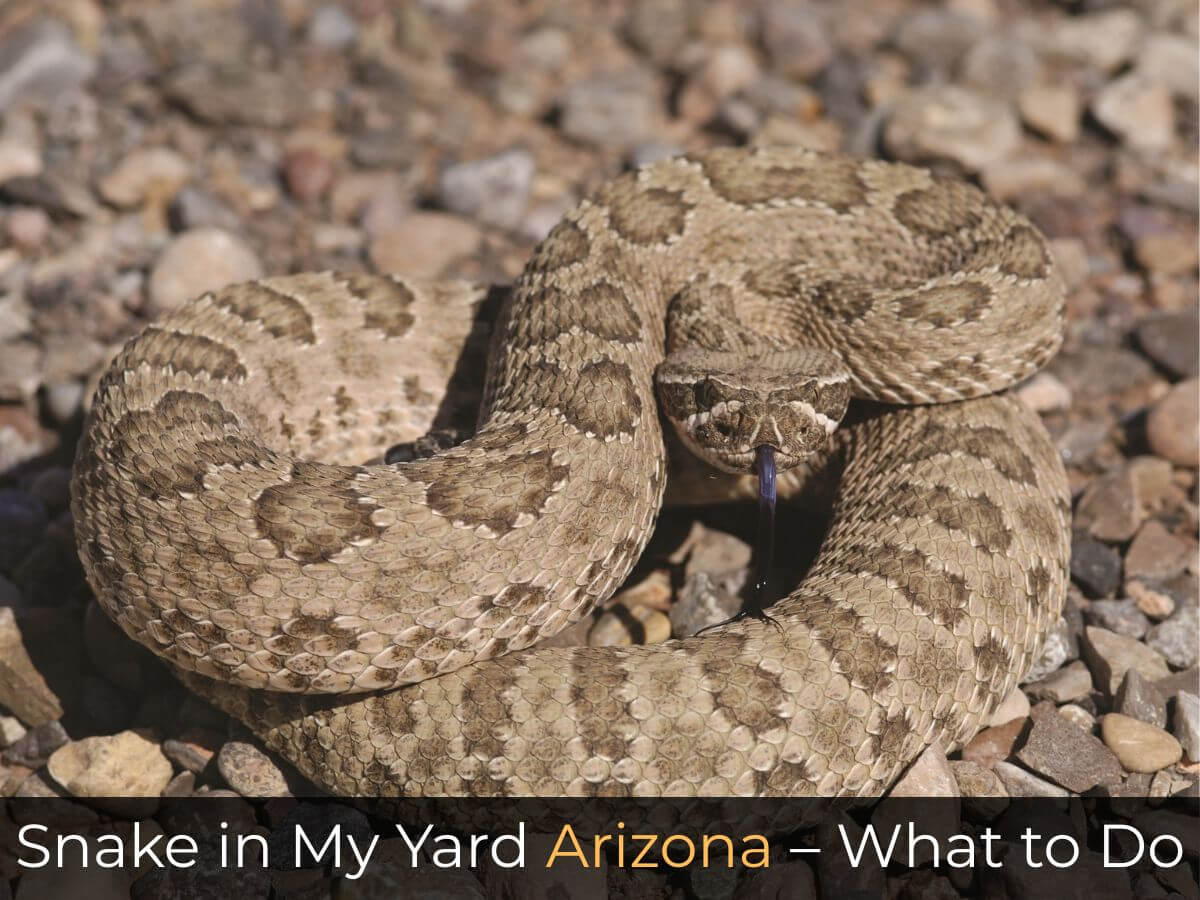
You Just Saw a Snake — Now What?
If you’re searching for snake in my yard Arizona what to do, chances are this isn’t just curiosity—you’ve either just seen one or you’re worried it might happen.
And that moment is something most Arizona homeowners never forget.
You step outside, maybe early morning or just before sunset. Everything feels normal until you notice something slightly off. A shape that blends too well with the ground. A slow movement near a rock, a bush, or along your wall. Then your brain catches up, and your stomach drops a little.
It’s a snake.
In Arizona, this situation is more common than people expect. Neighborhoods are built right next to desert habitats, and snakes don’t recognize property lines. To them, your yard is just another part of their environment.
So if you’re wondering snake in my yard Arizona what to do, the answer isn’t panic—it’s knowing exactly how to respond in a calm, controlled way.
If you’re searching for snake in my yard Arizona what to do, chances are you’re dealing with a real situation right now. While most snakes avoid humans, some can be dangerous, and knowing the warning signs matters. This guide on snake bite symptoms in Arizona explains what to look for if things go wrong.
The First 30 Seconds Matter More Than You Think
When people encounter a snake, their reaction usually falls into one of three categories: panic, curiosity, or confrontation.
None of these help.
The reality is, snakes don’t want trouble. But they will defend themselves instantly if they feel threatened. That means your reaction—especially in the first few seconds—can either keep the situation safe or turn it dangerous.
If you’ve spotted a snake, the best thing you can do is pause. Not freeze in fear, but stop yourself from making sudden, unpredictable movements. This gives you control of the situation.
From there, slowly step back. Keep your eyes on the snake without making aggressive movements. You’re not trying to scare it—you’re creating space.
And space is everything.
Many people assume snakes disappear during colder months, but that’s not always true. In Arizona, they can still be active depending on temperature. If you want a deeper understanding, this guide on rattlesnakes in winter in Arizona explains their behavior.
Why There’s a Snake in Your Yard in Arizona
Before you even think about what action to take, it helps to understand something important: the snake is not there by accident.
When people search snake in my yard Arizona what to do, they’re often focused only on removing the problem. But the real answer starts with understanding why the snake showed up in the first place.
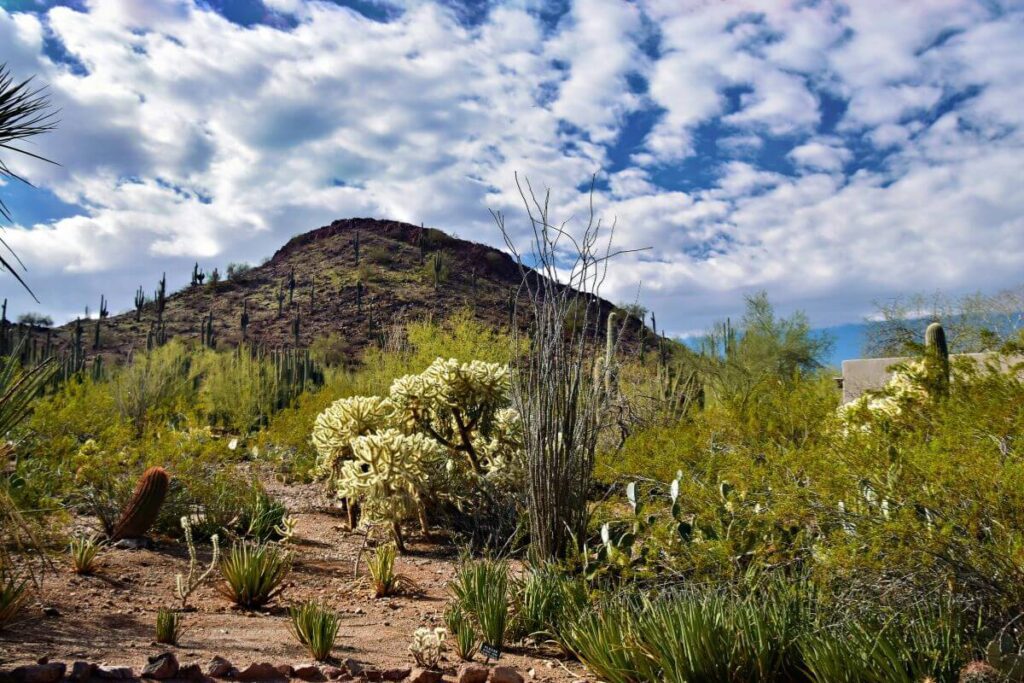
Arizona yards can unintentionally provide everything a snake needs.
Food is the biggest factor. Even if your yard looks clean, there may be small rodents, lizards, or insects present. Snakes don’t need a large food source—just enough to make it worth visiting.
Water is another powerful draw. In a dry climate, even something as simple as a dripping hose, a pet water bowl, or a small puddle from irrigation can attract wildlife.
Then there’s shelter. Snakes are experts at finding cool, hidden spaces. Rock landscaping, thick shrubs, wood piles, and even gaps near your home can offer perfect hiding spots.
When these three things come together—food, water, and shelter—your yard becomes part of a natural route for snakes.
Snakes don’t just appear randomly—they’re usually following food, water, or shelter. In many cases, they hide in places you don’t even notice. Understanding these areas can help a lot, and this breakdown of common rattlesnake hiding spots in Arizona shows exactly where they tend to stay.
Snake in My Yard Arizona What to Do — The Safe Step-by-Step Approach
Now let’s get into the exact steps you should follow. This is the part most people are really looking for when they search snake in my yard Arizona what to do, and it’s where small mistakes can make a big difference.
Step 1: Control Your Movement, Not the Snake
The instinct to react quickly is strong, but fast movements are what trigger defensive behavior.
Snakes rely heavily on vibration and motion. If you suddenly run, jump, or try to scare it, the snake may interpret that as a threat.
Instead, keep your movement slow and predictable. Shift your weight, take a step back, and give yourself distance.
This isn’t about bravery—it’s about control.
Step 2: Create Distance Immediately
Distance is your best protection.
A good rule is at least 6–10 feet, but more is always better. Some snakes can strike faster than you expect, especially if they feel cornered.
If the snake is close to your doorway, garage, or a path you need to use, don’t try to “sneak past it.” Go around, even if it takes longer.
No shortcut is worth the risk.
Step 3: Get Everyone Inside — Especially Pets
If there’s one mistake homeowners regret, it’s underestimating how quickly a pet can get into trouble.
Dogs are naturally curious and often react aggressively toward snakes. This puts them directly in danger, especially with venomous species.
When dealing with snake in my yard Arizona what to do, your priority should always be:
- Get children indoors
- Bring pets inside immediately
Don’t wait to “see what happens.” Act first.
Step 4: Observe, But Don’t Approach
It’s natural to want to know what kind of snake you’re dealing with. But trying to get closer for a better look is one of the biggest mistakes people make.
You don’t need perfect identification to stay safe.
From a distance, you might notice size, color, or behavior—but that’s enough. If there’s any doubt, treat the snake as potentially dangerous.
Safety doesn’t depend on knowing the exact species. It depends on keeping your distance.
Step 5: Do Nothing — And That’s Often the Best Move
This is the part that surprises people the most.
In many situations, the correct answer to snake in my yard Arizona what to do is actually… nothing.
Snakes are not looking to stay in your yard. They’re moving through, hunting, or resting. Once they feel safe or no longer have a reason to stay, they move on.
If you don’t disturb the snake, there’s a very high chance it will leave on its own.
And that’s the safest outcome for everyone.
Step 6: Know When to Call for Help
There are times when waiting isn’t the best option.
If the snake:
- Enters your home
- Stays in one place for a long time
- Is clearly in a high-risk area (near doors, play areas, etc.)
Then it’s time to call professionals.
Arizona has trained snake removal experts who deal with these situations safely. This isn’t overreacting—it’s the smart move.
Keeping your distance is critical because snakes can strike faster than most people expect. Many people underestimate how far they can reach, which leads to dangerous situations. This detailed explanation of rattlesnake strike distance in Arizona helps you understand the real risk.
What NOT to Do When You See a Snake
When people search snake in my yard Arizona what to do, they often don’t realize that avoiding the wrong actions is just as important as taking the right ones.
Never try to kill the snake. This is when most bites happen.
Never throw objects or try to scare it aggressively. This creates unpredictable behavior.
Never attempt to move it with tools or your hands. Even experienced handlers take risks doing this.
The moment you try to control the snake, you increase the danger.
If you want to reduce the chances of seeing a snake again, prevention is key. Simple changes like removing hiding spots and sealing entry points can make a big difference. This complete guide on snake proofing your yard in Arizona walks you through exactly what to do step by step.
How to Make Sure This Doesn’t Keep Happening
Once the situation is over, the next thought is usually: how do I stop this from happening again?
This is where long-term thinking matters.
If your yard keeps attracting snakes, it’s because something is drawing them in. Removing that attraction is the key.
Start by looking at your yard from a different perspective. Are there hidden areas where something could live? Are there water sources you don’t think about daily? Is there clutter that creates shade and shelter?
Cleaning up these factors doesn’t just reduce snake visits—it changes the entire environment.
Sealing small entry points around your home is another step many people overlook. Snakes don’t need large openings. Even small gaps can be enough.
For homeowners who want extra protection, installing proper snake fencing can create a reliable barrier.
Snake encounters are actually quite common in suburban areas, especially in places near desert edges. For example, residents often report sightings in growing neighborhoods, and this local guide on rattlesnakes in Chandler Arizona shows how frequently it happens.
When Snake Activity Is Highest in Arizona
Understanding timing helps reduce surprises.
Snake activity increases during warmer months, especially spring and early summer. During extreme heat, snakes become more active during cooler parts of the day—early morning and evening.
Rain, especially during monsoon season, can also increase movement.
If you’re aware of these patterns, you can adjust your routine—like being more cautious when stepping outside at certain times.
Weather also plays a big role. Many homeowners notice increased activity after storms, and there’s a reason for that. If you’ve seen more movement recently, this guide on why snakes come out after rain in Arizona explains what’s happening.
For accurate and up-to-date information on snake behavior and safety, it’s a good idea to refer to the Arizona Game and Fish Department. Their official resources provide trusted guidance on how to handle snake encounters, understand seasonal activity, and stay safe around wildlife in Arizona.
FAQ
1. What should I do if I find a snake in my yard in Arizona?
If you find a snake in your yard in Arizona, the most important thing is to stay calm and keep your distance. Do not try to touch or kill it. Move slowly away, bring pets and children inside, and give the snake space. In most cases, it will leave on its own without causing any harm.
2. Will a snake leave my yard on its own in Arizona?
Yes, in most situations, a snake will leave your yard on its own if it feels safe and is not disturbed. Snakes are not interested in staying near humans. They usually move on after resting or searching for food.
3. Are snakes in Arizona yards dangerous to humans?
Not all snakes in Arizona are dangerous. While the state does have venomous species like rattlesnakes, many snakes are harmless and avoid people. However, since it can be hard to identify them from a distance, it’s always safest to treat any snake as potentially dangerous.
4. What attracts snakes to my yard in Arizona?
Snakes are usually attracted to yards that offer food, water, and shelter. This can include rodents, pet food, standing water, thick bushes, or rock piles. If your yard has these elements, it may naturally attract snakes.
5. How do I keep snakes out of my yard in Arizona permanently?
To keep snakes out of your yard in Arizona, focus on removing what attracts them. Keep your yard clean, remove hiding spots like wood or debris, control rodents, fix water leaks, and seal any gaps around your home. Installing snake-proof fencing can also help for long-term prevention.
6. Do snakes come into houses in Arizona?
Yes, snakes can enter homes in Arizona, especially if there are small openings or gaps. They may come inside searching for food, water, or shelter. Sealing entry points and keeping doors closed can reduce this risk significantly.
7. What time of day are snakes most active in Arizona?
Snakes in Arizona are usually most active during early morning and late evening, especially in warmer months. During extreme heat, they avoid the daytime and move during cooler hours.
8. Should I kill a snake in my yard in Arizona?
No, you should not try to kill a snake in your yard. This is when most bites happen because the snake feels threatened. It is safer to leave it alone or call a professional if necessary.
9. Who should I call for snake removal in Arizona?
If a snake is inside your home or not leaving your yard, you can call local animal control or a professional snake removal service. These experts are trained to handle snakes safely without putting you at risk.
10. How can I tell if a snake is venomous in Arizona?
It can be difficult to tell if a snake is venomous without experience. Some venomous snakes, like rattlesnakes, may have a rattle or a thick body, but these signs are not always reliable. The safest approach is to keep your distance and assume the snake could be dangerous.
Final Thoughts
If you ever find yourself thinking snake in my yard Arizona what to do, remember this:
The situation feels intense, but it’s manageable.
You don’t need to act fast—you need to act smart.
Stay calm. Create distance. Keep your family and pets safe. And in most cases, let the snake do what it naturally does—move on.
With the right approach and a few changes to your yard, you can turn a stressful moment into something you know exactly how to handle.

Ravi Rathore is a field snake researcher and Arizona wildlife enthusiast who studies snake behavior, identification, and desert ecosystems. He focuses on helping hikers, homeowners, and outdoor explorers understand the difference between venomous and non-venomous snakes in Arizona. Through detailed guides and safety resources, he shares practical knowledge to help people stay safe while respecting native wildlife.