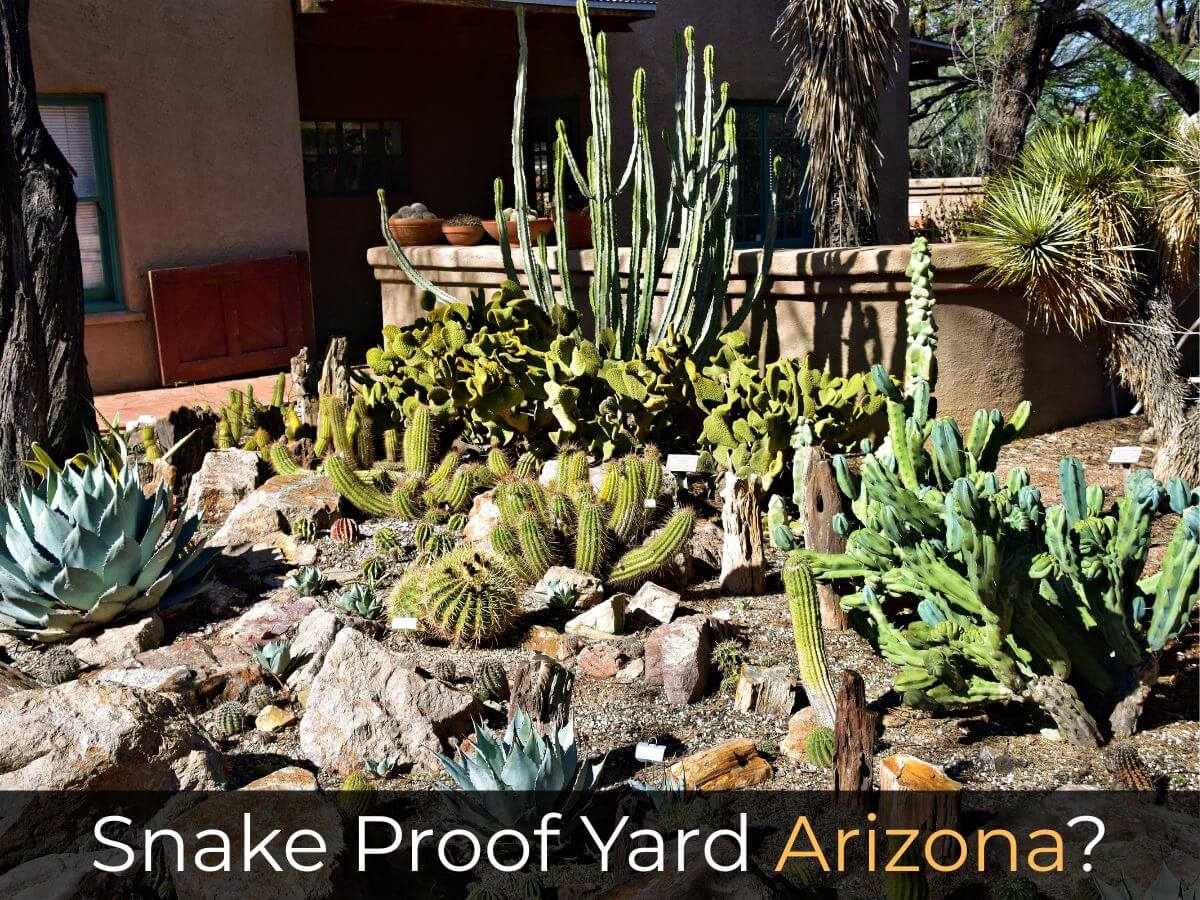
Living in a desert environment offers beautiful landscapes, warm weather, and peaceful outdoor spaces. However, it also means sharing your surroundings with native wildlife. One of the most common concerns for homeowners is how to deal with snakes, especially in areas close to natural desert land. Many residents actively search for ways to snake proof yard Arizona so they can enjoy their outdoor spaces without fear. The good news is that with the right strategies, it is absolutely possible to reduce snake activity and create a safer backyard environment.
Understanding why snakes enter residential areas is the first step. Snakes do not come looking for humans. They are simply searching for food, water, and shelter. When a yard provides these resources, it becomes attractive to wildlife. By making a few smart changes, homeowners can significantly reduce the chances of snake encounters.
Why Snakes Are Attracted to Yards in Arizona
Before learning how to protect your yard, it is important to understand what draws snakes into residential spaces. In most cases, snakes are following food sources. Rodents such as mice and rats are the primary prey for many desert snake species. If your yard has a rodent problem, it can naturally attract predators.
Shelter is another major factor. Snakes prefer cool, shaded, and hidden areas where they can rest during the day. Common hiding spots include wood piles, rock landscaping, dense bushes, and cluttered storage areas. Water sources such as leaking pipes, pet bowls, or irrigation systems can also attract both prey and snakes.
When homeowners understand these attraction factors, it becomes easier to remove them and begin to truly snake proof yard Arizona in an effective way.
Many homeowners don’t realize that simple environmental factors can attract wildlife. Understanding what attracts snakes to your yard in Arizona can help you fix the root cause and reduce future encounters.
Step 1: Eliminate Snake Hiding Spots
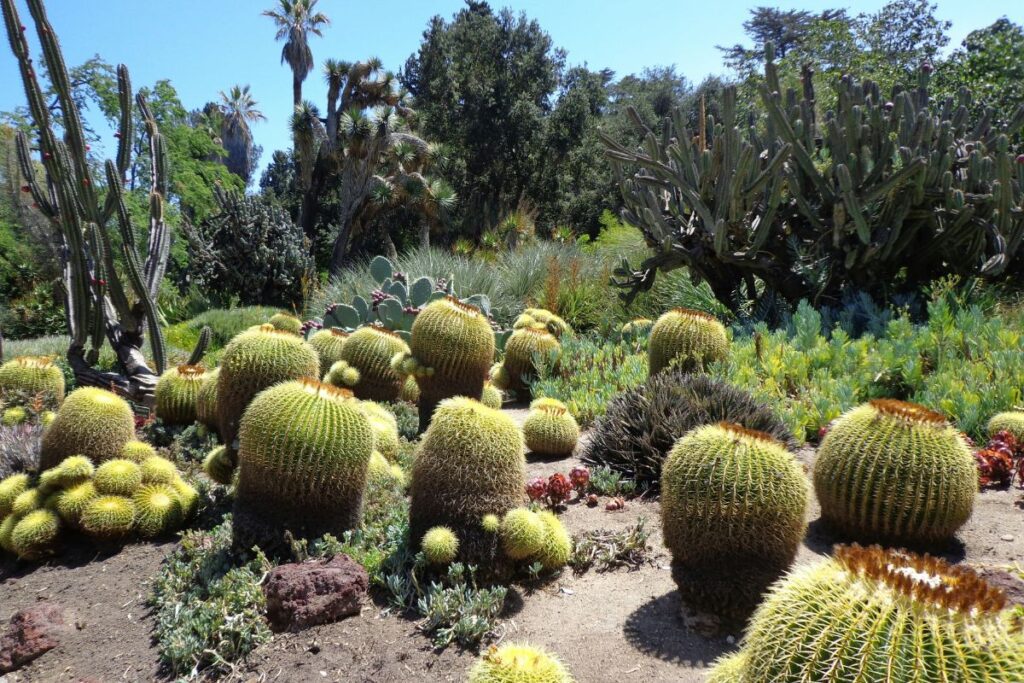
The first and most important step is removing potential shelter areas. Snakes rely heavily on hiding places to feel safe. Without shelter, they are less likely to stay in your yard.
Start by cleaning up clutter. Remove unused materials such as bricks, wood piles, or old furniture. Trim overgrown bushes and keep grass short. If you have decorative rock landscaping, try to reduce deep gaps where snakes can hide.
It is also helpful to create a clear border around your home. Keeping a gap of at least a few feet between plants and your house walls reduces the chance of snakes getting close to entry points.
Snakes often stay hidden during the day, especially in extreme heat. Learning about common rattlesnake hiding spots Arizona can help you identify risky areas in your yard and avoid accidental encounters.
Step 2: Control Rodents (Most Important Step)
If there is one thing you should focus on, it is rodent control. Snakes go where food is available. Eliminating rodents removes the main reason snakes enter your yard.
Keep trash bins sealed tightly. Avoid leaving pet food outside overnight. Clean up fallen fruits or seeds that may attract small animals. If needed, consider professional pest control services to manage infestations.
This step alone can make a huge difference in your efforts to snake proof yard Arizona.
Step 3: Install Snake-Proof Fencing
For homeowners in high-risk desert areas, installing snake-proof fencing is one of the most effective long-term solutions. This type of fencing is designed to prevent snakes from entering your property.
The fence should be made of fine mesh with no gaps larger than a quarter inch. It should be buried a few inches into the ground to prevent snakes from crawling underneath. The fence should also tilt outward slightly, making it difficult for snakes to climb over.
While installation requires effort and cost, it provides strong protection, especially for families with pets or children.
Step 4: Adjust Your Landscaping Strategy
Landscaping plays a major role in snake activity. Some designs unintentionally create perfect hiding environments.
Avoid dense ground cover plants that trap moisture and create shade. Instead, use open landscaping with gravel or short plants. Keep trees trimmed so they do not create heavy shade near the ground.
Try to maintain a balance between aesthetics and safety. A clean, open yard is less attractive to snakes compared to a cluttered, heavily planted one.
Step 5: Manage Water Sources Carefully
Water is a valuable resource in the desert. Even small amounts can attract wildlife. Fix leaking pipes, avoid overwatering plants, and empty standing water after rain.
Pet water bowls should be kept clean and placed in visible areas rather than hidden corners. Reducing water availability helps discourage both prey and predators.
Weather changes can influence snake movement patterns. You can read more about snakes after rain Arizona to understand why sightings increase after storms.
Step 6: Improve Outdoor Lighting
Lighting is an often overlooked but important factor. Snakes are more active at night, especially during hot months. Proper lighting helps homeowners see clearly and avoid stepping on hidden animals.
Use motion-sensor lights around entry points, pathways, and backyard areas. This not only improves safety but also reduces insect activity, which can indirectly attract prey.
Step 7: Protect Pets and Family Members
Pets are naturally curious and may approach snakes out of curiosity. Always supervise pets when they are outside, especially during early morning or evening hours.
Teach children basic safety rules, such as not touching unknown animals and staying away from bushes or rock piles. Awareness and education are key to preventing accidents.
Step 8: Seasonal Snake Prevention Tips
Snake activity changes throughout the year. During summer, snakes are more active at night. After rain, they may move more frequently due to cooler temperatures and flooded shelters.
Regular yard inspections after storms can help identify new hiding spots or signs of wildlife activity. Staying proactive throughout the year ensures better long-term results.
Common Mistakes Homeowners Make
Many people try ineffective methods such as chemical repellents or loud noise devices. These solutions rarely provide long-term results.
Another mistake is ignoring small gaps in fences or walls. Even small openings can allow snakes to enter. Consistency in maintenance is more effective than temporary fixes.
Comparison Table: Safe Yard vs High-Risk Yard
| Yard Type | Snake Attraction Level |
|---|---|
| Clean, open yard | Low |
| Rodent-infested yard | High |
| Cluttered storage areas | High |
| Well-lit outdoor space | Low |
| Dense landscaping | Moderate to high |
What To Do If You See a Snake in Your Yard
Finding a snake in your yard can be stressful, especially if you are not used to desert wildlife. The most important thing to remember is to stay calm and avoid sudden movements. Snakes do not chase humans and usually try to escape when they feel threatened.
Keep a safe distance and do not attempt to touch or kill the snake. Most bites happen when people try to handle or provoke it. Slowly back away and allow the snake to move away naturally. If the snake is in a high-risk area such as near your home entrance or where children play, it is best to contact local wildlife control professionals.
This simple response plan is a key part of how to effectively snake proof yard Arizona, because safety awareness is just as important as prevention.
Signs There May Be a Snake in Your Yard
Even if you do not see a snake directly, there are warning signs that may indicate snake activity nearby. Recognizing these signs early can help you take action before an encounter happens.
Look for shed snake skins in quiet areas like under bushes or near walls. These dry, transparent skins are often left behind as snakes grow. You may also notice unusual tracks in dusty soil, which appear as curved or wavy lines.
Another important sign is increased rodent activity. Since rodents attract snakes, their presence can indirectly signal a potential problem. Small holes in the ground, droppings, or chewed items should not be ignored.
Pets may also behave differently. Dogs may bark or avoid certain areas where they sense something unusual. Paying attention to these signals can help you maintain a safer yard environment.
In hot months, snakes become more active after sunset. Knowing about rattlesnake activity at night in Arizona is important for people who walk pets or spend time outdoors in the evening.
Common Mistakes That Attract Snakes
Many homeowners unknowingly make small mistakes that increase the chances of snake encounters. Avoiding these errors can significantly improve your efforts to snake proof yard Arizona.
One common mistake is leaving clutter in the yard. Items like wood piles, unused pots, or construction materials create perfect hiding spots. Another mistake is overwatering plants, which increases moisture and attracts prey animals.
Ignoring small gaps in fences or walls is also a major issue. Snakes can enter through surprisingly small openings. Keeping doors or garages open for long periods can also allow wildlife to enter.
Finally, relying only on chemical repellents is ineffective. These products rarely work long-term. Proper yard management is always the best solution.
For official safety tips and wildlife guidance, homeowners can follow recommendations provided by the Arizona Game and Fish Department. Their resources explain how to handle snake encounters safely and responsibly.
Best Time to Inspect Your Yard for Snakes
Regular inspection is one of the simplest ways to prevent snake problems. However, timing is important. The best time to check your yard is early morning or just before sunset when temperatures are moderate and visibility is good.
After rainfall is also a critical time. Snakes may move more during this period due to flooded burrows or increased prey activity. Walking around your yard and checking corners, storage areas, and shaded spots can help identify risks early.
Using a flashlight during evening inspections improves safety and visibility. Consistent checks make it easier to maintain a snake-safe environment.
Sometimes snakes may come closer to homes while searching for shelter or food. Understanding the reality of snakes in house Arizona can help you stay prepared and avoid panic situations.
Natural Balance: Why Snakes Still Matter
While many homeowners want to remove snakes completely, it is important to understand their role in the ecosystem. Snakes help control rodent populations, which can damage property and spread disease.
A balanced environment benefits everyone. Instead of trying to eliminate snakes entirely, the goal should be to reduce their presence near living spaces. This approach supports both safety and environmental health.
Learning to respect wildlife while maintaining boundaries is the best long-term strategy for desert living.
FAQ
How to snake proof yard Arizona effectively?
By removing shelter, controlling rodents, and using proper fencing.
Do snakes come into clean yards?
Less likely, but still possible.
Is snake fencing worth it?
Yes, especially in desert-edge homes.
What smells keep snakes away?
Natural prevention is more reliable than smells.
Do lights scare snakes?
They improve visibility for humans.
Can snakes climb fences?
Some can, but proper fencing prevents entry.
Are dogs at risk?
Yes, supervision is important.
Do snakes hide in grass?
Yes, especially if it is tall.
How often should yard be cleaned?
Regular maintenance is best.
Do snakes return to same yard?
Only if conditions remain attractive.
Are repellents effective?
Not very reliable.
Do pools attract snakes?
Water can attract prey.
Should I kill snakes?
No, keep distance and call professionals.
When are snakes most active?
Warm months and after rain.
Can snakes enter garages?
Yes, if doors are open or gaps exist.
Final Thoughts
Creating a safe outdoor space in the desert is completely possible with the right approach. By understanding snake behavior and taking consistent preventive steps, homeowners can successfully snake proof yard Arizona and reduce unwanted encounters. The goal is not to eliminate wildlife completely but to create an environment that is less attractive to snakes.
With proper yard maintenance, smart landscaping, and awareness, residents can enjoy their homes with confidence while respecting the natural desert ecosystem.

Ravi Rathore is a field snake researcher and Arizona wildlife enthusiast who studies snake behavior, identification, and desert ecosystems. He focuses on helping hikers, homeowners, and outdoor explorers understand the difference between venomous and non-venomous snakes in Arizona. Through detailed guides and safety resources, he shares practical knowledge to help people stay safe while respecting native wildlife.