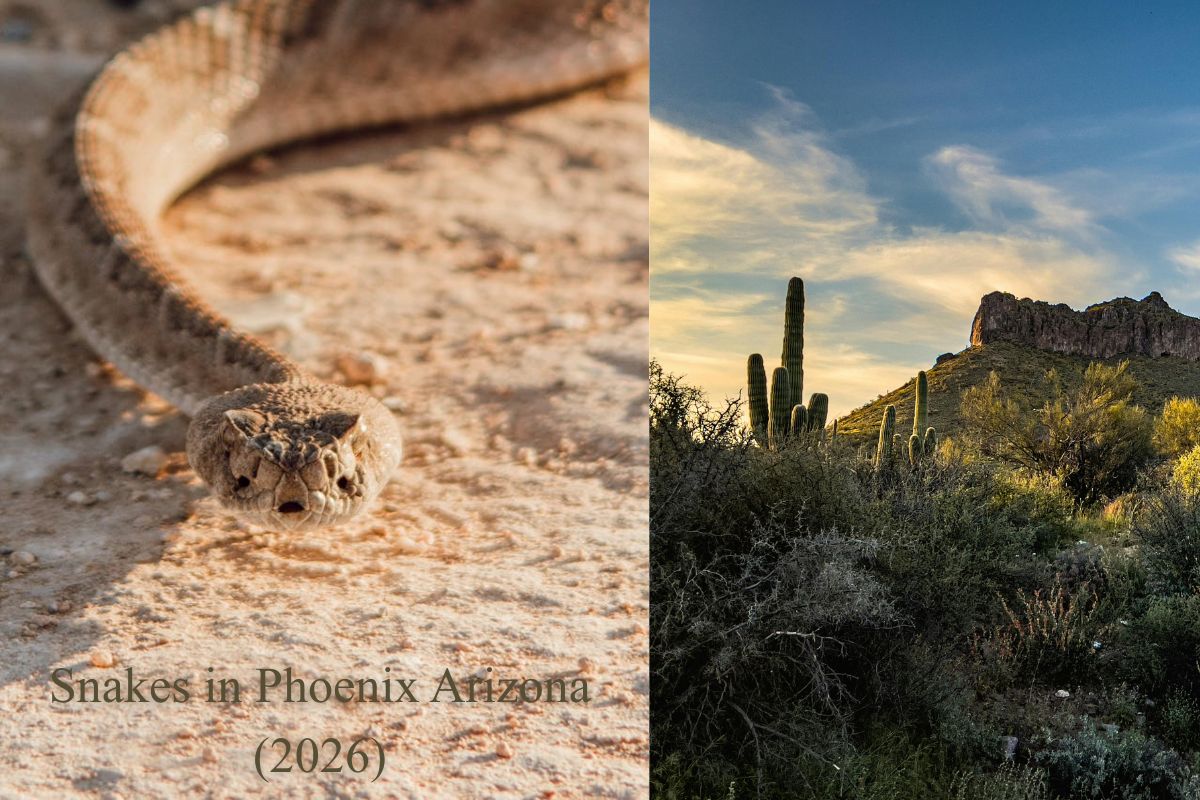
Snakes in Phoenix Arizona – If you live in Phoenix or plan to visit, you’ve probably wondered at some point: are snakes something I really need to worry about here?
It’s a fair question—and the honest answer is yes, snakes are part of everyday life in Phoenix. But that doesn’t mean danger is around every corner. In fact, most people go years without ever having a serious encounter.
The key difference between feeling anxious and feeling confident outdoors often comes down to understanding what’s actually out there.
Phoenix sits right in the Sonoran Desert, one of the richest desert ecosystems in North America. That means snakes aren’t just present—they’re part of the natural balance that keeps everything functioning. Once you understand how they behave, where they live, and what attracts them, they become far less mysterious—and far less threatening.
If you spend time outdoors, don’t miss our detailed Snake Safety Tips for Hikers to reduce your risk on trails.
Why Phoenix Has So Many Snakes (And Why That’s Normal)
It might seem surprising that a major city like Phoenix has such an active snake population, but when you look at the environment, it makes perfect sense.
The Sonoran Desert provides everything snakes need:
- Long warm seasons that support activity nearly year-round
- A steady supply of food like rodents, birds, and lizards
- Natural shelter in rocks, cactus patches, and burrows
- Expanding neighborhoods that overlap with wild habitat
As Phoenix continues to grow outward, new homes are often built right next to undeveloped desert land. That creates a shared space where people and wildlife—including snakes—naturally cross paths.
This doesn’t mean snakes are “invading” neighborhoods. It usually means we’ve built closer to where they already lived.
According to the Arizona Game & Fish Department, snakes play an important role in controlling rodent populations and maintaining balance in the desert ecosystem.
The Most Common Snakes You’ll See in Phoenix
Not all snakes are dangerous—and this is one of the most important things to understand. In fact, most snakes you’ll encounter are completely harmless.
Let’s go through the ones people see most often.
Western Diamondback Rattlesnake (Crotalus atrox)
This is the snake most people picture when they think of Arizona.
It has a thick, muscular body with bold diamond patterns along its back and a distinctive black-and-white banded tail. When threatened, it produces the classic rattling sound—but interestingly, it doesn’t always rattle before striking.
What makes this snake important isn’t just its venom—it’s how commonly it overlaps with human areas. You’ll find it along hiking trails, rocky hillsides, and sometimes even near suburban neighborhoods that border the desert.
That said, it’s not aggressive. Most bites happen when someone accidentally steps too close or tries to interact with it.
If you want a deeper understanding of dangerous species, check our complete guide on Venomous Snakes in Arizona, where we break down each species in detail.
Mojave Rattlesnake (Crotalus scutulatus)
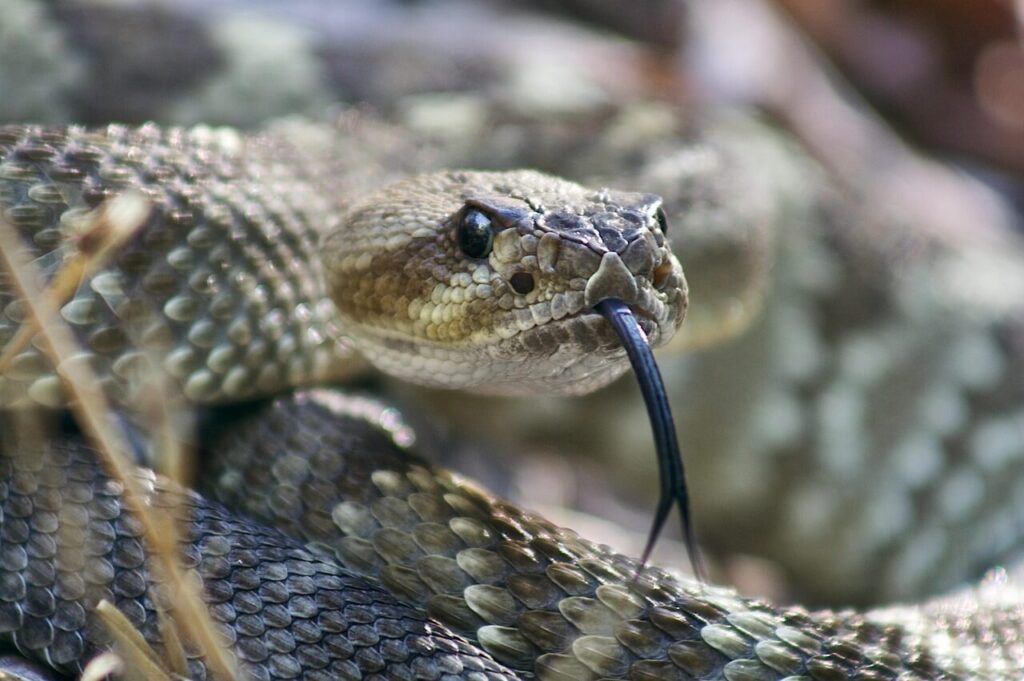
This one doesn’t get as much attention, but it’s often considered more dangerous.
At first glance, it looks similar to the diamondback, but it usually has a subtle greenish tint. The real difference is in its venom, which can affect both tissue and the nervous system.
Encounters are less common, but awareness matters. Most people wouldn’t be able to tell the difference in the moment—and that’s why all rattlesnakes should be treated with the same level of caution.
Sidewinder Rattlesnake (Crotalus cerastes)
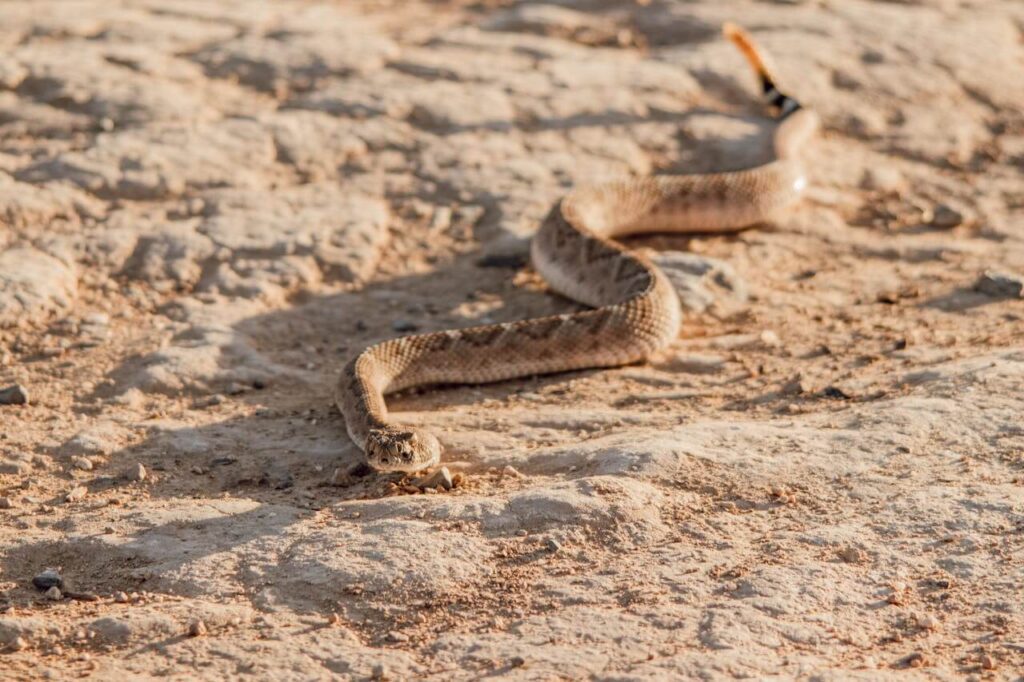
If you’ve ever seen strange S-shaped tracks in the sand, you’ve probably seen signs of a sidewinder.
This smaller rattlesnake moves sideways to handle loose desert sand and extreme heat. It also has small horn-like scales above its eyes, giving it a unique look.
They’re less likely to be seen in busy neighborhoods but are common in open desert areas around Phoenix.
Gopher Snake (Pituophis catenifer)
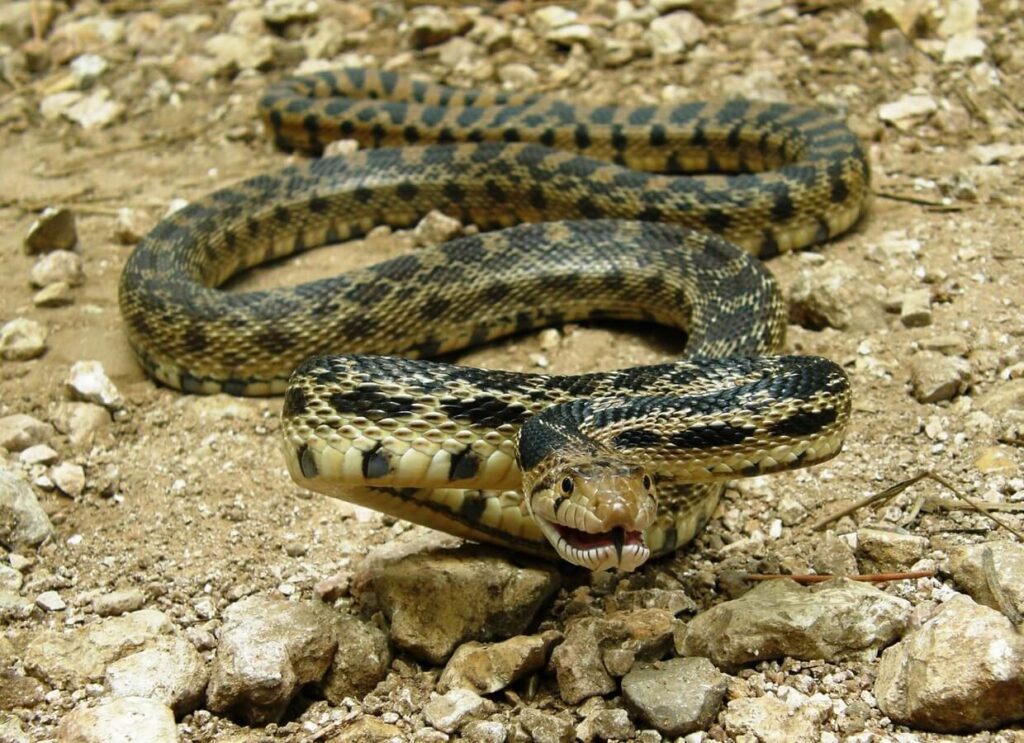
This is where many people get confused.
Gopher snakes are completely non-venomous, but they can mimic rattlesnake behavior—flattening their heads, hissing loudly, and even vibrating their tails.
It’s a defensive act, not a sign of danger.
They’re actually helpful to have around because they control rodent populations. If you see one, it’s usually best to leave it alone and let it continue doing its job.
Not every snake you see is dangerous—learn how to identify harmless species in our guide to Non-Venomous Snakes in Arizona.
Kingsnake (Lampropeltis getula)
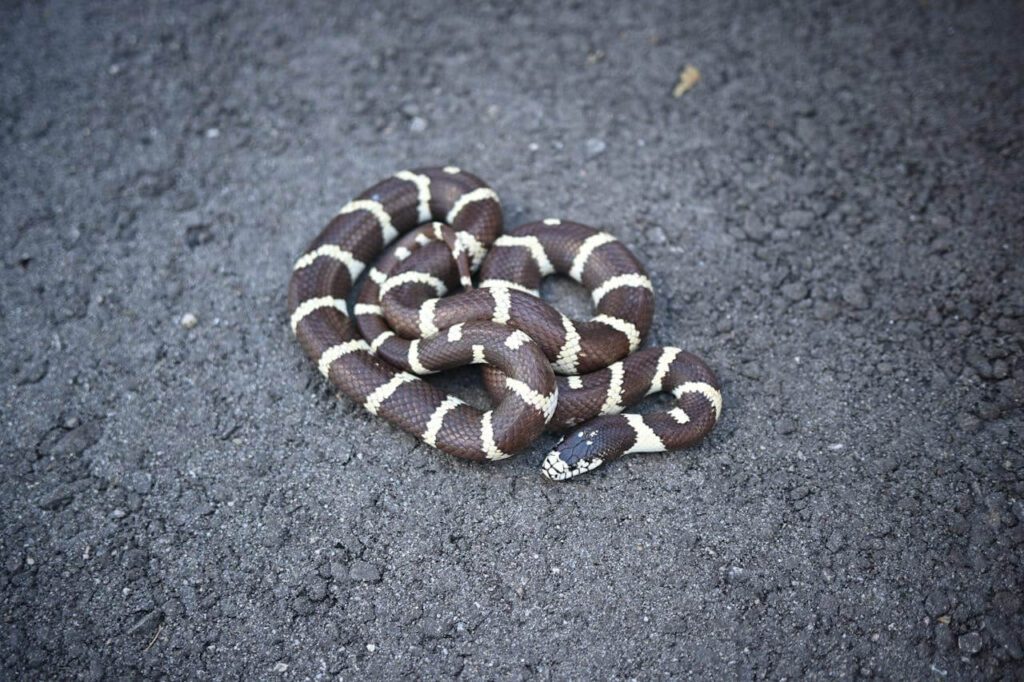
Kingsnakes are one of the most beneficial snakes in the Phoenix area.
They’re easy to recognize with their black bodies and white or yellow bands. What makes them especially interesting is their diet—they actually eat other snakes, including rattlesnakes.
That means seeing a kingsnake around your property is usually a good sign.
When You’re Most Likely to See Snakes in Phoenix
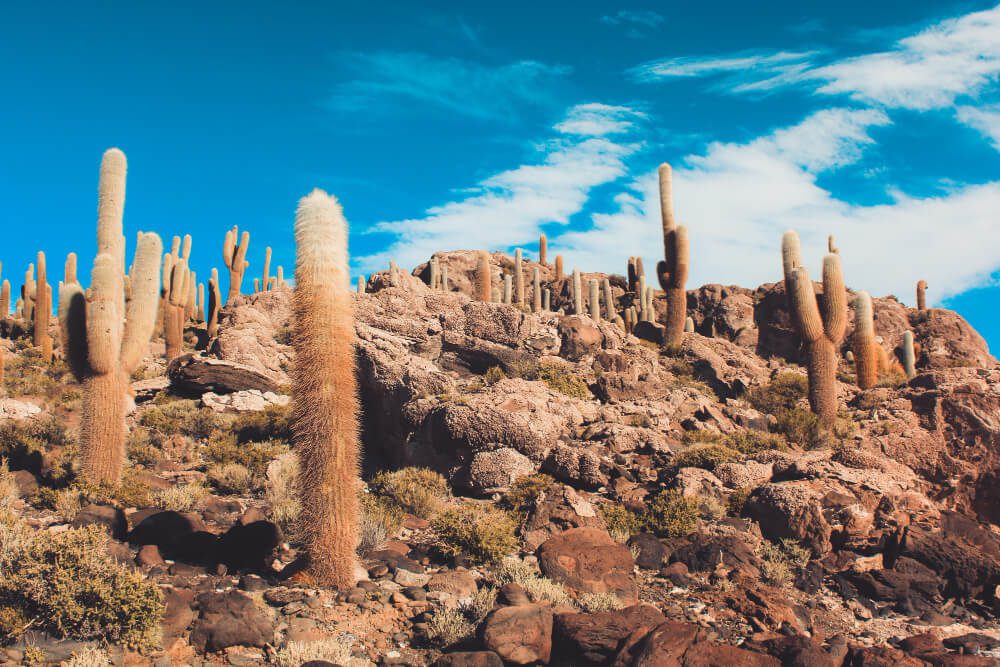
Snake activity in Phoenix isn’t random—it follows temperature patterns very closely.
In spring, as the desert begins to warm up, snakes become highly active after spending winter hidden in burrows or rock crevices. This is when most daytime sightings happen, especially in the morning.
Summer is different. The extreme heat pushes snakes to become nocturnal. You’re more likely to see them after sunset, when sidewalks, driveways, and yards still hold warmth from the day.
Fall brings another wave of activity as temperatures become comfortable again. Snakes take advantage of this time to hunt and prepare for winter.
By winter, most snakes enter a resting state called brumation. They’re still alive but remain hidden and inactive for long periods.
Understanding this pattern helps explain why people sometimes feel like snakes “suddenly appear”—when in reality, they’re just following seasonal behavior.
Where Snakes Tend to Hide Around Phoenix
Snakes don’t wander aimlessly. They choose locations that provide protection, shade, and access to food.
In the Phoenix area, that often includes:
- Rocky hillsides and hiking trails
- Desert preserves and mountain parks
- Thick bushes and cactus clusters
- Dry riverbeds and drainage channels
- Backyards with shade, water, or rodent activity
In residential areas, they’re usually passing through—not settling in permanently. But if a yard provides the right conditions, they may return.
What a Real Snake Encounter Feels Like (And How to React)
Most advice online sounds mechanical. But real encounters aren’t.
Imagine you’re walking a trail early in the morning. You hear a faint rattle or notice movement near your foot. Your first reaction is usually surprise—not calm thinking.
That’s why the most important thing is simple awareness.
Instead of reacting suddenly, pause and give yourself a second to understand what you’re seeing. Snakes rely on defense, not attack. If you create space, they almost always choose to move away.
The goal isn’t to “handle” the situation—it’s to avoid escalating it.
Why Snakes Show Up Around Homes in Phoenix
When snakes appear near homes, there’s usually a reason.
They’re not randomly choosing houses—they’re following conditions that attract them.
That often includes:
- Rodents living in or around the property
- Water sources like irrigation or pet bowls
- Cool shaded areas during hot days
- Clutter such as wood piles or debris
If those conditions are removed, the chances of repeat sightings drop significantly.
Snake Bite Risk: What People Get Wrong
One of the biggest misconceptions is that snake bites are common and frequently deadly.
In reality, both are rare.
Most bites happen when someone tries to:
- Pick up a snake
- Kill it
- Get too close for a photo
In other words, the risk usually comes from human behavior—not the snake.
Modern medical treatment in Arizona is highly effective. Serious outcomes are uncommon when care is received quickly.
In case of an emergency, it’s important to know exactly what to do – read our full guide on Snake Bite First Aid Arizona for step-by-step help.
Why Snakes Matter More Than You Think
It’s easy to see snakes as a threat, but they play an essential role in the environment.
Without them, rodent populations would grow rapidly, affecting homes, agriculture, and even disease control.
Snakes are part of a system that keeps the desert balanced. Removing them completely would create more problems than it solves.
FAQ
Are snakes common in Phoenix Arizona?
Yes, especially near desert areas, but most are harmless and avoid people.
What is the most dangerous snake in Phoenix?
The Mojave rattlesnake is often considered the most dangerous due to its venom.
Do snakes enter homes in Phoenix?
It’s rare, but possible if there are openings or strong attractants like food or shelter.
What time are snakes most active?
Morning and evening in cooler months, nighttime in summer.
Should I kill a snake if I see one?
No. It increases risk. It’s safer to leave it alone or contact professionals.

Ravi Rathore is a field snake researcher and Arizona wildlife enthusiast who studies snake behavior, identification, and desert ecosystems. He focuses on helping hikers, homeowners, and outdoor explorers understand the difference between venomous and non-venomous snakes in Arizona. Through detailed guides and safety resources, he shares practical knowledge to help people stay safe while respecting native wildlife.