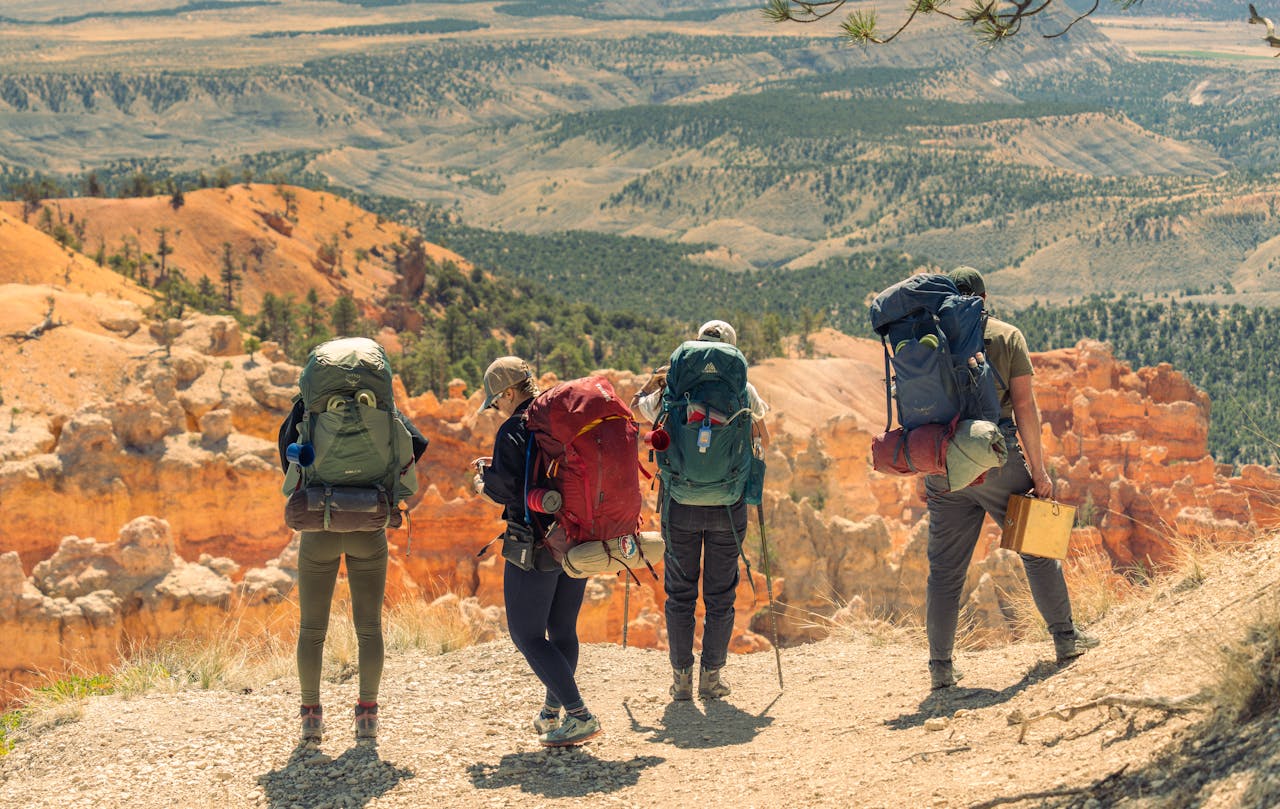
What to Do If You See a Snake While Hiking in Arizona – Hiking in Arizona offers stunning desert views, red rock canyons, and unique wildlife you won’t see anywhere else in the United States. But with that beauty comes a natural concern many hikers share: snakes on the trail.
If you spot a snake while hiking, your reaction in the next few seconds matters more than anything. The good news? Most snake encounters end safely when people know what to do — and what NOT to do.
This guide will walk you through exact steps, safety tips, and real-life scenarios so you can enjoy Arizona’s trails with confidence instead of fear.
First: Don’t Panic — Most Snakes Don’t Want to Bite
Snakes are not aggressive hunters of humans. In fact:
- Snakes bite mainly in self-defense
- Most bites happen when someone tries to touch, move, or kill a snake
- Many Arizona snakes are non-venomous and harmless
Even venomous snakes like rattlesnakes prefer to warn you before striking.
Example:
A hiker near Phoenix once froze when hearing a rattle. Instead of running, he slowly stepped back. The rattlesnake stayed coiled and never chased. That’s typical snake behavior.
Step 1: Stop Immediately
If you see a snake ahead on the trail:
- Stop walking
- Stay at least 6 feet (2 meters) away
- Do not make sudden movements
Snakes rely on vibration and motion detection. Sudden steps toward them can trigger a defensive strike.
Why this matters:
Most snake bites happen when people accidentally step too close.
Step 2: Identify From a Safe Distance
You don’t need to be a snake expert, but noticing a few features helps you judge risk.
Signs it might be a rattlesnake
- Thick, heavy body
- Triangle-shaped head
- Rattle sound (buzzing)
- Coiled defensive posture
Signs it may be non-venomous
- Long, slender body
- No rattle sound
- Tries to escape quickly
Important: Never get closer just to identify it. Distance is safety.
Step 3: Slowly Back Away
The Safest move is simple:
➡ Take slow, quiet steps backward
➡ Keep eyes on the snake
➡ Give it room to escape
Snakes strike only about half their body length, so distance is your best protection.
Do NOT:
- Jump backward suddenly
- Turn and run blindly (you could trip)
- Throw rocks or sticks
Why Running Is Dangerous
Running might feel natural, but it can cause:
- Falls on rocky trails
- Stepping on another hidden snake
- Twisting an ankle in panic
Staying calm keeps you safer than speed.
What If the Snake Is Blocking the Trail?
This is common on warm days when snakes sunbathe on open paths.
Best choice:
✔ Wait quietly from a distance
✔ Most snakes move away within a few minutes
If it doesn’t move:
✔ Slowly detour around it with wide space
✔ Never try to poke it off the trail
Remember, you are a visitor in their habitat.
What If You’re Hiking With a Dog?
Dogs are at higher risk because they are curious and move fast.
If you see a snake:
- Immediately call your dog back
- Put the dog on a short leash
- Move away slowly
Tip: Many Arizona hikers use rattlesnake avoidance training for dogs — it teaches them to recognize the sound and smell of snakes.
What If You’re With Kids?
Children may want to look closer.
Teach them this rule before hiking:
“If you see a snake, freeze and call an adult.”
Make sure they:
- Stay behind you
- Never try to take pictures up close
- Don’t throw rocks
Is It Safe to Take a Picture?
Only if:
✔ You are far away
✔ You use zoom
✔ The snake is not moving toward you
Never crouch close for a “cool shot.” Many snakebite victims were trying to take photos.
When Snake Encounters Are More Likely
Knowing timing helps you stay alert.
Snakes are most active:
- Spring (March–May)
- Early morning and evening
- After monsoon rains
- On warm rocks or trails
They avoid extreme midday heat but may still be out on cooler summer mornings.
How to Reduce Your Risk Before You Even See a Snake
Preparation prevents problems.
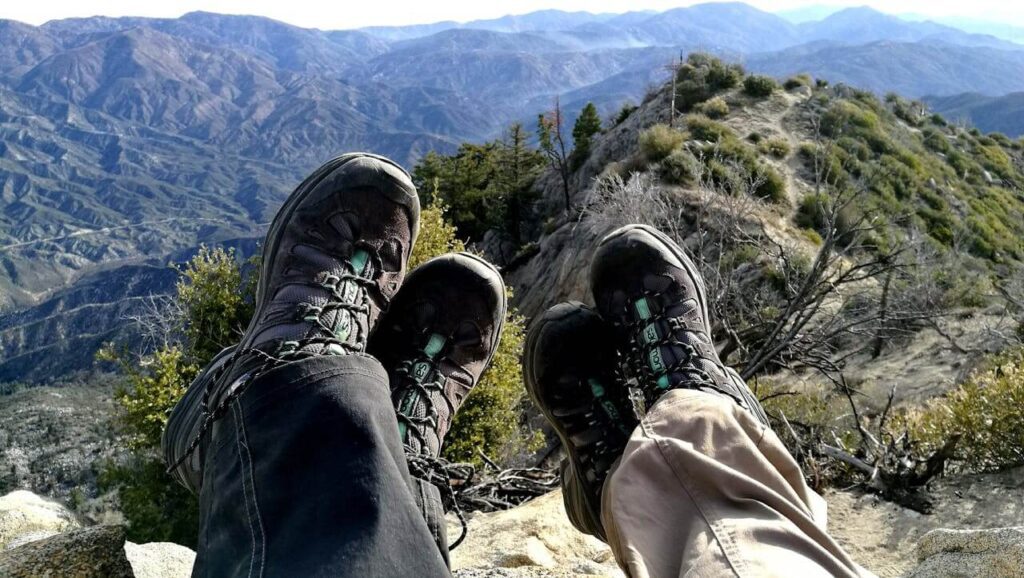
Wear the right gear
- Thick hiking boots
- Long pants
- Avoid sandals in desert areas
Stay on the trail
Snakes hide under:
- Rocks
- Bushes
- Logs
Stepping off-trail increases risk.
Use a flashlight at night
Snakes are harder to see in low light.
What NOT to Do During a Snake Encounter
This is where many people make mistakes.
- Don’t try to kill the snake
- Don’t throw rocks
- Don’t use a stick to move it
- Don’t attempt to pick it up
- Don’t corner it for a better look
These actions cause most snake bites in the U.S.
What If a Snake Actually Bites Someone?
Snake bites are rare, but knowing what to do can save a life.
DO:
- Stay calm
- Call 911 immediately
- Keep the bitten limb still and below heart level
- Remove tight jewelry or boots
- Get to medical help fast
DO NOT:
- Do NOT cut the wound
- Do NOT suck out venom
- Do NOT use a tourniquet
- Do NOT apply ice
Modern hospitals in Arizona are well-equipped with antivenom.
Real-Life Scenario Example
Situation:
You’re hiking near Sedona in April. You turn a corner and see a coiled snake on the trail, buzzing loudly.
Correct response:
- Stop immediately
- Take two slow steps back
- Wait quietly
- Snake slowly uncoils and moves into brush
- Continue hiking once path is clear
No panic. No injury. Just awareness.
Why Snakes Matter in Arizona’s Ecosystem
Snakes play a vital role by controlling rodent populations. Without them:
- More mice and rats
- More crop damage
- More disease spread
Respecting wildlife keeps nature balanced.
Quick Safety Checklist Before Every Hike
- Wear boots
- Watch where you step
- Don’t reach into rock crevices
- Keep pets leashed
- Stay calm if you see a snake
For updated wildlife guidance and snake activity information, always refer to official resources like the Arizona Game & Fish Department and the Centers for Disease Control and Prevention (CDC) for medical safety recommendations.
What to Do If You See a Snake While Hiking in Arizona
FAQ: Snake Encounters on Arizona Trails
Q: Do snakes chase people?
No. Snakes may move in your direction if they’re trying to escape, but they do not hunt humans.
Q: Are baby rattlesnakes more dangerous?
They can still deliver venom, but they are not more aggressive than adults.
Q: Should I carry a snake bite kit?
Modern medical experts recommend calling emergency services instead of using outdated kits.
Final Thoughts
Seeing a snake on an Arizona trail can be surprising, but it doesn’t have to be scary. Most encounters end peacefully when hikers:
- Stay calm
- Keep their distance
- Respect wildlife
Arizona’s trails are meant to be enjoyed. With awareness and simple precautions, you can hike safely and confidently in snake country.
I

Ravi Rathore is a field snake researcher and Arizona wildlife enthusiast who studies snake behavior, identification, and desert ecosystems. He focuses on helping hikers, homeowners, and outdoor explorers understand the difference between venomous and non-venomous snakes in Arizona. Through detailed guides and safety resources, he shares practical knowledge to help people stay safe while respecting native wildlife.