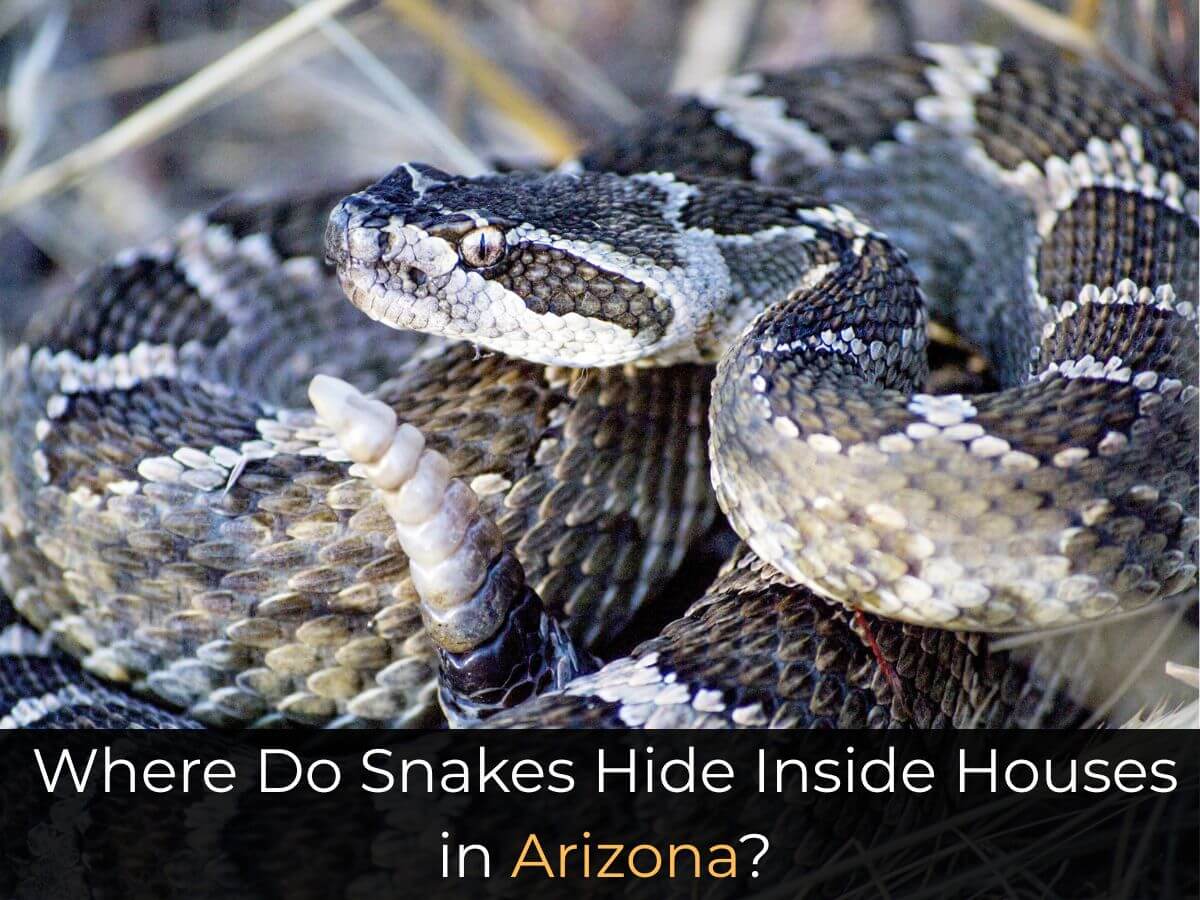
If you’ve ever worried about snakes getting into your home, one question quickly becomes unavoidable: where do snakes hide inside houses in Arizona? It’s not just about seeing a snake anymore – it’s about not knowing where it might be hiding.
That uncertainty is what makes the situation feel more stressful.
In Arizona, snake encounters are not uncommon because of the desert environment. Most of the time, snakes stay outside. But under the right conditions – especially heat, food, or shelter – they can make their way indoors. And when they do, they don’t stay out in the open. They look for places where they feel safe, hidden, and undisturbed.
Understanding these hiding spots is the key to staying calm and handling the situation the right way.
Do Snakes Actually Hide Inside Homes?
Yes, they do – but not in the way most people imagine.
Snakes don’t enter homes looking to interact with people. They enter because they are searching for something they need – usually a cooler place, a quiet shelter, or sometimes food.
Once inside, their instinct is to stay hidden.
They don’t roam around like pets. They stay still, quiet, and tucked away in places where they won’t be noticed. That’s why many indoor snake encounters happen by surprise.
Why Snakes Choose to Hide Indoors
To understand where snakes hide, you need to understand why they hide at all.
Snakes are naturally defensive animals. They avoid confrontation and rely on camouflage and stillness to stay safe.
Inside a house, they are likely to hide for three main reasons:
1. Safety
They want to avoid humans, pets, and any disturbance.
2. Temperature Control
Arizona heat can be extreme. Indoor spaces often provide cooler, more stable conditions.
3. Shelter
Tight, enclosed spaces make snakes feel secure.
If your home offers these conditions, it can unintentionally become a temporary hiding place.
Most Common Snake Hiding Spots Inside Houses
This is the most important part—because these are the places you should actually check.
Under Beds
Beds provide a perfect hiding spot. The area underneath is dark, quiet, and rarely disturbed. Snakes can stay there without being noticed for long periods.
Behind Furniture
Large furniture like sofas, cabinets, and dressers often sit against walls with small gaps behind them. These spaces are ideal for snakes to hide.
Inside Closets
Closets are one of the most common indoor hiding spots. They are enclosed, dark, and filled with items that create additional cover.
Laundry Rooms
Laundry areas are often warm, humid, and less frequently visited. Snakes may hide behind washing machines or in corners.
Bathrooms
Bathrooms can attract snakes because of moisture and cooler surfaces like tiles. Areas behind toilets or under sinks can become hiding spots.
Garages
Garages are one of the most common entry points and hiding areas. If you’ve already dealt with this situation, you may have seen how easily snakes can stay hidden in cluttered spaces.
Kitchen Corners and Cabinets
Although less common, snakes can hide in lower cabinets or behind appliances where it’s warm and quiet.
Storage Boxes and Containers
Boxes, bins, and stored items create perfect cover. Even a slightly open container can become a hiding spot.
Many of these indoor hiding spots are similar to where snakes stay outside as well. If you want to understand their behavior better, this article on common rattlesnake hiding spots in Arizona explains where they typically live in natural environments.
Hidden Places Most People Miss
Even careful homeowners can overlook certain areas.
Behind Appliances
Refrigerators, ovens, and water heaters often have space behind them. These areas are rarely checked and provide warmth and shelter.
Inside Wall Gaps
Small openings in walls or near pipes can allow snakes to hide partially inside structures.
Near Water Heaters
Warmth attracts snakes, especially during cooler nights.
Ceiling or Attic Spaces (Rare)
While not common, some snakes can access higher areas through gaps or vents.
Garages are one of the most common places where snakes are first spotted before moving further inside. If you’ve experienced this, this guide on snakes in garage Arizona explains why it happens and how to handle it.
Signs a Snake Might Be Hiding in Your House
You won’t always see a snake directly. But there are signs to watch for.
- Shed snake skin
- Unusual droppings
- Pets acting alert or nervous
- Strange movement sounds
- Sudden disappearance of rodents
These signs don’t always mean a snake is present – but they’re worth paying attention to.
If you’re unsure whether a snake is present, understanding potential risks is important. This guide on snake bite symptoms in Arizona explains what to watch for and when to take action.
What To Do If You Think a Snake is Inside
This is where your response matters the most.
First, stay calm. Panic leads to mistakes.
Do not start searching aggressively or moving things around blindly. This can push the snake deeper into hiding or provoke it.
Instead:
- Keep distance from suspected areas
- Keep children and pets away
- Close off the room if possible
- Call a professional if you’re unsure
Snakes prefer escape over confrontation. In many cases, they will leave if given a clear path.
How Snakes Usually Get Inside Homes
Understanding entry points helps you prevent future problems.
Common entry points include:
- Gaps under doors
- Cracks in walls or foundations
- Open vents
- Garage openings
- Spaces around pipes
Snakes don’t need large openings. Even small gaps can be enough.
How to Prevent Snakes from Hiding Indoors
This is the most important long-term solution.
Start by sealing entry points. Check doors, walls, and any openings carefully.
Reduce clutter inside your home. The fewer hiding spots available, the less likely a snake will stay.
Control rodents. If there’s no food source, snakes have no reason to stay.
Keep storage areas organized. Avoid messy piles of items.
Regularly inspect less-used areas like garages, closets, and corners.
Small changes make a big difference.
Prevention always starts from outside your home. If your yard attracts snakes, they’re more likely to enter your house as well. This complete guide on snake proofing your yard in Arizona shows how to reduce that risk effectively.
Arizona-Specific Factors You Should Know
Arizona’s environment plays a major role in snake behavior.
During summer, extreme heat drives snakes to search for cooler indoor spaces.
During monsoon season, increased activity and movement can lead to more encounters.
At night, snakes become more active because temperatures drop.
Understanding these patterns helps you stay prepared instead of surprised.
It’s also important to remember that snakes can react quickly if disturbed. Understanding rattlesnake strike distance in Arizona can help you stay at a safe distance.
Indoor vs Outdoor Hiding Spots (Important Difference)
It’s important to understand that indoor hiding spots are very different from outdoor ones.
Outdoors, snakes hide in natural areas like rocks, bushes, or desert terrain.
Indoors, they rely on human-made structures – furniture, storage, and enclosed spaces.
If you want to understand where snakes come from before entering your home, learning about outdoor environments is equally important.
When it comes to health and safety, reliable information is essential. The Centers for Disease Control and Prevention (CDC) provides clear guidelines on snake bite first aid and emergency response.
Why Awareness Matters More Than Fear
Seeing a snake is one thing. Not knowing where it might be hiding is another.
But fear alone doesn’t help.
Awareness does.
When you understand where snakes hide inside houses in Arizona, you don’t panic—you act carefully and logically.
And that makes all the difference.
For accurate information about snake behavior and safety, it’s always a good idea to refer to the Arizona Game and Fish Department. Their official resources provide trusted guidance on snake habitats, activity patterns, and how to respond safely.
FAQ
Where do snakes hide inside houses in Arizona?
Snakes usually hide in dark, quiet places like under beds, behind furniture, inside closets, and in storage areas.
Do snakes stay hidden inside homes?
Yes, snakes prefer to stay hidden and avoid human contact.
Can snakes hide in beds or sofas?
They can hide under beds or inside furniture gaps, but not typically inside mattresses.
How do I know if a snake is in my house?
Signs include shed skin, unusual droppings, pet behavior, or movement sounds.
Are indoor snake encounters common in Arizona?
They are not very common, but they can happen under certain conditions.
What attracts snakes inside homes?
Food, shelter, and cooler temperatures are the main reasons.
Should I search for a hidden snake myself?
No, it’s safer to keep distance and call a professional.
Can snakes hide in walls?
Yes, they can use small gaps or wall openings as hiding spots.
Do snakes leave on their own?
In many cases, yes – if they find an exit and are not disturbed.
How can I prevent snakes from hiding indoors?
Seal entry points, remove clutter, and control rodents.
Final Thoughts
So, where do snakes hide inside houses in Arizona?
They hide in places that are dark, quiet, and undisturbed—under beds, behind furniture, inside closets, and in storage areas.
The good news is that these situations are not as common as people fear. And more importantly, they are preventable.
By keeping your home clean, sealing entry points, and reducing hiding spots, you can significantly lower the chances of a snake entering and staying inside.
In the end, it’s not about living in fear—it’s about understanding the situation and staying prepared.

Ravi Rathore is a field snake researcher and Arizona wildlife enthusiast who studies snake behavior, identification, and desert ecosystems. He focuses on helping hikers, homeowners, and outdoor explorers understand the difference between venomous and non-venomous snakes in Arizona. Through detailed guides and safety resources, he shares practical knowledge to help people stay safe while respecting native wildlife.