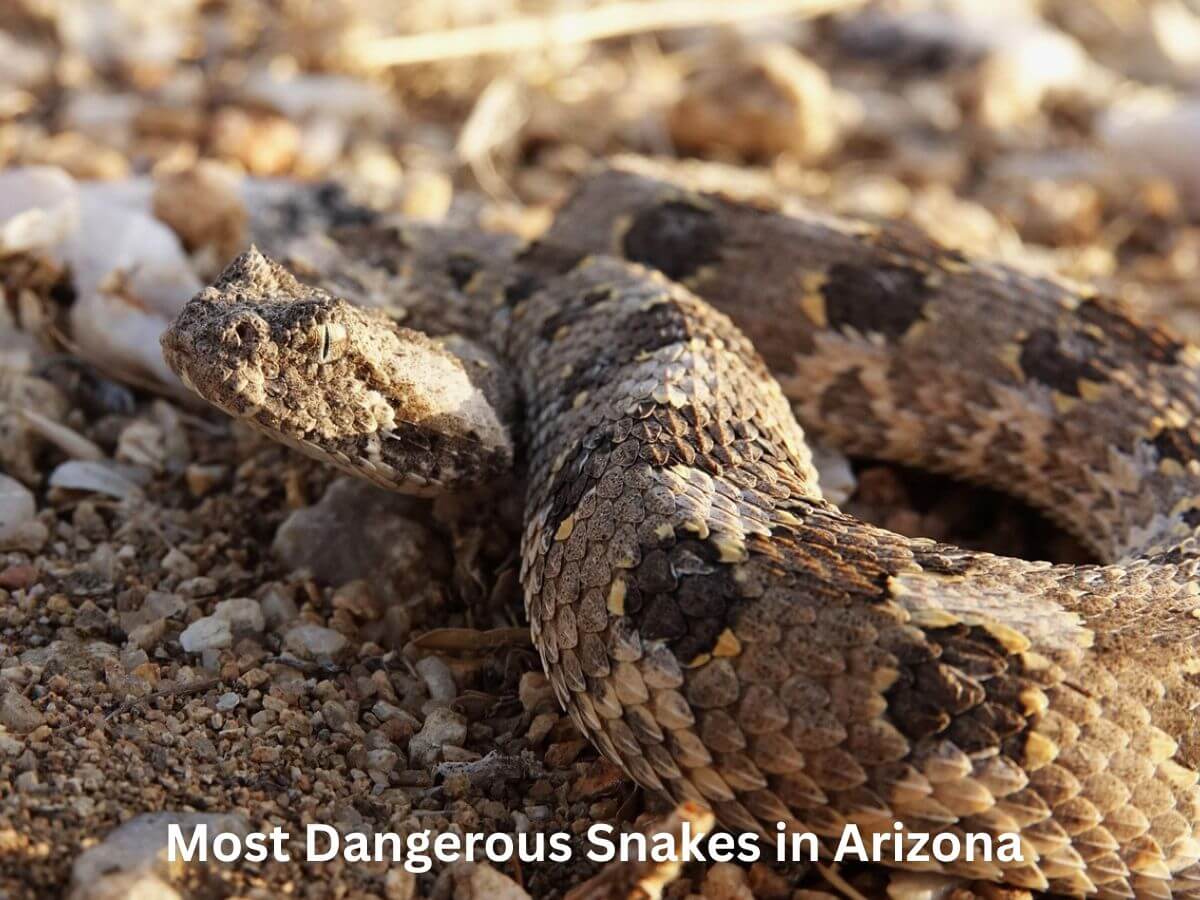
Arizona is home to several venomous snake species, including a number of rattlesnakes. If you live in or visit Arizona, learning which snakes are venomous, where they may be encountered, and how to respond safely can help you avoid unnecessary contact. If you live in or are visiting places like Phoenix, Tucson, or the desert trails in between, understanding which snakes pose real danger is not just helpful – it can be lifesaving.
In this guide, we’ll walk through the most dangerous snakes in Arizona, how to identify them, where you’re most likely to encounter them, and what you should actually do if you cross paths with one.
Why Arizona Has So Many Dangerous Snakes
Arizona’s climate plays a huge role. Warm temperatures, dry desert landscapes, rocky terrain, and abundant prey like rodents make it the perfect habitat for snakes – especially venomous ones.
why most dangerous snake encounters here involve rattlesnakes.
Most snake bites happen because people accidentally get too close or try to interact with the snake. Bites can occur when people accidentally get too close to a snake or attempt to handle it.
The Most Dangerous Snakes in Arizona
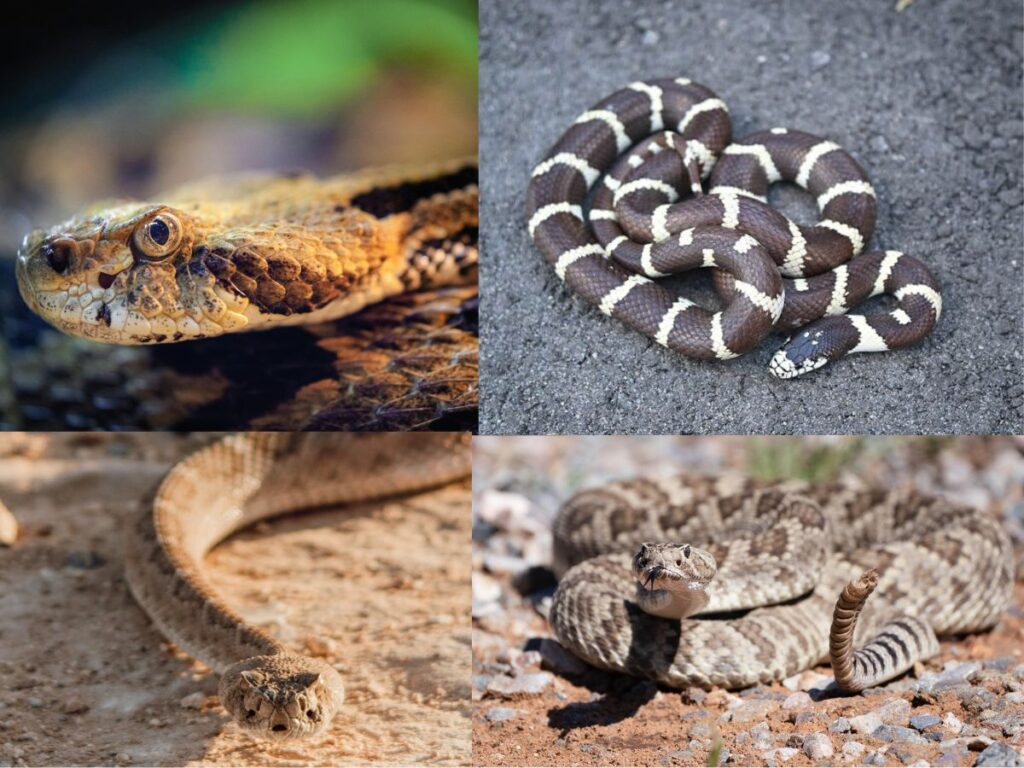
Western Diamondback Rattlesnake
The western diamondback is one of the most widespread rattlesnakes in Arizona and an important species to recognize.
Western diamondbacks occur across many parts of Arizona and can be found in desert areas, rocky terrain, rural properties, and sometimes around developed areas.
How to identify it:
- Diamond-shaped patterns along the back
- Thick body
- Distinct black-and-white banded tail
- Loud, warning rattle
Where you’ll see it:
- Desert trails
- Backyards (especially with rodents)
- Rocky hillsides
Why it’s dangerous:
Its venom can cause severe tissue damage and requires immediate medical attention. The good news is that it usually gives a warning rattle before striking.
Mojave Rattlesnake
The Mojave rattlesnake is medically important because its venom can affect the nervous system as well as other tissues.
How to identify it:
- Light green or olive coloration
- Similar pattern to diamondbacks but more subtle
- Narrower head compared to body
Where you’ll see it:
- Open desert
- Grasslands
- Less common in dense residential areas
Why it’s dangerous:
Its venom can produce serious effects and requires prompt medical attention after a suspected bite.
Black-Tailed Rattlesnake
The black-tailed rattlesnake is venomous and should be given the same distance and caution as other rattlesnakes.
How to identify it:
- Dark black tail
- Yellow, olive, or brown body
- Slightly slimmer than a diamondback
Where you’ll see it:
- Higher elevations
- Mountain trails
- Forested areas
Why it’s dangerous:
A rattlesnake should never be approached simply because its warning behavior is not obvious.
Sidewinder Rattlesnake
The Sidewinder is smaller but still venomous and uniquely adapted to desert life.
How to identify it:
- Small body
- Horn-like scales above eyes
- Moves sideways across sand
Where you’ll see it:
- Sandy desert areas
- Dunes
- Open, hot terrain
Why it’s dangerous:
Its coloration and desert habitat can make it difficult to notice against sand and surrounding terrain.
Where Are You Most Likely to Encounter Dangerous Snakes?
Snake encounters in Arizona aren’t random. They tend to happen in predictable places:
- Hiking trails
- Desert outskirts of cities
- Backyards with clutter or rodents
- Rock piles and shaded areas
- Near water sources
Common Mistakes That Lead to Snake Bites
These are the biggest mistakes people make:
- Trying to handle or kill a snake
- Stepping over rocks or logs without looking
- Walking at night without a flashlight
- Letting pets roam freely in desert areas
- Ignoring warning rattles
Avoiding these behaviors can reduce the chance of an accidental encounter or bite.
What To Do If You See a Dangerous Snake
Seeing a rattlesnake can be alarming, but your reaction matters more than anything.
Stay calm and follow these steps:
- Stop moving immediately
- Slowly back away
- Keep as much distance as possible and move away slowly without approaching the snake.
- Do not attempt to touch or move the snake
- Give it space to escape
Snakes generally try to avoid people, but they may strike when they feel threatened or are accidentally approached.
What Happens If You Get Bitten?
A suspected venomous snakebite is a medical emergency and should be treated as soon as possible.
Typical symptoms:
- Pain and swelling
- Nausea or dizziness
- Difficulty breathing (in severe cases)
What you should do:
- Call 911 immediately
- Stay as still as possible
- Remove tight items like rings or watches
- Avoid outdated methods like cutting the wound or sucking out venom. These can make things worse.
Learn how to treat bites in our Snake Bite First Aid Arizona guide
How to Stay Safe in Arizona
Prevention is always better than treatment. Whether you’re hiking or just relaxing at home, these habits can make a big difference:
- Wear boots and long pants outdoors
- Stay on marked trails
- Use a flashlight at night
- Keep your yard clean and clutter-free
- Control rodent populations around your home
Simple awareness goes a long way in avoiding dangerous encounters.
Are All Snakes in Arizona Dangerous?
No – and this is very important to understand.
Most snakes in Arizona are actually non-venomous and play a helpful role in controlling pests like rodents. Misidentifying harmless snakes often leads to unnecessary fear.
Learning the difference between venomous and non-venomous species helps you react appropriately instead of panicking.
Final Thoughts
Arizona’s venomous snakes are part of the state’s natural environment. Learning to recognize them, giving them plenty of space, and knowing what to do after a suspected bite are the most important steps for staying safe.
The key is simple:
Stay aware, respect wildlife, and avoid risky behavior.
See full list in Arizona Snake Identification Guide

Ravi Rathore is a field snake researcher and Arizona wildlife enthusiast who studies snake behavior, identification, and desert ecosystems. He focuses on helping hikers, homeowners, and outdoor explorers understand the difference between venomous and non-venomous snakes in Arizona. Through detailed guides and safety resources, he shares practical knowledge to help people stay safe while respecting native wildlife.