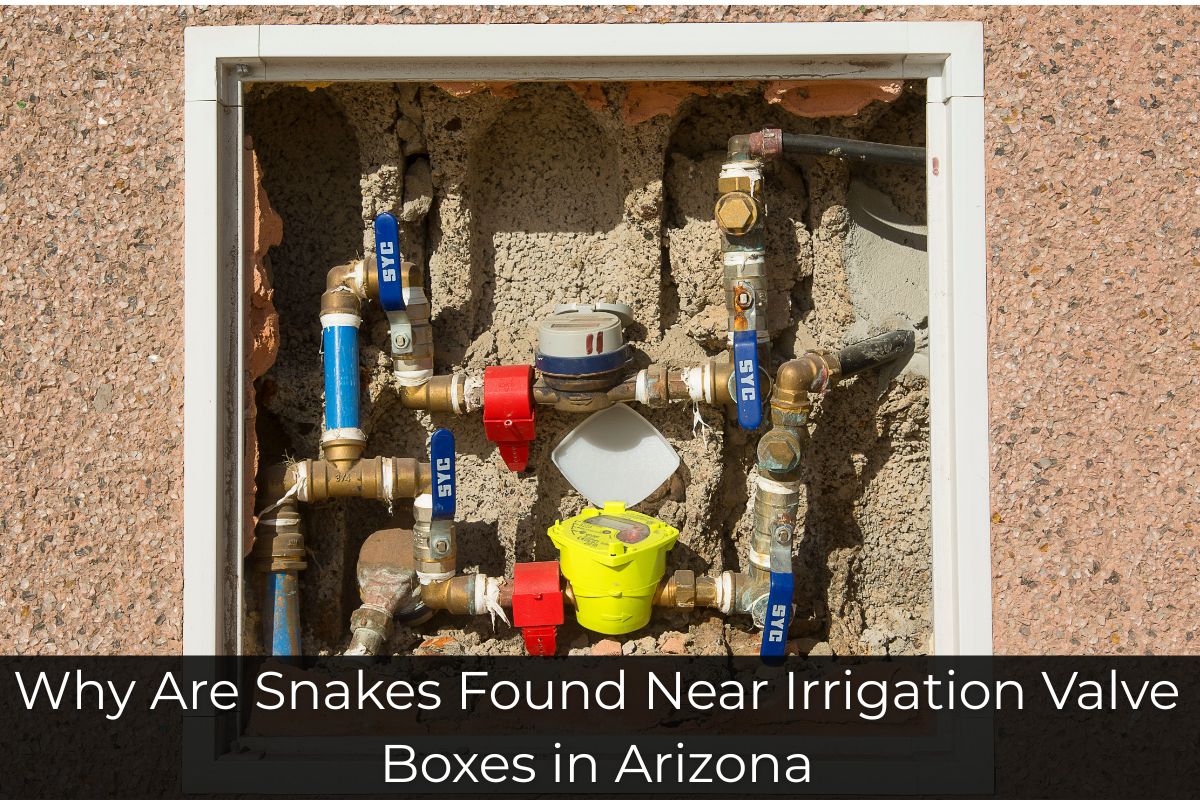
Snakes found near irrigation valve boxes in Arizona are often using the surrounding area for shelter rather than being attracted to the equipment itself. A valve box may offer shade and protection, while leaking irrigation lines, damp soil, and nearby vegetation can attract insects or rodents that snakes hunt.
Finding a snake near a valve box does not necessarily mean it lives there. It may simply be passing through the yard or seeking a temporary sheltered spot.
Homeowners can reduce unwanted encounters by repairing leaks, controlling rodents, keeping the area easy to inspect, and avoiding direct contact with any snake.
Why Are Snakes Found Near Irrigation Valve Boxes in Arizona?
The main reason snakes may be found near irrigation valve boxes is the combination of shelter, cooler temperatures, and nearby prey.
During the hottest parts of an Arizona day, exposed soil and gravel can become extremely hot. An underground valve box provides shade and protection from direct sunlight. A snake moving through the yard may investigate the opening because it offers a quick place to escape the heat.
Moisture can also make these areas more attractive to other wildlife. A leaking valve, damaged irrigation line, or frequently watered patch of soil may encourage insects, lizards, and rodents to spend time nearby. Snakes may then follow those food sources.
This means the irrigation system is usually an indirect factor. The snake is responding to the environment around the valve box rather than being attracted to the equipment itself.
During Arizona’s hottest months, rattlesnakes may seek cooler, protected spaces during the day. This can include areas beneath patios and other concrete surfaces, as explained in Why Do Snakes Hide Under Concrete Slabs in Arizona?
Do Snakes Actually Live Inside Valve Boxes?
Usually, not permanently.
A valve box is a relatively small space and isn’t necessarily a suitable long-term habitat for a snake. It may provide temporary shelter, but snakes generally need access to food and suitable conditions beyond the box.
A snake may enter the area and leave later to hunt.
If you repeatedly find snakes around the same valve box, however, there may be a larger environmental reason. Nearby rodent burrows, dense vegetation, standing water, or other shelter may be making that part of the property especially attractive.
Rather than focusing only on the valve box, look at the surrounding landscape.
The area around your home can also affect when you notice a rattlesnake. A shaded patio, irrigation area, storage shed, or landscaped yard may provide cooler conditions than an exposed desert surface. If you’ve noticed snakes repeatedly around an outdoor structure, our article Why Are Snakes Found Near Outdoor Storage Sheds in Arizona? explains why these sheltered locations can become attractive.
What Snakes Are Likely to Visit Irrigated Areas?
Different snake species use different habitats, so there isn’t one particular snake associated with irrigation valve boxes.
Non-venomous species such as gopher snakes, coachwhips, kingsnakes, and other local snakes may travel through irrigated residential landscapes while searching for prey.
Venomous snakes can also occur in Arizona neighborhoods, particularly where homes border undeveloped desert or other natural habitat.
The presence of a snake near a valve box does not tell you whether it is dangerous. Identification should be based on the snake’s actual characteristics rather than the location where it was found.
If you’re unsure what you’ve seen, don’t approach it closely to get a better look.
What Happens When a Valve Box Is Opened?
Opening a valve box can disturb whatever is inside or nearby.
If a snake is using the area as shelter, suddenly lifting the cover may cause it to move quickly.
That is one reason homeowners should avoid reaching inside immediately after removing the lid.
Before opening a valve box, look around the surrounding ground. Keep your hands away from dark spaces you cannot see clearly.
If you discover a snake, step back and give it room to leave.
There is rarely a good reason to handle a wild snake yourself.
How to Reduce Snake Activity Around Irrigation Valve Boxes
If snakes repeatedly appear near an irrigation valve box, look at the conditions surrounding it rather than focusing only on the box.
The goal is to make the area less attractive by reducing unnecessary moisture, prey, and hiding places.
Fix Irrigation Leaks
Check the valve box and nearby irrigation lines for leaks.
A small leak may not seem important, but constantly damp soil can attract insects and rodents. Those animals can eventually attract snakes.
Repair broken sprinkler heads, leaking connections, and damaged irrigation pipes promptly.
Keep Vegetation Trimmed
Trim grass, weeds, and dense plants around irrigation equipment.
You don’t need to remove landscaping completely. The goal is to maintain enough open space to inspect the valve box and surrounding ground safely.
Shorter vegetation also makes it harder for snakes to move unnoticed.
Remove Yard Debris
Stacks of wood, unused pots, cardboard, boards, rocks, and other debris can create additional hiding places.
Keep these materials away from irrigation equipment whenever possible.
A cleaner yard gives rodents and snakes fewer sheltered areas to use.
Control Rodents
If you see rodent droppings, burrows, gnaw marks, or other signs of activity near your irrigation system, address the problem.
Removing the food source can reduce the reason for snakes to visit.
This is particularly important in yards with bird feeders, outdoor pet food, fruit trees, or compost areas.
What Not to Do When You Find a Snake
Finding a snake beside an irrigation valve can be startling, especially when you’re expecting to perform routine yard work.
Don’t reach into the valve box.
Don’t try to grab the snake.
Don’t hit it with a tool or attempt to force it out.
Don’t pour chemicals, gasoline, or other substances into the box.
These actions can injure the animal, damage your irrigation system, and create unnecessary danger for people and pets.
Instead, step away and give the snake an opportunity to move away naturally.
If the snake is venomous or you’re uncertain about its identity, keep children and pets away and contact a qualified professional if removal is necessary.
When a Snake Near the Valve Box May Indicate a Bigger Problem
One snake sighting doesn’t necessarily indicate a serious wildlife problem.
However, repeated sightings can tell you something about the property.
If you regularly see snakes near the same irrigation area, inspect the surrounding yard for:
- Rodent burrows
- Leaking irrigation lines
- Standing water
- Dense vegetation
- Rock piles
- Wood or debris
- Gaps beneath concrete
- Openings around walls or structures
The snake may simply be following prey through an area that provides several useful resources.
Addressing those conditions can reduce future encounters.
Final Thoughts
Final Thoughts
Snakes found near irrigation valve boxes in Arizona are often responding to the conditions around the equipment rather than the box itself. Shade, nearby shelter, rodents, and leaking irrigation lines can all influence wildlife activity.
To reduce unwanted encounters, repair leaks, control rodents, remove unnecessary debris, and keep the area around the valve box easy to inspect. Leave the equipment accessible for maintenance, and never reach into a dark space or try to handle a snake.
A sighting does not necessarily mean a snake lives inside the box. Give it plenty of space, keep children and pets away, and contact a qualified wildlife professional if removal is necessary.

Ravi Rathore is a field snake researcher and Arizona wildlife enthusiast who studies snake behavior, identification, and desert ecosystems. He focuses on helping hikers, homeowners, and outdoor explorers understand the difference between venomous and non-venomous snakes in Arizona. Through detailed guides and safety resources, he shares practical knowledge to help people stay safe while respecting native wildlife.