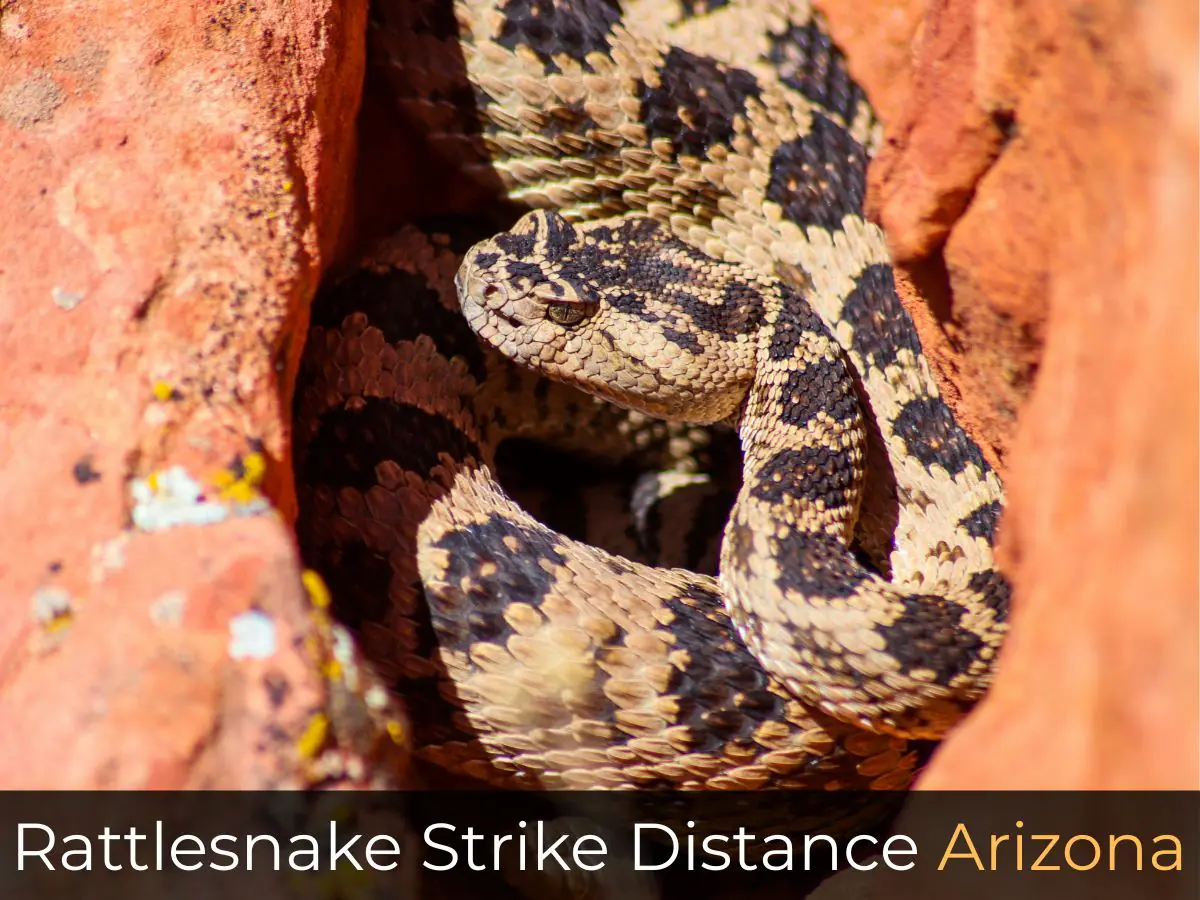
Living in desert regions brings people closer to nature, but it also raises important safety questions. One of the most common concerns among hikers, homeowners, and outdoor enthusiasts is about rattlesnake strike distance Arizona and how close is too close when encountering a snake. Understanding how far a rattlesnake can strike, how fast it happens, and how to stay safe can make a huge difference in avoiding dangerous situations.
Rattlesnakes are not aggressive animals, but they are highly defensive. When they feel threatened, they can strike with incredible speed. Many people underestimate this ability, which leads to risky behavior. By learning the real facts about rattlesnake strike range, you can protect yourself, your family, and your pets while living or traveling in Arizona.
Understanding how far a snake can reach is important, but knowing where they usually stay hidden is equally helpful. You can explore common rattlesnake hiding spots Arizona to better identify risk areas around your home or while hiking.
How a Rattlesnake Strike Works
A rattlesnake strike is a defensive reaction. When the snake senses danger, it coils its body into an “S” shape. This position allows it to launch forward quickly using stored muscle energy.
The strike itself is extremely fast. In most cases, it happens in a fraction of a second. The snake extends its head forward, bites, and retracts almost instantly. Many victims report that they did not even see the movement clearly because it was so quick.
This is why understanding rattlesnake strike distance Arizona is critical. You may not have time to react once a strike begins.
How Far Can a Rattlesnake Strike?
A common rule is that a rattlesnake can strike up to one-third to one-half of its body length. For example:
- A 3-foot rattlesnake → can strike about 1 to 1.5 feet
- A 5-foot rattlesnake → can strike about 2 to 2.5 feet
However, experts recommend keeping a much larger safety distance. This is because snakes can sometimes extend further than expected depending on their position and surroundings.
So while the technical rattlesnake strike distance Arizona may seem limited, the safe distance should always be at least 6 feet or more.
Rattlesnake Strike Distance: One-Third to One-Half Body Length Explained
One of the most important safety rules to remember is that a rattlesnake’s strike distance is usually about one-third to one-half of its total body length. This means the snake does not need to be very close to reach a person’s foot, ankle, or lower leg.
For example, if a rattlesnake is around 4 feet long, it may be able to strike anywhere from 1.3 to 2 feet forward in a fast defensive lunge. Larger snakes, such as a 6-foot western diamondback, may strike as far as 2 to 3 feet, depending on how tightly it is coiled and how threatened it feels.
This is why the common rule of thumb is to stay much farther away than the estimated strike range. Even though the snake may only strike one-third to one-half of its body length, wildlife experts often recommend keeping at least 6 to 10 feet of distance as a safe buffer.
The reason for this extra distance is simple: snakes can move unexpectedly, terrain can reduce your reaction time, and people often misjudge the actual size of a snake when it is coiled.
In simple words:
- 3-foot snake = 1 to 1.5 feet strike range
- 4-foot snake = 1.5 to 2 feet strike range
- 6-foot snake = 2 to 3 feet strike range
Remember, the strike is extremely fast and happens in a fraction of a second, so distance is your best protection.
How Fast Is a Rattlesnake Strike?
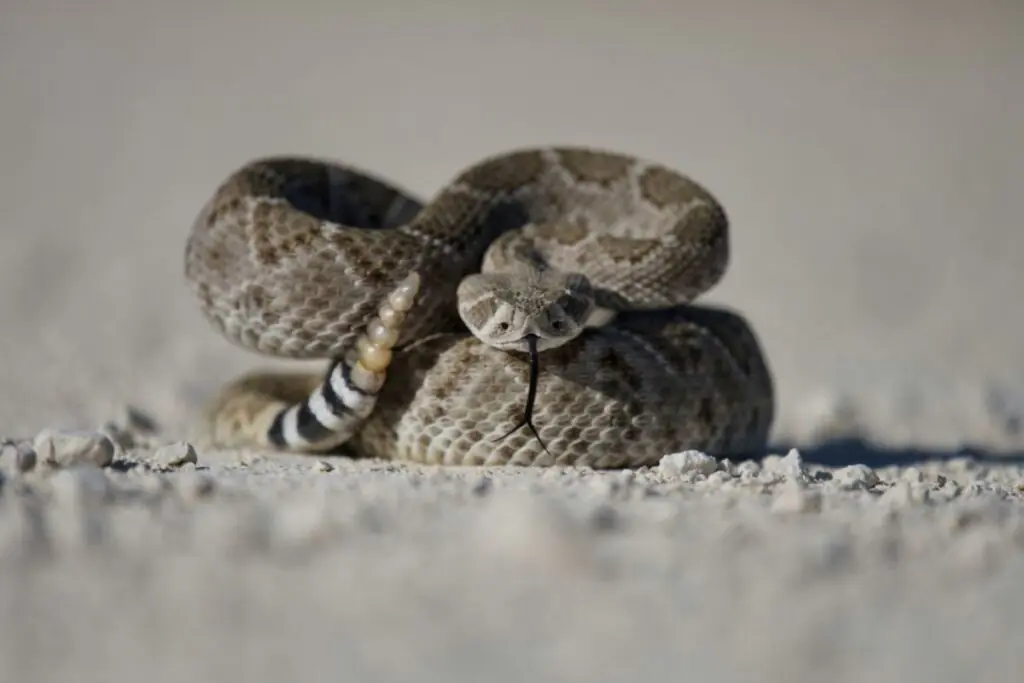
Speed is what makes rattlesnakes dangerous. A strike can happen in less than 0.5 seconds. That is faster than a human blink.
Because of this speed, trying to “jump back” or react quickly is not reliable. Prevention and distance are the only safe strategies.
Many people mistakenly believe they can avoid a strike if they see the snake first. In reality, if you are already within range, the snake can strike before you move.
Can a Rattlesnake Jump Toward You?
This is a very common myth. Rattlesnakes cannot jump or chase humans. They strike by extending their body forward from a coiled position.
However, because the strike is so fast, it may appear as if the snake “jumped.” This misunderstanding often creates unnecessary fear.
Still, the rattlesnake strike distance Arizona is enough to pose a real risk if someone stands too close.
Why People Get Bitten
Most snake bites happen because of human behavior, not snake aggression. Common causes include:
- Trying to touch or handle the snake
- Stepping too close accidentally
- Not seeing the snake in time
- Reaching into hidden areas
- Letting pets approach the snake
Understanding these risks is essential for prevention.
Safe Distance from a Rattlesnake
To stay safe, experts recommend:
- Keep at least 6–10 feet distance
- Do not approach for photos
- Do not attempt to move the snake
- Always give it space to escape
Maintaining a safe distance is the best way to avoid any issues related to rattlesnake strike distance Arizona.
Where You Are Most at Risk
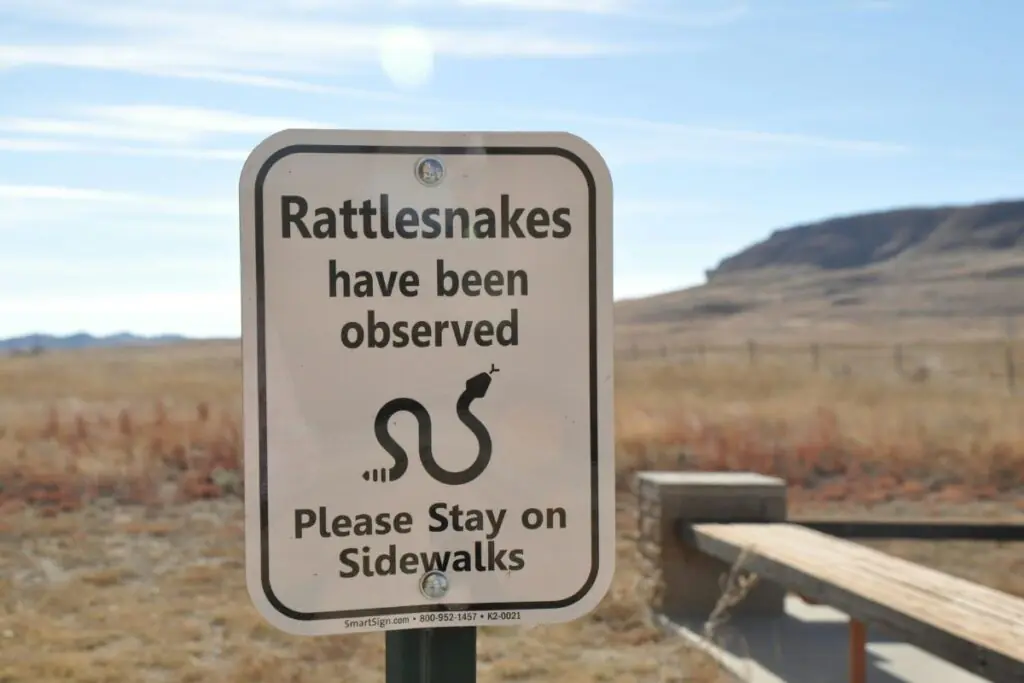
Certain situations increase the chances of encountering a rattlesnake within striking range:
- Hiking in rocky desert areas
- Walking at night without a flashlight
- Gardening near bushes or rocks
- Cleaning storage areas
- After rain when snakes move more
Being aware of these situations helps reduce risk.
Backyard Safety Tips
Homeowners in Arizona should take extra precautions:
- Keep yard clean and clutter-free
- Trim plants regularly
- Remove rodent activity
- Use outdoor lighting at night
- Check before stepping into dark areas
These simple steps can greatly reduce encounters.
Keeping distance is the best protection, especially when snake activity increases due to weather changes. Learn more about snakes after rain Arizona and why sightings become more common after storms.
What to Do If a Snake Strikes
If a rattlesnake strikes:
- Move away slowly
- Stay calm
- Seek medical help immediately
- Do not try home remedies
- Keep the affected area still
Quick medical attention is critical.
Comparison Table: Myth vs Reality
| Myth | Reality |
|---|---|
| Snakes chase humans | They avoid humans |
| Snakes jump | They strike from coil |
| You can outrun strike | Strike is faster |
| Small snakes are harmless | All can bite |
| You can react in time | Usually too fast |
Real-Life Scenario Awareness
Imagine walking in your backyard at dusk. You step near a bush and hear a rattle. This is a warning sign. At this moment, distance is your best protection.
Slowly step back and avoid sudden movements. The snake is warning you, not attacking. Respecting this space prevents danger.
Seasonal Behavior and Strike Risk
During hot summer months, rattlesnakes become more active at night. After rain, they may move more frequently. These conditions increase the chance of encountering a snake within striking range.
Understanding seasonal patterns helps you stay alert.
Why Understanding Snake Strike Range in Arizona Matters
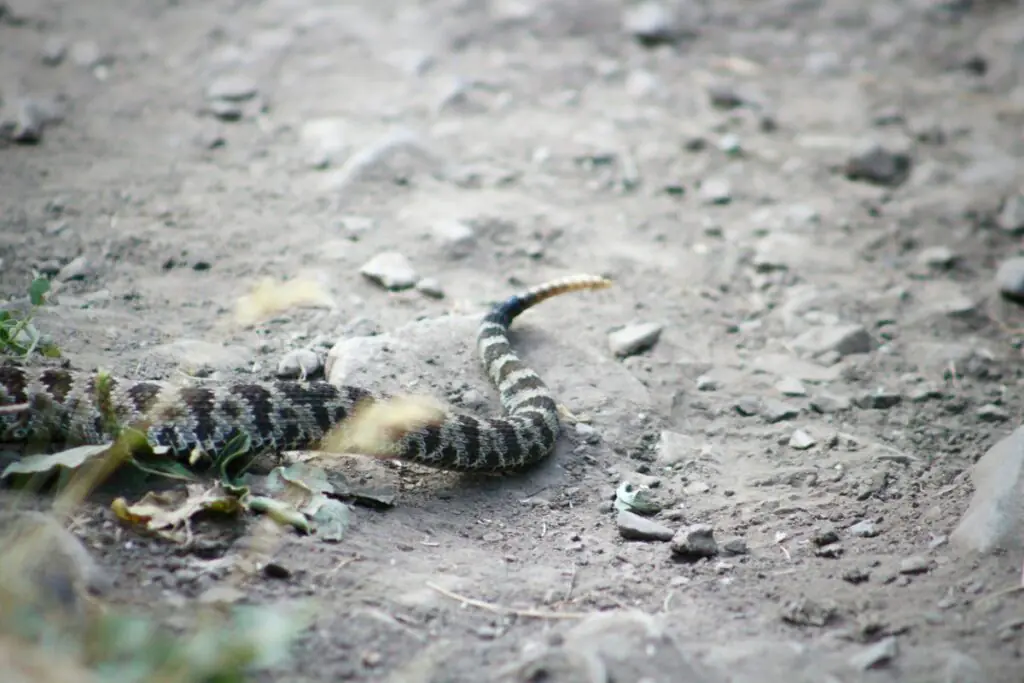
Many snake bite incidents happen because people underestimate how close they are to danger. Knowing the real rattlesnake strike distance Arizona is not just about curiosity — it directly affects your safety. When people assume a snake cannot reach them, they may stand too close or take unnecessary risks.
Even a small mistake in distance judgment can lead to serious injury. This is especially important in remote desert areas where immediate medical help may not be available. Awareness helps prevent panic and encourages safer behavior.
Rattlesnakes are often more active during cooler evening hours. Knowing about rattlesnake activity at night in Arizona is important for people who walk pets or spend time outdoors after sunset.
How a Rattlesnake’s Body Position Affects Its Strike
The distance a rattlesnake can cover depends on how its body is positioned. A tightly coiled snake has more stored energy, allowing it to launch a faster and more controlled strike.
If the snake is stretched out or partially hidden, the strike may look shorter but can still reach dangerous range. This is why you should never rely on appearance alone when judging rattlesnake strike distance Arizona.
Many encounters happen because yards attract snakes without homeowners realizing it. Understanding what attracts snakes to your yard in Arizona can help you remove the root causes and improve safety.
How Desert Terrain Can Increase Strike Risk
The environment around the snake plays a big role in safety. In rocky areas, snakes may sit at a higher position, allowing them to strike downward. This can increase their effective reach.
In thick bushes or grass, you may not see the full length of the snake, making it harder to judge safe distance. These conditions increase the risk of accidental encounters in Arizona.
Some residents worry about snakes getting too close to living spaces. Understanding the reality of snakes in house Arizona can help reduce panic and prepare you for safe handling situations.
Human Reaction Time vs Snake Strike Speed
Many people believe they can move away quickly if a snake strikes. However, this is a dangerous assumption. A rattlesnake can strike faster than the human brain can react.
By the time you notice the movement, the strike may already be over. This is why maintaining distance is the only reliable safety method when dealing with rattlesnake strike distance Arizona.
How to Stay Safely Out of Strike Range
In real situations, you may not know how long a snake is. A simple rule is to stay at least twice the visible length of the snake.
If you see a 3-foot snake, keep at least 6 feet distance. If unsure, increase that distance even more. This practical approach helps reduce risk in unpredictable environments.
Keeping Children and Pets Safe Outdoors
Children and pets are more likely to approach snakes out of curiosity. This makes them more vulnerable to bites.
Always supervise kids in outdoor areas and teach them not to touch wildlife. Keep pets on a leash and avoid letting them explore hidden corners. Awareness is key to preventing accidents.
For official safety recommendations and accurate wildlife information, you can refer to the Arizona Game and Fish Department. Their guidelines help residents understand how to respond safely during snake encounters and avoid unnecessary risks.
Risky Behaviors That Lead to Snake Bites
Many bites happen because of simple mistakes. Avoid:
- Getting too close for photos
- Trying to move or kill the snake
- Ignoring warning sounds
- Walking without proper footwear
- Reaching into hidden areas
Avoiding these actions will greatly improve your safety.
What Wildlife Experts Recommend
Experts always advise giving snakes enough space to escape. Most snakes will not attack unless they feel threatened.
Wearing boots, using a flashlight at night, and staying on clear paths are simple but effective safety measures. These habits reduce the risk of encounters in desert environments.
FAQ
What is rattlesnake strike distance Arizona?
Usually one-third to half of body length.
Can a rattlesnake strike 6 feet?
No, but safe distance should be 6 feet or more.
How fast is a rattlesnake strike?
Less than half a second.
Do snakes warn before striking?
Often with a rattle, but not always.
Can you outrun a strike?
No, it’s too fast.
Do baby rattlesnakes strike differently?
They can still strike quickly.
Can snakes climb and strike from above?
Rare, but possible in certain areas.
Are snakes aggressive?
No, mostly defensive.
What attracts snakes near people?
Food, shelter, water.
Should you kill a snake?
No, avoid and call professionals.
Do snakes strike multiple times?
Yes, if threatened.
Can a snake bite through clothes?
Yes, thin fabric.
Is night more dangerous?
Yes, in hot months.
Do snakes hide in grass?
Yes.
What shoes protect best?
Thick boots.
Final Thoughts
Understanding rattlesnake strike distance Arizona is one of the most important steps in staying safe in desert environments. While rattlesnakes can strike quickly and efficiently, they are not aggressive animals and usually prefer to avoid humans.
The key to safety is simple: maintain distance, stay alert, and respect wildlife. By following basic precautions and learning how snakes behave, you can confidently enjoy outdoor activities without unnecessary fear.

Ravi Rathore is a field snake researcher and Arizona wildlife enthusiast who studies snake behavior, identification, and desert ecosystems. He focuses on helping hikers, homeowners, and outdoor explorers understand the difference between venomous and non-venomous snakes in Arizona. Through detailed guides and safety resources, he shares practical knowledge to help people stay safe while respecting native wildlife.
3 thoughts on “Rattlesnake Strike Distance Arizona: How Far Can a Rattlesnake Strike?”