Can snakes come through plumbing in Arizona? Although a snake appearing through a toilet or drain is an unusual possibility, whether it can happen depends on the plumbing system and the circumstances. Stories about snakes appearing in toilets or drains can make Arizona homeowners wonder whether a snake could actually enter a home through its plumbing. Although snakes may get close to buildings while searching for shelter or prey, that does not mean they can easily travel through a typical household plumbing system.
Whether a snake could enter through plumbing depends on the layout and condition of the system, including its traps, pipes, and openings. A snake found in a bathroom may also have entered through a door, gap, or another access point rather than through the plumbing.
Understanding what is physically possible, what is uncertain, and what to do if you find a snake indoors can help Arizona homeowners respond safely without unnecessary worry.
Many homeowners start worrying about this after hearing unusual stories or seeing something similar happen nearby. If you’ve ever wondered about extreme cases, this guide on snake in toilet Arizona explains how rare situations like that can actually occur.
How Likely Is a Snake to Appear Through a Toilet or Drain?
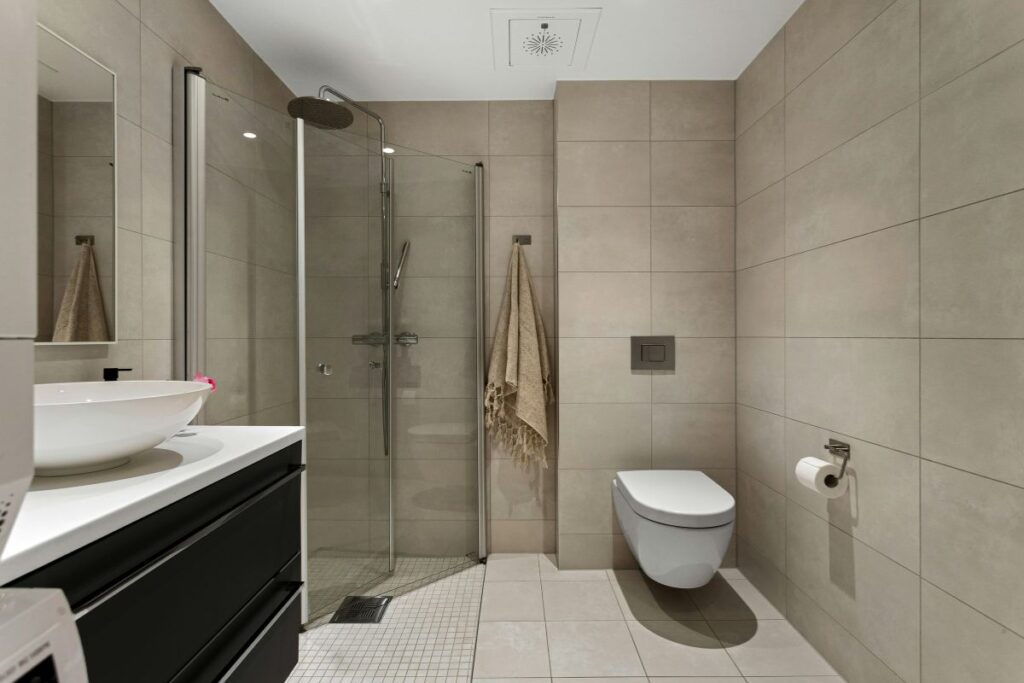
Stories about snakes appearing in toilets can be alarming, but an individual story does not tell us how frequently these incidents occur in Arizona. Reliable statistics establishing the likelihood of a snake entering a home through its plumbing are not readily available.
A snake found in a bathroom does not necessarily mean it travelled through a toilet or drain. It may have entered through a doorway, garage, gap, or another opening.
If you see a snake in a toilet or coming from a drain, do not assume it is harmless or try to remove it yourself. Keep your distance, keep children and pets away, and contact a qualified wildlife professional. If you suspect a plumbing defect, arrange for a licensed plumber to inspect the system after the immediate safety concern has been addressed.
Can Plumbing Noises or Odors Indicate a Snake?
Noises, gurgling drains, and unpleasant odors are not reliable signs that a snake is inside your plumbing. These symptoms can have ordinary plumbing causes, including drainage problems, blockages, or issues with the plumbing vent or trap.
Look for direct evidence rather than assuming that a plumbing problem involves wildlife. If you see a snake near a toilet, drain, or pipe opening, keep your distance and do not reach into the opening to investigate.
For unexplained plumbing noises or odors without a visible snake, contact a licensed plumber. If a snake is actually present, seek help from a qualified wildlife professional.
How to Reduce the Risk of Snakes Entering Your Home
No maintenance routine can guarantee that a snake will never enter a home, but you can address possible access points and reduce conditions that attract wildlife.
- Maintain drain covers: Keep outdoor drain grates and covers in good condition and replace damaged or missing ones with suitable fittings.
- Repair damaged plumbing: Have cracked pipes, broken fittings, and suspected sewer defects inspected by a licensed plumber.
- Seal appropriate gaps: Repair openings around doors, foundations, utility penetrations, and other exterior entry points where practical.
- Keep the exterior manageable: Remove unnecessary clutter and maintain vegetation around frequently used entrances.
- Address rodent activity: Secure garbage and stored animal food, and deal with signs of rodents using appropriate methods.
- Avoid unsafe DIY inspection: Never reach into an unfamiliar drain, sewer opening, or concealed space to check for a snake.
These steps address general home maintenance and wildlife access. They do not prove that a snake can or cannot travel through a particular plumbing system.
How Plumbing Traps and Pipes Affect Animal Movement
Household plumbing includes bends, connections, and water-filled traps that serve specific drainage and sanitation functions. A toilet’s trapway and the traps beneath many sinks are not simply open, straight pipes leading directly outside.
These features can obstruct animal movement, but it would be inaccurate to say that every plumbing system makes animal entry impossible. Pipe layouts, defects, access points, and the particular system involved can differ.
If you suspect an animal has entered a plumbing system, do not dismantle fixtures or insert tools to investigate. A licensed plumber can inspect suspected plumbing defects, while a qualified wildlife professional can advise on safely handling a visible snake.
Can Snakes Live Inside Household Plumbing?
Household plumbing is not a typical habitat for snakes. It is designed to carry wastewater, not to provide an animal with suitable shelter and living conditions.
However, avoid claiming that a snake could never survive temporarily in a pipe or sewer. Conditions vary, and there is not enough information in this article to make a universal claim about how long a snake could survive in a particular system.
If you find a snake in a drain, toilet, or plumbing access point, keep away from it and arrange appropriate professional help rather than attempting to flush it out.
Can Snakes Move Through Pipes or Sewer Systems?
Snakes can move through a variety of natural and confined spaces, but whether one could travel through a particular pipe or sewer connection depends on the animal, the pipe’s dimensions and layout, water levels, obstructions, and access points.
It is therefore not accurate to claim that snakes can easily travel through household plumbing, or that they can never do so. A snake found inside a home also does not establish that it arrived through the sewer.
If you have a specific reason to suspect a damaged drain or sewer connection, ask a licensed plumber to investigate. Avoid opening sewer access points or attempting to inspect them yourself.
Are Other Home Entry Points More Worth Checking?
If you find a snake indoors, do not assume that it came through the plumbing. Other possible access points include an open exterior door, a gap beneath a door, an opening around a utility line, or a damaged section of the building.
Inspect exterior doors, garage entrances, and visible gaps around the building from a safe distance. Repair suitable openings and keep frequently used entrances closed when practical.
If a snake is still inside the home, keep people and pets away from it and contact a qualified wildlife professional. Do not try to catch, corner, or kill the snake.
How Snakes Could Enter Plumbing Systems
Let’s answer the main question clearly.
Yes, snakes can come through plumbing – but it is extremely rare.
This is not something that happens regularly, and it’s not a normal behavior for snakes. They are not actively searching for entry points into homes through pipes or drains.
However, under certain conditions, it can happen.
Plumbing systems are connected to larger networks like sewer lines and drainage systems. If there is an opening, damage, or unusual access point, a snake may accidentally find its way into these spaces while moving through its environment.
But it’s important to understand this: snakes do not intentionally “use plumbing” to enter homes. When it happens, it is usually accidental and uncommon.
In most cases, snakes prefer easier entry points rather than complex systems like pipes. This article on do snakes enter houses in Arizona explains the most common ways they get inside homes.
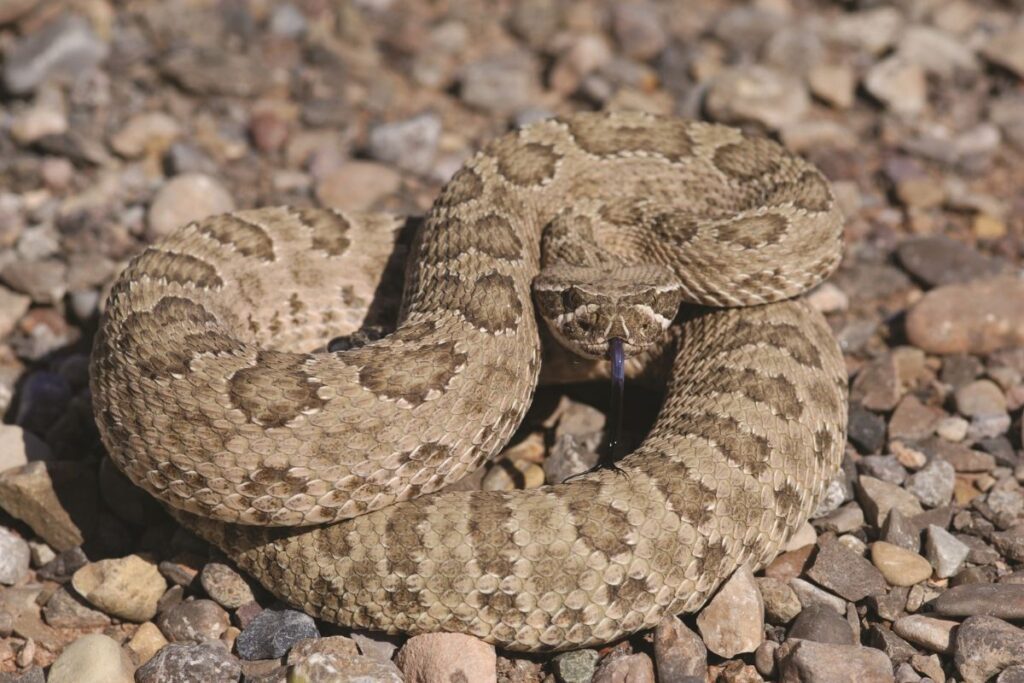
These unusual entry paths are much less common compared to natural hiding areas. This guide on rattlesnake hiding spots in Arizona shows where snakes typically stay instead.
Can Snakes Come Through Toilets?
- The snake must enter the sewer system
- It must navigate through pipes
- It must reach a connection point
- It must pass through the toilet trap
This is not easy. Plumbing systems are not designed for animal movement, and snakes do not naturally navigate them.
What To Do If You Suspect a Snake
If you genuinely suspect a snake in your plumbing, stay calm.
Do not attempt to investigate closely.
Steps to follow:
- Avoid using the affected drain or toilet
- Keep distance from the area
- Ensure pets and children stay away
- Contact a professional if needed
Trying to handle it yourself can increase risk.
What You Should Never Do
Avoid these common mistakes:
- Don’t pour chemicals into drains
- Don’t try to flush repeatedly
- Don’t insert tools into pipes
- Don’t attempt removal yourself
These actions can make the situation worse or cause damage.
How to Prevent Snakes from Entering Plumbing
Prevention is the best approach.
Install Drain Covers
Ensure all outdoor drains are covered.
Maintain Pipes
Regularly inspect for cracks or damage.
Seal Gaps
Close openings around plumbing connections.
Keep Surroundings Clean
Remove debris and clutter.
Control Rodents
Reducing food sources reduces snake activity.
These steps significantly reduce any already low risk.
Final Thoughts
A snake appearing through a toilet or drain is an unusual possibility, but the likelihood depends on the plumbing system and the circumstances. Finding a snake indoors does not automatically mean it came through the pipes.
Arizona homeowners should focus on practical precautions: maintain plumbing openings and drain covers, seal gaps around the home, and reduce places where snakes or their prey might shelter. If you find a snake indoors, keep your distance and contact a qualified wildlife professional rather than trying to handle it yourself.
Understanding the possibilities and knowing how to respond can help you protect your home without unnecessary fear.

Ravi Rathore is a field snake researcher and Arizona wildlife enthusiast who studies snake behavior, identification, and desert ecosystems. He focuses on helping hikers, homeowners, and outdoor explorers understand the difference between venomous and non-venomous snakes in Arizona. Through detailed guides and safety resources, he shares practical knowledge to help people stay safe while respecting native wildlife.