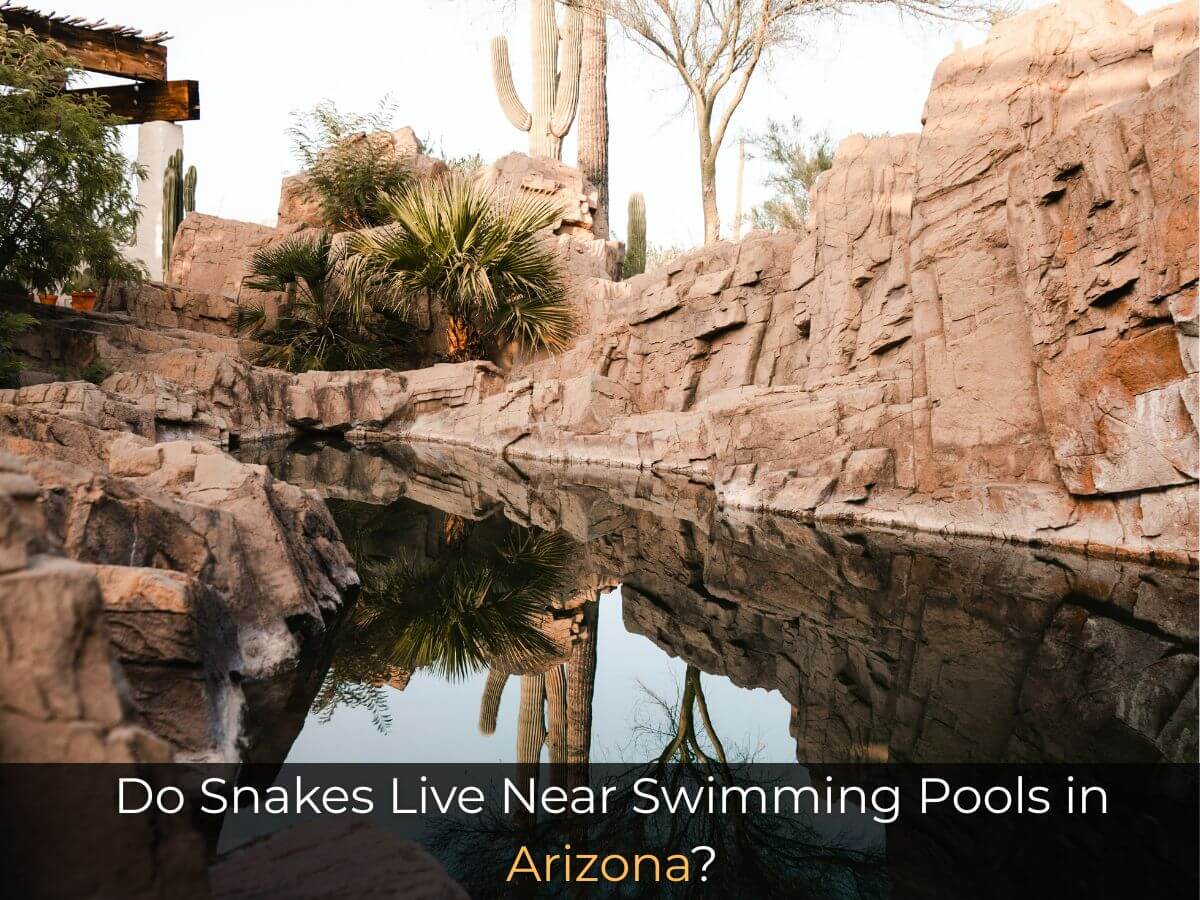
If you own a backyard pool, especially in a desert state, you’ve probably wondered at some point – do snakes live near swimming pools in Arizona? It’s not a strange question. In fact, it’s something many homeowners think about after spotting movement near the water, noticing unusual tracks, or hearing stories from neighbors.
Arizona’s climate creates a unique environment where water becomes one of the most valuable resources for wildlife. When you add a swimming pool into that setting, it naturally changes the surrounding ecosystem. What feels like a place for relaxation and cooling off can also become attractive to animals that are simply trying to survive the heat.
The idea of snakes near your pool can feel uncomfortable, especially if you have kids or pets. But understanding why this happens – and how common it actually is – can help you handle the situation calmly and effectively.
This guide explains in simple, practical terms whether snakes live near swimming pools in Arizona, why they might show up, and what you can do to keep your pool area safe.
Many homeowners start thinking about this after noticing snake activity near their property. If you’re wondering how snakes even reach residential spaces, this guide on do snakes enter houses in Arizona explains the most common entry situations.
Do Snakes Live Near Swimming Pools in Arizona?
The short answer is yes – but not in the way most people imagine.
Snakes do not “live” in pools or choose them as permanent homes. They don’t settle in the water or stay there long-term. However, they may be found near pools because those areas provide conditions that are useful to them.
A pool doesn’t attract snakes by itself. It’s the environment around it that matters.
From a snake’s perspective, a pool area can offer:
- Access to water
- Cooler surfaces
- Shade and hiding spots
- Presence of prey
So while snakes don’t move in and live around pools intentionally, they may pass through or temporarily stay in the area if conditions are favorable.
Why Swimming Pools Attract Snakes in Arizona
To understand why snakes appear near pools, you have to look at Arizona’s environment.
Water Is Rare and Valuable
In a desert climate, water is one of the biggest attractors. Even though snakes don’t need large amounts of water, they still require hydration. A swimming pool becomes a visible and reliable source.
Cooler Microclimate
Pool areas often feel cooler than surrounding ground, especially in the evening. Surfaces like tiles, shaded decks, and nearby landscaping create temperature differences that snakes prefer.
Landscaping Around Pools
Many pool areas include plants, rocks, and decorative features. These create perfect hiding spots.
Presence of Prey
Where there’s water, there are insects. Where there are insects, there are rodents or frogs. And where there is prey, snakes may follow.
This chain reaction is one of the biggest reasons snakes are occasionally seen near pools.
In most cases, snakes are simply responding to their environment rather than targeting specific areas. This behavior is explained in detail in this guide on rattlesnake hiding spots in Arizona, where they look for shelter and protection.
Where Snakes Hide Around Pool Areas
If a snake is near your pool, it’s not going to stay out in the open.
Snakes prefer hidden, protected spaces. Around a pool, common hiding spots include:
- Behind pool equipment (filters, pumps)
- Under pool decks or raised edges
- Inside landscaping rocks or gravel
- In bushes or shrubs near the pool
- Along walls or fences
These areas provide shade, cover, and safety.
Even a clean pool area can still have small hiding spots that aren’t immediately obvious.
These hiding patterns are very similar to what happens in enclosed areas. This article on snakes in garage Arizona explains why quiet, shaded spaces attract snakes.
Are Snakes Near Pools Dangerous?
This is one of the most important questions.
The answer depends on the type of snake, but the general rule is simple:
Any snake should be treated with caution.
Arizona is home to both venomous and non-venomous snakes. The most well-known venomous species are rattlesnakes. However, many snakes you may encounter are harmless.
The challenge is that most people cannot identify a snake quickly or accurately.
That’s why the safest approach is:
- Keep distance
- Do not attempt to interact
- Stay aware
Most snakes are not aggressive. They don’t want to be near people. They will usually leave if given space.
When Are You Most Likely to See Snakes Near Pools?
Snake activity is not random – it follows patterns.
Night and Early Morning
Snakes are more active when temperatures are lower. You’re more likely to see them around dusk or at night.
Summer Months
Heat pushes snakes to search for cooler areas, making pool environments more attractive.
After Rain
Rain changes the environment, increasing movement and activity.
Understanding these patterns helps you stay alert during the times when encounters are more likely.
Snake movement often increases during certain weather conditions. You can understand this better in this guide on why snakes come out after rain in Arizona, especially during seasonal changes.
What To Do If You See a Snake Near Your Pool
If you ever see a snake near your pool, your reaction matters more than the situation itself.
Here’s what you should do:
- Stop and stay calm
- Keep a safe distance
- Move children and pets away immediately
- Do not try to scare or remove the snake
If the snake doesn’t leave on its own, contact a professional wildlife service.
Most snakes will leave if they don’t feel threatened.
What You Should Never Do
Mistakes can turn a safe situation into a dangerous one.
Avoid:
- Trying to catch or kill the snake
- Throwing objects at it
- Using water hoses to force it out
- Blocking its escape path
These actions can trigger defensive behavior.
How to Reduce Snake Risks Around Your Pool
You cannot guarantee that snakes will never enter your pool area, but a few practical steps can make the space easier to inspect and reduce potential hiding places.
- Trim vegetation: Keep shrubs and groundcover manageable, especially along pool edges, fences, and walkways.
- Remove clutter: Store pool toys, tools, and unused materials neatly instead of leaving them in piles.
- Check pool equipment areas: Keep the spaces around pumps, filters, and storage enclosures accessible for visual inspection. Do not reach blindly into hidden gaps.
- Manage rodents: Secure garbage and animal food, clean up spilled birdseed, and address signs of rodent activity.
- Inspect gaps: Check for openings around fences, gates, sheds, and other structures. Repair suitable gaps where practical.
- Use outdoor lighting for visibility: Make sure walkways and steps are easy to see at night. Lighting helps you spot hazards but does not repel snakes.
- Consider pool escape options: Ask a qualified pool professional about suitable wildlife escape devices if animals regularly become trapped in your pool.
These steps can help make the pool area easier to maintain and inspect, but they cannot guarantee a snake-free yard.
How to Prevent Snakes Around Your Pool
The goal is simple: make your pool area less attractive.
Keep the Area Clean
Remove clutter, leaves, and debris.
Trim Plants and Bushes
Reduce hiding spots.
Manage Landscaping
Avoid dense rock piles or thick vegetation.
Control Rodents
Remove food sources.
Seal Gaps
Close openings in walls, fences, and foundations.
Small changes can make a big difference.
Prevention always starts from outside your home. This detailed guide on snake proofing your yard in Arizona shows how to make your entire property less attractive to snakes.
How Pets and Kids Increase Risk
Children and pets may not recognize a snake as a potential danger. A child might approach it out of curiosity, while a dog may sniff, chase, or investigate it. These interactions can bring them too close to a snake that feels threatened.
To reduce the chance of an encounter:
- Supervise children: Teach them never to approach, touch, or try to move a snake.
- Keep dogs under control: Supervise pets around the pool and use a leash when walking near vegetation or other areas where snakes may hide.
- Check the area visually: Before children play or pets roam around the pool, look over the deck, landscaping, and nearby shaded spaces from a safe distance.
- Keep everyone away from a snake: Move children and pets indoors or to another safe area. Do not try to catch or kill the snake.
- Call for professional help: If a snake is trapped in the pool or located where people cannot safely avoid it, contact a qualified wildlife removal professional.
If you suspect a person or pet has been bitten by a venomous snake, seek emergency medical or veterinary care immediately. Do not wait for symptoms to appear.
Do Snakes Enter the Pool Water?
Yes, sometimes – but not for the reason you might think.
Snakes may enter the pool:
- To cool off
- While crossing the area
- Accidentally while moving
They do not swim for fun or stay in the water for long.
If a snake is in the pool, it is usually trying to get out.
Final Thoughts
Let’s bring this back to the original question:
Do snakes live near swimming pools in Arizona?
Yes – but not in the way people fear.
They are not living there, not staying there, and not targeting your pool.
They are simply passing through an environment that sometimes offers what they need.
And the most important part is this:
You have control over that environment.
Small changes – cleaning, trimming, checking, and maintaining – can make a huge difference.
Once you understand how and why these situations happen, your pool goes back to being what it should be:
A place to relax, not something to worry about.

Ravi Rathore is a field snake researcher and Arizona wildlife enthusiast who studies snake behavior, identification, and desert ecosystems. He focuses on helping hikers, homeowners, and outdoor explorers understand the difference between venomous and non-venomous snakes in Arizona. Through detailed guides and safety resources, he shares practical knowledge to help people stay safe while respecting native wildlife.