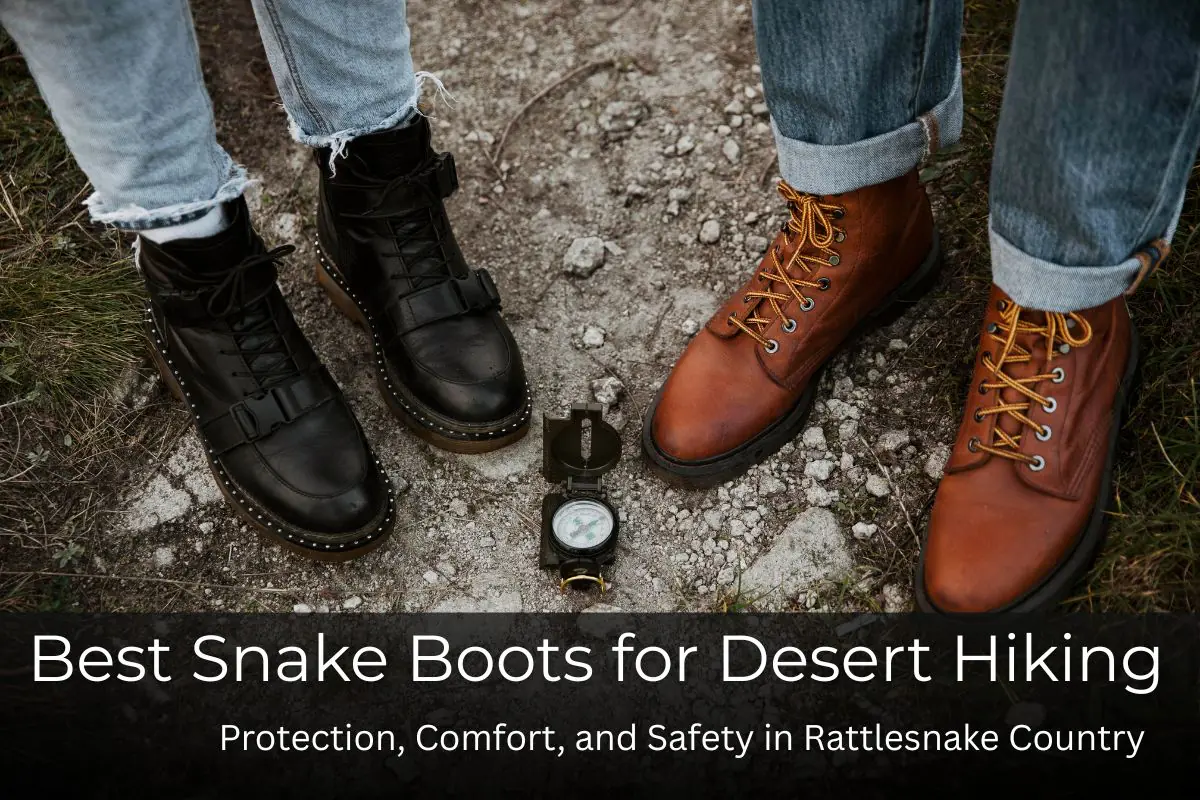
Best Snake Boots for Desert Hiking: Protection, Comfort, and Safety in Rattlesnake Country
Choosing the best snake boots for desert hiking can be useful for hikers who spend time on rocky trails, through desert brush, or in areas where rattlesnakes occur. In Arizona, these conditions can range from sandy desert washes and rocky slopes to cactus-covered terrain and rough backcountry trails.
Snake boots add protection around the feet and lower legs while still being designed for outdoor use. For desert hikers, the challenge is finding a pair that offers useful protection without becoming too heavy, hot, or uncomfortable during longer hikes.
A snake boot is not a guarantee against a bite, and it should not replace basic awareness on the trail. Its main purpose is to add another layer of protection when you’re hiking or working in areas where snakes may be present.
In this guide, we’ll look at how snake boots are designed, the features worth considering for desert hiking, and several options to compare before making a purchase.
If you’re deciding between snake boots and snake gaiters, the main difference is how they fit into your hiking setup. Snake boots combine footwear and lower-leg protection, while gaiters can be worn over hiking boots or other footwear. You can read our guide to Best Snake Gaiters for Arizona Trails if you want to compare the two options.
Disclosure
This article may contain affiliate links. We may earn a commission at no extra cost to you.
Why Desert Hikers Choose Snake Boots
Arizona’s desert trails can include loose rock, brush, dry washes, tall vegetation, and uneven ground where visibility around your feet is limited. Hikers who regularly spend time in these environments may prefer footwear that provides more coverage than a standard hiking shoe or low-cut trail runner.
Snake boots extend higher up the leg and are designed to provide additional protection around the foot and lower leg. They can be particularly useful for hikers who travel off established trails, explore remote areas, or spend long periods outdoors where rattlesnakes may be present.
Snake boots are not necessary for every Arizona hiker. The decision depends on where you hike, how often you encounter rough or overgrown terrain, and whether the added coverage is worth the extra weight and warmth for you.
How Snake Boots Work
Snake boots are made with materials and construction intended to make it more difficult for snake fangs to penetrate the protected areas of the boot. The exact materials, construction, and level of protection vary between manufacturers and individual models.
Unlike ordinary hiking footwear, snake boots are designed to provide additional coverage around the foot, ankle, and lower leg. When comparing products, check the manufacturer’s description and specifications for the specific model rather than assuming that any tall outdoor boot provides snake protection.
No snake boot can guarantee protection in every situation. A snake may strike an area that the boot does not cover, and damaged or poorly fitted footwear may not provide the intended protection.
For that reason, snake boots should be considered one part of hiking safety rather than a replacement for awareness. Giving snakes plenty of space and avoiding attempts to touch or handle them remain important precautions when hiking in Arizona.
Snake Boots vs Snake Gaiters: Which Is Better?
Snake boots and snake gaiters provide different ways to add lower-leg protection when hiking in areas where snakes may be present.
Snake boots combine the footwear and protective material into one product. They can be convenient if you want an all-in-one setup and don’t want to wear a separate gaiter over your hiking footwear.
Snake gaiters are worn over your existing boots or shoes. This gives you more flexibility because you can use the same gaiters with different hiking footwear depending on the trail and weather.
Snake boots may be a better fit if you:
- Prefer an all-in-one boot
- Want integrated lower-leg coverage
- Regularly hike in rough or overgrown terrain
Snake gaiters may make more sense if you:
- Already have comfortable hiking boots
- Want a lighter or more flexible setup
- Want to add or remove lower-leg protection depending on the hike
- Prefer not to buy a separate pair of protective boots
For Arizona hikers, the choice can come down to terrain, temperature, comfort, and how often you hike in areas where rattlesnakes may be present. Neither option is automatically right for every hiker.
What To Look For Before Buying Snake Boots
Choosing snake boots is about more than finding the tallest or most heavily reinforced pair. Arizona hikers should consider how the boots will perform on the type of terrain, distance, and weather conditions they normally encounter.
Snake Protection
Check the manufacturer’s specifications to confirm that the boot is specifically designed for snake protection. Don’t assume that a tall hunting or work boot provides the same protection simply because it covers more of the leg.
Fit and Comfort
A protective boot still needs to fit properly. Look for enough room for your toes, a secure heel, comfortable ankle support, and a fit that works with the hiking socks you normally wear.
Weight
Weight becomes more noticeable on longer hikes and steep or rocky trails. Compare the listed weight of different models and consider whether the additional protection is worth the extra weight for your usual hikes.
Breathability
Arizona’s heat makes ventilation an important consideration. A boot that feels comfortable during a short walk may become noticeably warmer after several hours on a summer trail.
Waterproofing
Waterproof boots can be useful in wet conditions, but waterproof construction may also reduce breathability. For dry desert trails, some hikers may prefer ventilation over maximum water resistance.
Durability
Rocky ground, abrasive surfaces, and desert vegetation can be hard on footwear. Look at the sole, stitching, upper materials, and overall construction when comparing models.
The best pair for you should match the conditions you actually hike in rather than simply having the longest list of features.
Best Snake Boots for Desert Hiking in 2026
Irish Setter VaprTrek Snake Boot
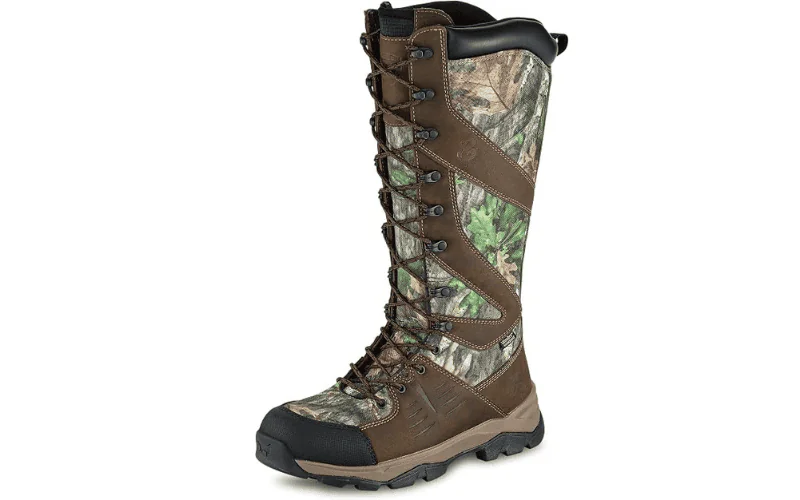
The Irish Setter VaprTrek 3936 is a 17-inch waterproof snake boot designed for hunting, hiking, and outdoor use. Irish Setter says the boot uses a full-length SnakeGuard liner intended to help resist penetration from fangs, thorns, and brush.
Pros:
- 17-inch snake boot design
- Waterproof construction
- Full-length SnakeGuard protection
- Available in regular and wide widths
- Designed for hunting, hiking, and field use
Cons:
- Higher price than some budget options
- Tall waterproof construction may feel warm during hot desert hikes
For Arizona hikers who want a traditional tall snake boot with waterproof construction and substantial lower-leg coverage, the VaprTrek is one model worth comparing.
Rocky Lynx Snake Boot
The Rocky Lynx Snake is a 16-inch snake boot designed for outdoor use in areas where additional lower-leg protection is needed. Rocky’s product information lists high-abrasion snake guard construction, waterproof full-grain leather, an aggressive all-terrain outsole, and a comfort-focused footbed.
Pros:
- 16-inch snake protection
- Waterproof full-grain leather construction
- All-terrain outsole
- Designed for rugged outdoor conditions
- Comfort-oriented footbed
Cons:
- Tall construction can feel warmer than lower hiking footwear
- May be more boot than casual trail hikers need
The Lynx is worth considering if you want a traditional snake boot with substantial coverage and an outsole designed for uneven outdoor terrain.
LaCrosse Venom II
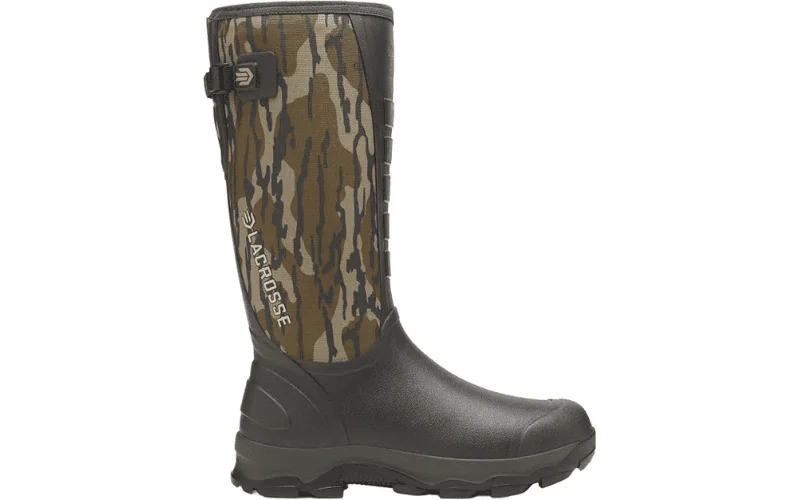
The LaCrosse Venom II is another snake-boot option for people who want integrated footwear and lower-leg protection. Before purchasing, check the current model specifications and availability because LaCrosse has offered several Venom snake-boot versions over time.
Pros:
- Tall snake-boot design
- Designed for outdoor use
- Integrated lower-leg protection
- Suitable for hunting and field activities
Cons:
- Waterproof versions may feel warmer in extreme desert heat
- Availability and specifications can vary by model
For Arizona buyers, pay particular attention to the exact Venom II version, its height, waterproofing, and available sizes before ordering
Danner Sharptail Snake Boot
The Danner Sharptail Snake Boot is a 17-inch model designed for hunting and outdoor use. The current version uses a waterproof GORE-TEX liner, full-grain leather and 900-denier nylon, and a flexible 360-degree snake guard. Danner lists the boot at 64 ounces per pair for the standard slip-on version and $350 at the time of checking.
Pros:
- 17-inch height
- 360-degree snake guard
- Waterproof GORE-TEX liner
- Full-grain leather and 900-denier nylon upper
- OrthoLite footbed
- Rugged outsole for uneven terrain
Cons:
- Premium price
- Heavier than many conventional hiking shoes
- Waterproof construction may feel warm during very hot hikes
The Sharptail is particularly worth comparing if you want a premium snake boot with documented waterproofing, protective construction, and a hiking-oriented outsole.
TideWe Snake Boots
TideWe offers several snake-boot models aimed at buyers looking for lower-cost protective footwear. Because model specifications and pricing can vary, check the exact product listing before purchasing rather than relying on a general description of the brand.
Pros:
- Generally positioned at a lower price point
- Tall protective design
- Several models available
- Suitable for buyers with a tighter budget
Cons:
- Materials and features vary by model
- Long-term durability may differ from premium footwear
- Fit and comfort should be checked carefully before a long hike
A TideWe model may make sense for occasional use, but Arizona hikers planning frequent or demanding backcountry trips should compare its construction and specifications with more established snake-boot options.
Thorogood Snake Boot
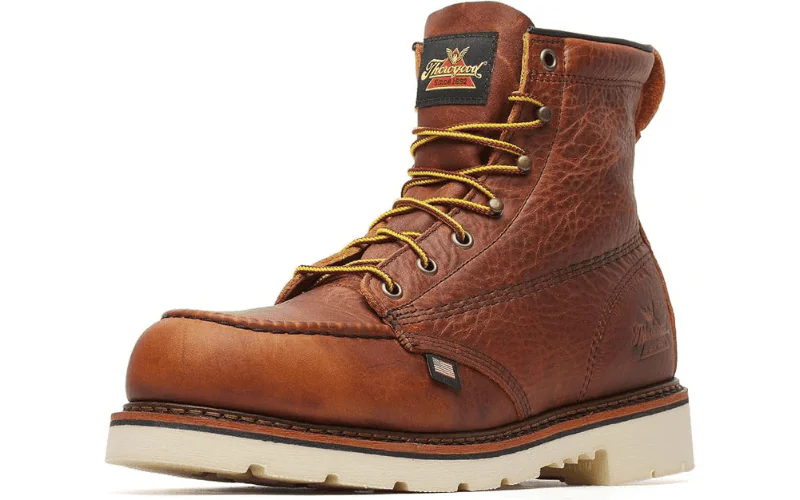
Thorogood offers snake-protection footwear designed primarily around outdoor and hunting use. These boots can be worth considering for users who prioritize rugged construction and support, although exact features vary by model.
Pros:
- Rugged outdoor-oriented construction
- Designed for field use
- Tall protective coverage on applicable models
- Suitable for hunting and outdoor work
Cons:
- Some models may be relatively heavy
- Less focused on lightweight desert hiking than dedicated hiking footwear
If you are comparing Thorogood with other snake boots, check the exact model’s height, protection materials, weight, waterproofing, and sole design before making a decision.
Dryshod ViperStopper
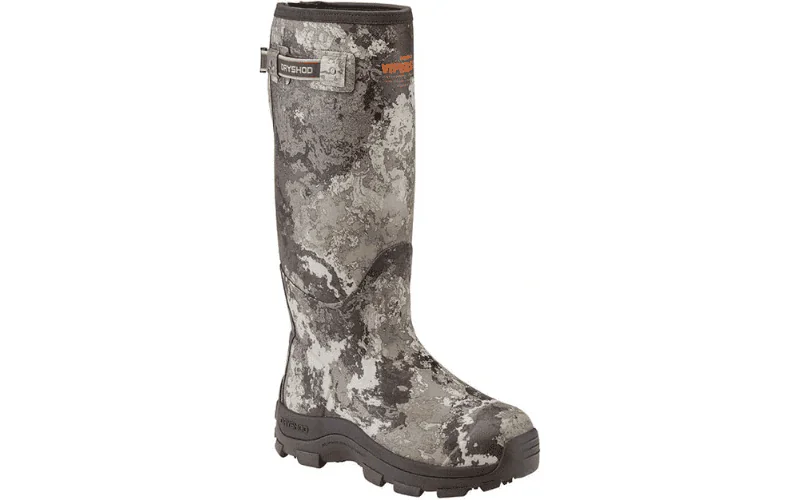
The Dryshod ViperStopper is designed for wet and muddy outdoor conditions where waterproof footwear is useful. Its design makes it more relevant to wet environments than to long hikes in extremely hot, dry desert conditions.
Pros:
- Waterproof design
- Easy to clean
- Useful in wet and muddy conditions
- Tall protective coverage
Cons:
- Less suited to very hot, dry desert hiking
- Can feel warmer than more ventilated hiking footwear
- May be unnecessary for typical dry Arizona trails
For Arizona use, this type of boot is more appropriate when wet ground or muddy conditions are a concern than when lightweight footwear is the main priority.
Snake Boot Comparison Table
| Snake Boot | Best Suited For | Height | Waterproof | Price Level |
|---|---|---|---|---|
| Irish Setter VaprTrek 3936 | Hiking and hunting | 17 in. | Yes | Premium |
| Rocky Lynx Snake | Outdoor and field use | 16 in. | Yes | Premium |
| LaCrosse Venom II | Wet-weather outdoor use | Varies by model | Yes on applicable models | Premium |
| Danner Sharptail Snake Boot | Hunting and rugged outdoor use | 17 in. | Yes | Premium |
| TideWe Snake Boots | Budget-conscious buyers | Varies by model | Varies by model | Budget |
| Thorogood Snake Boots | Hunting and outdoor work | Varies by model | Varies by model | Mid-range to premium |
| Dryshod ViperStopper | Wet and muddy conditions | Varies by model | Yes | Mid-range |
Are Snake Boots Worth It in Arizona?
Whether snake boots are worth buying in Arizona depends largely on where you hike, how often you are in snake habitat, and how much you value the additional coverage.
Arizona has a wide variety of rattlesnake species, and encounters can occur in desert areas, rocky terrain, washes, brush, and other suitable habitat. However, many people hike Arizona’s established trails without wearing snake boots.
Snake boots may be worth considering if you regularly:
- Hike off established trails
- Walk through dense desert vegetation or brush
- Explore remote backcountry areas
- Spend time photographing or observing wildlife
- Hunt or work in areas where snakes may be present
- Conduct land surveys, field research, or other outdoor work
For someone who mainly hikes maintained and well-traveled trails, regular hiking footwear may be sufficient for their needs. The trade-off is that snake boots add coverage around the lower leg but can also be warmer, heavier, and more expensive than conventional hiking footwear.
Before buying a pair, consider the terrain you normally encounter, the length of your hikes, Arizona’s heat, and whether you are comfortable wearing taller protective footwear. Snake boots are an additional layer of protection, not a substitute for watching where you step and giving snakes plenty of space.
Best Snake Boots for Arizona Rattlesnake Country
Arizona has 13 species of rattlesnakes, more than any other U.S. state. Depending on location, hikers may encounter species such as the Western diamondback, sidewinder, Mojave, and black-tailed rattlesnakes.
For Arizona hiking, choosing snake boots involves more than looking for maximum protection. The right pair should also suit the terrain, distance, weather, and type of hiking you normally do.
Desert trails can include loose rock, steep slopes, sandy washes, dense vegetation, and uneven ground. During hot weather, a tall protective boot can also feel warmer and heavier than conventional hiking footwear, particularly during longer hikes.
Breathability and weight therefore deserve attention alongside snake protection. A boot that provides substantial coverage but becomes uncomfortable after several hours may not be the best choice for your typical trail conditions.
Arizona’s terrain also varies considerably. Sonoran Desert trails around central and southern Arizona can include sandy washes, rocky slopes, and cactus-covered ground, while higher-elevation areas can have forests, cooler temperatures, and very different trail conditions.
Rather than choosing a boot simply because it has the highest price or the most features, consider where you actually hike. A person who regularly travels off established trails may have different footwear needs from someone who mainly uses maintained desert paths.
When comparing snake boots for Arizona, pay particular attention to protective construction, fit, weight, ventilation, sole traction, waterproofing, and overall durability. Matching those features to your normal hiking conditions can be more useful than choosing a boot based only on its brand or price.
Common Mistakes When Buying Snake Boots
Buying snake boots based only on their protective rating can lead to a poor choice for desert hiking. Protection matters, but the boots also need to work with your terrain, distance, weather, and normal hiking habits.
Choosing boots that are too heavy
A tall protective boot can weigh considerably more than regular hiking footwear. That extra weight may become noticeable on long hikes, steep climbs, or uneven rocky trails. Compare the manufacturer’s listed weight when possible and consider how much distance you normally cover.
Ignoring fit
A boot that doesn’t fit properly can cause heel movement, pressure points, or blisters. Try snake boots with the socks you normally wear for hiking and make sure your heel feels secure while your toes still have enough room.
Assuming every tall boot offers snake protection
Height alone does not make a boot a snake boot. Some hunting and outdoor boots provide extra leg coverage but are not specifically designed or tested for snake protection. Check the manufacturer’s specifications for the exact model.
Choosing waterproofing without considering Arizona’s heat
Waterproof construction can be useful in wet conditions, but it may also make a boot feel warmer. If most of your hikes take place on dry desert trails, consider whether waterproofing is actually important for your normal conditions.
Buying based only on price
A higher price does not automatically make a boot more suitable for your hiking style. Compare the features that matter to you, including protection, fit, weight, traction, durability, and weather resistance.
Before buying, think about your usual hiking distance, terrain, temperatures, need for waterproofing, preferred boot weight, and budget. The most useful pair is one that provides the protection you want while remaining comfortable enough to wear for the hikes you actually take.
How to Properly Fit Snake Boots
A proper fit matters with snake boots because you may wear them for several hours on uneven or steep terrain. The boots should feel secure without creating pressure points or restricting normal movement.
Your heel should stay reasonably stable as you walk, while your toes should have enough room to move without repeatedly hitting the front of the boot. Excessive heel movement can contribute to rubbing and blisters, especially during longer hikes.
When trying on snake boots:
- Wear the hiking socks you normally use.
- Check that your heel stays secure while walking.
- Make sure your toes have enough room without your foot sliding forward.
- Walk up and down an incline if possible.
- Pay attention to pressure around the ankle and calf.
- Bend or squat to make sure the boot does not create uncomfortable pressure.
- Try both boots and walk around for several minutes before deciding.
Your feet can swell during a long hike, particularly in hot weather. Trying boots later in the day can sometimes give you a better idea of how they will feel when your feet are slightly larger.
Don’t rely only on the size printed on the box. Different brands and models can fit differently, so check the manufacturer’s sizing information and return policy before ordering online.
Are Snake Boots Too Hot for Desert Hiking?
Heat is a legitimate consideration when choosing snake boots for Arizona. A tall protective boot generally covers more of the lower leg and can feel warmer than a lightweight hiking shoe or trail runner.
How hot a snake boot feels depends on several factors, including:
- Air temperature
- Hiking intensity
- Direct sun exposure
- Boot materials and construction
- Waterproofing
- Ventilation
- Personal tolerance for heat
Waterproof boots can be particularly warm during very hot and dry conditions because waterproof construction can reduce ventilation compared with more breathable footwear. On the other hand, waterproofing may be useful when hiking through wet vegetation, muddy areas, or during changing weather.
For summer desert hikes, pay close attention to the manufacturer’s description of the boot’s materials and construction rather than assuming that every snake boot offers the same level of ventilation.
If you find tall snake boots uncomfortable in hot weather, snake gaiters worn over breathable hiking footwear are another option to compare. They allow you to use your preferred hiking shoes while adding protection around the lower leg.
Moisture-wicking hiking socks can also improve comfort by helping manage sweat during longer hikes. Ultimately, the best choice depends on how much lower-leg protection you want and how much additional warmth you are comfortable with on your usual Arizona trails.
Snake Boots for Hunters, Photographers, and Outdoor Workers
Snake boots can also be useful for people who spend extended periods outdoors in areas where snakes may be present.
Hunters, wildlife photographers, land surveyors, ranchers, utility workers, and field professionals may work around brush, tall vegetation, rocky terrain, or remote areas where additional lower-leg coverage can be useful.
For these users, fit, traction, durability, weight, and weather resistance matter alongside snake protection. The right boot should match both the working environment and the amount of time spent on your feet.
How to Maintain Snake Boots
Proper care can help keep snake boots in good condition, especially after hiking on dusty, rocky, or abrasive desert trails.
After each hike, remove dirt, sand, and debris from the boots. Check the soles, stitching, laces, and protective areas for visible damage.
Basic maintenance includes:
- Cleaning dirt and debris after use
- Allowing boots to dry naturally
- Checking stitching and seams
- Inspecting laces and soles
- Following the manufacturer’s cleaning instructions
- Storing boots in a cool, dry place
Avoid prolonged exposure to direct sunlight or leaving boots inside a hot vehicle. Excessive heat can affect some footwear materials over time.
Always follow the care instructions provided by the manufacturer for your specific boots.
Frequently Asked Questions
Are snake boots really snake-proof?
It depends on where and how often you hike. They may be worth considering if you regularly travel through remote, brushy, or off-trail areas where snakes may be present. For hikers who mainly use maintained trails, conventional hiking footwear may be sufficient for their needs.
Are snake boots worth the money?
For hikers who frequently explore rattlesnake habitat, many consider them a worthwhile investment because they provide added confidence and protection.
Can rattlesnakes bite through hiking boots?
Regular hiking boots are not necessarily designed or tested to provide the same level of snake-bite resistance as footwear specifically made for snake protection. Check the manufacturer’s specifications for the exact boot rather than assuming that any hiking boot offers snake protection.
Do I need snake boots for Arizona hiking?
Not necessarily. Many people hike Arizona trails without snake boots. They may be worth considering if you frequently hike off established trails, through dense vegetation, or in remote areas where you want additional coverage around your feet and lower legs.
Are snake gaiters better than snake boots?
Neither option is automatically better. Snake boots combine footwear and lower-leg protection in one product, while gaiters can be worn over your existing hiking footwear. Your terrain, climate, preferred footwear, and hiking habits can determine which setup makes more sense.
How tall should snake boots be?
Snake boots are commonly designed as tall boots that extend well above the ankle, but the exact height varies by model. Check the manufacturer’s specifications to see how much of the lower leg the boot covers and where its protective material is located.
Can snake boots be worn for everyday hiking?
Some snake boots are designed for hiking and other outdoor activities, but they can be taller, heavier, or warmer than conventional hiking footwear. Whether they are suitable for everyday hiking depends on the specific model and your comfort preferences.
What are the best snake boots for desert hiking?
There is no single model that is best for every hiker. Options discussed in this guide include the Irish Setter VaprTrek, Rocky Lynx, LaCrosse Venom II, Danner Sharptail, TideWe, Thorogood, and Dryshod ViperStopper. Compare the exact model’s protection, fit, weight, waterproofing, and price before buying.
Final Thought
Choosing the best snake boots for desert hiking comes down to finding the right balance between protection, fit, weight, durability, and comfort for the conditions you actually hike in.
No snake boot can eliminate the possibility of a bite, but properly designed snake boots can provide additional coverage around the feet and lower legs when you’re hiking or working in areas where snakes may be present.
Before buying, consider your typical trail conditions, hiking distance, Arizona’s heat, need for waterproofing, and how comfortable you are wearing taller footwear. Compare the specifications of individual models rather than choosing solely by brand or price.
For some hikers, an integrated snake boot makes sense. Others may prefer their existing hiking footwear combined with snake gaiters for greater flexibility.
The right choice is ultimately the one that fits your feet, matches your normal outdoor conditions, and provides the level of coverage you are looking for without becoming uncomfortable during the activities you actually do.

Ravi Rathore is a field snake researcher and Arizona wildlife enthusiast who studies snake behavior, identification, and desert ecosystems. He focuses on helping hikers, homeowners, and outdoor explorers understand the difference between venomous and non-venomous snakes in Arizona. Through detailed guides and safety resources, he shares practical knowledge to help people stay safe while respecting native wildlife.