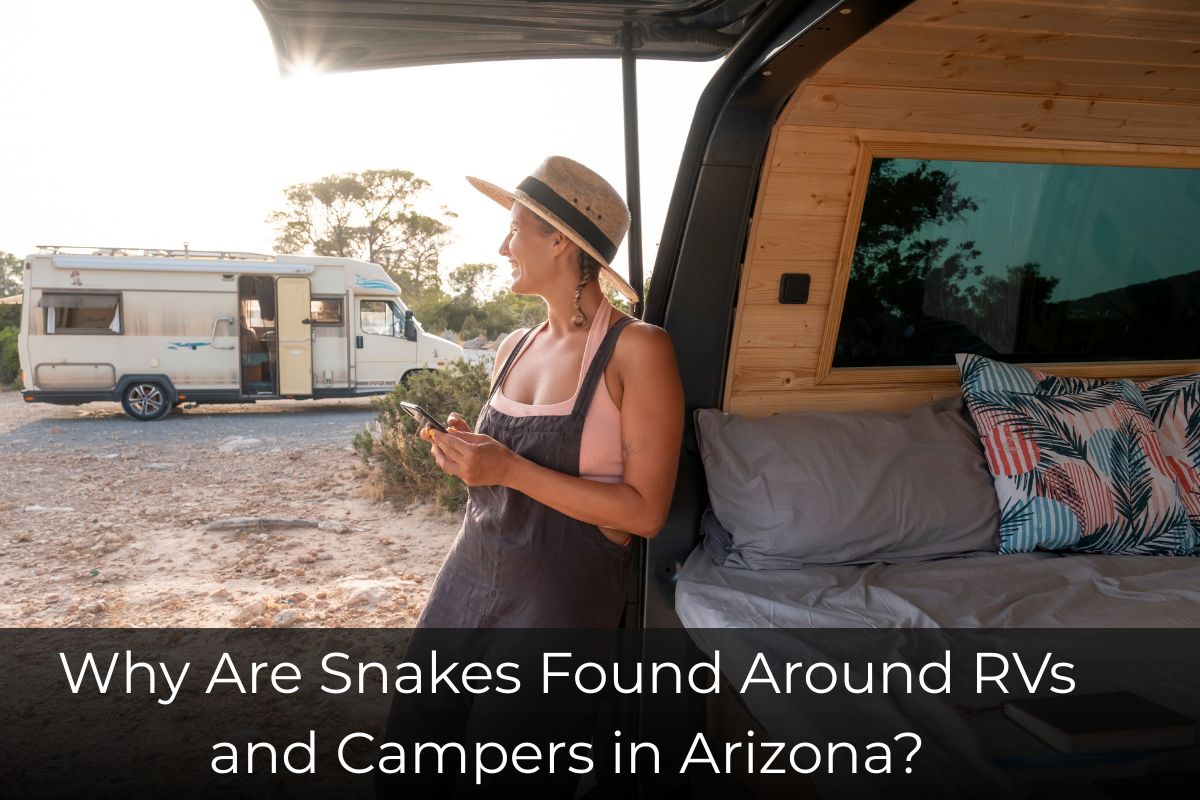
Why Are Snakes Found Around RVs and Campers in Arizona? Snakes may pass through campsites while looking for shelter, suitable temperatures, or prey. The shaded space beneath an RV, nearby vegetation, and clutter around camping equipment can provide places for wildlife to hide.
An RV does not automatically attract snakes. However, rodents, lizards, and other small animals around a campsite may provide food for some snake species.
Campers can reduce unwanted encounters by storing food securely, keeping the campsite tidy, checking equipment before moving it, and giving any snake plenty of space.
Why Are Snakes Found Around RVs and Campers in Arizona’s Desert Conditions?
Snakes don’t recognize RVs or campers as human structures. They simply respond to favorable environmental conditions.
Several features commonly found around campsites naturally attract wildlife.
Cool Shade During Hot Weather
Summer temperatures in Arizona can become extreme, particularly in lower desert areas.
The shaded space beneath an RV, travel trailer, or camper stays cooler than the surrounding ground during the afternoon. This protected area allows snakes to rest until temperatures become more comfortable after sunset.
Larger motorhomes with enclosed undercarriages provide even more shade, making them attractive temporary hiding places.
Shelter From Predators
Snakes spend much of their lives avoiding predators.
Open desert offers little protection, so anything that creates cover—including parked campers, trailers, outdoor furniture, or stacked camping equipment—can become a convenient hiding place.
These shelters help snakes remain hidden while conserving energy during the hottest part of the day.
Food Sources Around Campsites
Food is one of the biggest reasons snakes visit camping areas.
Improperly stored food, overflowing trash bins, pet food left outdoors, and bird activity can attract rodents. Lizards and insects are also common around campgrounds, providing another important food source for many Arizona snakes.
When prey animals become more active, snakes often follow.
Water Availability
Natural water sources are limited across much of Arizona.
Campgrounds often provide faucets, drinking stations, irrigation systems, or occasional puddles after rain. These areas attract birds, insects, rodents, and other wildlife that snakes may hunt.
Even a dripping water connection can increase animal activity around a campsite.
Planning hikes or campground activities? Read What Time of Day Are Snakes Most Active in Arizona? to understand when you’re most likely to encounter snakes outdoors.
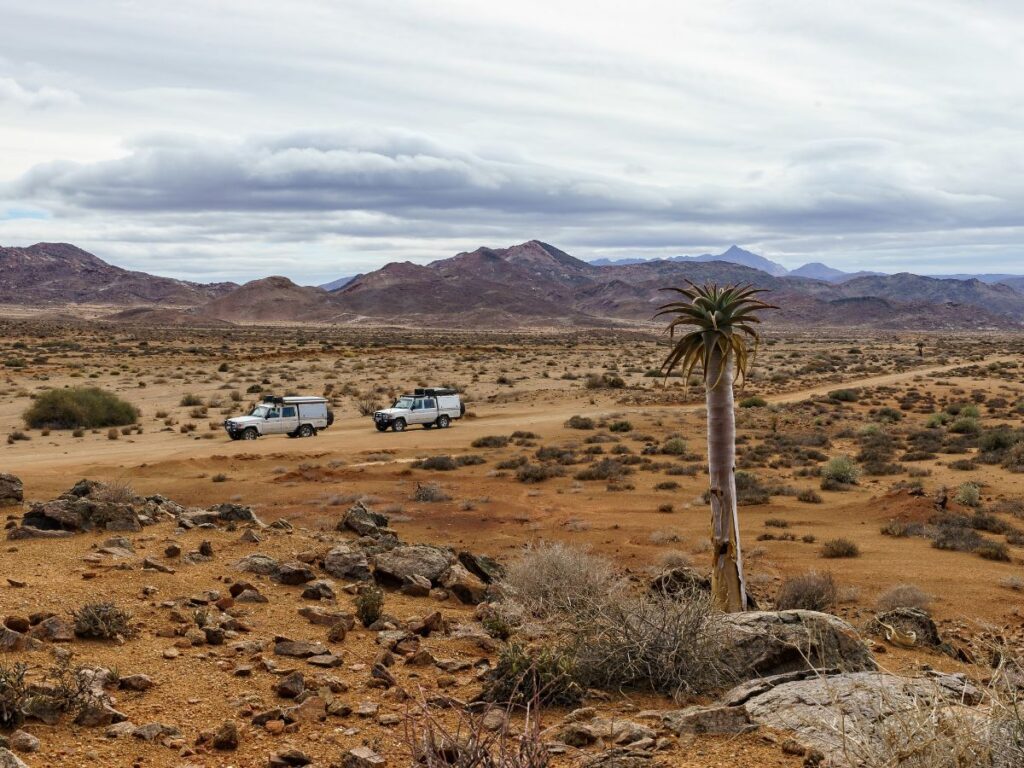
How to Reduce the Chances of Snakes Around Your RV or Camper
You can’t eliminate every chance of seeing a snake while camping in Arizona, but you can make your campsite much less attractive to wildlife.
A few simple habits often make the biggest difference.
Choose Your Campsite Carefully
Before parking your RV or setting up camp, spend a few minutes looking around the site.
Avoid campsites next to large rock piles, dense desert shrubs, abandoned burrows, or thick patches of tall grass. Open, well-maintained campsites usually provide fewer hiding places for snakes.
Keep the Campsite Clean
Food scraps, overflowing trash bags, and clutter can attract rodents and insects.
Dispose of garbage in designated containers, clean up after meals, and avoid leaving food outside overnight. A clean campsite discourages the animals that snakes hunt.
Store Food Properly
Keep human food, pet food, and cooking supplies inside your RV or in secure storage containers.
Never leave pet food bowls outside after dark. Even small amounts of leftover food can attract mice, which may eventually attract snakes.
Avoid Leaving Gear on the Ground
Camping chairs, sleeping bags, tarps, backpacks, and coolers left outside for long periods create shaded hiding spots.
When you’re not using your gear, store it inside the RV or place it on elevated surfaces whenever possible.
Inspect the Area Before Walking
If you’re camping in the desert, always look where you’re stepping, especially after sunset.
Use a flashlight when walking to restrooms or around your campsite at night. Many Arizona snakes become more active during cooler evening temperatures.
Keep Pets Close
Dogs are naturally curious and may investigate bushes, rock piles, or areas beneath an RV.
Keeping pets on a leash and supervising them around camp helps reduce the risk of unexpected wildlife encounters.
Do Snakes Come Out After Rain in Arizona? Summer monsoon storms often change wildlife activity. Learn how rainfall influences snake movement across Arizona.
Camping Habits That Increase Snake Encounters
Many snake sightings happen because campers unknowingly create favorable conditions.
Avoiding these common mistakes can help you enjoy a safer trip.
Leaving Firewood Beside the RV
Firewood stacked against an RV creates cool, protected spaces where rodents and insects may gather.
Store firewood several feet away from your campsite and only bring over what you need for the evening.
Feeding Wildlife
Some campers enjoy feeding birds or small animals.
This practice often attracts rodents and other wildlife, which can increase snake activity around the campsite.
Walking Barefoot After Dark
Warm evenings are one of the most active times for many Arizona snakes.
Wear closed-toe shoes and carry a flashlight whenever you’re walking around camp at night.
Ignoring Small Animal Burrows
Burrows made by rodents and other desert animals are often used by multiple species.
Avoid placing camping chairs, tents, or pet bedding directly beside active burrows.
Reaching Into Hidden Areas
Never place your hands beneath rocks, logs, camping equipment, or stored items without checking first.
A quick visual inspection helps prevent accidental surprises.
What Should You Do If You Find a Snake Near Your RV?
The best response is to stay calm and give the snake space.
Most snakes aren’t interested in people and will move away if they aren’t cornered.
Keep children and pets away from the area while the snake leaves on its own.
Never attempt to catch, kill, or handle a snake. Most bites happen when people try to move or provoke one.
If someone is bitten by a venomous snake, seek emergency medical care immediately. The Centers for Disease Control and Prevention (CDC) advises keeping the affected person as calm as possible, limiting movement, and avoiding home remedies such as cutting the wound, applying ice, or attempting to suck out the venom.
Final Thoughts
Snakes found around RVs and campers in Arizona are usually responding to their surroundings rather than the vehicle itself. Shade, natural cover, and nearby prey can bring wildlife through a campsite.
Keep food and rubbish secured, reduce clutter, inspect equipment before moving it, and use a flashlight when walking around after dark. If you encounter a snake, keep your distance and never try to catch or kill it.
You can enjoy camping in Arizona while respecting the wildlife that shares these outdoor spaces.
Ravi Rathore is a field snake researcher and Arizona wildlife enthusiast who studies snake behavior, identification, and desert ecosystems. He focuses on helping hikers, homeowners, and outdoor explorers understand the difference between venomous and non-venomous snakes in Arizona. Through detailed guides and safety resources, he shares practical knowledge to help people stay safe while respecting native wildlife.