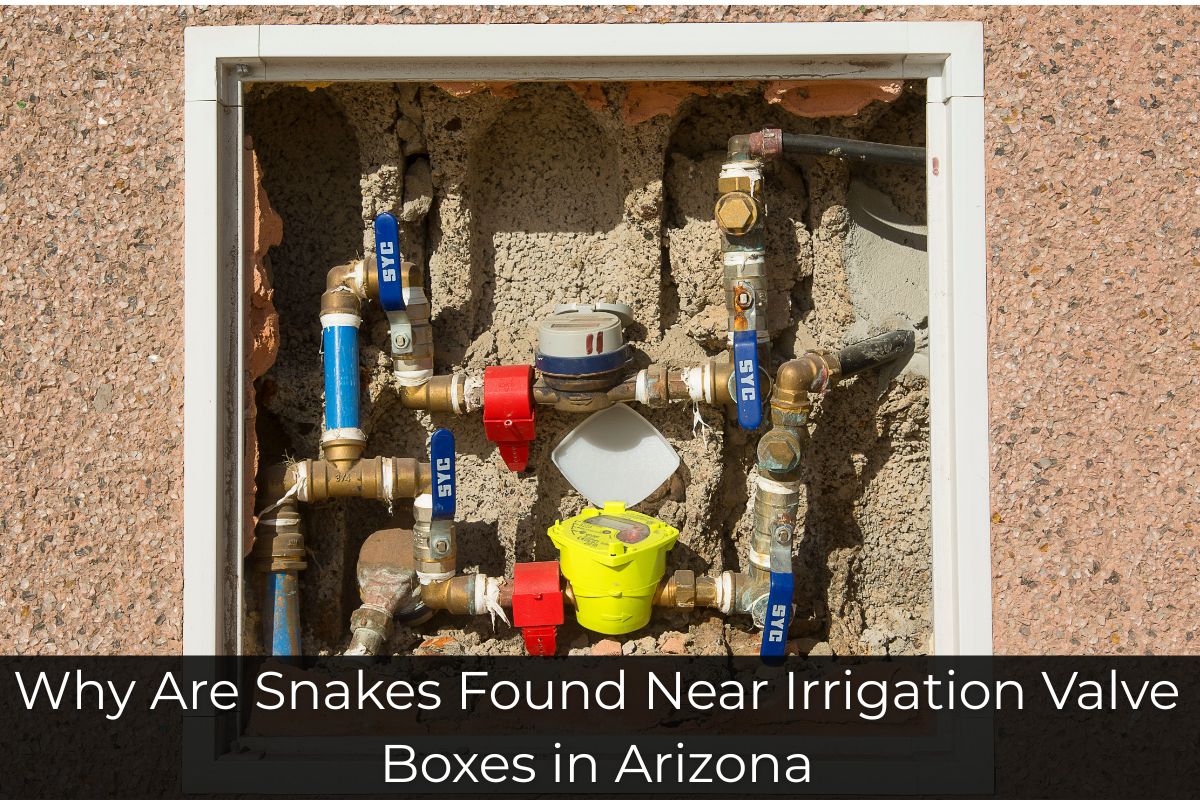
Why Are Snakes Found Near Irrigation Valve Boxes in Arizona?
If you’ve ever opened an irrigation valve box and found a snake nearby, you may wonder why are snakes found near irrigation valve boxes in Arizona. Irrigation valve boxes do not attract snakes because of the plastic or metal box itself. Instead, these small underground spaces can provide shade, moisture, protection, and access to insects or other small animals that snakes may hunt.
Arizona’s hot, dry climate makes sheltered areas especially valuable to wildlife. A valve box located beneath a lawn, beside a garden, or near desert landscaping can create a cooler environment than the surrounding ground. If irrigation water is leaking or the area stays damp, even more insects and small animals may gather nearby.
For homeowners, finding a snake near an irrigation box can be surprising, but it doesn’t necessarily mean the snake has made the box its permanent home. In many cases, the snake is simply moving through the yard or taking advantage of a temporary hiding place.
If you’re planning hikes or outdoor work, knowing what time of day are rattlesnakes most active in Arizona can help you avoid periods when snakes are more likely to be moving. Activity can shift with temperature, season, and weather, so early morning, evening, and nighttime may be more important during Arizona’s hottest months.
Why Are Snakes Found Near Irrigation Valve Boxes in Arizona?

The main reason snakes may be found near irrigation valve boxes is the combination of shelter, cooler temperatures, and nearby prey.
During the hottest parts of an Arizona day, exposed soil and gravel can become extremely hot. An underground valve box provides shade and protection from direct sunlight. A snake moving through the yard may investigate the opening because it offers a quick place to escape the heat.
Moisture can also make these areas more attractive to other wildlife. A leaking valve, damaged irrigation line, or frequently watered patch of soil may encourage insects, lizards, and rodents to spend time nearby. Snakes may then follow those food sources.
This means the irrigation system is usually an indirect factor. The snake is responding to the environment around the valve box rather than being attracted to the equipment itself.
During Arizona’s hottest months, rattlesnakes may seek cooler, protected spaces during the day. This can include areas beneath patios and other concrete surfaces, as explained in Why Do Snakes Hide Under Concrete Slabs in Arizona?
Why Irrigation Areas Stay Cooler
Arizona receives intense sunlight for much of the year, and exposed surfaces can become extremely hot.
Underground spaces remain more protected from direct heat. Even a relatively shallow valve box can provide a different temperature and humidity level compared with the surrounding surface.
Snakes are ectothermic animals, meaning they rely on external environmental temperatures to regulate their body temperature. They move between warmer and cooler locations throughout the day instead of maintaining a constant internal temperature like mammals do.
A shaded valve box can therefore become useful as a temporary resting location.
The snake may remain nearby during the hottest part of the day and become more active later when temperatures drop.
Knowing when rattlesnakes are active is especially useful if you spend time around your home’s exterior. You can also learn how snakes may move toward elevated areas in Can Snakes Climb Stucco Walls in Arizona?
Water Can Change the Wildlife Around a Valve Box
Irrigation systems introduce something that is limited in many Arizona landscapes: regular water.
A properly functioning irrigation system delivers water exactly where plants need it. But broken sprinkler heads, leaking valves, cracked pipes, and overspray can create unintended wet areas.
Even a small amount of standing moisture can change what lives around a particular part of the yard.
Insects may become more active. Lizards may follow the insects. Rodents may visit for water. Birds may also investigate the area.
A snake searching for food can eventually discover the same location.
This is why fixing irrigation leaks can be an important part of reducing unwanted wildlife activity.
Do Snakes Actually Live Inside Valve Boxes?
Usually, not permanently.
A valve box is a relatively small space and isn’t necessarily a suitable long-term habitat for a snake. It may provide temporary shelter, but snakes generally need access to food and suitable conditions beyond the box.
A snake may enter the area and leave later to hunt.
If you repeatedly find snakes around the same valve box, however, there may be a larger environmental reason. Nearby rodent burrows, dense vegetation, standing water, or other shelter may be making that part of the property especially attractive.
Rather than focusing only on the valve box, look at the surrounding landscape.
The area around your home can also affect when you notice a rattlesnake. A shaded patio, irrigation area, storage shed, or landscaped yard may provide cooler conditions than an exposed desert surface. If you’ve noticed snakes repeatedly around an outdoor structure, our article Why Are Snakes Found Near Outdoor Storage Sheds in Arizona? explains why these sheltered locations can become attractive.
What Snakes Are Likely to Visit Irrigated Areas?
Different snake species use different habitats, so there isn’t one particular snake associated with irrigation valve boxes.
Non-venomous species such as gopher snakes, coachwhips, kingsnakes, and other local snakes may travel through irrigated residential landscapes while searching for prey.
Venomous snakes can also occur in Arizona neighborhoods, particularly where homes border undeveloped desert or other natural habitat.
The presence of a snake near a valve box does not tell you whether it is dangerous. Identification should be based on the snake’s actual characteristics rather than the location where it was found.
If you’re unsure what you’ve seen, don’t approach it closely to get a better look.
Why Rodents Matter Around Irrigation Boxes
One of the biggest factors behind repeated snake sightings is prey availability.
Rodents need water just like other animals. An irrigation leak can create an attractive water source, especially during hot and dry weather.
Rodents may also hide beneath landscaping, inside irrigation trenches, near walls, or around outdoor structures.
If mice, pack rats, or other rodents become established near an irrigation valve box, snakes may eventually visit while hunting.
This is why eliminating the snake without addressing rodent activity may not solve the underlying problem.
Reducing food and shelter around the property is usually a better long-term approach.
Landscaping Around Valve Boxes Can Make a Difference
The area immediately surrounding an irrigation valve box can influence wildlife activity.
A box surrounded by dense shrubs, tall grass, decorative ground cover, or thick weeds is harder to inspect and provides more hiding places.
Open landscaping makes it easier to spot wildlife and reduces the number of sheltered routes available to snakes.
This doesn’t mean you need to remove all plants around your irrigation equipment.
Instead, maintain enough clearance that the valve box remains accessible and visible.
Spring rattlesnake activity can look very different from summer activity. During the cooler spring months, rattlesnakes may be seen during daylight as temperatures become comfortable. If you’re trying to understand when Arizona snakes become active throughout the year, our guide to snake activity after rain in Arizona is also useful because weather conditions can influence when snakes move around.
What Happens When a Valve Box Is Opened?
Opening a valve box can disturb whatever is inside or nearby.
If a snake is using the area as shelter, suddenly lifting the cover may cause it to move quickly.
That is one reason homeowners should avoid reaching inside immediately after removing the lid.
Before opening a valve box, look around the surrounding ground. Keep your hands away from dark spaces you cannot see clearly.
If you discover a snake, step back and give it room to leave.
There is rarely a good reason to handle a wild snake yourself.
Irrigation Maintenance Can Reduce Wildlife Activity
Regular irrigation maintenance is useful for more than keeping plants healthy.
Check sprinkler heads for leaks and make sure water isn’t constantly pooling around valve boxes.
Inspect exposed irrigation components for cracks or damage.
If you notice unusually wet soil in one location, investigate the cause rather than allowing the area to remain saturated.
A properly maintained irrigation system reduces unnecessary moisture and can make the surrounding landscape less attractive to insects and rodents.
Don’t Block or Seal a Valve Box Without Checking the System
If you find a snake near an irrigation valve box, don’t permanently seal the box shut.
The valves need to remain accessible for maintenance and repairs.
Blocking drainage or preventing technicians from reaching the equipment can create additional problems.
Instead, concentrate on correcting the conditions around the box that may be attracting wildlife.
If the box itself is damaged or improperly installed, an irrigation professional can determine the appropriate replacement or repair.
How Arizona’s Seasons Affect Snake Activity
Snake sightings around irrigation systems can change throughout the year.
Spring brings warmer temperatures and increasing wildlife activity. Snakes begin moving more frequently as their surroundings become suitable for hunting and reproduction.
Summer creates a different pattern. Extreme daytime heat can encourage snakes to seek shade and cooler shelter, making protected areas around irrigation systems more noticeable.
During fall, comfortable nighttime temperatures can keep snakes active while food remains available.
Winter generally reduces activity, although Arizona’s mild winter conditions mean snakes can still occasionally be seen on warm days.
These seasonal changes explain why a valve box that seems completely uneventful for months may suddenly become the location of a snake sighting.
How to Reduce Snake Activity Around Irrigation Valve Boxes
If snakes repeatedly appear near an irrigation valve box, look at the conditions surrounding it rather than focusing only on the box.
The goal is to make the area less attractive by reducing unnecessary moisture, prey, and hiding places.
Fix Irrigation Leaks
Check the valve box and nearby irrigation lines for leaks.
A small leak may not seem important, but constantly damp soil can attract insects and rodents. Those animals can eventually attract snakes.
Repair broken sprinkler heads, leaking connections, and damaged irrigation pipes promptly.
Keep Vegetation Trimmed
Trim grass, weeds, and dense plants around irrigation equipment.
You don’t need to remove landscaping completely. The goal is to maintain enough open space to inspect the valve box and surrounding ground safely.
Shorter vegetation also makes it harder for snakes to move unnoticed.
Remove Yard Debris
Stacks of wood, unused pots, cardboard, boards, rocks, and other debris can create additional hiding places.
Keep these materials away from irrigation equipment whenever possible.
A cleaner yard gives rodents and snakes fewer sheltered areas to use.
Control Rodents
If you see rodent droppings, burrows, gnaw marks, or other signs of activity near your irrigation system, address the problem.
Removing the food source can reduce the reason for snakes to visit.
This is particularly important in yards with bird feeders, outdoor pet food, fruit trees, or compost areas.
Should You Put a Snake Barrier Around the Valve Box?
A physical barrier isn’t usually necessary for a normal residential irrigation valve box.
Snakes can move through surprisingly small spaces, and attempting to create a complicated barrier may interfere with access to the irrigation equipment.
Instead, concentrate on maintaining the area around the box.
Keep the cover in good condition, repair gaps caused by damaged equipment, and prevent vegetation from completely covering the area.
If you have an unusually persistent wildlife problem, a qualified wildlife professional can evaluate the property and recommend appropriate measures.
What Not to Do When You Find a Snake
Finding a snake beside an irrigation valve can be startling, especially when you’re expecting to perform routine yard work.
Don’t reach into the valve box.
Don’t try to grab the snake.
Don’t hit it with a tool or attempt to force it out.
Don’t pour chemicals, gasoline, or other substances into the box.
These actions can injure the animal, damage your irrigation system, and create unnecessary danger for people and pets.
Instead, step away and give the snake an opportunity to move away naturally.
If the snake is venomous or you’re uncertain about its identity, keep children and pets away and contact a qualified professional if removal is necessary.
Be Especially Careful With Pets
Dogs are particularly likely to investigate unusual movement around irrigation equipment.
A curious dog may put its nose directly beside a valve box or attempt to chase a snake.
Keep pets away from the area until you know the snake has left.
Cats can also encounter snakes while exploring vegetation, walls, and landscaping.
Keeping pets supervised in areas where snakes are regularly seen can reduce the chance of a dangerous interaction.
When a Snake Near the Valve Box May Indicate a Bigger Problem
One snake sighting doesn’t necessarily indicate a serious wildlife problem.
However, repeated sightings can tell you something about the property.
If you regularly see snakes near the same irrigation area, inspect the surrounding yard for:
- Rodent burrows
- Leaking irrigation lines
- Standing water
- Dense vegetation
- Rock piles
- Wood or debris
- Gaps beneath concrete
- Openings around walls or structures
The snake may simply be following prey through an area that provides several useful resources.
Addressing those conditions can reduce future encounters.
Why Removing the Snake May Not Solve the Problem
Homeowners sometimes assume that removing one snake will eliminate snake activity.
It may not.
If the property provides abundant rodents, water, shelter, and suitable temperatures, another snake may eventually pass through.
Snakes are part of Arizona’s natural ecosystem, and many species provide useful pest control by eating rodents and other small animals.
Instead of trying to eliminate every snake from your yard, focus on reducing the conditions that bring them close to areas where people spend time.
If you encounter a snake near an irrigation valve box, the safest approach is to give it plenty of room and avoid trying to handle it. The Arizona Game and Fish Department provides additional information about living safely alongside Arizona wildlife and responding appropriately to wildlife encounters.
Final Thoughts
If you’re wondering why are snakes found near irrigation valve boxes in Arizona, the answer usually has more to do with the environment than the irrigation equipment itself. Valve boxes can provide shade and protection, while irrigation leaks and nearby vegetation can create conditions that attract insects, lizards, and rodents.
The most effective approach is to look at the entire area. Fix leaks, keep vegetation under control, remove unnecessary debris, and address rodent activity. These simple steps can make the space around your irrigation system less attractive to snakes without interfering with the equipment you need to maintain your yard.
Seeing a snake near a valve box doesn’t automatically mean it is living there or trying to enter your home. In many cases, it is simply passing through or taking advantage of temporary shelter. Give it plenty of space, avoid handling it, and let a qualified professional deal with the situation if removal becomes necessary.
Frequently Asked Questions
Why do snakes hide near irrigation valve boxes?
Irrigation valve boxes can provide shade, protection, and cooler conditions. If irrigation creates damp soil nearby, insects and rodents may also become more active, giving snakes a reason to visit.
Can snakes live inside irrigation valve boxes?
A snake may temporarily shelter inside or around a valve box, but the box is generally not a complete long-term habitat. The surrounding environment is usually more important.
Does standing water attract snakes?
Water generally attracts prey animals rather than snakes directly. Insects, rodents, birds, and lizards may gather around reliable water sources, and snakes can follow those food sources.
Should I check my valve box for snakes?
Yes, but use caution. Look around the area before opening it and never reach into a dark space that you cannot see clearly.
How can I keep snakes away from irrigation boxes?
Repair leaks, remove dense vegetation and debris, control rodents, and keep the area around the valve box open and easy to inspect.
Are rattlesnakes found near irrigation systems in Arizona?
They can be. Rattlesnakes occur throughout many parts of Arizona and may occasionally move through irrigated residential landscapes while searching for food, water, or shelter.
Do snakes damage irrigation systems?
Snakes generally don’t damage irrigation equipment. If a valve box is damaged, chewed, or leaking, rodents or other causes are more likely to be responsible.
Should I put chemicals in a valve box to keep snakes away?
No. Do not use gasoline, pesticides, mothballs, or other chemicals to repel snakes. They can create health and environmental hazards and may damage irrigation equipment.
Ravi Rathore is a field snake researcher and Arizona wildlife enthusiast who studies snake behavior, identification, and desert ecosystems. He focuses on helping hikers, homeowners, and outdoor explorers understand the difference between venomous and non-venomous snakes in Arizona. Through detailed guides and safety resources, he shares practical knowledge to help people stay safe while respecting native wildlife.