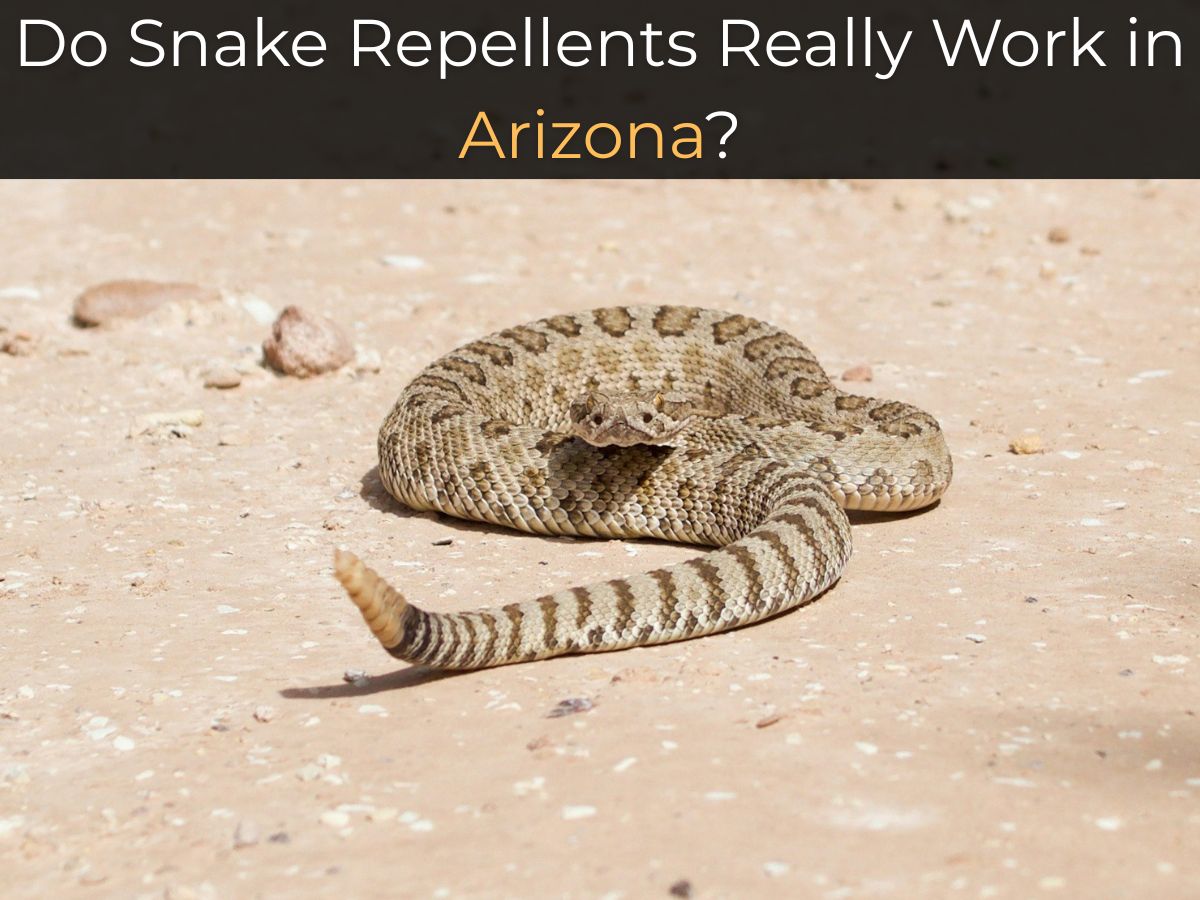
Living in desert regions comes with many unique experiences, and encountering wildlife is one of them. Among the most common concerns for homeowners is snake activity around homes and yards. Because of this, many people search online asking do snake repellents really work in Arizona before spending money on sprays, granules, or electronic devices.
Understanding do snake repellents really work in Arizona is extremely important, especially for families living near desert landscapes, mountains, or open land. The idea of using a simple product to keep snakes away sounds convenient, but the reality is more complex. Snake behavior depends on environment, temperature, food availability, and shelter — not just on smells or chemicals.
This detailed guide will help you understand the truth about snake repellents, what actually works, what does not work, and how Arizona homeowners can protect their property safely and effectively.
Why Snake Repellents Are Popular in Arizona
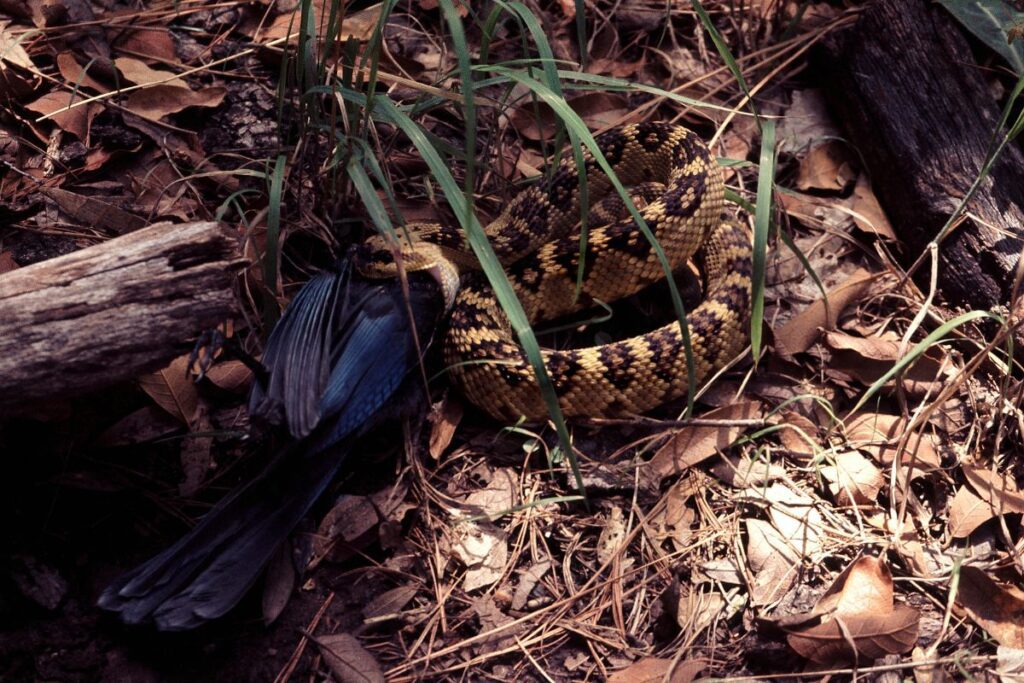
Arizona has a warm climate with desert terrain that naturally supports snake populations. Many species live in rocky areas, dry grasslands, and residential neighborhoods that border natural habitats. Because snakes sometimes enter yards while searching for food or shelter, homeowners often look for quick solutions.
This is where repellents become attractive. People want something simple that can create a protective barrier around their home. Advertisements often promise that certain products can stop snakes from entering properties completely.
However, before trusting these claims, it is necessary to understand do snake repellents really work in Arizona based on real behavior patterns of snakes.
How Snake Repellents Are Supposed to Work
Most snake repellent products claim to work by affecting the snake’s sense of smell or by creating an unpleasant environment. Snakes use their tongues to collect scent particles from the air and ground. These particles are then processed through a special organ in the roof of their mouth, helping them locate prey and navigate their surroundings.
Manufacturers design repellents with strong odors or chemicals that are meant to confuse or irritate this sensory system. In theory, snakes should avoid treated areas because they feel uncomfortable.
Some repellents also claim to create vibrations or ultrasonic sounds that drive snakes away. These devices are often marketed as long-term solutions that can protect yards automatically.
But the key question remains: do snake repellents really work in Arizona’s desert conditions?
Types of Snake Repellents Available
There are several types of products sold to homeowners. Each works differently and has varying levels of effectiveness.
Chemical Granules
Granular repellents are spread around the perimeter of yards, gardens, or walls. These often contain sulfur or naphthalene, which produce strong smells. The goal is to create a barrier that snakes will not cross.
While these products may have some effect in certain situations, wind, rain, and extreme heat can reduce their strength quickly. In Arizona’s hot climate, chemicals may evaporate faster than expected.
Liquid Sprays
Liquid repellents are applied directly to surfaces like fences, rocks, or entry points. These sprays may need frequent reapplication because sunlight and dry air can weaken them.
Sprays might work temporarily in small areas, but covering large desert yards is often difficult.
Natural Repellents
Some homeowners prefer natural solutions such as essential oils, garlic mixtures, or vinegar sprays. These are considered safer for pets and children.
However, there is limited scientific evidence that natural repellents consistently stop snakes from entering properties.
Ultrasonic Devices
Electronic devices claim to emit vibrations or sound waves that disturb snakes. These are placed in the ground and powered by batteries or solar panels.
While they may affect some burrowing animals, their impact on snakes is uncertain. Desert soil conditions and open spaces can limit how far vibrations travel.
The Centers for Disease Control and Prevention also recommend seeking immediate medical care in case of any suspected venomous snake bite.
Real Truth: Do Snake Repellents Really Work in Arizona?
The honest answer is that snake repellents alone are usually not enough to protect a property. They may reduce snake activity in specific situations, but they rarely provide complete protection.
Snakes are wild animals that adapt to their environment. If a yard offers food, water, or shelter, they may ignore unpleasant smells and still enter the area.
Arizona’s climate also plays a major role. High temperatures, dust, and dry winds can reduce the effectiveness of chemical barriers. This is why homeowners should not rely only on repellents when trying to solve snake problems.
Understanding do snake repellents really work in Arizona means recognizing that they are just one small part of a larger prevention strategy.
Homeowners can follow practical yard safety tips explained in How to Keep Snakes Away in Arizona.
Why Snakes Come Into Yards in the First Place
To truly reduce snake encounters, it is necessary to understand why snakes visit residential areas.
Search for Food
Rodents, birds, lizards, and insects attract snakes. If these prey animals live in or around a yard, snakes may follow them.
Need for Shelter
Snakes look for cool, shaded places during hot days. Rock piles, wood stacks, dense plants, and cluttered storage areas provide perfect hiding spots.
Access to Water
Even desert snakes require water occasionally. Pet bowls, leaking irrigation systems, or garden features can attract wildlife.
Seasonal Movement
During spring and fall, snakes travel more often while searching for mates or new habitats.
Repellents cannot remove these natural motivations. This is why prevention methods must focus on changing the environment itself.
Understanding food sources is important. Learn more in What Attracts Snakes to Your Yard in Arizona.
What Actually Works Better Than Snake Repellents
Homeowners who want long-term protection should combine repellents with practical landscaping and safety measures.
Yard Cleaning and Maintenance
Removing clutter reduces hiding places for snakes and rodents. Keeping grass trimmed and clearing fallen branches makes yards less attractive.
Sealing Entry Points
Small gaps under fences, holes in walls, or spaces near gates can allow snakes to enter. Closing these openings is one of the most effective steps.
Rock and Debris Management
Stacked rocks and unused materials create cool shelters. Organizing or removing them can significantly reduce snake activity.
Proper Lighting
Outdoor lighting can help homeowners notice movement at night and discourage prey animals from staying near homes.
Pet Food Control
Leaving food outdoors may attract rodents, which then attract snakes.
These simple changes often provide better results than relying on repellents alone.
Snakes often stay in shaded areas described in Where Do Snakes Hide Around Homes in Arizona.
Are Snake Repellents Worth Buying?
For some homeowners, repellents can be useful as an additional safety measure. They may help reduce snake presence in small, controlled spaces like gardens or patios.
However, they should not be seen as a guaranteed solution. Spending large amounts of money on multiple products without addressing environmental factors may lead to disappointment.
Before purchasing, it is wise to consider:
- Size of the property
- Presence of natural habitat nearby
- Level of snake activity
- Maintenance effort required
Using repellents as part of a combined approach is usually the most practical strategy.
Snakes may enter properties in different ways explained in Can Snakes Climb Walls in Arizona.
Safety Tips When Using Snake Repellents
If you decide to use repellents, follow basic safety guidelines.
- Read product instructions carefully
- Keep chemicals away from children and pets
- Reapply products as recommended
- Avoid mixing different chemical treatments
- Wear gloves when spreading granules
Proper use helps reduce risks while improving effectiveness.
When to Seek Professional Help
If snake sightings become frequent or if dangerous species are suspected, professional wildlife services may be necessary. Experts understand local snake behavior and can provide safe removal or habitat advice.
In many cases, they also identify conditions around homes that encourage snake activity.
Seeking expert help is especially important if a snake is found inside the house or near sleeping areas.
Some repellents may affect species listed in Common Backyard Snakes in Arizona.
Long-Term Strategy for Arizona Homeowners
Understanding do snake repellents really work in Arizona leads to a bigger lesson about living in desert environments. Wildlife management is not about eliminating animals but about reducing unwanted encounters.
Homeowners who focus on prevention, awareness, and property maintenance usually experience fewer problems.
A balanced strategy may include:
- Occasional use of repellents
- Regular yard inspections
- Seasonal preparation
- Education about local snake species
- Safe response plans for encounters
This approach provides peace of mind while respecting natural ecosystems.
According to wildlife experts from the Arizona Game and Fish Department, homeowners should focus more on habitat control than relying only on chemical repellents.
Final Thoughts
So, do snake repellents really work in Arizona? They can help in certain situations, but they are not a complete solution. Snakes respond more strongly to environmental conditions than to chemical smells or electronic vibrations.
The most effective way to reduce snake activity is to remove food sources, eliminate hiding spots, and maintain clean outdoor spaces. Repellents should be used as supportive tools rather than primary defenses.
By understanding snake behavior and taking practical steps, Arizona homeowners can significantly lower the chances of unwanted encounters. With awareness and preparation, living near desert wildlife becomes safer and less stressful.
FAQ
Do natural snake repellents work in Arizona?
Natural repellents may have limited short-term effects, but they usually do not provide reliable long-term protection.
How often should snake repellent be applied?
Most products require reapplication every few weeks, especially during hot or windy weather.
Can snake repellents keep rattlesnakes away?
Repellents may reduce activity temporarily, but they cannot guarantee that rattlesnakes will avoid a property.
What is the best way to prevent snakes in yards?
Keeping yards clean, sealing gaps, and removing rodent food sources are the most effective prevention methods.

Ravi Rathore is a field snake researcher and Arizona wildlife enthusiast who studies snake behavior, identification, and desert ecosystems. He focuses on helping hikers, homeowners, and outdoor explorers understand the difference between venomous and non-venomous snakes in Arizona. Through detailed guides and safety resources, he shares practical knowledge to help people stay safe while respecting native wildlife.