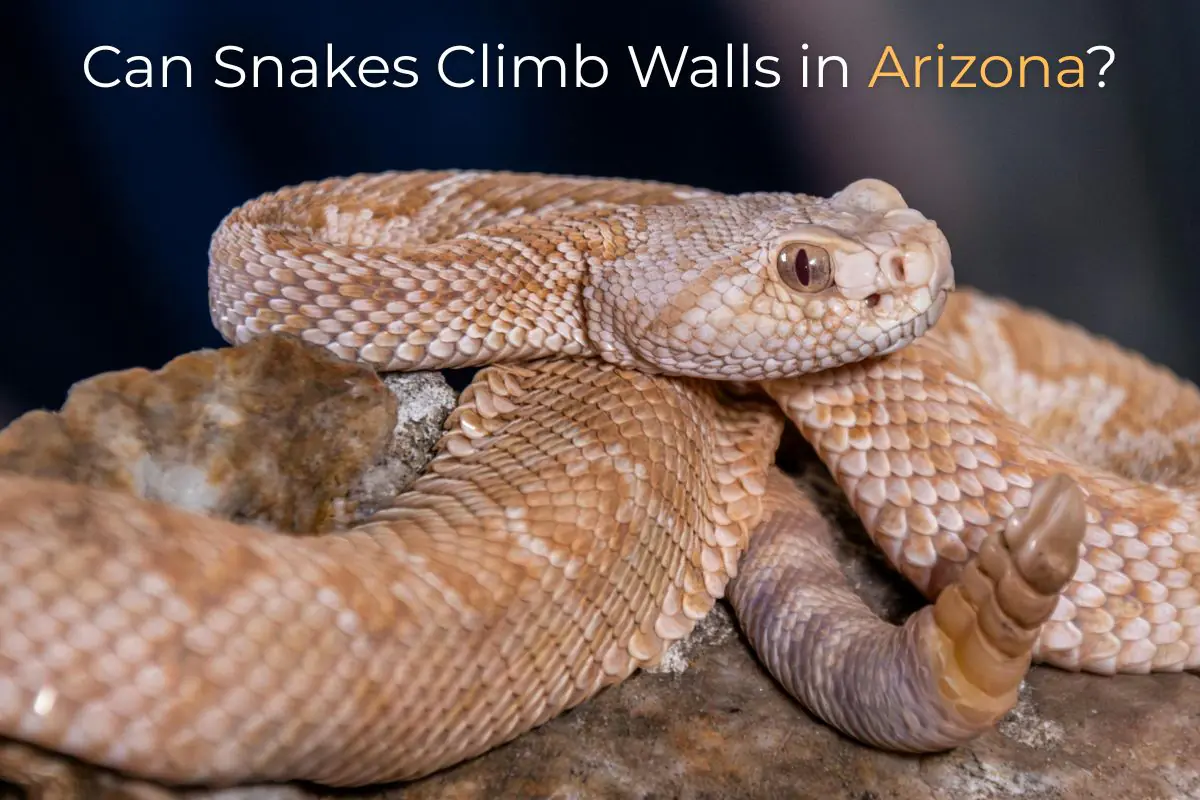
Arizona homeowners often wonder whether snakes can climb walls, fences, or other structures around their properties. A common question that often comes up among Arizona residents is can snakes climb walls in Arizona. Homeowners sometimes believe that tall fences or block walls will completely stop snakes from entering their property. However, the truth is a little more complicated.
Understanding whether snakes can climb walls in Arizona can help homeowners identify potential access routes around their property. While not every snake species is a strong climber, some snakes are surprisingly skilled at moving over obstacles like rocks, trees, fences, and even certain types of walls. Their bodies are designed for flexibility and grip, which allows them to move in ways that many people do not expect.
In Arizona’s desert landscape, snakes have adapted to survive in rugged terrain. These natural abilities sometimes allow them to move across surfaces that may appear difficult or even impossible for other animals. Knowing how snakes move and climb can help homeowners better understand how to keep their yards and homes safe.
Snakes that appear near walls and fences may also use shaded areas and other sheltered locations around homes. See our guide on Where Do Snakes Hide Around Homes in Arizona.
How Snakes Move and Climb
Snakes do not have legs, yet they are capable of traveling across many different surfaces. Their bodies contain powerful muscles and flexible ribs that allow them to press against surfaces and move efficiently across different types of terrain. Snakes use several forms of locomotion, including lateral undulation and rectilinear movement. The method they use depends on the surface and the situation.
When climbing, snakes use a combination of body pressure and friction. They press parts of their bodies against surfaces to create grip and slowly move upward or forward. Even rough vertical surfaces can sometimes provide enough friction for a snake to climb.
This is why the question can snakes climb walls in Arizona does not always have a simple yes or no answer. The ability to climb depends on several factors, including the species of snake, the type of wall, and the surrounding environment.
If rodents or insects are present, snakes may enter residential areas. Learn more about What Attracts Snakes to Your Yard in Arizona.
Types of Walls Snakes May Be Able to Climb
Not all walls are the same when it comes to preventing snakes from entering a yard. Some surfaces provide more grip than others, which can make climbing easier for certain snake species.
Rough Stone or Rock Walls
Natural rock surfaces are the easiest for snakes to climb. The small cracks and uneven edges provide many places for snakes to grip with their scales and muscles. In desert environments, snakes often climb rocks while searching for shelter or food.
If a yard has decorative rock walls or stacked stone landscaping, it may be possible for a snake to climb them, especially if plants or objects nearby provide additional support.
Brick or Textured Walls
Brick walls sometimes have enough texture for a snake to grip while climbing. Mortar lines between bricks can also create small ledges that make climbing easier. While not every snake will attempt this, some species can move upward if the surface provides enough friction.
Wooden Fences
Wood fences may also allow snakes to climb, especially if the boards have rough surfaces or horizontal supports. Snakes can use these small structures like steps, slowly moving upward.
If plants or branches are touching the fence, climbing becomes even easier because snakes can use them as a bridge.
Smooth Block Walls
Smooth concrete or stucco walls are usually more difficult for snakes to climb. These surfaces provide less grip, making it harder for snakes to move upward. However, if nearby objects like trees, vines, or stacked materials touch the wall, snakes may use them to reach the top.
So, whether a snake can climb a wall depends largely on the surface, the snake species, and whether nearby objects provide additional support.
Some of the climbers mentioned here are also listed among the Common Backyard Snakes in Arizona that residents frequently see.
How to Reduce the Chances of Snakes Climbing Around Your Home
While you can’t completely prevent wildlife from entering your property, you can make your home’s exterior much less attractive to climbing snakes.
Most prevention focuses on removing easy access routes and reducing food sources.
Trim Trees and Shrubs
One of the easiest improvements is keeping branches away from your home’s exterior.
Trees, shrubs, and climbing vines that touch stucco walls create natural bridges for snakes, rodents, and other wildlife. Trimming them back by several feet reduces these access points.
Remove Rodent Food Sources
Rodents are one of the biggest reasons snakes visit residential properties.
Store bird seed and pet food in sealed containers, clean up fallen fruit, and avoid leaving pet food outside overnight. When rodents become less common, snakes are less likely to spend time around your home.
Keep Decorative Rock Areas Clean
Decorative gravel and rock landscaping are popular throughout Arizona, but they can also provide hiding places for lizards and rodents.
Remove unnecessary debris, stacked materials, and dense ground cover around rock beds to make them less attractive to wildlife.
Inspect Exterior Walls
Walk around your home every few months and look for anything touching the stucco.
Trellises, stored ladders, stacked lumber, and unused equipment placed against the wall can create easier climbing routes.
Seal Exterior Openings
Although this article focuses on climbing, it’s also important to inspect your home for gaps around vents, utility lines, and doors.
A snake that reaches the wall still needs an opening to enter the house. Properly sealed entry points greatly reduce that possibility.
Can Rattlesnakes Climb Walls?
Rattlesnakes are one of the most well-known snake species in Arizona, and many residents worry about encountering them. Rattlesnakes are generally better suited to moving along the ground and uneven terrain than climbing vertical structures.
Rattlesnakes are heavy-bodied snakes that usually prefer staying close to the ground. They are more commonly found moving across rocky terrain, desert trails, or shaded areas rather than climbing vertical structures.
However, rattlesnakes can climb small rocks, low ledges, or uneven surfaces if necessary. This means they may still reach areas near homes if there are rocks, stacked materials, or landscaping features nearby.
This is one reason homeowners should also check gaps under fences, openings around gates, and other ground-level access points instead of focusing only on the height of a wall.
Snake Species in Arizona That Climb Well
Some snake species in Arizona are much better climbers than rattlesnakes. These snakes are often lighter and more flexible, which helps them move through trees, bushes, and other structures.
Examples include:
Coachwhip Snakes
Coachwhip snakes are fast-moving desert snakes that can climb bushes and low trees while searching for prey. They are often seen in open desert areas but may also appear near residential landscapes.
Gopher Snakes
Gopher snakes are common in many parts of Arizona and are known to climb when searching for food such as rodents or bird nests. They may climb rocks, shrubs, and occasionally fences.
Kingsnakes
Kingsnakes are strong climbers and sometimes move through trees or bushes while hunting other snakes or small animals.
Can Snakes Climb Fences to Enter Yards?
Fences are often built to keep animals out, but snakes may still find ways to enter yards. Climbing is one possibility, but it is not the only way snakes get inside residential spaces.
Snakes may enter through:
- small gaps under fences
- openings around gates
- holes in the ground
- spaces between fence boards
Even if a fence is tall, a snake might simply slide underneath if there is enough space.
In many cases, snakes enter yards not because they want to be near humans but because the environment provides food or shelter.
Can Snakes Reach Roofs or Balconies?
In some situations, yes.
However, most snakes don’t climb directly onto a roof using only the wall.
They’re more likely to reach elevated areas by combining several climbing surfaces.
For example, a snake might move from landscaping onto a retaining wall, then to a fence, tree branch, or decorative feature before reaching part of the home.
This is much easier than climbing a long, uninterrupted vertical wall.
Homes with overgrown vegetation touching the roof provide significantly easier access than homes with trimmed landscaping.
What Attracts Snakes Near Walls and Fences
Areas along walls and fences can provide shade or shelter for rodents, insects, and other small animals that snakes may prey on.These animals are common food sources for snakes.
If a yard has conditions that support rodents, snakes may follow them into the area. This is why snake sightings often occur near rock piles, dense plants, or cluttered spaces along walls.
Homeowners who want to reduce snake activity should focus on removing food sources and hiding places. When these conditions are removed, snakes are less likely to remain in the area.
When Snake Sightings Are Most Common
In Arizona, snakes are usually most active during warmer months when temperatures encourage movement and hunting.
Spring and early summer are common times for sightings because snakes emerge from winter shelters and begin searching for food. During the hottest months, many snakes become more active during evening or nighttime hours.
This behavior is part of the natural desert ecosystem and does not necessarily mean that snake populations are increasing near homes.
What to Do If You See a Snake on a Wall or Fence
Seeing a snake climbing or resting on a structure can be surprising, but it is important to remain calm. Most snakes prefer to avoid people and will move away if they feel threatened.
If you see a snake:
- Keep a safe distance.
- Do not attempt to touch or capture it.
- Keep pets and children away from the area.
- Allow the snake to move away naturally.
Final Thoughts
So, can snakes climb walls in Arizona? Some snakes can climb certain walls, fences, and other structures, particularly when the surface provides enough texture or nearby objects provide support. The ability varies by species and by the structure itself.
Homeowners should therefore look beyond wall height when trying to reduce snake access. Keeping vegetation trimmed, sealing openings, reducing hiding places, and limiting conditions that attract rodents can make a property less attractive to snakes.
Arizona’s desert environment supports a wide variety of wildlife, including snakes that play an important role in controlling rodent populations. With the right knowledge and precautions, residents can enjoy their surroundings while keeping their homes safe.

Ravi Rathore is a field snake researcher and Arizona wildlife enthusiast who studies snake behavior, identification, and desert ecosystems. He focuses on helping hikers, homeowners, and outdoor explorers understand the difference between venomous and non-venomous snakes in Arizona. Through detailed guides and safety resources, he shares practical knowledge to help people stay safe while respecting native wildlife.