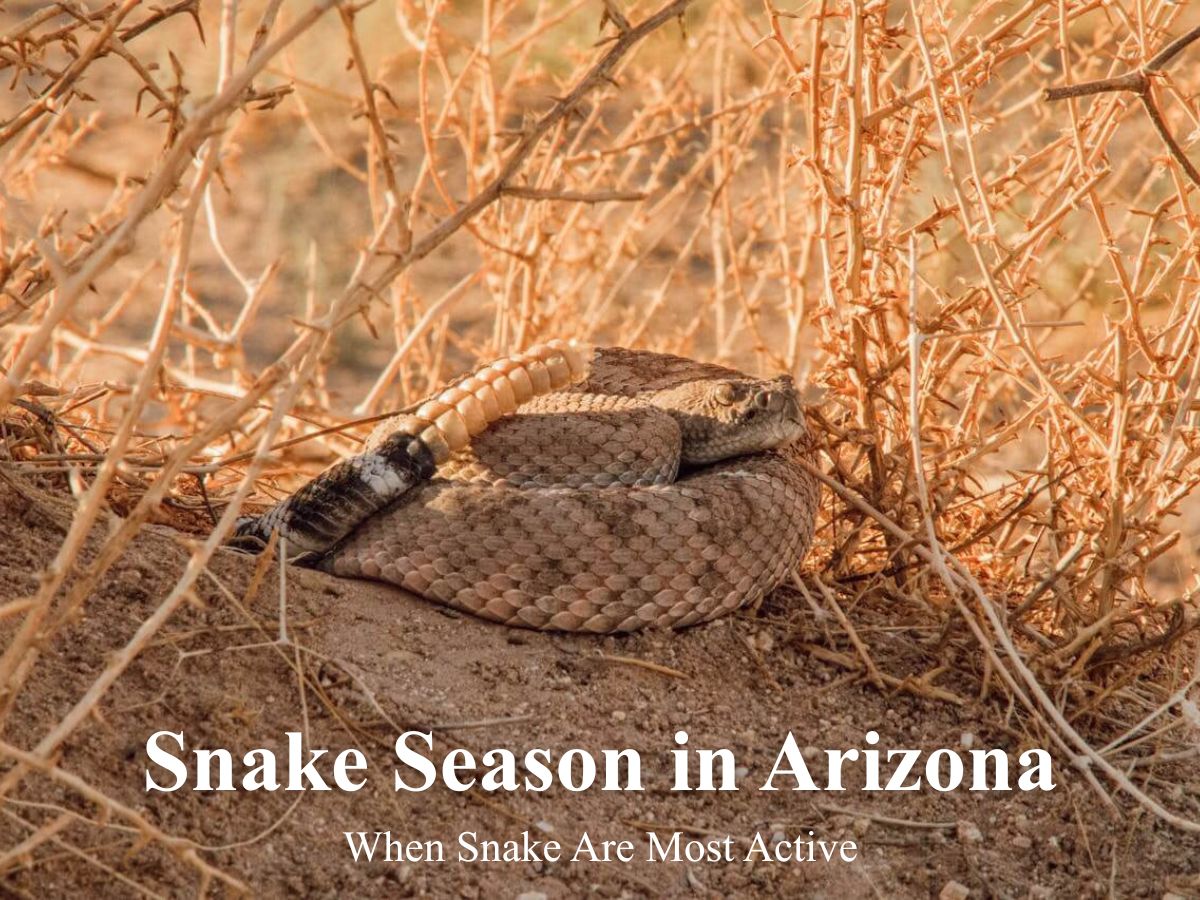
If you live in or plan to visit Arizona, understanding snake season in Arizona is essential. Snakes are a natural part of the desert ecosystem, and their activity changes throughout the year depending on temperature, weather, and environment. Knowing when snakes are most active in Arizona can help you avoid unwanted encounters and stay safe whether you’re hiking, working outdoors, or just relaxing at home.
In this guide, you’ll learn exactly when snake season starts, peak months of activity, and how behavior changes across seasons, along with practical safety tips that actually make sense in real-life situations.
When Does Snake Season Start in Arizona?
Snake season in Arizona typically begins in early spring, around March, when temperatures start rising after winter.
During winter, most snakes go into a dormant state similar to hibernation (called brumation). As soon as daytime temperatures consistently rise above 70°F (21°C), snakes begin to emerge.
What happens in early season:
- Snakes come out to warm up in the sun
- They begin searching for food after winter
- Movement is slower, but visibility increases
This is when many people first start seeing snakes on:
- Hiking trails
- Desert roads
- Backyards
Peak Snake Season in Arizona (Most Active Months)
The most active snake season in Arizona usually falls between:
April – June
This is when snake encounters are most common.
Why activity is highest:
- Ideal temperature (not too hot, not too cold)
- Increased prey (rodents, lizards)
- Mating season for many species
What to expect:
- Snakes moving during daytime and evening
- More sightings on trails and suburban areas
- Higher chance of encountering rattlesnakes
Summer Snake Behavior (July – August)
Arizona summers get extremely hot, and snakes adjust their behavior to survive.
What changes in summer:
- Snakes become nocturnal (active at night)
- They avoid daytime heat
- They hide under:
- Rocks
- Shade
- Structures
Real-life situation:
You’re less likely to see snakes in the afternoon, but more likely to encounter them:
- At night walks
- Early morning
- Around cooled surfaces like patios
Fall Snake Activity (September – October)
As temperatures start dropping, snakes become active again – but for a different reason.
Fall behavior:
- Increased movement before winter
- Feeding to prepare for dormancy
- Searching for shelter
Good news:
- Activity is moderate – not as intense as spring
Winter (November – February): Are Snakes Active?
During winter, snake activity drops significantly.
What happens:
- Snakes go into brumation
- They stay hidden in:
- Rock crevices
- Burrows
- Underground spaces
Important:
You may still see snakes on warmer winter days, but it’s rare.
Snake Activity Around Homes in Arizona
Snake season doesn’t just affect hikers – it also impacts homeowners.
Snakes are often attracted to residential areas because of:
What attracts snakes:
- Rodents (food source)
- Water sources (pools, irrigation)
- Shade and shelter (wood piles, debris)
Common places to find snakes:
- Garages
- Under rocks
- Near fences
- Garden areas
When Are Snake Bites Most Likely?
Snake bites in Arizona are more likely during:
- Spring and early summer (April–June)
- Evening hours in summer
- When people:
- Step off trails
- Reach into hidden spaces
- Try to handle snakes
For general snake bite safety and medical advice, refer to guidelines from the Centers for Disease Control and Prevention (CDC).
Important truth:
Most bites happen because of human mistakes – not snake aggression
Safety Tips During Snake Season Arizona
Understanding snake season is only useful if you know how to act.
When hiking:
- Stay on marked trails
- Watch where you step and place your hands
- Wear boots and long pants
- Avoid tall grass and rocky hiding spots
Around your home:
- Keep yard clean and clutter-free
- Remove rodent attractants
- Seal holes and gaps
- Trim bushes and grass
At night:
- Always carry a flashlight
- Be careful around warm surfaces
- Watch for movement on paths
How to Avoid Snake Encounters (Real Advice)
Let’s be practical – most people don’t want theory, they want results.
Simple habits that work:
- Don’t walk barefoot outside at night
- Don’t flip rocks casually while hiking
- Don’t try to “identify closely”
- Give snakes space (6–10 feet minimum)
Snakes don’t chase humans – they defend themselves.
Why Snake Season Matters (Not Just Safety)
Snakes are not just something to avoid – they’re important.
They help:
- Control rodent populations
- Maintain ecological balance
- Prevent pest outbreaks
Without snakes, desert ecosystems would quickly become unbalanced.
FAQ: Snake Season Arizona
When is snake season in Arizona?
Snake season usually runs from March to October, with peak activity in spring and early summer.
What time of day are snakes most active?
Spring: daytime + evening
Summer: mostly night and early morning
Are snakes active in winter in Arizona?
Rarely. Most snakes go into a dormant state but may appear on warm days.
Where are snakes most commonly found?
Desert trails
Rocky areas
Backyards with food and shelter
How can I stay safe during snake season?
Stay aware, avoid hidden areas, wear proper clothing, and never approach a snake.
FINAL THOUGHT
Snake season in Arizona isn’t something to fear—it’s something to understand. Once you know when snakes are active and why, you naturally become safer without overthinking every step.
Most encounters are avoidable, and with the right awareness, you can enjoy Arizona’s outdoors without unnecessary risk.

Ravi Rathore is a field snake researcher and Arizona wildlife enthusiast who studies snake behavior, identification, and desert ecosystems. He focuses on helping hikers, homeowners, and outdoor explorers understand the difference between venomous and non-venomous snakes in Arizona. Through detailed guides and safety resources, he shares practical knowledge to help people stay safe while respecting native wildlife.