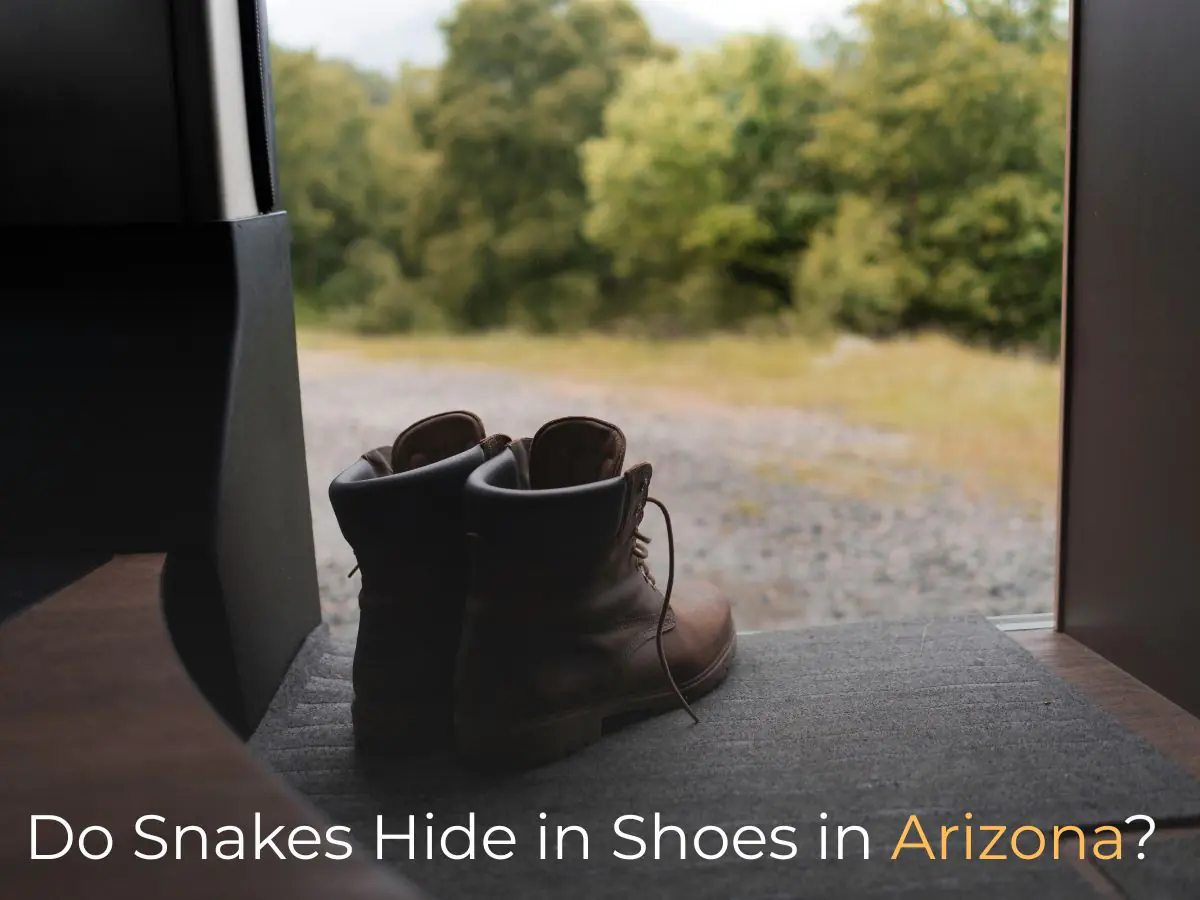
Do snakes hide in shoes in Arizona? It is possible, although this is not something most people will encounter regularly. A shoe left outside, in a garage, or in an undisturbed storage area can provide a small, sheltered space that a snake might enter while moving through the area.
The main concern is accidental contact when someone puts on a shoe without checking it first. A few simple precautions can help you avoid that situation without worrying about every pair of shoes you own.
Can Snakes Actually Do Snakes Hide in Shoes in Arizona?
Yes, a snake could enter a shoe if the opening and interior provide enough space. However, there is no reason to assume that snakes specifically seek out shoes or that this is a common occurrence in Arizona.
Snakes use a variety of places for temporary shelter, including gaps, debris, vegetation, and spaces beneath objects. An unattended shoe may offer some cover, particularly when it is left outdoors or in a quiet storage area.
The possibility depends on the shoe, its location, the size of the snake, and whether a snake happens to pass through. Most shoes will never contain a snake, but checking footwear that has been left outside is a sensible precaution.
Where Should You Check Shoes for Snakes?
Pay particular attention to shoes stored where wildlife could move through or where items remain undisturbed.
Porches and entryways: Shoes left outside overnight may be exposed to wildlife moving along walls, steps, or nearby landscaping.
Garages and storage areas: Boxes, stored equipment, and clutter can create places where snakes and their prey may shelter. Shoes tucked into dark corners may also be harder to inspect.
Backyards and patios: Footwear left near shrubs, rocks, woodpiles, or other sheltered spaces may be exposed to wildlife.
Long-term storage: Before wearing boots or shoes that have been unused for months, inspect them carefully, especially if they were stored in a garage, shed, or outdoor area.
These locations do not automatically attract snakes. They simply create opportunities for wildlife to move through and find shelter.
Does the Risk Increase During Arizona’s Summer or Monsoon Season?
Weather can influence snake movement, but there is no reliable rule that snakes are most likely to hide in shoes during a particular season or time of day.
During hot weather, some snakes seek shelter from excessive heat. Rain and changing ground conditions can also affect where wildlife moves. These patterns vary with the species, local temperatures, and surrounding habitat.
Rather than trying to predict when a snake might enter a shoe, make checking footwear a routine whenever it has been left outside or stored somewhere accessible to wildlife.
How to Check Shoes Before Wearing Them
A quick inspection is especially worthwhile for footwear left outdoors overnight or unused for an extended period.
- Look inside first: Use adequate lighting and check the opening and interior without putting your fingers inside.
- Inspect the outside: Look around the shoe and its storage area before picking it up.
- Keep your hands out: Never reach blindly into a boot or shoe to feel whether anything is inside.
- Be cautious with stored footwear: Check boots, work shoes, and other footwear that has been left in a garage, shed, or outdoor storage area.
- Do not wear it if you suspect a snake is inside: Keep your distance and contact a qualified wildlife professional for help if needed.
Shaking or tapping a shoe is not a guarantee that it is empty. A visual inspection is the more important first step, and you should never put your hand or foot inside to investigate.
How to Reduce the Chance of Finding a Snake in Your Shoes
The simplest precaution is to keep footwear indoors whenever practical. If you must leave shoes outside, store them in a place that is protected from wildlife rather than beside vegetation, rocks, or clutter.
You can also reduce opportunities for snakes around your home by keeping storage areas organized, trimming overgrown vegetation near entryways, and addressing rodent activity. These measures help manage the surrounding conditions; they cannot guarantee that a snake will never pass through your property.
If you frequently encounter snakes around your home, read our guide to why snakes keep coming back to your yard in Arizona.
What Should You Do If You Find a Snake in a Shoe?
Do not put on the shoe, reach inside, or try to pull the snake out. Keep children and pets away, and give the animal space to leave if it can do so safely.
If the snake is inside the shoe or cannot leave without being disturbed, contact a qualified wildlife removal professional. Do not attempt to catch, kill, or handle it, even if you believe it is harmless.
If someone is bitten, seek emergency medical care immediately. Do not delay treatment to identify or capture the snake.
Final Thoughts
Snakes can hide in shoes in Arizona, but the possibility should not be confused with a common everyday occurrence. Footwear left outdoors or stored in undisturbed areas deserves a quick check before use.
Keep shoes indoors when possible, inspect them before putting them on, and never reach blindly into a shoe or boot. These simple habits help reduce the chance of an unexpected encounter without making ordinary outdoor life something to fear.

Ravi Rathore is a field snake researcher and Arizona wildlife enthusiast who studies snake behavior, identification, and desert ecosystems. He focuses on helping hikers, homeowners, and outdoor explorers understand the difference between venomous and non-venomous snakes in Arizona. Through detailed guides and safety resources, he shares practical knowledge to help people stay safe while respecting native wildlife.