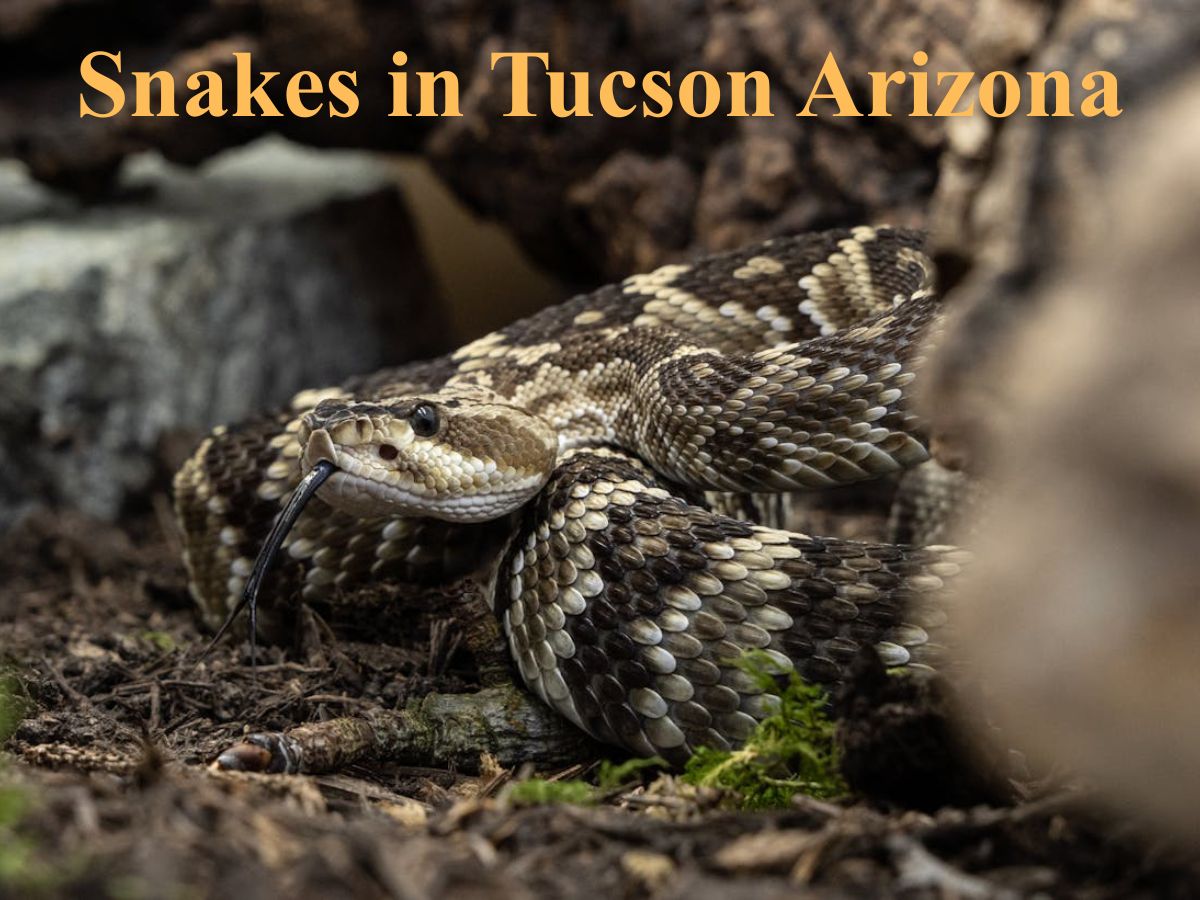
Snakes in Tucson Arizona – If you live in Tucson, Arizona, or you’re planning to move here, there’s something important you should understand right away — snakes are a natural part of everyday life in the desert.
This doesn’t mean you should be scared all the time. But it does mean you should be aware, prepared, and able to recognize what you’re dealing with when you see one.
In fact, many Tucson residents don’t realize how common snake encounters are until they experience one themselves — whether it’s a rattlesnake crossing a hiking trail at sunset or a small non-venomous snake hiding near a backyard wall after monsoon rains.
This guide will walk you through everything in a clear, practical, real-world way — no fluff, no confusing terms — just what you actually need to know.
Why Snakes Are So Common in Tucson
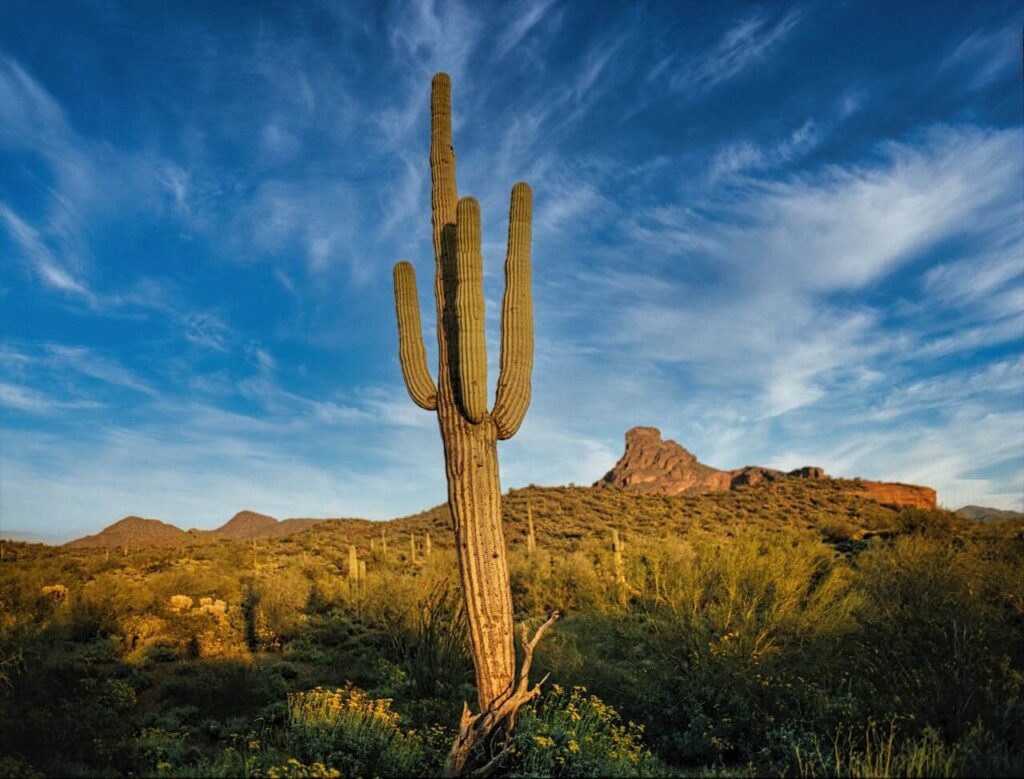
Tucson sits right in the heart of the Sonoran Desert, which is one of the most diverse desert ecosystems in the United States. That means it supports a wide variety of wildlife — and snakes are a big part of that system.
But snakes aren’t randomly showing up. There are clear reasons why they’re so common here.
Warm Climate Almost Year-Round
Unlike colder states, Tucson has long warm seasons. Snakes become active when temperatures rise, which means they can be seen for a large part of the year — especially from spring through early fall.
Monsoon Season Activity
During the summer monsoon season, the desert comes alive. Rain increases humidity, which brings out rodents, insects, and frogs — and snakes follow their food.
Many locals report seeing more snakes right after rainstorms, especially near homes.
Urban Meets Desert
Tucson isn’t completely separated from nature. Many neighborhoods are built close to desert land, which means snakes don’t see a clear boundary between “wild” and “residential.”
If your home backs onto open desert, your chances of seeing a snake are much higher.
Common Snakes in Tucson Arizona (Identification Guide)
Not every snake you see is dangerous. In fact, most are harmless. The key is learning how to recognize the difference.
Rattlesnakes (Most Dangerous)
Rattlesnakes are the most important snakes to be aware of in Tucson. These are venomous and should always be treated with caution.
Common species include:
- Western Diamondback Rattlesnake
- Mojave Rattlesnake
- Black-tailed Rattlesnake
- Sidewinder
What makes rattlesnakes especially dangerous is not just their venom, but how well they blend into the desert environment. Their colors match rocks, sand, and dry vegetation so well that people often don’t see them until they’re very close.
The Mojave rattlesnake, in particular, is considered one of the most dangerous because of its potent venom, which can affect the nervous system.
However, it’s important to understand something many people get wrong — rattlesnakes do not chase humans. Most bites happen when someone accidentally steps too close or tries to handle the snake.
Non-Venomous Snakes (Harmless but Common)
Many snakes you’ll see around Tucson are completely harmless and actually beneficial because they control rodent populations.
Common non-venomous snakes:
- Gopher Snake
- King Snake
- Coachwhip
- Garter Snake
These snakes may look intimidating at first, especially because some mimic rattlesnakes by shaking their tails, but they are not dangerous.
In fact, king snakes are known to eat other snakes — including rattlesnakes — which makes them helpful to have around.
Where You’re Most Likely to See Snakes in Tucson
Understanding where snakes appear can help you avoid unexpected encounters.
Around Homes
Snakes often show up in residential areas when conditions attract them:
- Yards with clutter or wood piles
- Areas with rodent activity
- Cool shaded corners near walls
Garages are also a common hiding spot during extreme heat.
Hiking Trails
Popular outdoor areas like Sabino Canyon and Saguaro National Park are known for snake activity, especially during early morning and evening hours.
Snakes use trails to travel and warm themselves on rocks.
Nighttime Encounters
During hot summer months, snakes become more active at night when temperatures drop. This is when many people accidentally encounter them while walking outside.
Signs a Snake May Be Nearby
Sometimes you won’t see a snake — but there are clues:
- A rattling sound (clear warning)
- Sudden movement in bushes
- Shed snake skin
- Rodent activity
Being aware of these signs can help you stay alert.
Common Mistakes Tucson Residents Make
This is where many people put themselves in danger — not because of snakes, but because of their reactions.
Trying to Kill the Snake
This is the biggest mistake. Most bites happen when people try to kill or move a snake.
Walking Barefoot at Night
In desert areas, this is risky. You can easily step near a snake without seeing it.
Ignoring Yard Maintenance
Messy yards attract rodents, and rodents attract snakes.
How to Stay Safe Around Snakes in Tucson
You don’t need to live in fear — just follow practical habits.
At Home:
- Keep yard clean and trimmed
- Seal gaps around doors and walls
- Remove standing water
Outdoors:
- Stay on marked trails
- Watch where you step
- Use a flashlight at night
If You See a Snake:
- Stay calm
- Keep distance
- Let it move away
What To Do If Bitten
Snake bites are rare, but knowing what to do can make a huge difference.
- Stay calm and limit movement
- Keep affected area still
- Call 911 immediately
Avoid myths like cutting the wound or sucking venom — these are dangerous and outdated.
For official guidance, you can refer to the Centers for Disease Control and Prevention.
For general snake bite safety and medical advice, refer to guidelines from the Centers for Disease Control and Prevention (CDC).
Snake Season in Tucson: When You’re Most at Risk
If you ask long-time Tucson residents when they see the most snakes, many of them will give you the same answer — right when the weather starts changing.
Snake activity in Tucson isn’t random. It follows very predictable seasonal patterns, and once you understand them, you’ll know exactly when to be more alert.
Spring (March – May)
As temperatures begin to rise after winter, snakes come out of hibernation. During this time, they are often hungry and more active during the day.
This is one of the first periods when hikers begin encountering snakes again, especially on sunny trails where snakes are trying to warm up.
Summer (June – August)
Summer in Tucson is intense. Daytime temperatures can become too hot even for snakes, so they shift their behavior.
Instead of being active during the day, many snakes become nocturnal, meaning they move around at night when it’s cooler.
This is why people often see snakes:
- On roads at night
- Near outdoor lights (where prey gathers)
- In cooler shaded areas around homes
Monsoon Season (July – September)
This is when snake encounters spike the most.
After rain, the desert becomes active — insects, frogs, and rodents come out, and snakes follow the food. Many Tucson residents report seeing snakes in their yards during or after storms.
If there’s one time to be extra cautious, it’s during monsoon evenings.
Fall (October – November)
Snake activity slowly starts to decrease, but it doesn’t stop completely. Warmer days can still bring snakes out, especially in sunny areas.
Winter (December – February)
Snakes are mostly inactive, but not gone. On warmer winter days, you might still spot one sunbathing.
Why Snakes Come Into Tucson Yards and Homes
Many people assume snakes randomly show up, but the truth is — if a snake is in your yard, something attracted it.
Understanding this is the key to prevention.
Food Sources (Biggest Reason)
Snakes follow food. If your property has:
- Mice
- Rats
- Lizards
Then snakes may come looking for an easy meal.
Water Availability
Even a small water source like:
- Pet bowls
- Leaky hoses
- Bird baths
can attract prey animals, which then attract snakes.
Shelter and Shade
Snakes love hiding spots where they feel safe and cool:
- Wood piles
- Rock landscaping
- Thick bushes
- Debris
If your yard provides shelter, it becomes an ideal resting place.
Easy Entry Points
Snakes can enter through surprisingly small openings.
Common entry points:
- Gaps under doors
- Cracks in walls
- Open garage doors
Homes near desert edges are especially vulnerable.
Real Tucson Scenario (This Happens More Than You Think)
A homeowner in Tucson leaves their garage slightly open overnight during summer.
The temperature drops, and the garage becomes a cool, shaded space. At the same time, small rodents enter looking for food.
By morning, a snake follows that scent trail and ends up inside the garage.
This is how most “snake in house” situations actually happen — not random attacks, but a chain reaction of attraction.
How to Snake-Proof Your Tucson Property (Step-by-Step)
If you want real protection, you need to think like a snake — what would attract it, and how would it enter?
1. Eliminate Food Sources
- Control rodents
- Keep trash sealed
- Avoid leaving pet food outside
2. Remove Hiding Spots
- Clear wood piles
- Trim bushes
- Remove debris
A clean yard is one of the strongest defenses.
3. Seal Entry Points
- Close gaps under doors
- Repair cracks
- Install door sweeps
Even small openings matter.
4. Install Snake Fencing (Advanced)
Some Tucson homeowners install specialized fencing designed to keep snakes out.
It’s especially useful if your property borders open desert.
How to React If You Encounter a Snake (Real-Life Behavior Guide)
Knowing what to do in the moment is more important than anything else.
Stay Still First
Your first instinct might be to panic, but sudden movement can trigger defensive behavior.
Slowly Back Away
Give the snake space. Most snakes will leave on their own if they don’t feel threatened.
Do NOT Try to Be a Hero
Trying to kill or move a snake is how most bites happen. It’s simply not worth the risk.
Call Professionals If Needed
If a snake is inside your home or in a dangerous location, call local animal control.
Why Understanding Snake Behavior Matters
Once you understand that snakes:
- Avoid humans
- Strike only when threatened
- Follow food and shelter
Everything becomes clearer.
Instead of fear, you gain control and awareness — and that’s exactly what Google wants your article to provide.
FAQ
Are snakes common in Tucson Arizona?
Yes, snakes are quite common due to the desert environment and warm climate.
What is the most dangerous snake in Tucson?
The Mojave rattlesnake is considered one of the most dangerous due to its strong venom.
Do snakes enter homes in Tucson?
It’s rare, but possible if there are gaps or food sources nearby.
What time are snakes most active?
Early morning, evening, and nighttime during summer.
Final Thoughts
Living in Tucson means sharing space with nature, and snakes are part of that environment. The key is not fear, but awareness.
Once you understand why snakes appear, where they hide, and how to respond, you’ll feel much more confident living here.
Most importantly, remember this — snakes are not looking for trouble. They just want to survive, just like everything else in the desert.

Ravi Rathore is a field snake researcher and Arizona wildlife enthusiast who studies snake behavior, identification, and desert ecosystems. He focuses on helping hikers, homeowners, and outdoor explorers understand the difference between venomous and non-venomous snakes in Arizona. Through detailed guides and safety resources, he shares practical knowledge to help people stay safe while respecting native wildlife.