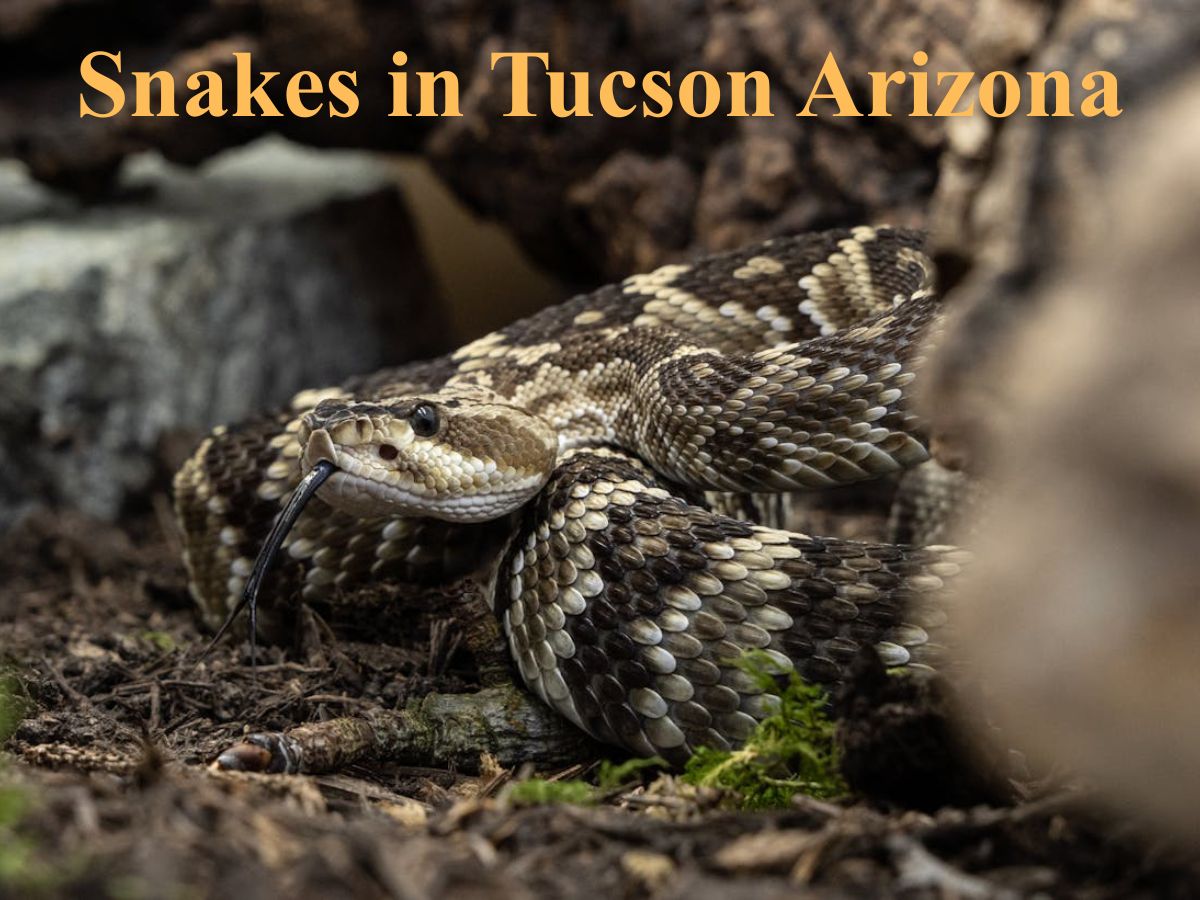
If you live in Tucson, Arizona, or spend time around the city, snakes in Tucson Arizona are part of the desert environment you may occasionally encounter. Tucson is surrounded by Sonoran Desert habitat, and snakes can move through natural areas, residential neighborhoods, yards, trails, and other places where suitable food and shelter are available.
Seeing a snake does not mean you should be afraid. Most snakes want to avoid people, but Tucson is also home to venomous rattlesnakes, so knowing how to respond when you encounter an unidentified snake is important.
This guide explains the snakes you may encounter around Tucson, where sightings can occur, when activity changes throughout the year, and practical ways to stay safe around your home and outdoors.
Why Snakes Occur Around Tucson
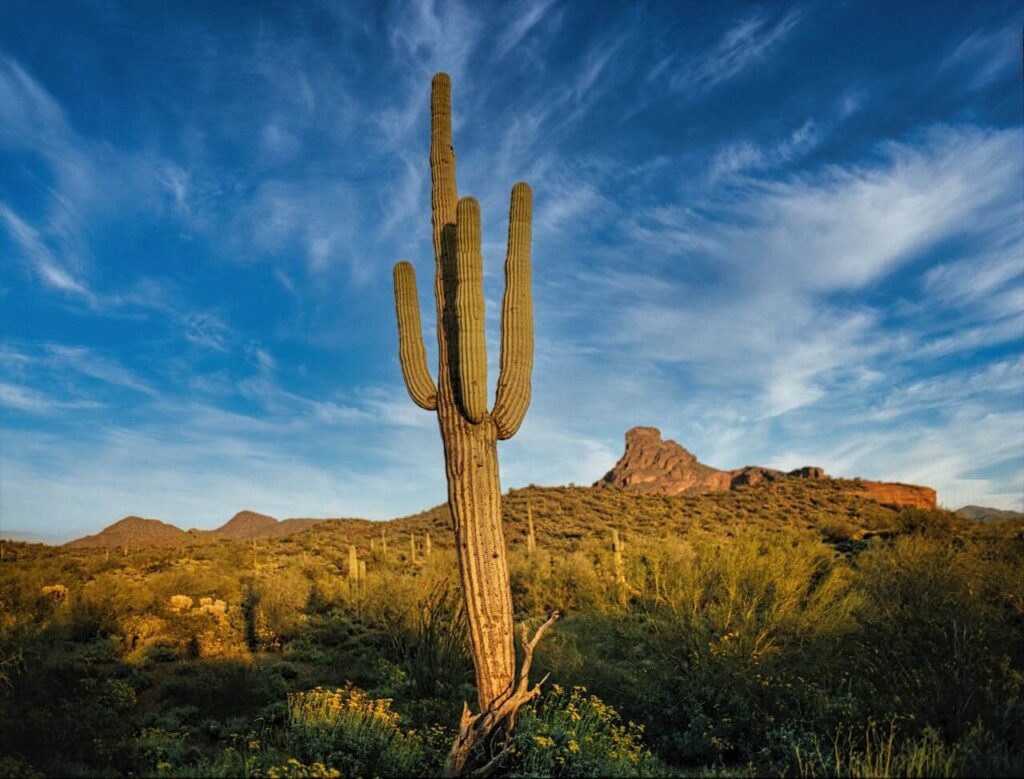
Tucson is surrounded by Sonoran Desert habitat that supports a variety of reptiles and other wildlife. Rocky areas, desert vegetation, washes, open land, and residential landscaping can all provide places where snakes find shelter and prey.
Several conditions can influence where snakes are encountered around Tucson:
- Warm temperatures during much of the year
- Rocky and vegetated desert habitat
- Rodents, lizards, and other potential prey
- Yards and properties connected to open desert
- Water and shelter created by residential landscaping
Neighborhoods located close to undeveloped desert may have more opportunities for wildlife to move through them. However, a snake seen in a yard does not necessarily mean it lives on that property.
Common Snakes in Tucson Arizona
Several snake species occur in and around Tucson. The species you encounter can vary depending on habitat, elevation, season, vegetation, and proximity to undeveloped desert.
Rattlesnakes
Several rattlesnake species occur in the Tucson region. Rattlesnakes are venomous and should always be given plenty of space.
Examples of rattlesnakes found in southern Arizona include:
- Western Diamondback Rattlesnake
- Black-tailed Rattlesnake
- Sidewinder
- Mojave Rattlesnake
Their colors and patterns can vary, and some can blend into rocks, soil, and desert vegetation. Never approach a rattlesnake to get a closer look or attempt to handle one.
A rattlesnake may use its rattle as a warning when it feels threatened, but you should never rely on hearing a rattle before taking precautions.
Gopher Snakes
Gopher snakes are non-venomous snakes found in Arizona and can sometimes be mistaken for rattlesnakes because of their markings and defensive behavior.
A frightened gopher snake may flatten its head, hiss, or vibrate its tail. These behaviors do not make it a rattlesnake.
Kingsnakes
Kingsnakes are non-venomous snakes found in Arizona. Depending on the species, they can have distinctive bands or other patterns.
Kingsnakes eat a variety of prey, and some species may also prey on other snakes.
Coachwhips and Other Snakes
Coachwhips and other non-venomous snakes also occur in Arizona. The exact species found around Tucson can vary between habitats.
If you cannot confidently identify a snake from a safe distance, do not approach it. Identification should never require getting close enough to put yourself at risk.
For more information, see our Arizona Snake Identification Guide.
What to Do If Bitten
Snake bites are rare, but knowing what to do can make a huge difference.
- Stay calm and limit movement
- Keep affected area still
- Call 911 immediately
Avoid myths like cutting the wound or sucking venom — these are dangerous and outdated.
For official guidance, you can refer to the Centers for Disease Control and Prevention.
For general snake bite safety and medical advice, refer to guidelines from the Centers for Disease Control and Prevention (CDC).
Seasonal Snake Activity in Tucson
Snake activity around Tucson changes with temperature, weather, and habitat conditions. There is no single month when every snake becomes active or inactive.
Spring
As temperatures become warmer, snakes may become more active and begin moving through their seasonal ranges. This can increase the chance of encounters on trails and around properties near desert habitat.
Summer
Hot summer temperatures can influence when snakes move. Some snakes may shift more activity toward the evening and nighttime when temperatures are lower.
Monsoon Season
Summer storms can change conditions in the desert and increase activity among insects, rodents, frogs, and other animals. Changes in prey activity can influence where snakes are found.
Fall
Snakes can remain active during warm periods, although activity may gradually change as temperatures become cooler.
Winter
Cooler weather generally reduces snake activity, but snakes are not necessarily absent. Warm conditions can still allow some activity.
For a broader month-by-month look at rattlesnake activity, see When Is Rattlesnake Season in Arizona?
Why Snakes Enter Tucson Yards and Homes
A snake may enter or pass through a Tucson property because the area provides food, shelter, shade, water, or access to surrounding habitat.
Food
Rodents and lizards can provide prey for snakes. If these animals are common around a property, snakes may occasionally follow the available food.
Shelter and Shade
Rock landscaping, wood piles, dense vegetation, debris, and other sheltered spaces can provide places for snakes to rest or hide.
Water
Pet bowls, leaking hoses, irrigation, and other water sources can support wildlife around a property. The water itself does not necessarily attract snakes, but it can attract prey animals that snakes may follow.
Access
Open garage doors, gaps beneath doors, damaged screens, and other openings can provide opportunities for wildlife to enter buildings.
A snake found around a Tucson home does not automatically mean there is a den on the property. It may simply be passing through an area that provides suitable conditions.
Snake Bite First Aid
If you are bitten by a suspected venomous snake, seek emergency medical care immediately.
- Call 911 or seek emergency medical help.
- Keep calm and limit unnecessary movement.
- Keep the bitten area as still and comfortable as possible.
- Remove rings, watches, or other tight items before swelling develops.
- If it can be done safely, remember the snake’s appearance, but do not try to catch it.
Do not cut the wound, suck out venom, apply ice, or use a tourniquet.
For detailed information, see our Snake Bite First Aid Arizona guide.
Where You May Encounter Snakes in Tucson
Snake encounters can happen in both natural and developed areas around Tucson, particularly where neighborhoods connect with desert habitat.
You may encounter snakes around:
- Desert trails and open land
- Rocky slopes and washes
- Yards near undeveloped areas
- Dense landscaping
- Garages, sheds, and other sheltered spaces
- Areas with rodent activity
Snakes may also cross roads, paths, and other open areas while moving through their habitat.
A snake seen in a residential neighborhood does not necessarily mean it is living on that property. It may simply be moving through the area.
How to Reduce Snake Encounters Around Your Tucson Property
You cannot completely prevent wildlife from moving through a property near desert habitat, but you can reduce conditions that make your yard attractive to snakes and their prey.
- Control rodent activity.
- Store trash and food securely.
- Remove unnecessary debris and wood piles.
- Keep vegetation maintained around frequently used areas.
- Repair gaps around doors and other building openings.
- Keep garage doors closed when possible.
- Avoid leaving pet food outdoors.
For more detailed prevention advice, see our How to Snake Proof Yard Arizona guide.
What to Do If You Encounter a Snake
The safest response is to give the snake space.
Stop, stay calm, and slowly move away. Keep children and pets away from the area and allow the snake a clear path to leave.
Do not attempt to touch, catch, corner, or kill it.
If a snake is inside a home or presents an immediate safety concern, contact a qualified local wildlife or snake-removal professional.
FAQ
Are snakes common in Tucson Arizona?
Snakes occur naturally around Tucson because the city is surrounded by Sonoran Desert habitat. Encounters vary depending on location, habitat, landscaping, season, and weather.
What types of snakes are found around Tucson?
Several species occur in the Tucson region, including rattlesnakes, gopher snakes, kingsnakes, coachwhips, and other snakes. The species present can vary between habitats.
Are there venomous snakes in Tucson?
Yes. Several rattlesnake species occur in the southern Arizona and Sonoran Desert region. If you encounter an unidentified snake, keep your distance rather than attempting to determine its identity up close.
Do snakes enter homes in Tucson?
Snakes can occasionally enter garages, homes, sheds, or other structures through accessible openings. A snake inside a building does not necessarily mean it is living there.
When are snakes most active in Tucson?
Activity varies with temperature and weather. During hot periods, some snakes may shift more activity toward the evening and nighttime.
Final Thoughts
Living in Tucson means sharing the desert environment with wildlife, including snakes. Snakes in Tucson Arizona can occur in natural desert areas as well as neighborhoods, yards, trails, and other places connected to suitable habitat.
Most snakes will avoid people when given enough space, but venomous rattlesnakes also occur in the region. The safest approach is to stay aware of your surroundings, avoid reaching into places you cannot see, and never attempt to handle an unidentified snake.
Keeping yards maintained, reducing rodent activity, and giving snakes plenty of space can help reduce unnecessary encounters while allowing Tucson’s native wildlife to remain part of the desert environment.

Ravi Rathore is a field snake researcher and Arizona wildlife enthusiast who studies snake behavior, identification, and desert ecosystems. He focuses on helping hikers, homeowners, and outdoor explorers understand the difference between venomous and non-venomous snakes in Arizona. Through detailed guides and safety resources, he shares practical knowledge to help people stay safe while respecting native wildlife.