Arizona’s deserts are home to many snake species, and encounters with these reptiles are not uncommon in both rural and suburban areas. Many residents notice snakes moving early in the morning or around sunset, which often leads to an important question: where do snakes go during the day in Arizona? Understanding the daily behavior of snakes can help homeowners feel more confident when spending time outdoors and can also help reduce the chances of unexpected encounters.
Snakes are cold-blooded animals, which means their body temperature depends on the environment around them. Because Arizona’s daytime temperatures can become extremely hot, snakes spend much of the day resting in shaded or hidden areas where they can stay cool and conserve energy. These hiding places are usually quiet, dark, and protected from predators or direct sunlight.
Learning where do snakes go during the day in Arizona helps explain why snakes sometimes appear near homes, gardens, or desert trails, especially during cooler parts of the day.
During hot afternoons, many snakes move to shaded areas similar to the places described in where snakes hide around homes in Arizona.
Why Snakes Avoid the Midday Heat
Arizona summers are known for intense sunlight and high temperatures that can easily exceed 100°F (38°C). For reptiles like snakes, extreme heat can be dangerous because their bodies cannot regulate temperature internally like mammals.
During the hottest hours of the day, snakes usually avoid open areas and move into shaded environments. This behavior allows them to conserve moisture and prevent overheating. Many snake species in Arizona have adapted to the desert climate by becoming more active during cooler periods such as early morning, evening, or nighttime.
Because of this natural behavior, the answer to where do snakes go during the day in Arizona often involves locations that offer shade, cooler ground, and protection from direct sunlight.
Common Daytime Hiding Places for Snakes
Snakes are experts at staying hidden. They often select locations that provide safety, darkness, and cooler temperatures. In Arizona’s desert environment, there are several places where snakes commonly spend their daytime hours.
Under Rocks and Boulders
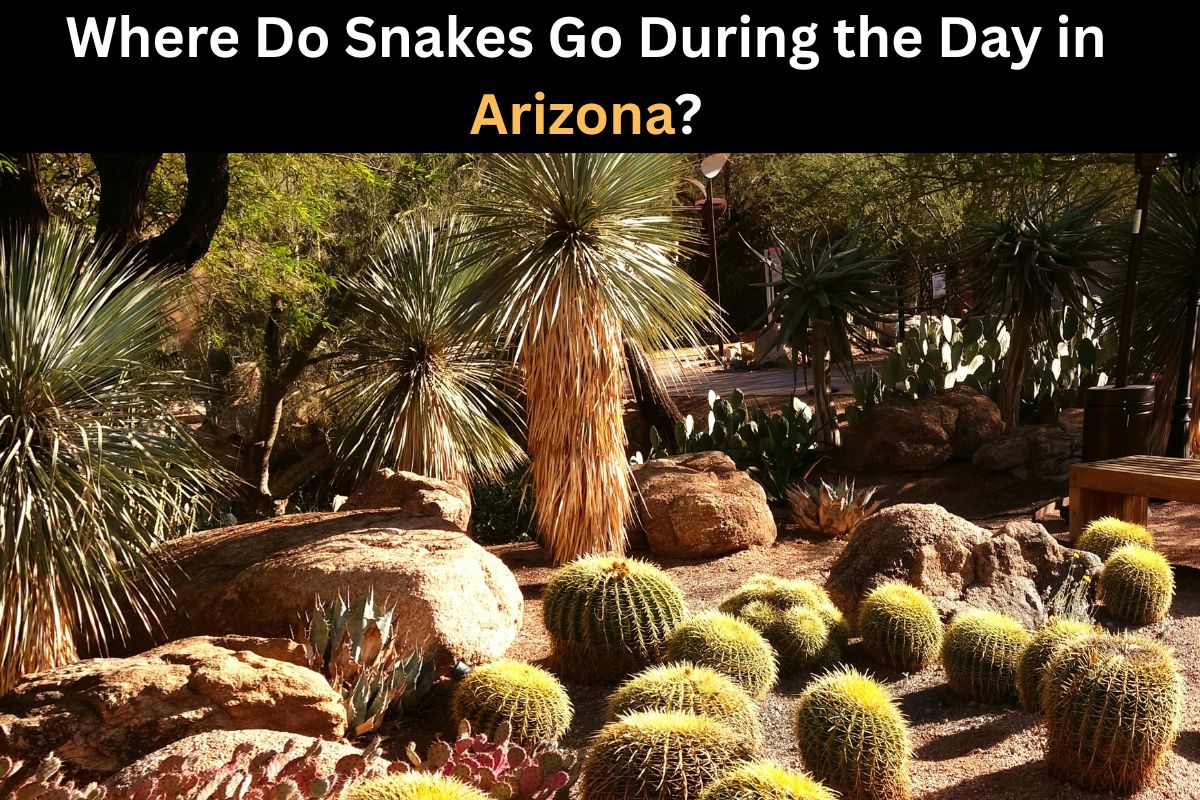
Large rocks and boulders are one of the most common hiding places for snakes during the day. These rocks create shaded areas where temperatures remain lower than the surrounding desert ground.
Some snakes may also hide inside small spaces between rocks, where they are protected from predators and heat. These locations are especially common in natural desert areas as well as rocky landscaping around homes.
Inside Rodent Burrows
Many snakes in Arizona use abandoned burrows created by rodents or other small animals. These underground tunnels provide cool temperatures and safe shelter during the day.
Rodent burrows are especially attractive because they may also lead snakes directly to prey animals. A snake resting in a burrow may wait for rodents to appear nearby, making it easier to hunt when the temperature becomes cooler later in the day.
Beneath Bushes and Desert Plants
Desert vegetation such as shrubs, cactus, and bushes creates natural shade. Snakes often rest underneath these plants during the day because the ground beneath them remains cooler.
These shaded areas also provide camouflage. The combination of plants, sand, and rocks makes it difficult for predators or humans to notice a snake resting quietly.
Under Logs and Debris
Fallen branches, logs, and other natural debris can also create ideal hiding spots. The shaded area underneath these objects protects snakes from heat and helps them stay concealed.
In residential areas, similar conditions can occur under stored firewood, stacked materials, or yard debris.
Inside Rock Walls and Landscaping
Many homes in Arizona use decorative rocks and stone landscaping. These features can create small gaps that provide shade and shelter for wildlife.
When homeowners ask where do snakes go during the day in Arizona, the answer sometimes includes these landscaping areas because they closely resemble natural desert habitats.
Do Snakes Hide Near Homes During the Day?
Although snakes prefer natural environments, they may occasionally hide near homes if the yard provides suitable shelter. Residential landscaping sometimes creates conditions that resemble desert habitats.
For example, snakes may hide:
- under rock landscaping
- beneath outdoor equipment
- inside wood piles
- along fence lines with dense vegetation
These locations offer shade and protection during the day. If rodents or insects are present nearby, snakes may also remain in the area because food is available.
Understanding where do snakes go during the day in Arizona can help homeowners identify these potential hiding places and reduce the chances of attracting wildlife.
Are Snakes Active During the Day in Arizona?
While many snakes hide during the hottest hours, they are not always inactive. Some species may still move during cooler daytime periods, especially in spring or early morning hours.
Snake activity depends on several factors:
- temperature
- season
- species
- availability of food
In spring and fall, when temperatures are milder, snakes may remain active for longer periods during daylight hours. During extreme summer heat, however, most snakes limit their daytime movement and become more active after sunset.
When Snakes Are Most Active
In Arizona, snake activity usually follows a daily pattern. Understanding this pattern can help people avoid surprising encounters.
Early Morning
Snakes may emerge shortly after sunrise when temperatures are still relatively cool. During this time, they may bask in sunlight to warm their bodies before hunting.
Late Afternoon
As temperatures begin to drop later in the day, snakes may start moving again. This is often when people see snakes crossing roads, trails, or yards.
Evening and Night
During summer months, many snake species become primarily nocturnal. Cooler nighttime temperatures allow them to hunt more comfortably.
Because snakes avoid intense heat, the answer to where do snakes go during the day in Arizona usually involves shaded areas where they can rest until temperatures become safer.
Signs a Snake May Be Hiding Nearby
Because snakes are very good at staying hidden, it is not always easy to know if one is nearby. However, certain clues may suggest that wildlife activity is present.
Possible signs include:
- shed snake skins
- increased rodent activity
- narrow trails in dusty soil
- sudden movement under rocks or plants
These signs do not always confirm the presence of snakes, but they may indicate conditions that attract them.
How Homeowners Can Reduce Daytime Hiding Spots
Preventing snakes from hiding near your home usually involves reducing shelter and food sources. Small changes to landscaping and yard maintenance can make a significant difference.
Remove Yard Debris
Clearing away piles of wood, rocks, or construction materials reduces places where snakes can hide.
Trim Vegetation
Keeping bushes and shrubs trimmed helps eliminate shaded hiding areas near the home.
Control Rodents
Because rodents attract snakes, controlling rodent populations is one of the most effective prevention methods.
Maintain Clean Landscaping
Desert landscaping should be arranged in a way that minimizes gaps and hidden spaces where wildlife can hide.
By understanding where do snakes go during the day in Arizona, homeowners can identify areas of their yard that might attract snakes and make adjustments to reduce those risks.
What to Do if You Find a Snake During the Day
If you encounter a snake resting during the daytime, the most important thing is to stay calm and keep a safe distance. Most snakes prefer to avoid human contact and will move away if they feel threatened.
If you see a snake:
- Do not approach or attempt to handle it.
- Keep pets and children away from the area.
- Allow the snake time to leave naturally.
If the snake appears venomous or remains near your home, it is safest to contact local wildlife authorities. The Arizona Game and Fish Department provides guidance on handling wildlife encounters safely.
Why Snakes Are Important to Arizona’s Ecosystem
Although snakes can make some people uncomfortable, they play an important role in maintaining ecological balance. Many snake species help control rodent populations that might otherwise grow rapidly.
By keeping rodent numbers under control, snakes help reduce damage to crops and limit the spread of certain diseases. This makes them valuable members of Arizona’s desert ecosystem.
Understanding snake behavior helps people coexist with wildlife while maintaining safe and comfortable living spaces.
Final Thoughts
So, where do snakes go during the day in Arizona? Most snakes spend their daytime hours hiding in cool, shaded places such as under rocks, inside burrows, beneath desert plants, or within landscaping features that provide shelter.
These hiding spots protect them from extreme desert heat and allow them to conserve energy until temperatures become cooler later in the day. Because of this behavior, snakes are more likely to be seen early in the morning or during the evening.
By learning about snake habits and maintaining a clean, well-organized yard, homeowners can greatly reduce the chances of snakes hiding near their property.
Living in Arizona means sharing the environment with unique wildlife, but with awareness and simple precautions, residents can enjoy the desert landscape while staying safe.
FAQ
Where do snakes hide during the day in Arizona?
Snakes usually hide under rocks, inside burrows, beneath bushes, or in shaded areas to avoid extreme heat.
Are snakes active during the daytime in Arizona?
Some snakes may move during early morning or cooler parts of the day, but many rest in shaded places during the hottest hours.
Do snakes sleep during the day?
Snakes do not sleep the same way humans do, but they rest and conserve energy in cool hiding spots.
Why are snakes more active at night in Arizona?
Nighttime temperatures are cooler, which allows snakes to hunt and move without overheating

Ravi Rathore is a field snake researcher and Arizona wildlife enthusiast who studies snake behavior, identification, and desert ecosystems. He focuses on helping hikers, homeowners, and outdoor explorers understand the difference between venomous and non-venomous snakes in Arizona. Through detailed guides and safety resources, he shares practical knowledge to help people stay safe while respecting native wildlife.