Introduction
The western diamondback rattlesnake in Arizona is one of the state’s most recognizable venomous snakes. It lives across a variety of desert and semi-arid environments and can occasionally be encountered around homes, trails, rural properties, and other areas where suitable habitat and prey are available.
Learning to recognize this species, understand where it is likely to be found, and know how to respond to an encounter can help Arizona residents and visitors avoid unnecessary contact.
This guide covers the western diamondback’s identification features, habitat, behavior, seasonal activity, reasons it may appear around homes, and what to do if you encounter one or suspect a bite.
Introduction
The western diamondback rattlesnake in Arizona is one of the state’s most recognizable venomous snakes. It lives across a variety of desert and semi-arid environments and can occasionally be encountered around homes, trails, rural properties, and other areas where suitable habitat and prey are available.
Learning to recognize this species, understand where it is likely to be found, and know how to respond to an encounter can help Arizona residents and visitors avoid unnecessary contact.
Western diamondbacks can be confused with other snakes, especially from a distance. Use our Arizona Snake Identification Guide to compare common venomous and non-venomous snakes found in the state.
What Is the Western Diamondback Rattlesnake?
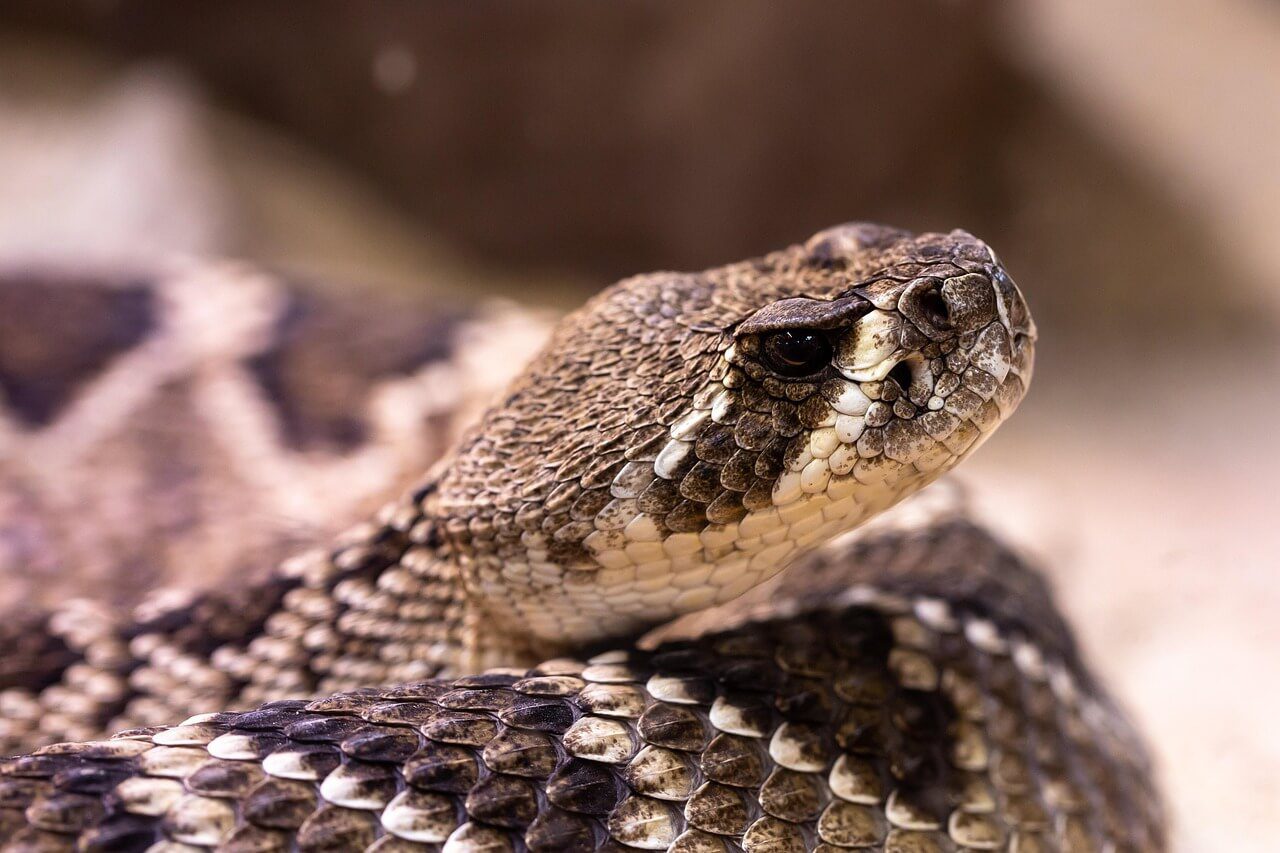
The western diamondback rattlesnakes snake is a venomous pit viper species known for its distinctive diamond-shaped patterns along the back. These markings are usually dark brown or black against a lighter gray or tan body, helping the snake blend perfectly with desert landscapes.
Adult western diamondbacks typically grow between three and five feet long, although some individuals may reach even larger sizes. They have a thick body, triangular head, and a well-known rattle at the tip of the tail. This rattle produces a warning sound when the snake feels threatened, serving as a natural defense mechanism.
Natural Habitat and Distribution
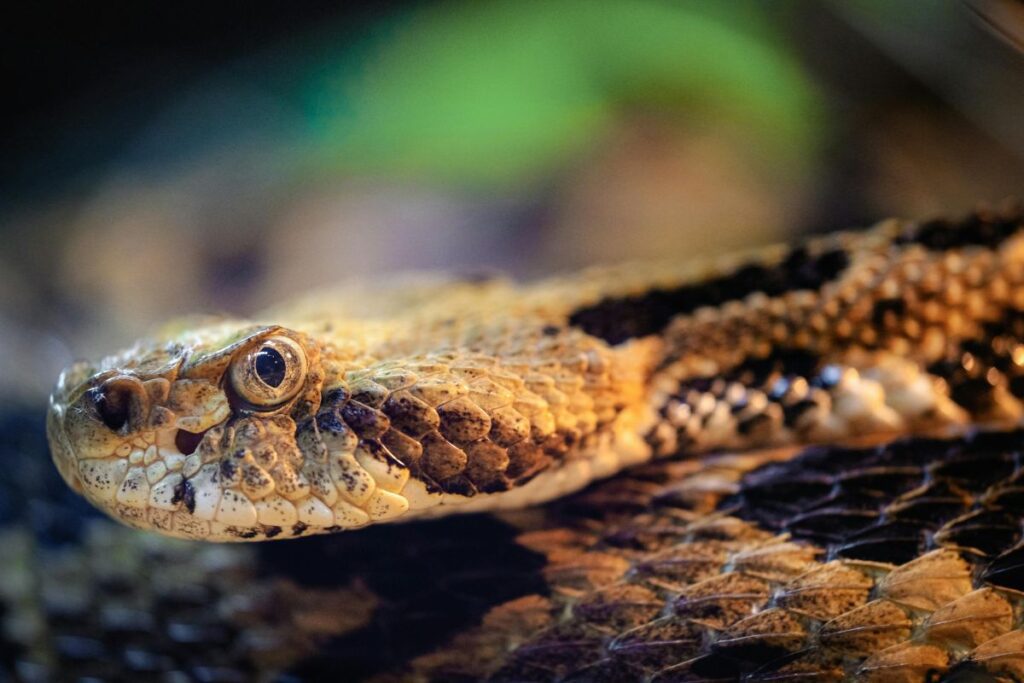
Western diamondback rattlesnakes are widely distributed across the southwestern United States and parts of northern Mexico. They thrive in desert scrublands, rocky hillsides, grasslands, and dry riverbeds. These snakes are highly adaptable and may also live near farms, suburban neighborhoods, and rural properties.
During extremely hot summer months, the western diamondback rattlesnakes snake may move closer to human structures while searching for shade or prey. Garages, wood piles, storage sheds, and landscaped yards can unintentionally provide ideal shelter.
Understanding where these snakes prefer to live helps homeowners take preventive measures to reduce the chances of encounters.
Keeping your yard clean plays a big role in snake prevention. This simple guide on how to keep snakes away in Arizona homes explains practical steps homeowners can follow.
Physical Identification Features
Correct identification is important because many harmless snakes are often mistaken for rattlesnakes. Key features of the western diamondback include:
- Diamond patterns along the back
- Black and white banded tail near the rattle
- Broad triangular head
- Vertical slit-like pupils
- Heat-sensing pits between eyes and nostrils
Juvenile western diamondbacks are venomous and should be treated with the same caution as adults.
Behavior and Temperament
Despite their fearsome reputation, western diamondback rattlesnakes are generally defensive rather than aggressive. They prefer to avoid confrontation and will usually attempt to escape if given the opportunity.
When threatened, the snake may coil its body, raise its head, and shake its rattle as a warning. This sound is meant to alert potential predators or humans to stay away. Ignoring the warning or attempting to handle the snake increases the risk of a bite.
These snakes are most active during warm evenings and early mornings in summer. In cooler months, they may bask in sunlight during daytime hours.
Diet and Hunting Strategy
The western diamondback rattlesnakes snake is a carnivorous predator that feeds mainly on small mammals such as rodents, rabbits, and ground squirrels. It may also consume birds and lizards.
Using heat-sensing pits, the snake can detect warm-blooded prey even in darkness. It typically uses an ambush strategy, striking quickly and injecting venom before tracking the weakened prey.
By controlling rodent populations, rattlesnakes actually play an important ecological role. However, the presence of rodents near homes can attract these predators.
Why Western Diamondbacks Enter Yards
Several factors can draw rattlesnakes into residential areas:
- Rodent infestations
- Dense landscaping or rock gardens
- Pet food left outdoors
- Water sources such as irrigation systems
- Piles of debris or firewood
During extreme heat or drought conditions, snakes may also search for cooler environments near buildings.
Keeping yards clean and reducing food sources is one of the most effective prevention strategies.
Seasonal Activity Patterns
Western diamondbacks follow seasonal behavior patterns:
Spring: Increased movement due to mating season and search for food.
Summer: Mostly nocturnal to avoid daytime heat.
Fall: Continued hunting before winter dormancy.
Winter: Reduced activity; snakes shelter in burrows or rocky crevices.
Understanding these patterns helps residents remain cautious during peak activity periods.
Venom and Bite Risks
The venom of the western diamondback rattlesnakes snake can cause serious medical emergencies. It affects blood clotting and tissue health, leading to swelling, pain, and potential complications if untreated.
Bites can occur when a person accidentally gets too close to a snake or attempts to handle it. Wearing protective footwear while hiking and using a flashlight at night can reduce risks.
Immediate medical attention is essential after any suspected rattlesnake bite.
Safety Tips for Homeowners
Homeowners can reduce rattlesnake encounters by following simple steps:
- Seal gaps around doors, and foundations
- Keep grass trimmed and remove clutter
- Store firewood off the ground
- Install proper outdoor lighting
- Use caution while gardening
Professional wildlife removal services should be contacted if a snake is found indoors.
Wildlife experts from the Arizona Game and Fish Department say that removing rodent activity and yard clutter can reduce rattlesnake sightings near homes.
What to Do If You Encounter One
If you see a western diamondback:
- Stay calm and maintain distance
- Do not attempt to kill or capture the snake
- Slowly back away
- Keep pets and children indoors
- Call local wildlife authorities if needed
Most snakes will leave on their own if not disturbed.
Myths and Misunderstandings
Many myths surround rattlesnakes. Some people believe they always chase humans or attack without warning. In reality, these snakes rely heavily on camouflage and warning signals.
Another common myth is that removing the rattle makes the snake harmless. Even snakes with damaged rattles remain venomous and dangerous.
Education and awareness are key to reducing unnecessary fear.
Importance in the Ecosystem
Western diamondback rattlesnakes play a valuable role in maintaining ecological balance. By controlling rodent populations, they help reduce crop damage and disease spread.
Respecting wildlife while maintaining safe living environments creates healthier ecosystems for both humans and animals.
Are Western Diamondback Rattlesnakes Dangerous for Dogs?
Dogs are naturally curious, which makes them especially vulnerable to rattlesnake encounters in Arizona. Many bites happen when dogs sniff bushes, rock piles, or shaded areas where a western diamondback rattlesnake may be resting. Because dogs often approach snakes more closely than humans, bites commonly occur around the face, nose, or legs.
Pet owners should remain extra cautious during warm evenings and nighttime walks when rattlesnakes become more active. Keeping dogs on a leash while hiking and avoiding overgrown desert trails can reduce risks significantly.
Some Arizona veterinarians also recommend rattlesnake aversion training for dogs living in high-risk desert areas. Quick veterinary treatment is critical if a dog is bitten, as venom can become life-threatening without emergency care.
How Western Diamondback Rattlesnakes Survive Arizona Heat
Arizona deserts can reach extreme temperatures during summer, but western diamondback rattlesnakes are highly adapted to survive these harsh conditions. Instead of remaining exposed in direct sunlight, they spend much of the daytime hiding in cooler shaded areas such as:
- rocky crevices
- abandoned burrows
- thick desert vegetation
- under sheds or patios
- beneath large rocks
During the hottest parts of summer, these snakes often shift to nocturnal behavior. They become more active after sunset when ground temperatures drop and prey animals begin moving around.
This is one reason why nighttime caution is extremely important in Arizona neighborhoods and hiking areas.
Can Western Diamondback Rattlesnakes Climb?
Many people assume rattlesnakes cannot climb, but western diamondbacks are capable of climbing low surfaces when necessary. While they are not expert climbers like some tree-dwelling snakes, they may climb:
- low rock piles
- stacked wood
- short retaining walls
- dense shrubs
- debris piles
This behavior usually happens while searching for prey, shade, or shelter. Homeowners should avoid leaving clutter or stacked materials near houses because these areas create excellent hiding spots.
Signs a Rattlesnake May Be Nearby
One of the best ways to avoid dangerous encounters is learning to recognize signs of rattlesnake activity. Common warning signs include:
- the sound of rattling
- snake tracks in dusty soil
- shed snake skin
- rodent activity around property
- unusual pet behavior near bushes or rocks
Even if you do not see the snake itself, staying alert to these signs can help prevent accidental encounters.
Are Baby Western Diamondback Rattlesnakes More Dangerous?
A common myth claims that baby rattlesnakes are more dangerous than adults because they “cannot control their venom.” While juvenile snakes are certainly dangerous and capable of delivering venomous bites, adult western diamondbacks usually inject far more venom because of their larger size.
However, baby rattlesnakes are harder to notice because they are smaller and quieter. Their rattles may not produce a loud warning sound, which increases the chance of accidental contact.
For safety reasons, all rattlesnakes — regardless of size — should be treated with equal caution.
What Time of Day Are Western Diamondback Rattlesnakes Most Active?
The activity pattern of western diamondback rattlesnakes changes depending on weather and season. During cooler months, they may move around during daylight hours to warm themselves in the sun.
In summer, however, they usually become more active:
- early morning
- around sunset
- nighttime hours
This shift helps them avoid dangerous desert heat. Evening walks, nighttime yard work, and early morning hikes are common times for human encounters.
Understanding these activity periods helps Arizona residents stay aware without becoming overly fearful.
Why Rattlesnake Encounters Increase During Monsoon Season
Arizona’s monsoon season can change conditions for both snakes and their prey. Rain may affect where rodents and other animals move, while changes in temperature and moisture can also influence snake activity. As a result, some people may notice more snake activity around their property after storms.
Heavy rain can also change the conditions around shelters and burrows, which may cause snakes to move to different locations. Homeowners may therefore encounter rattlesnakes around yards, patios, garages, or other sheltered areas after periods of rain.
Use extra caution when walking around yards, patios, or outdoor areas after summer storms, especially in the evening when visibility is lower.
Common Places Where Homeowners Find Rattlesnakes
Western diamondback rattlesnakes usually avoid open areas and prefer hidden locations where they feel protected. Around homes, they are commonly found:
- under patio furniture
- near air conditioning units
- beneath vehicles
- inside garages
- under wood piles
- near irrigation systems
- around rock landscaping
Checking these areas carefully before reaching by hand can help prevent surprise encounters.
What Should You Do After a Rattlesnake Bite?
A western diamondback bite is a medical emergency that requires immediate professional treatment.
If someone is bitten:
- stay calm
- move away from the snake
- call emergency services immediately
- keep the affected limb still
- remove tight jewelry or clothing near swelling
Do NOT:
- cut the wound
- suck out venom
- apply ice
- use a tourniquet
Modern antivenom treatments are highly effective when administered quickly at a medical facility.
Health professionals at the Centers for Disease Control and Prevention advise getting emergency medical help immediately after a venomous snake bite.
Conclusion
The western diamondback rattlesnake in Arizona is a venomous species that shares many desert environments with people. Learning to recognize the species, understanding when and where encounters are more likely, and keeping yards free of unnecessary food and shelter can reduce opportunities for encounters.

Ravi Rathore is a field snake researcher and Arizona wildlife enthusiast who studies snake behavior, identification, and desert ecosystems. He focuses on helping hikers, homeowners, and outdoor explorers understand the difference between venomous and non-venomous snakes in Arizona. Through detailed guides and safety resources, he shares practical knowledge to help people stay safe while respecting native wildlife.
2 thoughts on “Western Diamondback Rattlesnake in Arizona: Identification, Habitat & Bite Safety Guide (2026)”