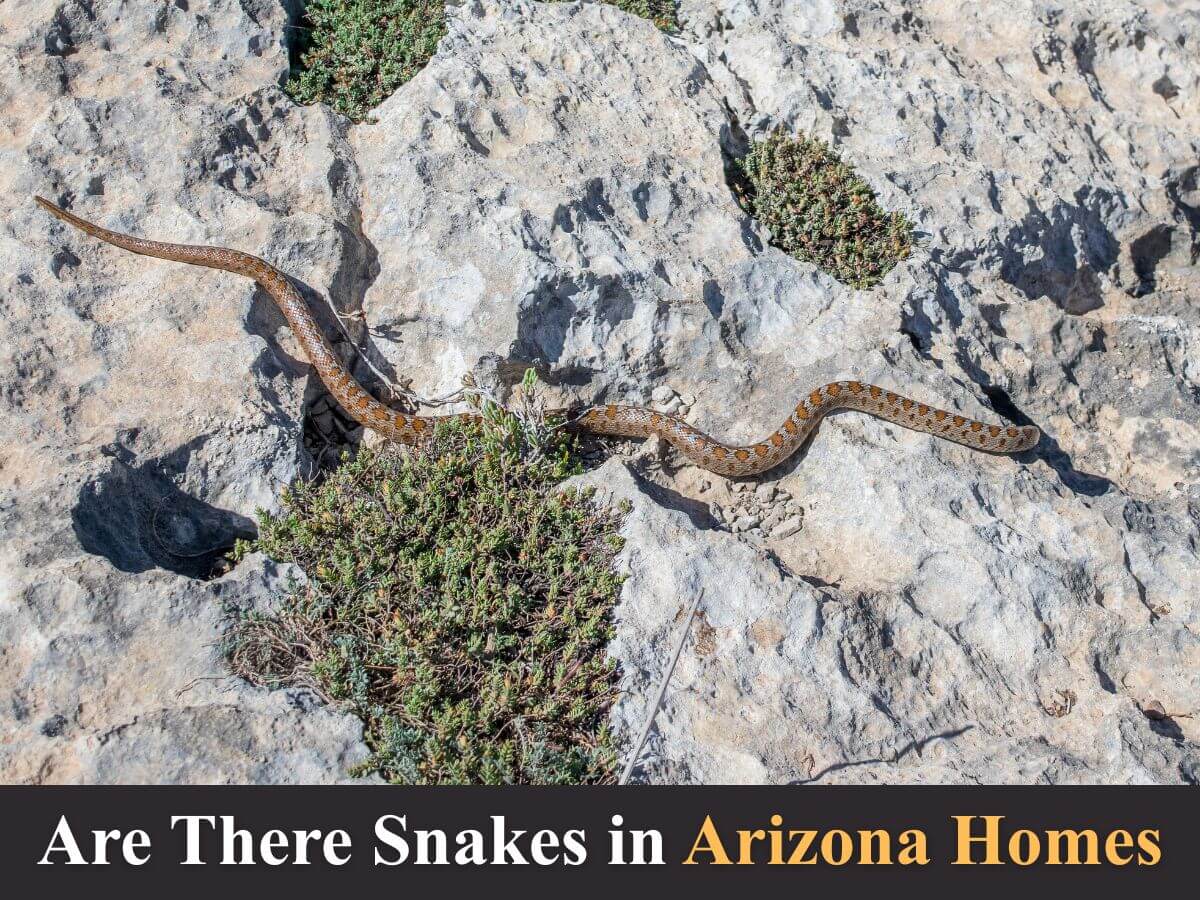
Arizona’s desert environment is famous for its diverse wildlife, and snakes are one of the animals people often associate with the region. Because many neighborhoods are built close to natural desert landscapes, homeowners sometimes worry about unexpected wildlife encounters. A common question residents ask is are there snakes in Arizona homes, especially after spotting a snake in their yard, garage, or neighborhood.
In most situations, snakes do not live inside houses. They prefer outdoor environments where they can hunt, hide, and move freely through natural habitats. However, there are rare situations where snakes may enter garages, sheds, crawl spaces, or even homes while searching for food, shelter, or cooler temperatures. Understanding why this happens and how to prevent it can help homeowners feel more confident and prepared.
This guide explains whether snakes really appear in Arizona homes, why they sometimes move close to houses, and what residents can do to reduce the chances of encountering one indoors.
Many residents also ask do snakes enter houses in Arizona, especially after seeing wildlife near their garage or backyard.
Why Snakes Are Common in Arizona
Arizona has one of the most active snake populations in North America because its climate and landscape are ideal for reptiles. Warm temperatures, rocky terrain, and abundant prey animals create the perfect conditions for many species to thrive.
According to the Arizona Game and Fish Department, the state is home to more than 50 species of snakes. These include both harmless non-venomous snakes and venomous species such as rattlesnakes.
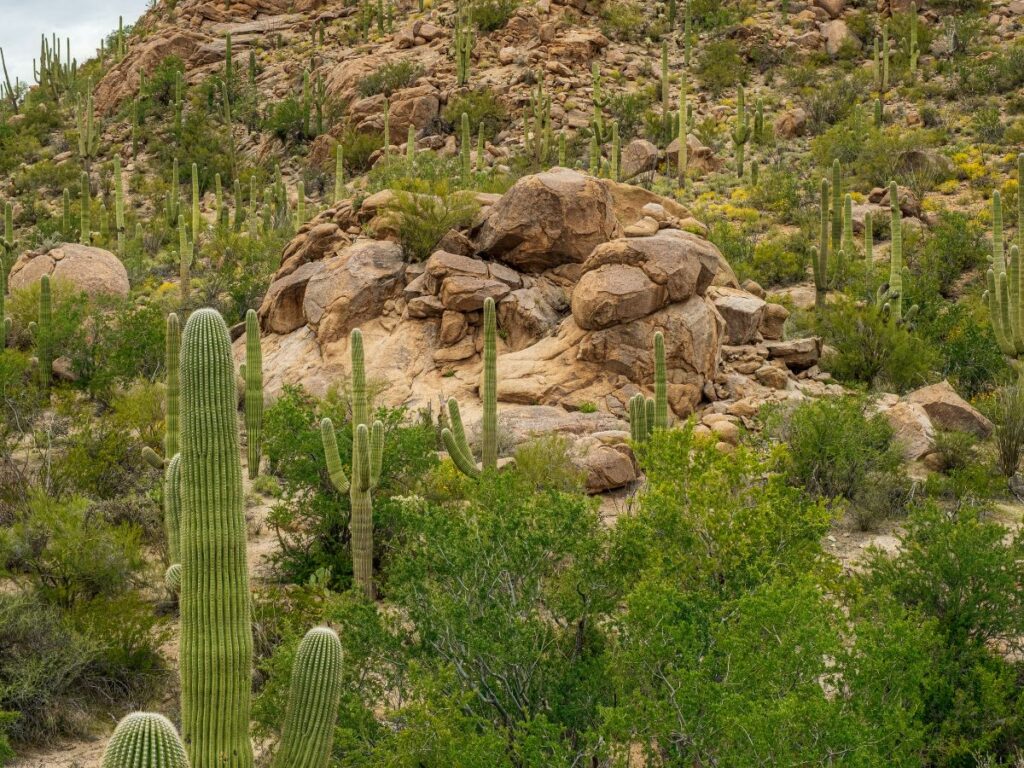
Most snakes live in natural habitats like deserts, mountains, and grasslands. But as cities expand into desert areas, residential neighborhoods sometimes overlap with snake habitats. When this happens, snakes may occasionally pass through yards or outdoor areas near homes.
Even though snakes might appear nearby, they generally prefer to stay hidden and avoid human activity whenever possible.
Are There Snakes in Arizona Homes?
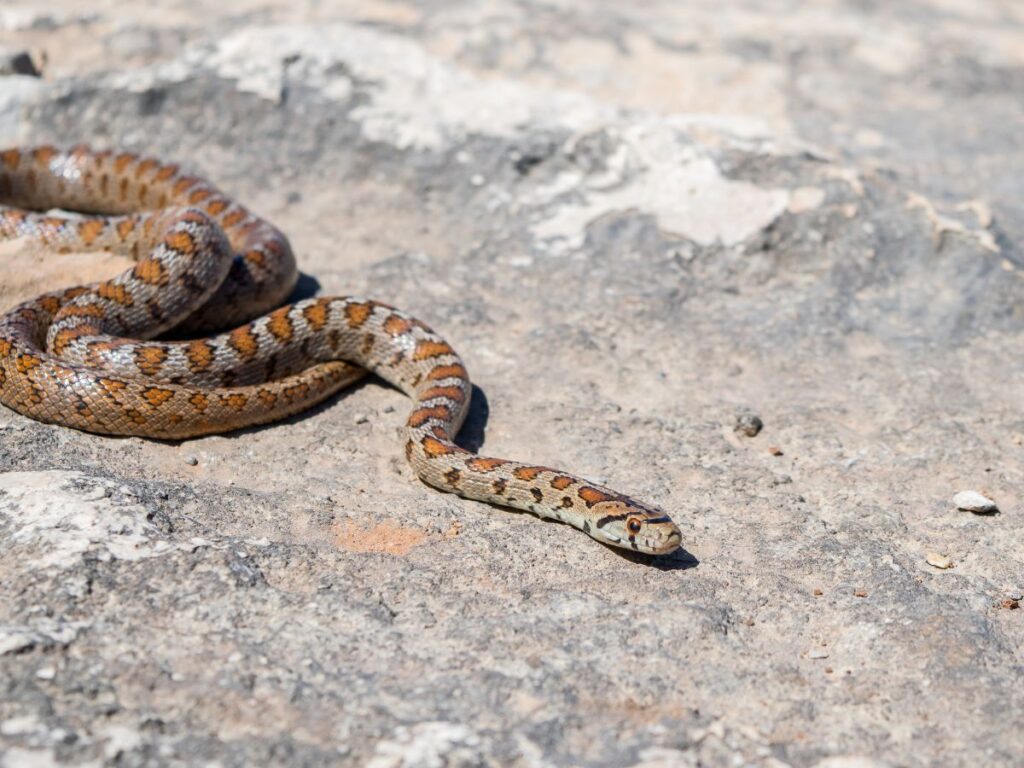
The simple answer is yes, but it is rare. When people ask are there snakes in Arizona homes, they are usually imagining snakes living permanently inside houses. In reality, snakes rarely stay inside homes for long periods.
Indoor environments do not provide the natural conditions snakes need. Houses usually lack the prey, temperature changes, and hiding spaces snakes rely on for survival.
When snakes do appear inside a structure, it is usually because they accidentally wandered in while searching for food or shelter. Garages, sheds, crawl spaces, and storage areas are far more common places for snakes than living rooms or bedrooms.
Why Snakes Sometimes Move Close to Houses
There are several reasons snakes may come near residential areas. These reasons usually relate to survival needs rather than any interest in human environments.
Searching for Food
Snakes are predators that feed on animals such as rodents, lizards, birds, and insects. If these animals are present near a house, snakes may follow them into the area.
Rodents are especially attractive to snakes. Mice and rats often live near homes where food is available. Trash bins, bird feeders, and pet food left outside can all attract rodents. Once rodents appear, snakes may follow because they see the area as a potential hunting ground.
Looking for Shelter
Snakes spend a large portion of their time hiding. They look for quiet, dark places where they can rest safely during the day.
Homes and yards sometimes provide these hiding spots without homeowners realizing it. Examples include:
- rock landscaping
- wood piles
- thick bushes
- gaps under decks or patios
These areas stay cooler than open ground and provide protection from predators.
Escaping Extreme Heat
Arizona summers can be extremely hot. During the hottest hours of the day, snakes often look for cooler places to hide.
Garages, shaded entryways, and crawl spaces may offer cooler temperatures than the surrounding desert. This can sometimes attract snakes seeking relief from the heat.
Understanding where snakes hide around homes in Arizona can help homeowners identify potential shelter areas in their yards.
Common Places Snakes May Enter Around Homes
Although most snakes remain outside, small openings around a house can occasionally allow them to enter structures.
Garages
Garages are one of the most common places snakes appear near homes. Garage doors are opened frequently, creating opportunities for wildlife to enter.
Once inside, snakes may hide behind boxes, tools, or storage containers.
Crawl Spaces
Some houses have crawl spaces beneath the floor that provide cool shaded areas. If these spaces are not sealed properly, snakes may enter and rest there.
Sheds and Outdoor Storage Areas
Garden sheds and storage buildings often contain equipment, tools, or clutter that create hiding spots for wildlife.
These quiet spaces can become temporary shelters for snakes, especially during hot weather.
Small Gaps in Foundations
Tiny cracks or holes around a home’s foundation can provide entry points for animals. Snakes are flexible and can squeeze through surprisingly narrow openings.
Inspecting these areas regularly can help prevent wildlife from entering.
Are Snakes Inside Homes Dangerous?
Finding a snake indoors can be frightening, but not all snakes are dangerous. Many snake species in Arizona are harmless and actually help control pests such as rodents.
However, because venomous species like rattlesnakes also live in Arizona, it is important to treat any unknown snake with caution.
If you encounter a snake inside a structure:
- remain calm and keep your distance
- keep pets and children away from the area
- avoid attempting to handle or capture the snake
Most snakes will attempt to leave on their own if they feel threatened.
If the snake does not leave or appears dangerous, it is safest to contact wildlife professionals who can remove it safely.
In many cases, certain conditions attract wildlife to residential areas. Learn more about what attracts snakes to your yard in Arizona.
Signs That Snakes May Be Nearby
Snakes are very good at hiding, but certain clues may indicate they are present near a home.
Some signs include:
- shed snake skins
- increased rodent activity
- unusual tracks in dusty areas
- sudden disappearance of small animals
These signs do not always mean snakes are nearby, but they may indicate conditions that attract wildlife.
Homeowners who notice these clues should inspect their property for possible hiding spots.
How to Prevent Snakes From Entering Your Home
Preventing snakes from entering structures usually involves removing the conditions that attract them.
Seal Small Openings
Inspect the exterior of your home for cracks, gaps, or holes. Use caulk, weather stripping, or mesh screens to seal entry points.
Reduce Rodent Activity
Because rodents attract snakes, controlling rodent populations is one of the most effective prevention methods.
Keep trash containers closed and avoid leaving food sources outside overnight.
Maintain Landscaping
Trim bushes, remove yard debris, and avoid stacking rocks or wood close to the house. These steps reduce hiding places where snakes might rest.
Keep Storage Areas Clean
Organized garages and sheds provide fewer hiding spots for wildlife.
Regularly cleaning and inspecting these spaces can discourage animals from staying there.
Many sightings involve common backyard snakes in Arizona, which are often searching for food like rodents or insects.
Why Snakes Look for
Near Homes
Snakes do not typically seek out human environments. However, residential properties often contain features that meet the basic survival needs of snakes. These needs include shelter, food, water, and protection from predators.
Arizona’s intense summer heat also plays an important role. During the hottest parts of the day, snakes search for cool shaded areas where they can rest safely. Many yards unintentionally provide ideal hiding spots without homeowners realizing it.
Some of the most common reasons snakes hide near homes include:
- protection from heat and sunlight
- access to prey animals such as rodents or lizards
- safe areas away from predators
- dark or shaded spaces for resting during the day
Because snakes rely heavily on hiding for survival, they often choose locations that are quiet, undisturbed, and difficult for people to notice.
Many of these hiding spots are also where common backyard snakes in Arizona are frequently discovered.
Rock Piles and Decorative Landscaping
One of the most common snake hiding spots in Arizona yards is decorative rock landscaping. Many homeowners use gravel, stones, or stacked rocks because they require little maintenance and conserve water.
While rock landscaping is practical in desert environments, it can create small spaces between stones where snakes hide. These spaces remain cooler than open ground and provide excellent protection from predators.
Snakes may also use rock piles as hunting grounds because small animals often hide in the same places. Rodents, insects, and lizards frequently live in or around rocks, making them attractive food sources for snakes.
To reduce the chances of snakes hiding in rock landscaping, homeowners should avoid creating large rock piles and regularly inspect these areas for signs of wildlife activity.
Wood Piles and Construction Materials
Stacks of firewood or leftover construction materials can easily become shelters for snakes. These piles often contain small gaps that provide darkness and protection from the sun.
Wood piles can also attract rodents, which in turn attract snakes searching for food. When firewood remains stacked in the same location for long periods without disturbance, it creates a stable environment where animals can hide.
If you store firewood outdoors, it is best to keep it elevated slightly above the ground and located away from the house. Regularly moving or rotating the wood can also discourage animals from settling inside the pile.
Thick Bushes and Dense Vegetation
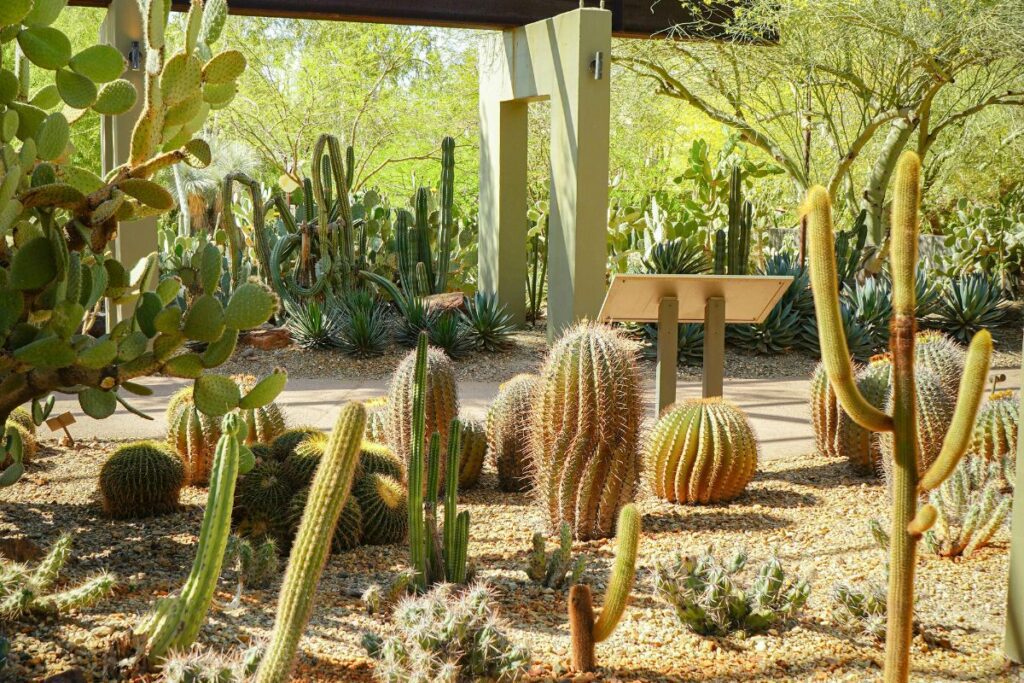
Another common place snakes hide around homes is in thick vegetation. Bushes, shrubs, and tall plants provide shade and cover that protect snakes from predators and extreme temperatures.
Arizona yards often contain drought-resistant plants such as cactus, desert shrubs, and ground cover. While these plants are well suited to the climate, dense plant growth can create cool hiding spaces underneath.
Snakes may move through thick vegetation without being seen, especially if plants grow close together. Keeping shrubs trimmed and maintaining open spaces between plants can reduce hiding spots and make it easier to spot wildlife.
Tall Grass and Overgrown Areas
Although many Arizona homes use gravel landscaping instead of lawns, some properties still contain grass areas. Tall or overgrown grass creates an ideal hiding place for snakes because it offers both shade and concealment.
Snakes can travel through tall grass without being visible, making it difficult for homeowners to notice them until they are very close. This increases the risk of accidental encounters.
Regular mowing and keeping grass trimmed short can significantly reduce the likelihood of snakes using these areas as shelter.
Under Outdoor Structures
Snakes often hide underneath outdoor structures where they can remain cool and protected. Common examples include:
- garden sheds
- decks or patios
- outdoor storage units
- air conditioning units
These structures usually create shaded spaces where the ground remains cooler than surrounding areas. Small gaps underneath structures allow snakes to enter easily.
Inspecting these spaces periodically and sealing gaps can help prevent animals from using them as shelter.
In many cases, snakes hide near homes because certain conditions attract them. Learn more about what attracts snakes to your yard in Arizona.
Inside Garages and Storage Areas
In some cases, snakes may wander into garages or outdoor storage rooms. This usually happens when doors are left open or when small gaps exist along the bottom edges of walls.
Garages sometimes attract rodents that search for food or nesting materials. If rodents are present, snakes may follow them inside.
Keeping garages organized, sealing cracks near doors, and eliminating rodent activity can reduce the chances of snakes entering indoor spaces.
Near Water Sources
Although Arizona is known for its dry desert climate, small water sources around homes can attract wildlife. Bird baths, garden ponds, pet water bowls, and leaking irrigation systems provide hydration for animals during hot weather.
Snakes may visit these areas because prey animals gather there. Rodents, birds, and insects often appear near water, creating hunting opportunities for snakes.
Maintaining water features carefully and avoiding unnecessary standing water can reduce wildlife activity near homes.
Along Fences and Property Edges
Snakes sometimes travel along fence lines or property edges where vegetation grows thicker and human activity is lower. These areas often connect residential neighborhoods with nearby desert landscapes.
Fences may contain small openings or gaps where snakes can pass through. Overgrown vegetation along fence lines also creates shaded travel routes that snakes use while moving between habitats.
Clearing vegetation along fences and repairing damaged sections can help limit snake access to residential yards.
Inside Rock Walls and Retaining Walls
Retaining walls and decorative rock walls are common in desert landscaping. These structures often contain small cavities or gaps where animals hide.
Snakes may use these spaces to rest during the day or escape extreme temperatures. Because the walls absorb heat from sunlight, they can remain warm even after sunset, attracting reptiles seeking comfortable shelter.
Inspecting walls for large gaps and sealing accessible openings can discourage wildlife from using these structures as hiding spots.
Natural Desert Areas Near Homes
In many parts of Arizona, residential neighborhoods are built directly beside natural desert landscapes. When homes are located close to open desert land, wildlife encounters become more common.
Snakes living in nearby natural habitats may occasionally travel through yards while hunting or searching for water. In these situations, the snake may only be passing through rather than settling permanently.
Homeowners who live near desert areas should remain especially aware of their surroundings when walking outdoors, gardening, or moving objects in the yard.
Residents in desert cities often report snake sightings. Read our guide about snakes in Mesa Arizona to understand which species are common.
What to Do if You Find a Snake Indoors
If you discover a snake inside your home or garage, try not to panic. Most snakes want to escape and will leave if they are not disturbed.
Follow these steps:
- Keep a safe distance from the snake.
- Move pets and children away from the area.
- Close interior doors to limit the snake’s movement.
- Allow the snake to exit if it has access to an outdoor path.
If the snake remains inside or you cannot identify it, contact local wildlife professionals for assistance.
Why Snakes Are Important to Arizona’s Ecosystem
Although snakes can be intimidating, they play a vital role in maintaining ecological balance. Many species help control rodent populations, which reduces damage to crops and limits the spread of certain diseases.
Without predators like snakes, rodent populations could grow rapidly and create larger problems for communities.
For this reason, snakes are considered an important part of Arizona’s natural environment.
Homeowners can also follow practical tips on how to keep snakes away in Arizona to reduce wildlife activity near their property.
Living Safely With Wildlife in Arizona
Because Arizona communities are often built near natural desert habitats, encounters with wildlife are sometimes unavoidable. Learning about local animals can help residents respond calmly and safely.
By understanding are there snakes in Arizona homes and why snakes sometimes move near houses, homeowners can take simple precautions that greatly reduce the chances of indoor encounters.
Maintaining clean yards, sealing small openings, and removing food sources are some of the most effective steps homeowners can take.
Final Thoughts
So, are there snakes in Arizona homes? While it can happen, it is relatively uncommon. Most snakes prefer outdoor environments where they can hunt and hide naturally.
When snakes do appear near houses, they are usually searching for food, shelter, or cooler areas during hot weather. Small gaps around garages, foundations, or storage spaces may occasionally allow them to enter structures.
By keeping yards clean, controlling rodents, and sealing potential entry points, homeowners can significantly reduce the chances of snakes entering their homes.
With a little awareness and preparation, residents can live safely in Arizona while respecting the wildlife that shares this unique desert landscape.
FAQ
Are snakes commonly found inside Arizona homes?
No. Snakes rarely live inside homes and usually stay outdoors. Indoor encounters are uncommon and usually accidental.
Why would a snake enter a house in Arizona?
Snakes may enter while searching for food, shelter, or cooler temperatures during extreme heat.
Can snakes enter through small openings?
Yes. Snakes can squeeze through narrow gaps under doors, around foundations, or through openings near pipes and vents.
How can homeowners keep snakes out of their houses?
Sealing entry points, controlling rodents, and maintaining clean landscaping are the best ways to prevent snakes from entering homes.

Ravi Rathore is a field snake researcher and Arizona wildlife enthusiast who studies snake behavior, identification, and desert ecosystems. He focuses on helping hikers, homeowners, and outdoor explorers understand the difference between venomous and non-venomous snakes in Arizona. Through detailed guides and safety resources, he shares practical knowledge to help people stay safe while respecting native wildlife.
3 thoughts on “Are There Snakes in Arizona Homes? What Residents Should Know”