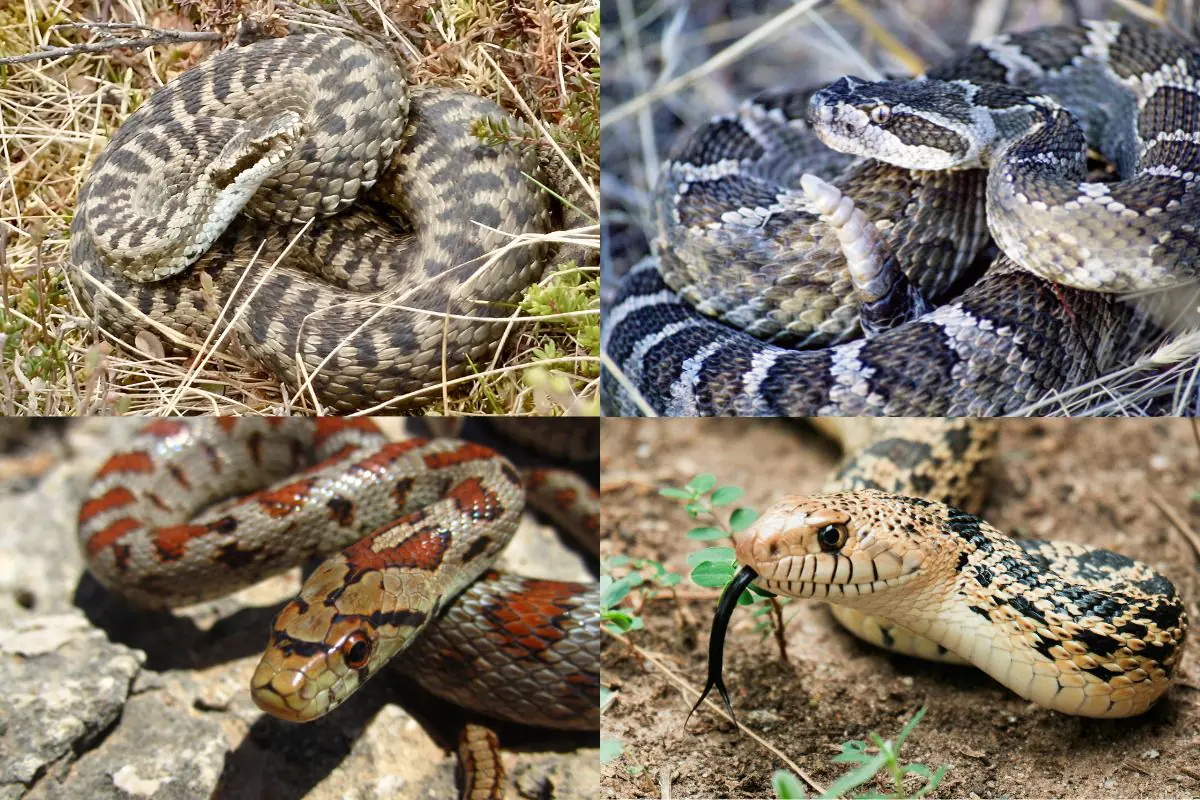
Learn How to Identify Venomous and Non-Venomous Snakes in Arizona Safely
Arizona is home to one of the most diverse snake populations in the United States. From the rocky mountains in the north to the Sonoran Desert in the south, more than 50 snake species live across the state. While Arizona is famous for its rattlesnakes, the truth is that most snakes found in Arizona are non-venomous and play an important role in maintaining a healthy ecosystem.
Whether you spot a snake while hiking, gardening, walking your dog, or relaxing in your backyard, knowing how to identify it can help you stay safe and avoid unnecessary panic. Many harmless snakes are frequently mistaken for venomous species because of similar colors, body patterns, or defensive behavior. Learning the basic differences can help you react appropriately without putting yourself or the snake at risk.
This Arizona Snake Identification Guide explains the physical characteristics, habitats, behaviors, and common species found throughout the state. You’ll also learn how to identify snakes safely, understand where different species are most commonly found, and discover why protecting Arizona’s native snakes benefits both people and wildlife.
Snake activity changes throughout the day depending on temperature and the season. If you’re planning to hike or spend time outdoors, our guide on What Time of Day Are Snakes Most Active in Arizona? explains when you’re most likely to encounter snakes and how to stay safe.
Why Snake Identification Matters
A snake can be difficult to identify at a glance, especially when it is moving, partially hidden, or viewed in poor light. Several Arizona species also have similar colors and patterns, so a quick identification based on one feature can easily be wrong.
The safest approach is to observe the snake from a distance and look at several characteristics together. You do not need to approach, touch, corner, or pick up a snake to identify it.
Knowing the difference between common Arizona snakes can also prevent unnecessary harm to harmless species. Snakes are an important part of the state’s ecosystems, where they help control rodents, lizards, insects, and other prey.
If you cannot confidently identify a snake, leave it alone and treat the encounter cautiously rather than trying to get closer for a better view.
How to Identify a Snake Safely
Important safety tips before identification:
Your safety should always come first.
If you encounter a snake outdoors, never try to catch it or move closer for a better look. If you want a photograph for later identification, take it only from a safe distance without approaching, disturbing, or blocking the snake’s escape route. A clear photograph can sometimes provide enough information for an experienced identifier to recognize the species.
Follow these basic safety guidelines:
- Keep as much distance as practical, especially from a rattlesnake or any snake you cannot identify.
- Keep children and pets away.
- Allow the snake an escape route.
- Never throw rocks or sticks.
- Avoid cornering the animal.
- Take a photo only if it can be done safely.
Remember that even experienced wildlife professionals handle snakes with caution.
The Most Important Features Used for Snake Identification
Rather than focusing on just one characteristic, look at several features together.
Head Shape
Many people believe that a triangular head always means a snake is venomous.
While pit vipers such as rattlesnakes usually have broad, triangular heads, some harmless snakes flatten their heads when threatened to appear larger.
Because of this defensive behavior, head shape alone is not a reliable way to identify a snake.
Eyes and Pupils
Eye shape and pupil appearance can sometimes provide an additional identification clue, but they should never be used as a reason to approach a snake.
A person should not move closer to examine a snake’s eyes. When a snake is already at a safe distance, a clear photograph may provide useful information for identification.
Body Pattern
Many Arizona snakes display beautiful patterns that help them blend into their surroundings.
Look for:
- Diamonds
- Blotches
- Stripes
- Bands
- Solid colors
- Speckles
Body markings are often more reliable than color alone because lighting conditions can make colors appear different.
Tail
The tail provides another useful clue.
A rattlesnake has a segmented rattle on the end of its tail.
Harmless snakes lack this feature.
Young rattlesnakes may have only a small button at the end of the tail, making identification more difficult.
Body Size
Snake size varies greatly between species.
Some Arizona snakes reach less than one foot in length, while others grow beyond six feet.
Length alone should never be used for identification, but it can help narrow the possibilities.
Venomous vs. Non-Venomous Snakes
One of the biggest misconceptions is that every snake in Arizona is dangerous.
Venomous vs. Non-Venomous Snakes
Arizona has both venomous and non-venomous snakes, and some species can look surprisingly similar. Because of that, identification should never depend on a single feature such as color, head shape, or pupil shape.
Arizona’s rattlesnakes are pit vipers and have several recognizable characteristics, including a broad head, heat-sensing pit organs between the eyes and nostrils, hinged fangs, and a rattle. However, a missing or damaged rattle does not automatically mean a snake is harmless.
Other Arizona snakes may have similar colors or defensive behaviors without being dangerous to people. Gopher Snakes, for example, can flatten their heads, hiss, and vibrate their tails when threatened, which can make them look and sound surprisingly similar to rattlesnakes.
The safest rule is simple: if you cannot confidently identify a snake, do not approach it. Observe from a safe distance and allow the animal to move away.
Common Identification Clues
| Feature | What it can tell you |
|---|---|
| Rattle | Strong clue that the snake is a rattlesnake |
| Head shape | Useful as one clue, but not reliable by itself |
| Body pattern | Can help distinguish species when combined with other features |
| Tail markings | Useful for some Arizona species |
| Pupil shape | May provide a clue from a safe photograph, but should not be examined up close |
| Habitat | Can help narrow possible species |
| Behavior | Provides context but should not be used alone for identification |
No single characteristic is enough to safely identify every Arizona snake. Use several visible features together and avoid handling the animal.
Venomous Snakes Found in Arizona
Arizona is famous for its rattlesnakes, but they are only one part of the state’s diverse reptile population.
Learning to recognize venomous species helps you make safer decisions while enjoying the outdoors.
Western Diamondback Rattlesnake
The Western Diamondback is one of the most widely encountered rattlesnakes in Arizona. It can be recognized by its diamond-shaped dorsal pattern, dark-and-light tail bands, broad head, and rattle.
It occurs across a variety of habitats, including desert areas, grasslands, rocky terrain, and areas near human development.
If you encounter one, keep your distance and give it a clear path to move away.
Learn more: Western Diamondback Rattlesnake in Arizona
Mojave Rattlesnake
The Mojave Rattlesnake is considered one of Arizona’s most medically significant venomous snakes.
It resembles the Western Diamondback but usually has:
- Greenish or olive coloration.
- Diamond-like body markings.
- Narrow white tail bands.
Because these two species look similar, homeowners should never rely solely on color when making an identification.
Sidewinder Rattlesnake
The Sidewinder is perfectly adapted to Arizona’s sandy deserts.
Instead of moving in a straight line, it travels using a unique sideways motion that leaves distinctive J-shaped tracks in the sand.
Characteristics include:
- Small body.
- Horn-like scales above the eyes.
- Light brown or sandy coloration.
- Excellent camouflage.
Most people encounter Sidewinders while hiking in remote desert areas.
Black-tailed Rattlesnake
This species usually inhabits rocky canyons, foothills, and mountainous regions.
It is easily recognized by the dark-colored tail that gives it its name.
Unlike some rattlesnake species, Black-tailed Rattlesnakes are often relatively calm if left undisturbed.
Arizona Coral Snake
Although rarely seen, the Arizona Coral Snake is another venomous species found in southern Arizona.
It displays bright rings of:
- Red
- Yellow
- Black
Because several harmless snakes have similar colors, identification should never rely on color alone.
If you’re uncertain about any brightly colored snake, keep your distance and avoid handling it.
Non-Venomous Snakes in Arizona
Many Arizona snakes are not dangerous to people and play useful roles in the ecosystem. They help control rodents, lizards, insects, and other prey.
Some harmless species can resemble rattlesnakes because of their body patterns or defensive behavior. Learning a few common species can make it easier to recognize what you are seeing without getting close to the animal.
Below are several non-venomous or generally harmless snakes commonly encountered in Arizona.
Common Non-Venomous Snakes in Arizona
Most snakes you’ll encounter in Arizona are non-venomous. They are an important part of the desert ecosystem because they help control rodents, insects, and other small animals. In many cases, these snakes quietly go about their lives and avoid people whenever possible.
Understanding how to identify these common species can help you stay calm during an unexpected encounter and prevent harmless snakes from being mistaken for dangerous ones.
Gopher Snake
The Gopher Snake is one of the largest and most frequently seen snakes in Arizona. Adults commonly grow between four and seven feet long, making them similar in size to many rattlesnakes.
Their bodies are usually tan or cream-colored with large brown or dark blotches running down the back. Because of these markings, many homeowners mistake them for rattlesnakes.
When threatened, a Gopher Snake may flatten its head, coil its body, hiss loudly, and vibrate its tail in dry leaves to imitate a rattlesnake. Although this display can be convincing, the snake is harmless and has no rattle.
Gopher Snakes feed mainly on rodents, rabbits, birds, and eggs. Farmers and homeowners often appreciate them because they naturally reduce pest populations.
California Kingsnake
The California Kingsnake is one of Arizona’s most beautiful snakes. It usually has shiny black scales with bright white or cream-colored bands.
This species is especially valuable because it eats rodents, lizards, and even other snakes, including young rattlesnakes.
Kingsnakes are non-venomous and rely on constriction to capture prey. After grabbing an animal, they wrap their body around it until it can no longer breathe before swallowing it whole.
They are commonly found in desert areas, rocky hillsides, grasslands, and suburban neighborhoods where food is plentiful.
Coachwhip
Coachwhips are among the fastest snakes in North America.
Their long, slender bodies allow them to move quickly across open desert landscapes while searching for prey.
Color varies depending on location but often includes shades of tan, brown, reddish-brown, or pink.
Unlike many other snakes, Coachwhips actively hunt during the day.
Their diet includes:
- Lizards
- Small birds
- Rodents
- Insects
- Other small snakes
Despite persistent myths, Coachwhips do not chase people. They simply move quickly and may appear to be heading toward someone while trying to escape.
Patch-nosed Snake
The Patch-nosed Snake gets its name from the enlarged scale on the tip of its nose, which helps it dig through sandy soil.
This medium-sized snake is usually light brown or gray with darker stripes running along its body.
It is commonly found in deserts, scrublands, and sandy washes throughout Arizona.
Patch-nosed Snakes feed mainly on lizards and reptile eggs.
Because they spend much of their time hidden beneath vegetation or loose soil, they are not often seen.
Glossy Snake
Glossy Snakes are named for their unusually smooth, shiny scales.
Their color typically blends perfectly with Arizona’s desert soils, ranging from pale gray to light brown with darker blotches.
This excellent camouflage helps protect them from predators.
Glossy Snakes are active mainly during the evening and nighttime when temperatures become cooler.
They feed on:
- Small rodents
- Lizards
- Small birds
Because of their body pattern, inexperienced observers sometimes confuse them with young rattlesnakes.
Ground Snake
Ground Snakes are among Arizona’s smallest native snake species.
Most adults measure only 8 to 15 inches long.
Their small size and secretive behavior mean many people never notice them.
Ground Snakes usually hide beneath:
- Rocks
- Fallen branches
- Desert debris
- Loose soil
They feed primarily on insects, spiders, and other small invertebrates.
Long-nosed Snake
The Long-nosed Snake is easy to recognize because of its striking black, white, and red body pattern.
Although its coloration resembles the Arizona Coral Snake, careful observation reveals very different band arrangements.
Long-nosed Snakes spend much of their time underground and are often discovered after heavy rain or during warm summer nights.
Their diet includes:
- Lizards
- Small rodents
- Amphibians
When frightened, they sometimes release a strong-smelling defensive musk.
Night Snake
Although the Night Snake is rear-fanged and mildly venomous to its small prey, it is not considered a significant danger to people.
It is a small, secretive species that spends daylight hours hiding beneath rocks or logs.
At night, it emerges to hunt:
- Lizards
- Frogs
- Small reptiles
Night Snakes have gray or light brown bodies with darker blotches running along the back.
Because of their size and calm nature, encounters are relatively uncommon.
Lyre Snake
The Lyre Snake gets its unusual name from the lyre-shaped marking on the top of its head.
This attractive species is commonly found in rocky canyons and mountainous regions of Arizona.
Lyre Snakes are excellent climbers and often hunt among rock formations after sunset.
Their diet consists mainly of:
- Lizards
- Small rodents
- Birds
Other Generally Harmless Snakes
Then you can include:
- Gopher Snake
- California Kingsnake
- Coachwhip
- Patch-nosed Snake
- Glossy Snake
- Ground Snake
- Long-nosed Snake
- Garter Snakes
- Night Snake
- Lyre Snake
This is more scientifically careful than calling every one of them “non-venomous.”
Garter Snakes
Several Garter Snake species occur throughout Arizona, especially near permanent water sources.
They are usually recognized by the long stripes running the length of the body.
These active snakes commonly feed on:
- Frogs
- Fish
- Earthworms
- Small amphibians
Garter Snakes are frequently seen near ponds, irrigation canals, streams, and wetlands.
Because they help control insects and small pests, they are beneficial visitors around many properties.
Where Different Snakes Live in Arizona
Arizona’s landscape changes dramatically from low desert to mountain forests, and snake species vary with those habitats.
Sonoran Desert
Desert areas can support Western Diamondbacks, Sidewinders, Coachwhips, Gopher Snakes, Kingsnakes, and many other species. Snakes often use rocks, vegetation, burrows, and shaded areas for shelter.
Rocky Hills and Foothills
Rocky slopes, canyons, and foothills provide shelter for species such as Black-tailed Rattlesnakes, Speckled Rattlesnakes, and Lyre Snakes.
Grasslands
Grasslands provide habitat for snakes that feed on rodents, lizards, birds, and other small animals. Gopher Snakes, Coachwhips, and Kingsnakes can occur in these areas.
Areas Near Water
Rivers, ponds, streams, irrigation areas, and wetlands support species that are adapted to wetter environments. Garter Snakes are particularly associated with areas where water and suitable prey are available.
Habitat can help narrow down the possible species, but location alone is not enough for a reliable identification.
How Season and Temperature Affect Snake Activity
Snake activity changes throughout the year as temperatures and food availability change.
In spring, increasing temperatures can bring snakes out of winter shelters and increase movement. During the hottest parts of summer, many snakes adjust their activity to avoid extreme daytime temperatures and may be more noticeable during cooler periods.
Rain can also change conditions by increasing activity among prey animals and altering temperature and moisture levels. In fall, snakes may remain active while temperatures are suitable before becoming less active during colder periods.
For more detail, see our guides on rattlesnake season in Arizona, rattlesnakes in winter, snake activity after rain, and when rattlesnakes are most active during the day.
What to Do If You See a Snake
If you see a snake, stop and give it space. Most snakes would rather avoid people than confront them.
- Move away without cornering the snake.
- Keep children and pets away.
- Do not attempt to touch, catch, kill, or move it.
- Do not block its escape route.
- If it is inside a home or in an area where people are at immediate risk, contact a qualified local wildlife or snake-removal professional.
- If you are bitten by a suspected venomous snake, seek emergency medical care immediately.
For more information, see our guide on what to do if you see a snake while hiking in Arizona.
Common Mistakes When Identifying Arizona Snakes
- Thinking all triangular heads mean venomous
- Confusing gopher snakes with rattlesnakes
- Assuming baby snakes are harmless
- Getting too close for a better look
Final Tip for Safe Identification
No matter how confident you are, never rely on a single feature to identify a snake. Color, head shape, or body size alone can sometimes be misleading, as many harmless species mimic the appearance or behavior of venomous snakes.
Remember that snakes are an important part of Arizona’s ecosystem. They help control rodent populations and contribute to the natural balance of the environment. By learning to identify common species and respecting their space, you can enjoy Arizona’s outdoors more safely while helping protect native wildlife.
Frequently Asked Questions
Are most snakes in Arizona venomous?
No. Arizona has many snake species, but most are not dangerous to people. The state is particularly well known for its rattlesnake diversity, while species such as Gopher Snakes, Kingsnakes, Coachwhips, and many other snakes are generally harmless to people.
What is the most common venomous snake in Arizona?
The Western Diamondback Rattlesnake is the most commonly encountered venomous snake in Arizona. It lives in deserts, grasslands, rocky areas, and sometimes suburban neighborhoods.
What is the most common non-venomous snake in Arizona?
The Gopher Snake is one of the most common non-venomous snakes in Arizona. It is often mistaken for a rattlesnake because of its similar color pattern and defensive behavior, but it is harmless to humans.
How can I tell if a snake is venomous?
Look at several characteristics together rather than relying on one feature. Body pattern, head shape, tail, habitat, and behavior can all provide clues. If you’re unsure, keep your distance and treat the snake as venomous until it can be identified safely.
Do baby rattlesnakes have rattles?
Baby rattlesnakes are born with a small button on the end of their tail instead of a fully developed rattle. Even without a noticeable rattle, they should always be treated as venomous.
What should I do if I find a snake in my yard?
Stay calm and give the snake plenty of space. Bring children and pets indoors, and allow the snake time to move away. If it remains in a dangerous location or enters your home, contact a local wildlife removal professional.
Should I kill a snake if I see one?
No. Most snakes are protected wildlife and provide valuable ecological benefits. They usually leave on their own if they are not disturbed. Attempting to kill a snake greatly increases the risk of being bitten.
Where are snakes most commonly found in Arizona?
Snakes can be found throughout Arizona in deserts, rocky hillsides, grasslands, forests, riverbanks, and even suburban neighborhoods. They often seek shade under rocks, bushes, woodpiles, and other sheltered areas during hot weather.
Final Thoughts
Arizona is home to an incredible variety of snake species, and learning to identify them is one of the best ways to stay safe while enjoying the outdoors. Although the state is well known for its rattlesnakes, the majority of snakes you encounter are non-venomous and play an essential role in maintaining healthy ecosystems by controlling rodents and other pests.
Whether you’re hiking in the desert, camping in the mountains, or simply relaxing in your backyard, understanding the differences between venomous and non-venomous snakes can help you react calmly and confidently. Always observe snakes from a safe distance, avoid handling them, and remember that most species would rather escape than confront people.
Use this Arizona Snake Identification Guide as your starting point for identifying common snakes throughout the state, then explore our detailed species guides to learn more about each snake’s appearance, habitat, behavior, and safety tips. With the right knowledge, you can appreciate Arizona’s unique wildlife while keeping yourself, your family, and your pets safe.