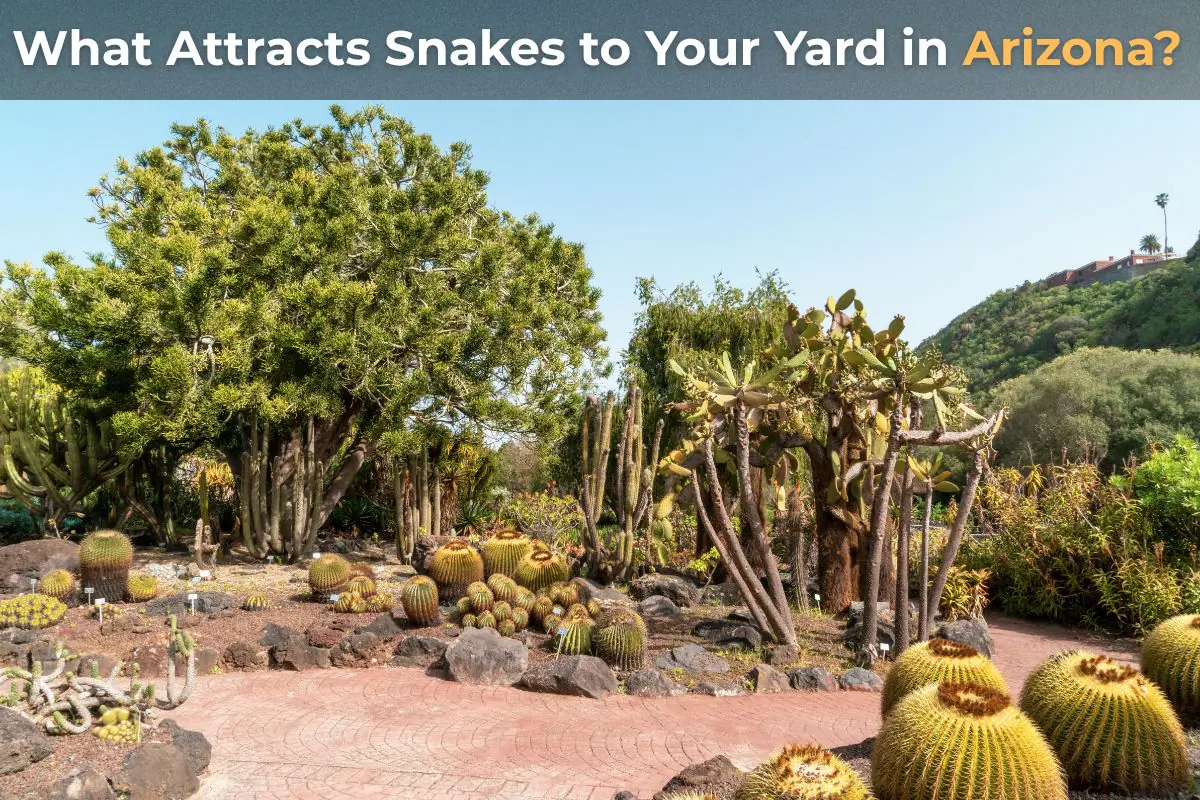
Arizona’s desert landscape is home to a wide variety of wildlife, including many species of snakes. For homeowners, spotting a snake in the yard can be surprising or even frightening. While snakes are a natural part of the ecosystem, most people prefer to keep them away from their homes and outdoor living spaces.
Understanding what attracts snakes to your yard in Arizona is the first step toward preventing unwanted encounters. Snakes do not usually enter residential areas randomly. Instead, they are drawn to environments that provide food, shelter, water, and protection from extreme temperatures.
In this detailed guide, we will explore the most common reasons snakes appear in Arizona yards, how landscaping and outdoor habits can unintentionally attract them, and what homeowners can do to make their property less appealing to snakes.
Why Snakes Are Common in Arizona
Arizona has one of the most diverse snake populations in the United States. The warm climate, desert terrain, and abundant prey create ideal conditions for snakes to thrive. According to the Arizona Game and Fish Department, the state is home to more than 50 snake species, including both venomous and non-venomous varieties.
Many of these species live naturally in desert environments that overlap with residential communities. As cities expand into desert areas, encounters between humans and snakes become more common.
Fortunately, most snakes prefer to avoid people and will only enter yards if they find something that meets their basic survival needs.
Many homeowners first notice snake activity when they encounter common backyard snakes in Arizona near landscaping or rock piles.
Food Sources That Attract Snakes
The biggest reason snakes appear in residential yards is the presence of food. Snakes are predators, and they will settle in areas where prey animals are easy to find.
Rodents and Small Mammals
Mice, rats, and other small mammals are one of the most common food sources for snakes. If your yard attracts rodents, it may also attract snakes that hunt them.
Rodents are often drawn to properties where food and shelter are available. Bird feeders, uncovered trash bins, compost piles, and pet food left outdoors can all attract mice and rats. Once rodents appear, snakes may follow.
Reducing rodent populations is one of the most effective ways to discourage snakes from visiting your property.
If you want to prevent future encounters, read our guide on how to keep snakes away in Arizona.
Birds and Bird Feeders
Bird feeders are popular in many Arizona backyards, but they can also attract snakes indirectly. Birds often drop seeds on the ground, which attract rodents and insects. These smaller animals then become prey for snakes.
Some snake species also eat bird eggs or young birds. If your yard regularly attracts birds, snakes may occasionally investigate the area.
Lizards and Insects
Arizona yards often contain large populations of lizards, especially in warm months. Many snakes feed on these reptiles. Insects also attract small animals that snakes eat.
A yard filled with insects and lizards can unintentionally become a hunting ground for snakes.
Water Sources in the Yard
Water is another major factor that attracts wildlife in Arizona’s desert environment. Even small amounts of water can draw animals looking for hydration during hot weather.
Common backyard water sources include:
- bird baths
- pet water bowls
- irrigation systems
- garden ponds
- leaking outdoor faucets
While these features are useful for homeowners and pets, they can also attract animals that snakes hunt. Removing unnecessary water sources or keeping them clean and controlled can help reduce wildlife activity.
Residents of desert cities like Mesa often report snake sightings during warm months. Learn more in our guide about snakes in Mesa Arizona.
Shelter and Hiding Places
Snakes spend much of their time hiding from predators and extreme temperatures. Arizona summers can be extremely hot, so snakes often look for cool, shaded places to rest during the day.
Backyards sometimes provide ideal hiding spots without homeowners realizing it.
Rock Piles and Landscaping Stones
Decorative rock landscaping is common in Arizona because it requires little water. However, large rock piles or stacked stones can create small gaps where snakes hide.
These spaces remain cooler than open ground and provide protection from predators.
Wood Piles and Debris
Firewood stacks, construction materials, and yard debris can also create sheltered areas where snakes hide.
If these materials remain undisturbed for long periods, they may become permanent shelter for wildlife.
Thick Vegetation and Bushes
Overgrown bushes, dense ground cover, and tall grass provide shade and protection. Snakes can move through thick plants without being seen.
Keeping vegetation trimmed helps reduce hiding places.
Cool Areas Around Buildings
Snakes often search for cooler areas when temperatures rise. Some parts of a yard naturally stay cooler and attract reptiles during hot days.
Examples include:
- shaded patios
- areas under outdoor furniture
- spaces beneath sheds
- gaps around house foundations
These areas can create micro-habitats where snakes feel safe from heat and predators.
Regularly inspecting these spaces and sealing small openings can reduce the chances of snakes settling nearby.
Desert Landscaping That Encourages Wildlife
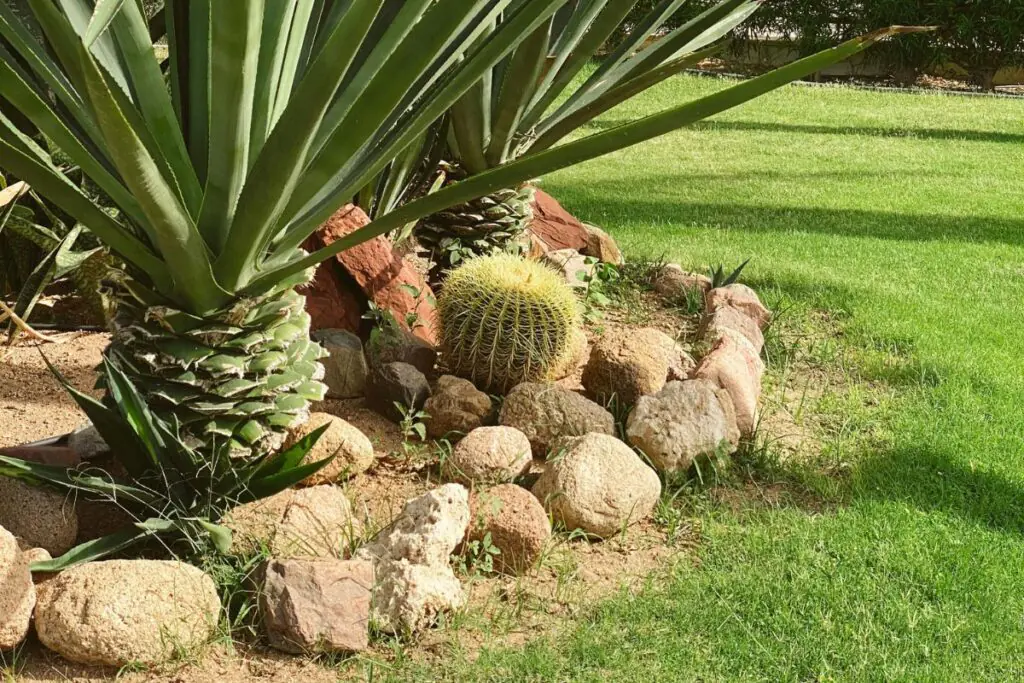
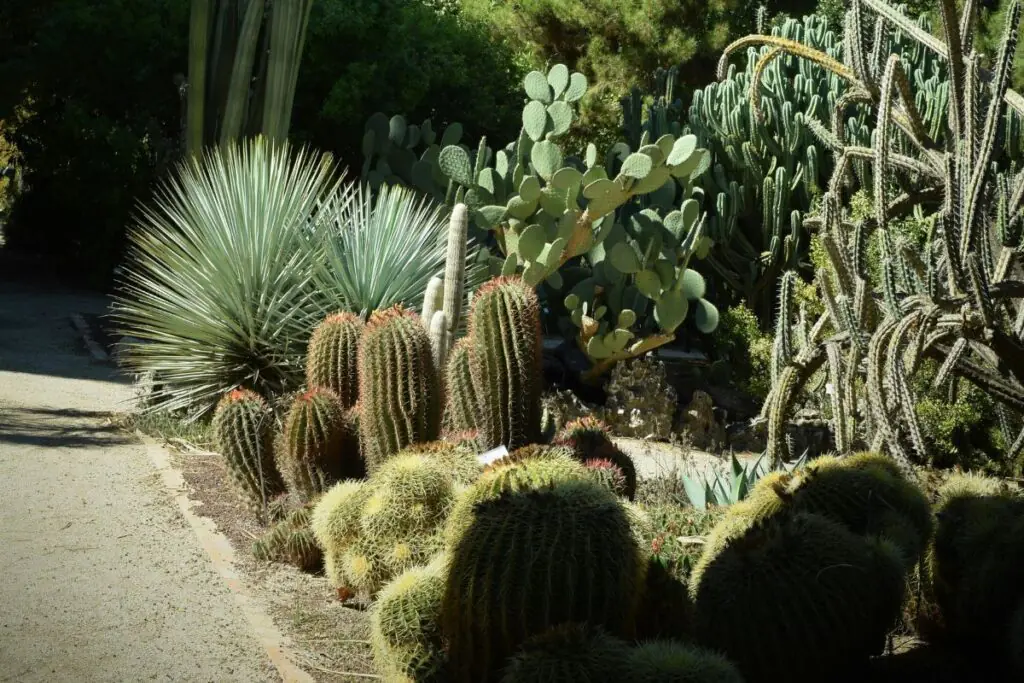
Many Arizona homes use desert landscaping with gravel, cactus plants, and drought-tolerant shrubs. While these designs are practical for water conservation, they can sometimes provide natural habitats for wildlife.
Gravel areas may attract insects and lizards. Cactus and shrubs create shade and protection. Together, these elements can form an environment that appeals to snakes searching for food and shelter.
This does not mean desert landscaping should be removed, but homeowners should maintain it carefully to minimize hiding places.
Nearby Natural Habitat
Sometimes the reason snakes appear in a yard has nothing to do with the yard itself. Homes built near natural desert areas are simply closer to snake habitats.
Snakes may pass through residential properties while moving between hunting areas, water sources, or seasonal shelters.
During warmer months, snakes become more active and travel greater distances. This increases the chances that they will temporarily pass through residential neighborhoods.
Seasonal Snake Activity in Arizona
Snake activity in Arizona changes throughout the year. Understanding these patterns helps explain why snakes may appear at certain times.
During spring and early summer, snakes become more active after winter dormancy. They search for food and mates during this period.
In the hottest months of summer, many snakes become more active during early morning or evening hours to avoid extreme heat.
In fall, snakes may search for sheltered places to spend cooler months.
These seasonal patterns can influence how often homeowners encounter snakes.
How to Make Your Yard Less Attractive to Snakes
Although snakes are part of Arizona’s natural environment, there are many practical steps homeowners can take to reduce the chances of encounters.
Remove Rodent Food Sources
Keeping garbage bins sealed and removing spilled birdseed helps reduce rodent populations. If rodents disappear, snakes are less likely to stay nearby.
Keep Landscaping Clean
Regular yard maintenance is one of the best prevention methods. Trim bushes, remove debris, and avoid creating piles of rocks or wood that provide hiding spots.
Seal Small Openings
Inspect fences, sheds, and the foundation of your home for small gaps where snakes might enter. Sealing these spaces helps keep wildlife outside.
Reduce Standing Water
Avoid leaving unnecessary water sources outdoors. Fix leaking faucets and keep irrigation systems properly maintained.
Maintain Clear Walkways
Keeping pathways and yard areas open makes it easier to spot snakes from a safe distance and reduces hiding places.
Are Snakes in the Yard Always Dangerous?
Not every snake seen in a yard is dangerous. Many species in Arizona are non-venomous and play a beneficial role in controlling pests such as rodents.
However, because venomous species also exist in the region, homeowners should always treat unknown snakes with caution.
If a snake appears aggressive or cannot be safely identified, contacting wildlife professionals is the safest option.
What to Do if You See a Snake in Your Yard
If you encounter a snake near your home, it is important to remain calm. Most snakes prefer to avoid human contact.
Follow these simple steps:
- Keep a safe distance from the snake.
- Bring pets and children indoors.
- Allow the snake time to move away on its own.
- Contact wildlife professionals if the snake remains in the area.
Avoid trying to handle or capture the snake yourself. Even non-venomous snakes may bite if they feel threatened.
According to the Arizona Game and Fish Department, snakes are commonly attracted to areas where food and shelter are available.
Final Thoughts
Understanding what attracts snakes to your yard in Arizona can help homeowners prevent unwanted encounters while respecting the natural environment. Snakes usually appear in residential areas because they find food, water, shelter, or nearby natural habitat.
By reducing rodent activity, removing hiding places, and maintaining a clean yard, homeowners can significantly decrease the chances of snakes visiting their property.
Although snakes can seem intimidating, they are an important part of Arizona’s desert ecosystem. With the right precautions and awareness, it is possible to live safely alongside the wildlife that shares this unique landscape.
FAQ
Why do snakes come into my yard in Arizona?
Snakes usually enter yards searching for food such as rodents or lizards, as well as water and shaded hiding places.
What attracts snakes the most?
The biggest attractants are rodents, bird feeders, dense vegetation, and cool hiding spots like rock piles or wood stacks.
Do snakes live permanently in backyards?
Most snakes do not stay permanently. They usually pass through while searching for food or shelter.
Does mowing the lawn help prevent snakes?
Yes. Keeping grass short and removing yard clutter reduces hiding places and makes the yard less attractive to snakes.
Should I kill a snake in my yard?
No. Snakes are important for controlling pests and are protected in many areas. It is best to leave them alone or contact wildlife professionals if necessary.

Ravi Rathore is a field snake researcher and Arizona wildlife enthusiast who studies snake behavior, identification, and desert ecosystems. He focuses on helping hikers, homeowners, and outdoor explorers understand the difference between venomous and non-venomous snakes in Arizona. Through detailed guides and safety resources, he shares practical knowledge to help people stay safe while respecting native wildlife.
1 thought on “What Attracts Snakes to Your Yard in Arizona? (2026 Homeowner Guide)”