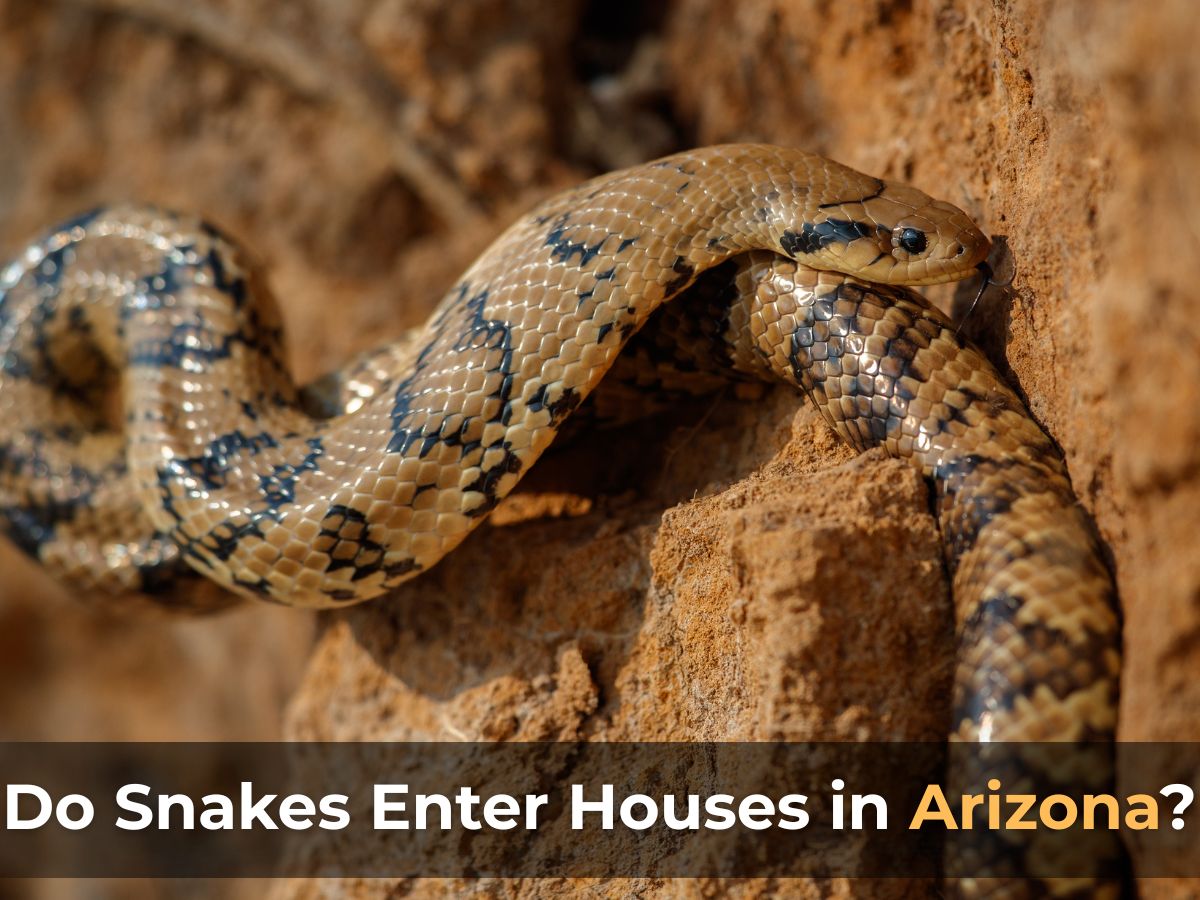
Arizona’s warm desert climate supports many snake species, which is why homeowners often ask do snakes enter houses in Arizona. Although snakes usually stay outdoors, they may occasionally move into garages, sheds, or even homes while searching for shelter, food, or cooler temperatures. Understanding why this happens can help homeowners prevent unwanted encounters and keep their property safer.
The truth is that while it is possible for snakes to enter houses in Arizona, it does not happen frequently. Most snakes prefer to stay outdoors where they can hunt, hide, and move freely through natural environments. However, under certain conditions, snakes may wander into garages, sheds, or even inside homes while searching for shelter, food, or cooler temperatures.
Understanding why snakes sometimes approach houses and how they might enter can help homeowners take simple steps to reduce the chances of indoor encounters.
Many homeowners first notice snake activity in their yards. Learn more about where snakes hide around homes in Arizona.
Why Snakes Are Common in Arizona
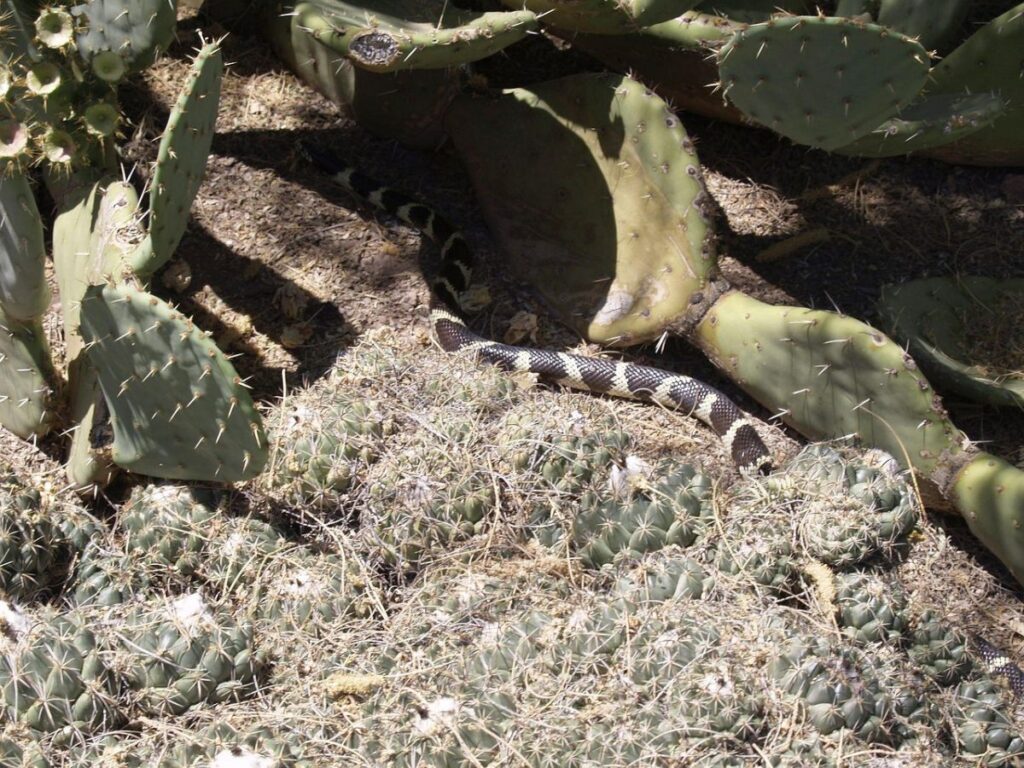
Arizona is home to dozens of snake species that thrive in desert and semi-desert environments. The combination of warm temperatures, rocky landscapes, and abundant prey animals creates ideal conditions for snakes to survive.
According to the Arizona Game and Fish Department, the state has more than 50 snake species. These include both harmless non-venomous snakes and venomous species such as rattlesnakes.
Most snakes live in natural habitats like deserts, mountains, and grasslands. However, urban expansion has brought many residential communities closer to these natural environments. As a result, snakes occasionally pass through neighborhoods while searching for food or shelter.
Even though snakes may appear near houses, they generally prefer to avoid human activity whenever possible.
Some snakes that appear near houses are actually common backyard snakes in Arizona that are searching for food or shelter.
Do Snakes Actually Enter Houses in Arizona?
In most situations, snakes do not intentionally enter houses. Indoor environments do not provide the natural conditions snakes need for hunting or long-term shelter.
However, snakes sometimes end up inside structures accidentally. This usually happens when they follow prey animals, seek cooler areas during extreme heat, or discover small openings that lead into enclosed spaces.
Common places where snakes may enter include:
- garages
- storage sheds
- crawl spaces
- basements or utility areas
Fully entering a living space such as bedrooms or kitchens is rare, but it can occur if there are open doors, cracks, or gaps large enough for a snake to pass through.
Why Snakes Sometimes Approach Houses
There are several reasons why snakes may move close to homes in Arizona. These reasons are usually related to survival needs rather than a desire to interact with people.
Searching for Food
One of the main reasons snakes appear near homes is the presence of prey animals. Rodents such as mice and rats often live around residential properties, especially if food sources are available.
Bird feeders, uncovered trash bins, and outdoor pet food can attract rodents. Once rodents appear, snakes may follow them into yards or structures.
Many homeowners first notice snake activity after discovering rodents or hearing sounds in storage areas.
Looking for Shelter
Snakes prefer dark, quiet areas where they can rest safely during the day. Some parts of a home’s exterior may provide suitable shelter.
For example, snakes may hide:
- under outdoor equipment
- beneath decks or patios
- inside wood piles
- near rock landscaping
If these areas remain undisturbed, snakes may temporarily stay there to avoid predators and extreme heat.
Escaping Extreme Heat
Arizona summers can reach extremely high temperatures. During the hottest parts of the day, snakes often search for shaded areas or cooler environments.
Garages, crawl spaces, and shaded entryways may feel cooler than exposed desert ground. This sometimes attracts snakes that are trying to escape the heat.
Common Entry Points Around Homes
If a snake does manage to enter a structure, it usually does so through a small opening that leads indoors. Many houses have tiny gaps that homeowners may not notice.
Possible entry points include:
Gaps Under Doors
Doors that do not seal tightly at the bottom can leave enough space for small snakes to enter.
Garage doors are especially common entry points because they are opened frequently.
Cracks in Foundations
Small cracks or openings in a home’s foundation may allow snakes or rodents to pass through.
These gaps may form naturally over time as buildings settle.
Vents and Utility Openings
Holes around plumbing pipes, electrical lines, or ventilation systems may provide access points for wildlife.
Sealing these openings can help prevent animals from entering structures.
Open Windows or Doors
In some cases, snakes simply wander inside when a door or window is left open, particularly at night when temperatures are cooler.
Are Snakes Inside Homes Dangerous?
Finding a snake inside a home can be alarming, but not every snake is dangerous. Many species in Arizona are non-venomous and actually help control rodent populations.
However, because venomous species such as rattlesnakes also exist in the region, it is important to treat any unknown snake with caution.
If you encounter a snake indoors:
- stay calm and keep a safe distance
- keep pets and children away
- avoid trying to handle the snake
Most snakes will attempt to escape if given space.
If the snake does not leave on its own, contacting wildlife professionals is the safest option.
Signs That Snakes May Be Nearby
Snakes are naturally secretive and may remain hidden for long periods. However, certain signs may indicate that wildlife activity is occurring near a home.
These signs include:
- shed snake skins
- rodent activity around structures
- unusual tracks in dusty areas
- sudden disappearance of small animals
Although these clues do not always confirm the presence of snakes, they may suggest that conditions are attracting wildlife.
Homeowners who notice these signs should inspect their property for potential hiding spots.
How to Prevent Snakes From Entering Your Home
The best way to avoid indoor snake encounters is to make your home and yard less attractive to wildlife.
Simple preventative steps can greatly reduce the chances of snakes approaching your house.
Seal Small Openings
Inspect the exterior of your home for cracks, holes, or gaps around doors and windows.
Use weather stripping, caulk, or mesh screens to block entry points.
Keep Garages Organized
Cluttered garages create hiding places for both rodents and snakes.
Keeping storage areas clean and organized helps remove shelter opportunities.
Control Rodent Populations
Reducing rodent activity around your property will remove a major food source for snakes.
Store trash securely, clean up spilled birdseed, and avoid leaving pet food outside overnight.
Maintain Landscaping
Trim bushes, remove debris, and avoid creating rock or wood piles close to your home.
These steps reduce potential hiding spots where snakes might rest during the day.
You can also reduce snake encounters by following our tips on how to keep snakes away in Arizona.
What to Do if You Find a Snake Indoors
If you discover a snake inside your home or garage, the most important thing is to remain calm.
Follow these steps:
- Keep a safe distance from the snake.
- Move children and pets away from the area.
- Close interior doors if possible to limit the snake’s movement.
- Allow the snake time to exit on its own if it can safely reach an outdoor space.
If the snake cannot leave or if you believe it may be venomous, contacting local wildlife professionals is the safest option.
Experts have the training and equipment needed to handle snakes safely.
If snakes are appearing around your property frequently, certain conditions may be attracting them. Read our guide on what attracts snakes to your yard in Arizona.
Why Snakes Are Important to the Environment
Although snakes sometimes cause concern, they play an important role in maintaining ecological balance.
Many snake species help control rodent populations, which can reduce crop damage and limit the spread of certain diseases.
Without natural predators like snakes, rodent populations could grow rapidly and create larger problems for both agriculture and residential communities.
For this reason, snakes are an important part of Arizona’s natural ecosystem.
Living Safely With Wildlife in Arizona
Arizona’s unique desert environment supports a wide range of wildlife species. As communities expand into natural habitats, encounters with animals like snakes become more common.
Fortunately, most snakes prefer to avoid humans and will leave an area once they sense disturbance.
By maintaining clean yards, sealing entry points, and understanding why snakes appear near homes, residents can greatly reduce the chances of indoor encounters.
Learning about local wildlife also helps people respond calmly and safely if they ever encounter a snake near their home.
According to the Arizona Game and Fish Department, most snakes prefer natural outdoor habitats and rarely enter homes unless they are searching for food or shelter.
Final Thoughts
So, do snakes enter houses in Arizona? The answer is yes, but it is uncommon. Most snakes prefer to remain outdoors where they can hunt and hide in natural environments.
When snakes do appear inside structures, it is usually because they are searching for food, shelter, or a cooler place to rest. Small gaps around doors, foundations, or utility openings can sometimes provide entry points.
By sealing these openings, controlling rodents, and maintaining a tidy yard, homeowners can significantly reduce the chances of snakes entering their homes.
With the right precautions and awareness, it is possible to live safely in Arizona while respecting the wildlife that shares this remarkable desert landscape.
FAQ
Do snakes commonly enter homes in Arizona?
No. Most snakes prefer to stay outdoors. Indoor encounters are rare and usually happen accidentally.
Can snakes enter through small gaps in doors?
Yes. Small snakes can squeeze through surprisingly narrow openings under doors or around foundations.
What should I do if I see a snake in my house?
Keep your distance, move pets and children away, and allow the snake to leave if possible. Contact wildlife professionals if needed.
How can I keep snakes from entering my home?
Seal cracks and gaps around the house, control rodents, and maintain clean landscaping to reduce hiding places near your home.

Ravi Rathore is a field snake researcher and Arizona wildlife enthusiast who studies snake behavior, identification, and desert ecosystems. He focuses on helping hikers, homeowners, and outdoor explorers understand the difference between venomous and non-venomous snakes in Arizona. Through detailed guides and safety resources, he shares practical knowledge to help people stay safe while respecting native wildlife.