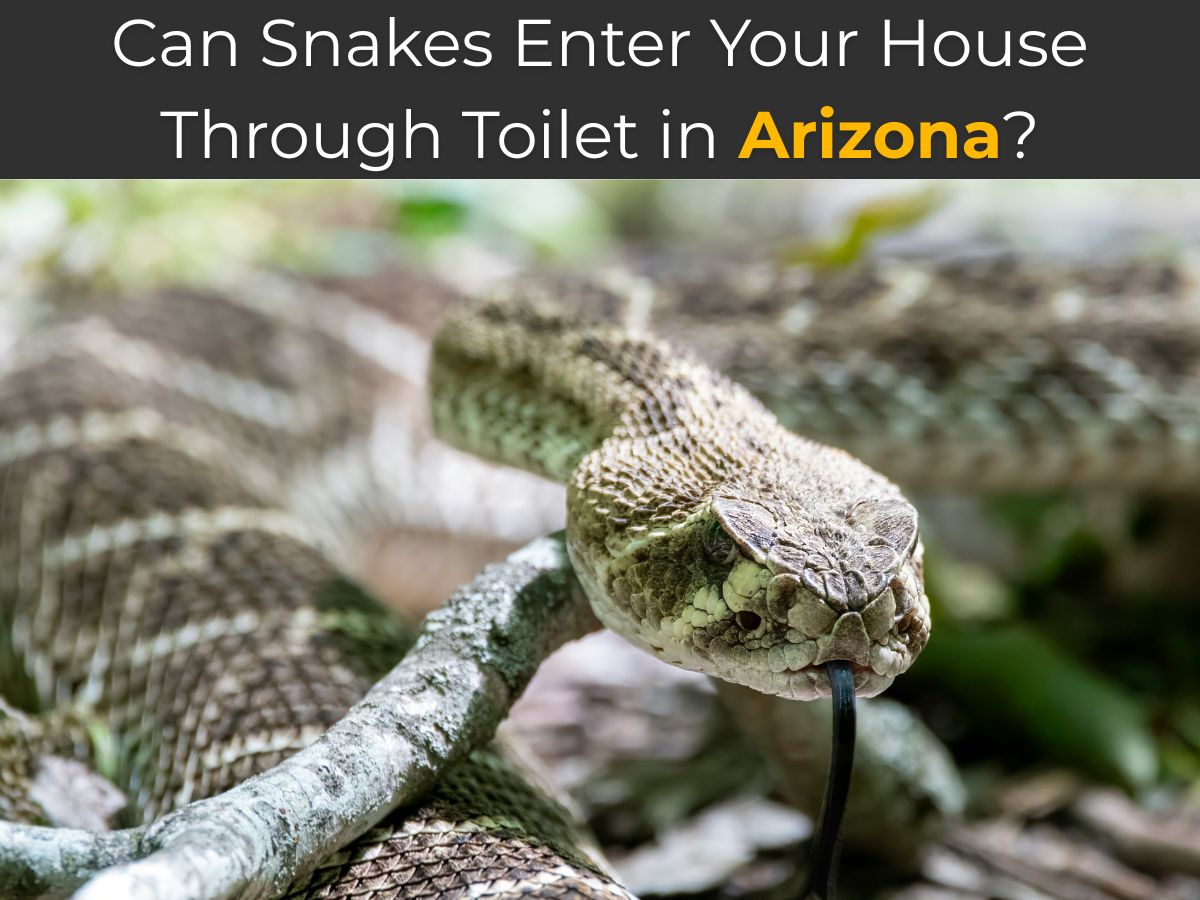
Living in desert regions like Arizona often means sharing the environment with wildlife. Among the many fears homeowners have, one question creates strong anxiety and curiosity: can snakes enter your house through toilet in Arizona? This concern may sound unusual at first, but many people search for real answers after hearing stories or seeing viral videos about snakes appearing inside bathrooms.
Understanding can snakes enter your house through toilet in Arizona is important for homeowners who want to feel safe inside their homes. Bathrooms are private spaces, and the thought of a snake suddenly emerging from a toilet can be frightening. While such incidents are rare, they are not completely impossible. The key is to understand how snakes behave, how plumbing systems work, and what practical steps can reduce risks.
This detailed safety guide will explain the truth behind this fear, separate myths from facts, and provide real prevention strategies that Arizona residents can follow.
Why People Fear Snakes in Toilets
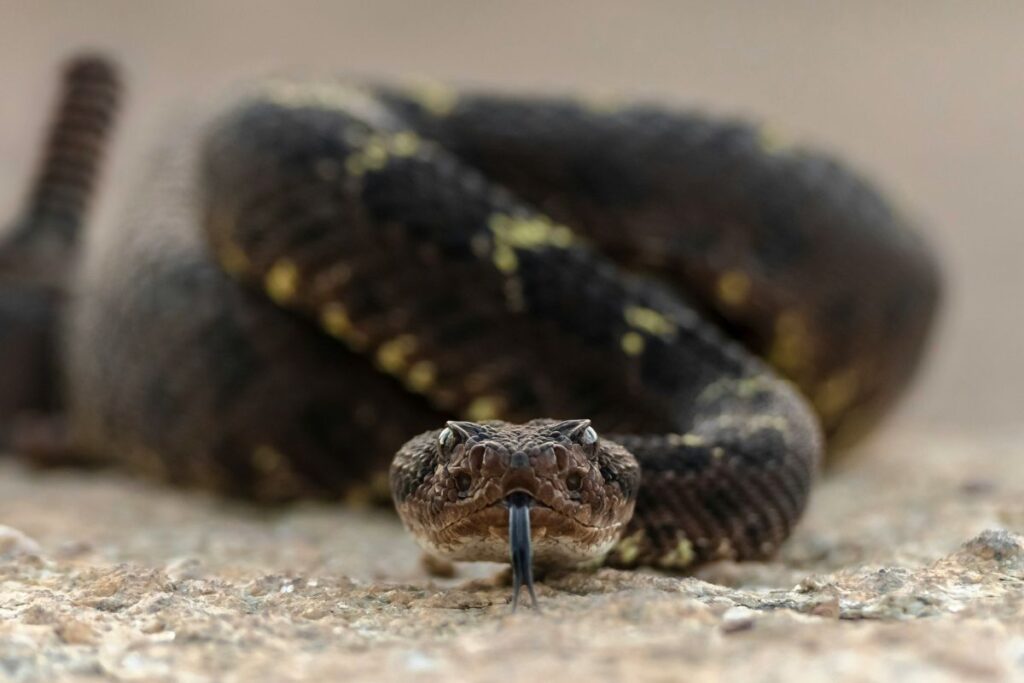
Fear of snakes in toilets comes from a mix of real wildlife encounters and exaggerated stories. In warm climates, snakes sometimes enter homes while searching for cool shelter, water, or prey such as rodents. Bathrooms naturally provide moisture and quiet hiding places, making them attractive to certain animals.
In Arizona, desert heat can become extreme, especially during summer months. Wildlife looks for shaded and cooler areas during the day. Pipes, drains, crawl spaces, and wall cavities can create pathways that allow small animals to move inside buildings. Because of this, the idea that snakes might use plumbing routes creates understandable concern.
However, to fully answer can snakes enter your house through toilet in Arizona, it is necessary to examine how plumbing actually functions.
Snakes often stay in hidden places explained in our guide on where do snakes hide around homes in Arizona.
How Home Plumbing Systems Work
Modern plumbing systems are designed to carry waste water away from homes through underground pipes. Toilets connect to drain pipes that lead to sewer lines or septic systems. These systems usually include protective features such as water traps, bends in pipes, and sealed connections.
The curved section of a toilet contains standing water, which acts as a barrier preventing sewer gases from entering the home. This water barrier also makes it difficult for animals to travel upward through the system. Additionally, most sewer lines are narrow and not ideal for large wildlife movement.
Despite these protective designs, small animals can sometimes enter damaged or open sewer systems. In rare cases, snakes may travel through pipes if there are structural weaknesses, broken seals, or accessible entry points.
Can Snakes Really Travel Through Pipes?
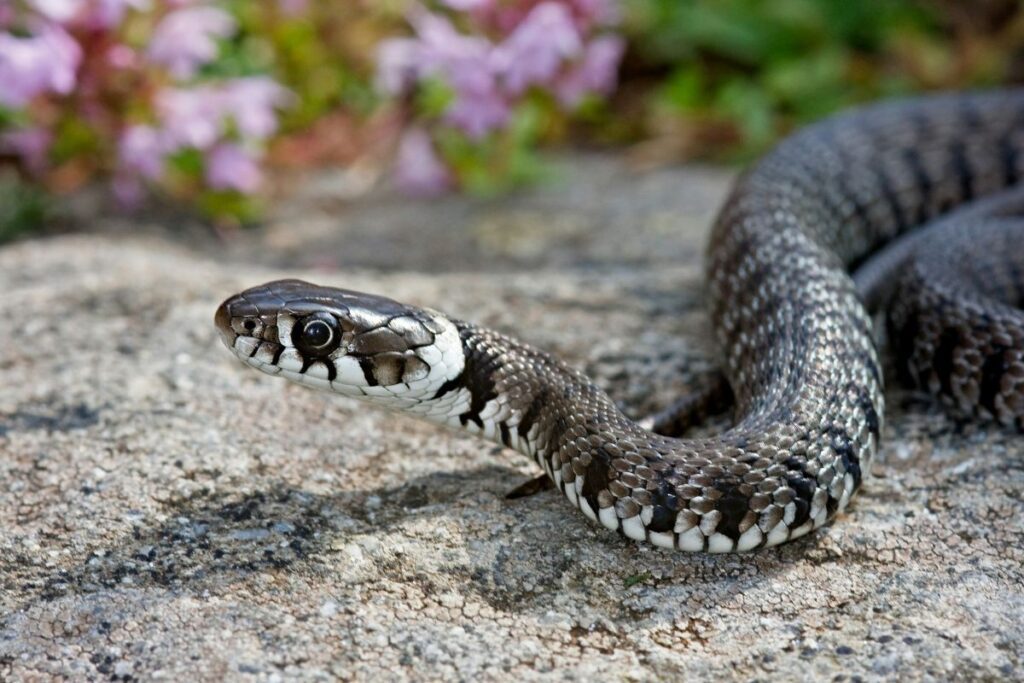
To understand can snakes enter your house through toilet in Arizona, it helps to look at snake biology. Snakes have flexible bodies that allow them to move through tight spaces. Some species are strong climbers and can navigate vertical surfaces if there is enough friction.
Desert snakes may enter underground burrows, drainage systems, or irrigation pipes while searching for prey. If a sewer line is cracked or open, a snake might accidentally enter the system. Once inside, it could move along the path until it finds an exit.
However, this journey is difficult and risky for the snake. Pipes can be slippery, dark, and filled with flowing water. Many snakes avoid such environments unless they are forced by extreme heat or scarcity of shelter.
This means that while it is technically possible, it is not common. Most snake encounters inside homes happen through doors, gaps, vents, or foundation openings rather than toilets.
Prevention steps discussed in how to keep snakes away in Arizona can reduce indoor encounters.
Why Bathrooms May Attract Snakes
Even if toilet entry is rare, bathrooms can still attract wildlife for several reasons.
Moisture and Cool Temperatures
Bathrooms are often cooler than other rooms because of tiled surfaces and water use. During hot desert afternoons, snakes may seek cooler areas inside buildings.
Quiet and Low Disturbance
Bathrooms are usually quiet spaces, especially during daytime hours when homes are empty. Snakes prefer calm environments where they can hide without being disturbed.
Access Through Structural Gaps
Small openings around pipes, floor drains, or wall fixtures may allow snakes to enter rooms without using the toilet itself. These hidden entry points are often overlooked by homeowners.
Understanding these factors helps answer can snakes enter your house through toilet in Arizona by showing that bathrooms are attractive environments even without direct pipe travel.
Real Incidents vs. Myths
Stories about snakes appearing in toilets often spread quickly online. Some are based on real wildlife encounters, while others are exaggerated or taken out of context.
In many reported cases, the snake actually entered the bathroom through an open door, broken vent, or crawl space. The toilet was simply the location where it was discovered. This creates the impression that it came through plumbing when the real entry point was elsewhere.
It is important to rely on verified information rather than panic-driven rumors. Understanding actual snake behavior reduces unnecessary fear and encourages practical prevention measures.
Common Arizona Snake Species That May Enter Homes
Arizona is home to several snake species, including both harmless and venomous types. Some are more likely than others to wander near residential areas.
- Gopher snakes often search for rodents near homes.
- Kingsnakes may enter yards while hunting other snakes.
- Rattlesnakes sometimes seek shaded shelters during hot weather.
These snakes usually enter through ground-level openings rather than plumbing systems. Keeping properties clean and sealed is therefore more effective than worrying only about toilets.
Food sources described in what attracts snakes to your yard in Arizona play a major role.
Seasonal Snake Movement in Arizona
Snake activity changes throughout the year. Understanding seasonal behavior helps homeowners stay prepared.
Spring
Snakes become more active after winter brumation. They move around searching for mates and food.
Summer
Extreme heat forces snakes to look for cooler shelter. This is when indoor encounters may increase.
Fall
Snakes prepare for colder months by finding safe hiding places.
Winter
Activity reduces significantly, though warm days can still bring occasional movement.
These seasonal patterns influence the likelihood of wildlife encounters inside homes.
Some homeowners also try solutions discussed in do snake repellents really work in Arizona.
Prevention Tips for Homeowners
Instead of focusing only on can snakes enter your house through toilet in Arizona, homeowners should adopt a complete safety strategy.
Seal Structural Gaps
Inspect areas where pipes enter walls or floors. Use sealants or mesh covers to block entry points.
Maintain Yard Cleanliness
Remove debris, wood piles, and dense vegetation that can attract rodents and snakes.
Fix Plumbing Damage
Repair cracked sewer lines, broken drains, or leaking fixtures promptly.
Install Door Sweeps and Screens
Prevent wildlife from entering through open spaces under doors or vents.
Reduce Outdoor Food Sources
Secure garbage bins and avoid leaving pet food outside.
These steps greatly reduce the chances of any wildlife entering indoor spaces.
Some species listed in common backyard snakes in Arizona may wander indoors.
What To Do If You Find a Snake in Bathroom
If a snake is discovered inside a bathroom, remain calm. Sudden movements may provoke defensive behavior.
- Keep distance and avoid attempting to handle the snake.
- Close the door to contain the animal.
- Ensure children and pets stay away.
- Contact local wildlife authorities for safe removal.
Most snakes are not aggressive unless threatened. Professional help ensures safe handling for both humans and animals.
Role of Education and Awareness
Learning about desert wildlife helps reduce fear and improves safety. Homeowners who understand snake behavior are better prepared to respond calmly during unexpected encounters.
Teaching family members basic awareness skills can prevent panic and injuries. This includes recognizing common snake habitats, maintaining clean surroundings, and knowing emergency contact numbers.
Wildlife experts from the Arizona Game and Fish Department say that sealing home entry points and reducing yard clutter can help prevent snakes from entering houses.
Long-Term Safety Strategy for Arizona Homes
Answering can snakes enter your house through toilet in Arizona ultimately leads to a broader understanding of wildlife coexistence. Desert ecosystems are complex, and human development often overlaps with natural habitats.
Long-term safety involves:
- Regular home inspections
- Seasonal yard maintenance
- Responsible waste management
- Community awareness programs
- Professional pest and wildlife consultations
These measures create safer living environments without harming native species.
The Centers for Disease Control and Prevention advises immediate medical care if a venomous snake bite is suspected.
Final Thoughts
So, can snakes enter your house through toilet in Arizona? While it is technically possible in rare circumstances, it is not a common route for snakes to enter homes. Most indoor encounters occur because of open doors, structural gaps, or attractive shelter conditions.
Focusing on practical prevention methods is far more effective than worrying about unlikely scenarios. By maintaining clean yards, sealing entry points, and understanding seasonal snake behavior, homeowners can greatly reduce risks.
Living in Arizona means respecting the desert ecosystem while protecting personal safety. With awareness and preparation, families can enjoy their homes confidently without unnecessary fear.
FAQ
How rare is a snake coming through a toilet?
It is very rare. Most snakes enter homes through ground-level openings rather than plumbing.
Can venomous snakes enter bathrooms?
Yes, but usually through doors or gaps, not through toilets.
Should I keep toilet lids closed?
Keeping lids closed can add an extra layer of caution, but sealing home entry points is more important.
What attracts snakes indoors?
Cool shelter, rodents, water sources, and cluttered environments can attract snakes.

Ravi Rathore is a field snake researcher and Arizona wildlife enthusiast who studies snake behavior, identification, and desert ecosystems. He focuses on helping hikers, homeowners, and outdoor explorers understand the difference between venomous and non-venomous snakes in Arizona. Through detailed guides and safety resources, he shares practical knowledge to help people stay safe while respecting native wildlife.