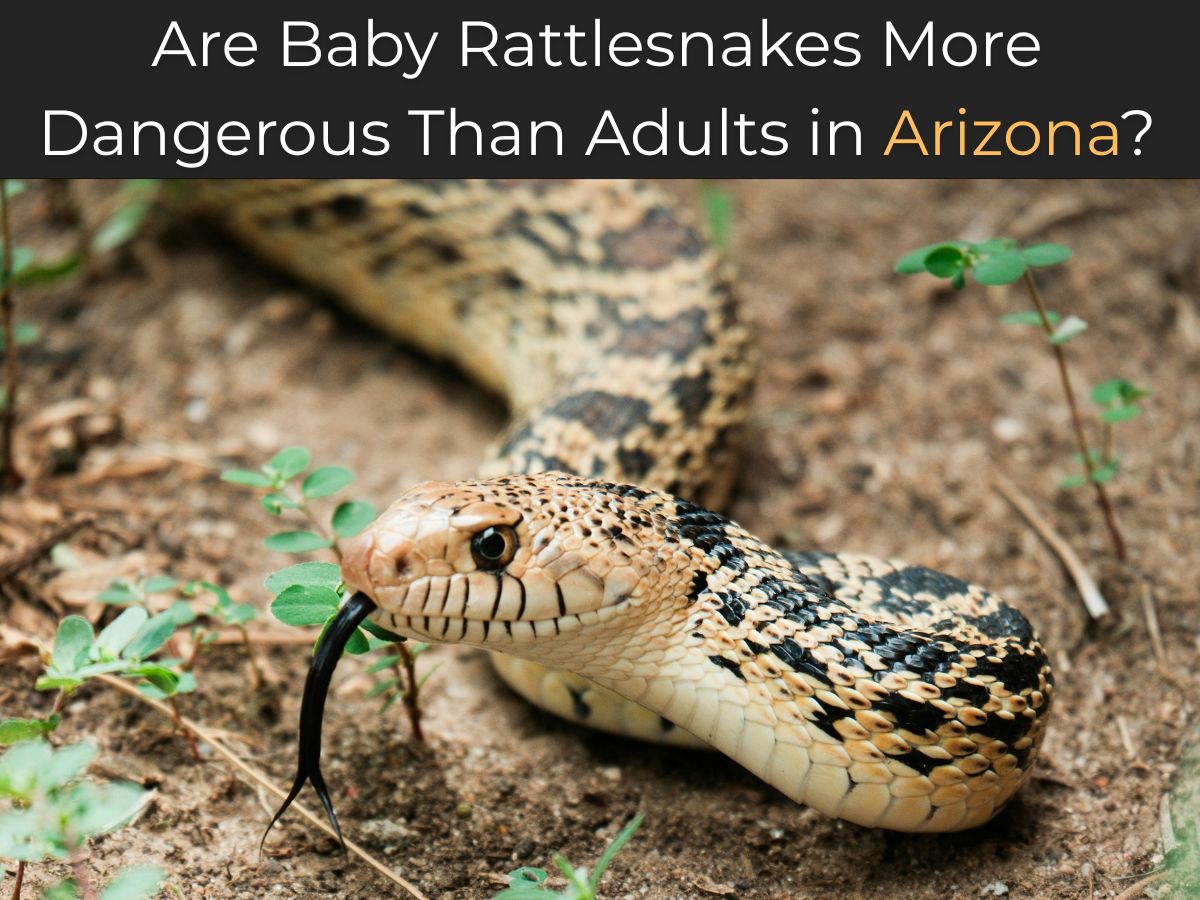
Many people living in desert regions often ask: are baby rattlesnakes more dangerous than adults in Arizona? This question creates fear among homeowners, hikers, and pet owners who frequently encounter snakes near yards, trails, and rocky areas. In many parts of Arizona, especially desert suburbs and hiking regions, rattlesnake encounters are a real concern for homeowners, hikers, and outdoor workers. One of the most common and confusing questions people ask is whether baby rattlesnakes are more dangerous than adult rattlesnakes. Stories, social media posts, and fear-based advice often suggest that young snakes are deadlier, more aggressive, or unable to control their venom.
Understanding the truth about baby rattlesnakes versus adults is important for staying safe without unnecessary panic. When people know how these snakes behave, where they live, and how to respond during an encounter, they can significantly reduce the risk of snakebite incidents. In Arizona’s warm climate and diverse desert ecosystems, both young and mature rattlesnakes play an important role in nature, but both can also pose risks if approached or disturbed.
Many snake encounters happen near homes because certain environmental conditions attract them. Homeowners who understand what attracts snakes to residential yards in desert regions can take simple prevention steps like removing debris, controlling rodents, and managing outdoor lighting.
How Rattlesnakes Are Born and Grow
Unlike many reptiles that lay eggs, rattlesnakes give birth to live young. Baby rattlesnakes are usually born in late summer and early fall. A single litter can include several newborn snakes that are immediately capable of defending themselves. These baby snakes are typically less than a foot long and have brighter patterns compared to adults. Their small bodies allow them to hide in narrow spaces such as cracks in rocks, under leaves, or within yard clutter.
As they grow, rattlesnakes shed their skin multiple times and gradually develop larger bodies and stronger venom glands. Adult rattlesnakes in Arizona can reach lengths of three to five feet or more depending on species and food availability. Over time, they learn how to hunt effectively, conserve energy, and decide when to use their venom defensively.
Are Baby Rattlesnakes More Venomous?
A common myth suggests that baby rattlesnakes are more venomous than adults because they cannot control how much venom they inject. In reality, adult rattlesnakes possess significantly larger venom reserves and have the potential to deliver more serious envenomation. Their bites can cause severe tissue damage, swelling, and systemic reactions if not treated promptly.
Baby rattlesnakes do have venom and can deliver painful and dangerous bites. However, their smaller size limits the total amount of venom they can inject. The belief that they are more dangerous often comes from their unpredictable defensive behavior. Young snakes may strike quickly when startled, while experienced adult snakes sometimes rely on warning signals before biting.
Arizona is home to several venomous snake species, and understanding their behavior patterns can improve outdoor awareness. A complete guide to venomous snakes in Arizona can help hikers and residents stay informed.
Can Baby Rattlesnakes Control Their Venom?
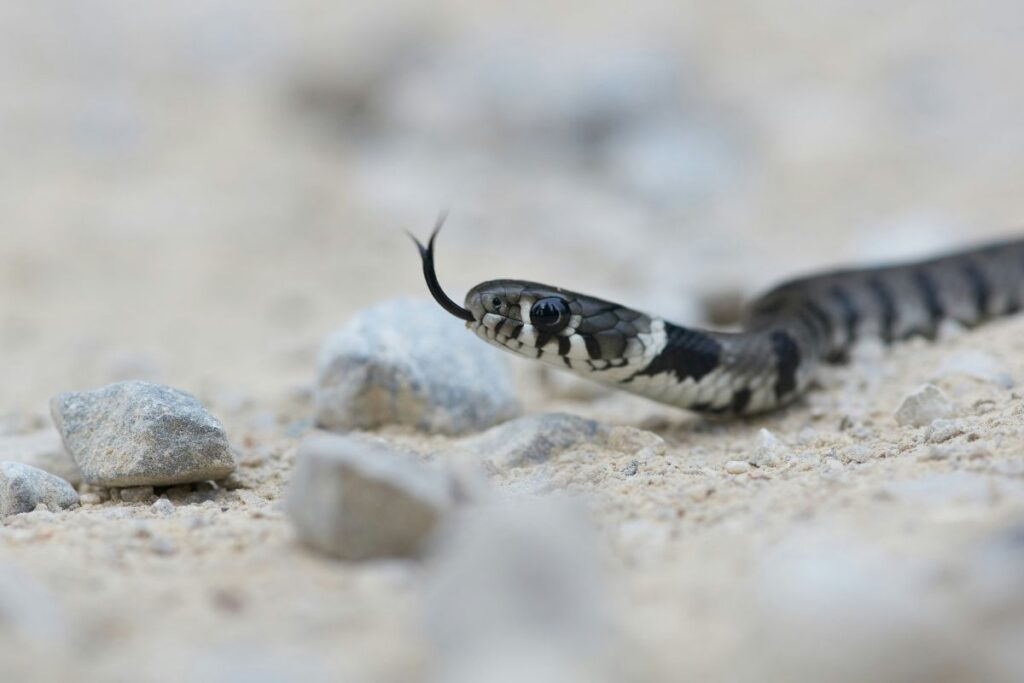
Young rattlesnakes are still developing hunting and defensive skills. They may not always regulate venom use as efficiently as adults. This does not mean they always release more venom, but rather that their responses may be less calculated. Adult rattlesnakes often deliver dry bites to conserve venom for hunting prey.
Venom production is energy-intensive, so snakes use it strategically. As rattlesnakes mature, they learn to assess threats and decide whether to strike or retreat. This behavioral learning process reduces unnecessary venom use.
Warning Signs and Detection Challenges
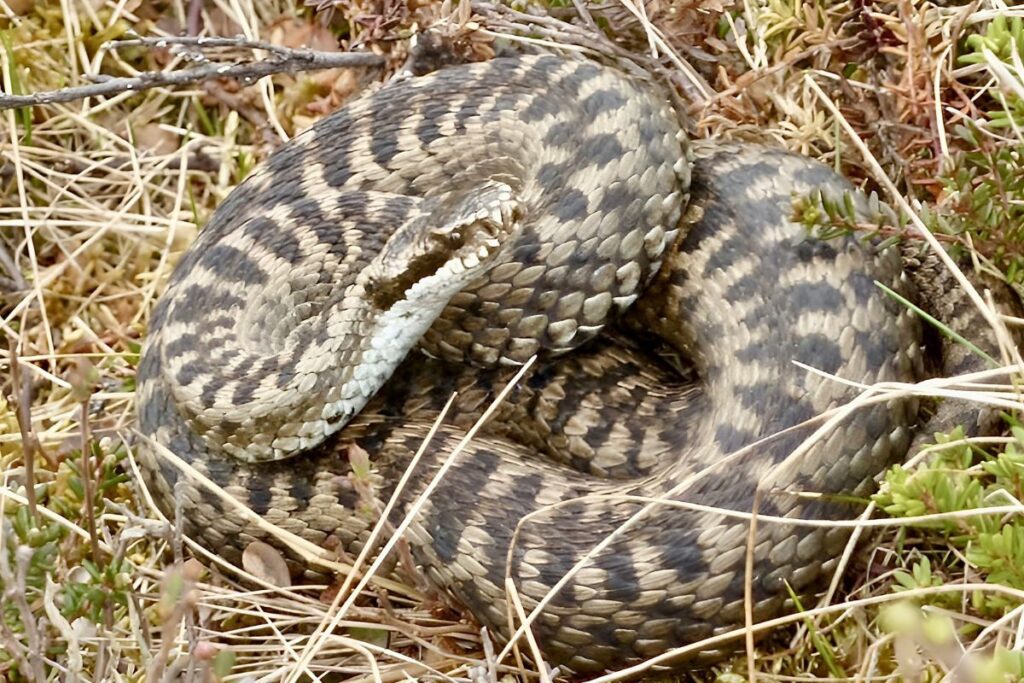
Adult rattlesnakes are famous for their loud rattling sound, which serves as a warning to potential predators. This sound gives people time to step away safely. Baby rattlesnakes have very small rattles that may produce little or no noise, making them harder to detect.
Because of this, accidental encounters are more likely with young snakes. People may step near them while hiking or gardening without realizing the danger. Their natural camouflage helps them blend into desert landscapes, increasing surprise encounters.
Understanding the differences between baby and adult rattlesnakes is important, but taking preventive action is even more crucial. Homeowners can follow proven tips on how to keep snakes away from yards and outdoor spaces during warm months.
Habitat Differences in Arizona
Both baby and adult rattlesnakes can be found in deserts, grasslands, rocky hills, and suburban neighborhoods. However, baby snakes often prefer tighter hiding spaces such as wood piles, garden stones, irrigation boxes, and thick ground cover. Adult snakes require larger shelters like abandoned burrows or rock crevices.
Arizona’s warm climate allows snakes to remain active for much of the year. During extremely hot months, they may become nocturnal to avoid daytime heat. This increases the chances of nighttime encounters in residential areas.
Young rattlesnakes often hide in small and unexpected places around houses. Learning where snakes commonly hide around homes and gardens helps residents reduce surprise encounters and improve overall outdoor safety.
Which Bite Is More Dangerous?
The severity of a rattlesnake bite depends on several factors including the snake’s size, amount of venom injected, bite location, and how quickly medical treatment is received. Adult rattlesnakes can deliver larger venom doses, potentially causing more severe medical complications.
Baby rattlesnake bites can still be serious and should always be treated as medical emergencies. Symptoms may include intense pain, swelling, nausea, dizziness, and tissue damage. Immediate hospital care is essential for proper treatment and monitoring.
Are Baby Rattlesnakes More Aggressive?
Rattlesnakes are not naturally aggressive toward humans. Most bites occur when snakes feel threatened or are accidentally stepped on. Baby rattlesnakes may appear more defensive because they are vulnerable to predators and rely on quick reactions for survival.
Adult snakes tend to avoid confrontation and may retreat when given space. They use warning signals to prevent unnecessary conflict.
Seasonal Activity Patterns
Baby rattlesnakes are most visible in late summer after birth season. They begin exploring their surroundings and searching for food. Adult snakes become more active during spring mating season and may travel longer distances.
In hot summer conditions, both young and adult snakes often hunt during cooler evening hours. This is why using flashlights and staying alert at night is important in snake-prone regions.
Safety Tips for Arizona Residents
Preventing rattlesnake encounters involves simple habitat management:
- Remove yard clutter and debris
- Control rodent populations
- Trim bushes and grass
- Seal gaps around fences and doors
- Wear protective footwear outdoors
Hikers should stay on marked trails and avoid placing hands in rock crevices.
Sometimes people confuse harmless backyard snakes with venomous rattlesnakes. Learning how to identify common backyard snake species correctly helps reduce panic and ensures safer decision-making during encounters.
Ecological Importance of Rattlesnakes
Rattlesnakes help control rodents that damage crops and spread disease. They play a vital role in maintaining ecological balance in desert ecosystems. Respecting wildlife while practicing safety measures allows peaceful coexistence.
Understanding Venom Potency and Delivery Mechanism
One important factor that determines whether a rattlesnake bite becomes dangerous is the amount of venom injected during the strike. Venom is not simply a poison; it is a complex mixture of enzymes and proteins designed to immobilize prey and begin digestion. Adult rattlesnakes typically possess fully developed venom glands capable of storing larger venom quantities. When they bite defensively, they may release enough venom to cause significant swelling, tissue damage, and systemic reactions.
Baby rattlesnakes, on the other hand, produce venom that is biologically similar but present in smaller quantities. Because their hunting experience is limited, they may strike more quickly and defensively. However, this does not automatically make their bites more lethal. Many wildlife experts emphasize that the unpredictability of young snakes contributes more to the perception of danger than the actual venom potency.
Behavioral Differences Between Juvenile and Adult Rattlesnakes
As rattlesnakes mature, they learn to conserve energy and avoid unnecessary confrontations. Adult snakes rely heavily on camouflage and warning signals. They may coil, rattle loudly, and maintain defensive posture to discourage predators or humans from approaching.
Juvenile snakes often depend on instinct rather than learned behavior. Their smaller size makes them vulnerable to birds of prey, mammals, and larger reptiles. Because of this, they may react instantly to sudden movement. Homeowners clearing yard debris or gardeners working near shrubs sometimes startle baby rattlesnakes accidentally.
Understanding this behavioral difference helps explain why many snakebite incidents involve surprise encounters rather than aggressive attacks.
Strike Speed and Reaction Time
Rattlesnakes are ambush predators with remarkable strike speed. Studies show that even small rattlesnakes can strike within a fraction of a second. Baby rattlesnakes may appear slower due to their size, but their defensive reflexes remain extremely fast. Adult rattlesnakes combine speed with strength, allowing deeper fang penetration and potentially higher venom transfer.
Maintaining a safe distance of at least several feet when encountering any rattlesnake is crucial. Attempting to handle or kill the snake dramatically increases the risk of being bitten.
Environmental Factors That Influence Danger Levels
The perceived danger of baby versus adult rattlesnakes often depends on environmental conditions. During drought periods, snakes may move closer to residential areas in search of water and prey. Warm nights, monsoon rains, and seasonal temperature shifts also affect snake activity patterns.
In Arizona neighborhoods with landscaped yards, irrigation systems and rodent populations can unintentionally attract snakes. Young rattlesnakes may use small gaps under fences or cracks in walls to enter properties. Adult snakes typically require larger entry points but can travel greater distances.
Human Psychology and Fear Perception
Fear of snakes is deeply rooted in human psychology. Many people feel especially anxious when they hear that baby rattlesnakes might be more dangerous. This fear spreads quickly through word of mouth and online discussions. Sensational stories often exaggerate risks, making it difficult to separate myth from fact.
In reality, snakebite statistics show that most incidents occur when individuals attempt to interact with or relocate snakes. Education and awareness reduce panic-driven decisions and encourage safer responses.
Medical Treatment and Survival Outcomes
Modern medical care has significantly improved survival rates for rattlesnake bite victims. Antivenom therapy, pain management, and supportive treatment can prevent serious complications when administered promptly. The severity of symptoms varies depending on the amount of venom, the victim’s health condition, and the speed of medical intervention.
Both baby and adult rattlesnake bites require immediate professional evaluation. Delaying treatment or relying on traditional remedies increases the risk of infection and long-term tissue damage.
Preventing Encounters in Residential Areas
Reducing snake encounters begins with habitat modification. Keeping lawns trimmed, removing rock piles, sealing storage sheds, and eliminating rodent nesting sites can make yards less attractive to snakes. Installing snake-proof fencing and ensuring outdoor lighting improves visibility during nighttime activity.
Pet owners should supervise animals outdoors, especially during warmer months when snakes are active. Dogs are particularly vulnerable because they may chase or investigate moving objects.
Hiking Safety and Outdoor Awareness
Arizona’s hiking trails offer beautiful desert landscapes but also require awareness of wildlife. Wearing sturdy boots, avoiding tall grass, and checking resting spots before sitting down can prevent accidental snake encounters. Using trekking poles to tap the ground ahead may alert hidden snakes and encourage them to retreat.
Traveling in groups and carrying communication devices increases safety in remote areas. Knowing the nearest medical facility location before starting a hike is also recommended.
Long-Term Ecological Perspective
Rattlesnakes have existed in desert ecosystems for thousands of years. They regulate prey populations and contribute to biodiversity balance. Eliminating snakes entirely from an area can lead to rodent overpopulation and increased agricultural damage.
Responsible coexistence involves respecting their space while protecting human safety. Public education campaigns and wildlife management programs continue to improve understanding of snake behavior.
For accurate safety guidance and wildlife information, homeowners can also check official recommendations from the Arizona Game and Fish Department. These experts provide updated advice on avoiding snake encounters and responding safely during emergencies.
Frequently Asked Questions
Are baby rattlesnakes more dangerous than adults in Arizona?
Both can be dangerous. Adults have more venom, while babies may be harder to detect and more defensive.
Do baby rattlesnakes inject more venom?
No. Adult snakes have larger venom reserves and can deliver stronger bites.
Can baby rattlesnakes rattle?
Yes, but their rattles are small and may not produce loud warning sounds.
How can you identify a baby rattlesnake?
They are smaller, thinner, and often have brighter patterns than adult snakes.
What should you do after a rattlesnake bite?
Seek emergency medical care immediately and avoid home remedies.
Where do baby rattlesnakes hide around homes?
They hide in wood piles, thick bushes, rocks, and outdoor storage areas.
Are rattlesnakes active at night in Arizona?
Yes, especially during hot summer months.
How far can a rattlesnake strike?
They can strike about one-third to half of their body length.
Do rattlesnakes chase humans?
No. They usually try to escape when given space.
What attracts rattlesnakes to yards?
Rodents, water sources, and cluttered landscaping.
Final Thoughts
Understanding the real differences are baby rattlesnakes more dangerous than adults in Arizona, helps reduce fear and improve safety. Both life stages deserve caution and respect. By staying informed and maintaining safe outdoor habits, people in Arizona can greatly reduce the risk of dangerous encounters.

Ravi Rathore is a field snake researcher and Arizona wildlife enthusiast who studies snake behavior, identification, and desert ecosystems. He focuses on helping hikers, homeowners, and outdoor explorers understand the difference between venomous and non-venomous snakes in Arizona. Through detailed guides and safety resources, he shares practical knowledge to help people stay safe while respecting native wildlife.