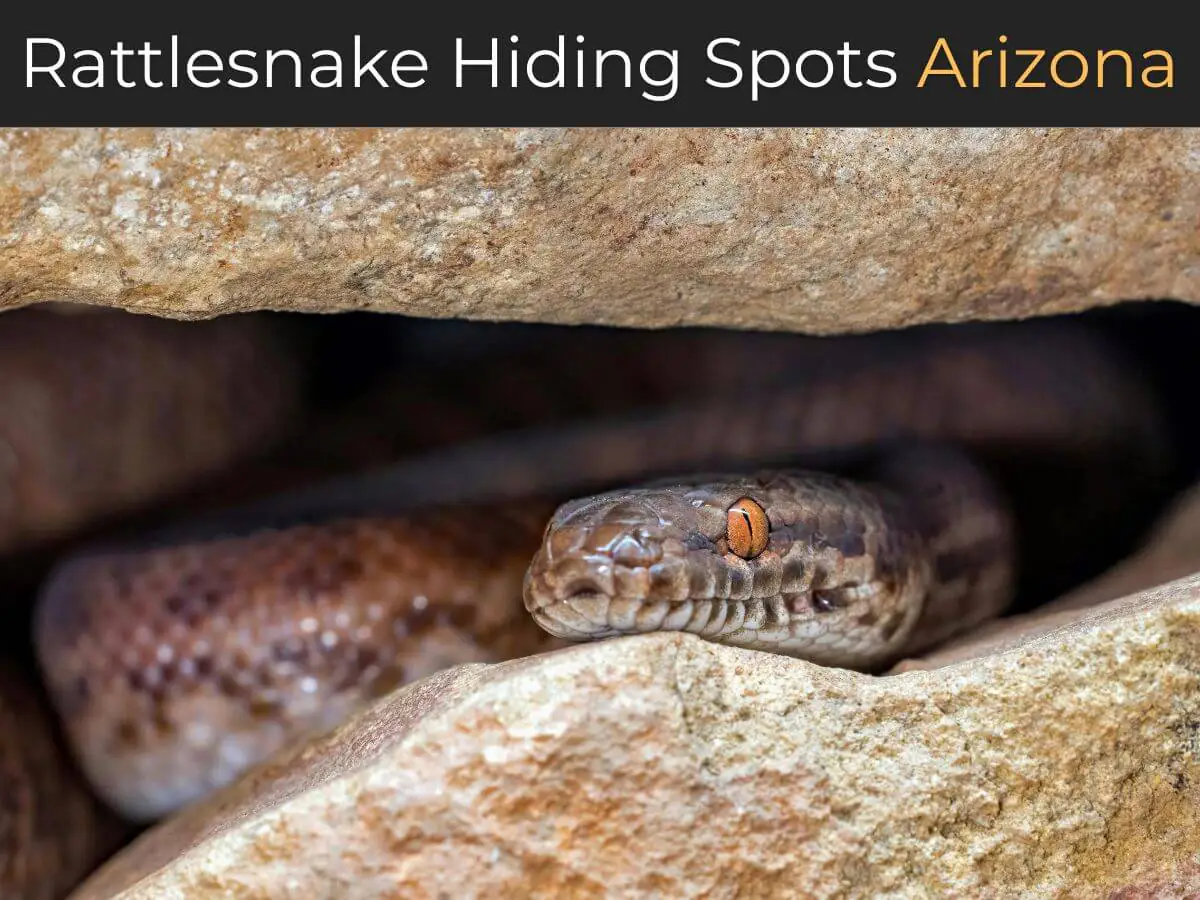
Many homeowners search for rattlesnake hiding spots Arizona, especially during extreme summer heat when snakes look for cool shelter around yards, gardens, and desert hiking trails. Understanding daytime hiding behavior is extremely important for preventing accidental encounters around homes, gardens, hiking trails, and outdoor work areas. Rattlesnakes are experts at staying hidden, and most daytime encounters happen simply because people unknowingly step too close to their shelter spots.
This detailed guide explains why rattlesnakes hide during the day, the most common hiding locations in Arizona, seasonal movement patterns, backyard risks, and practical safety steps homeowners can follow to reduce snake activity near living areas.
Why Rattlesnakes Hide During the Day in Arizona
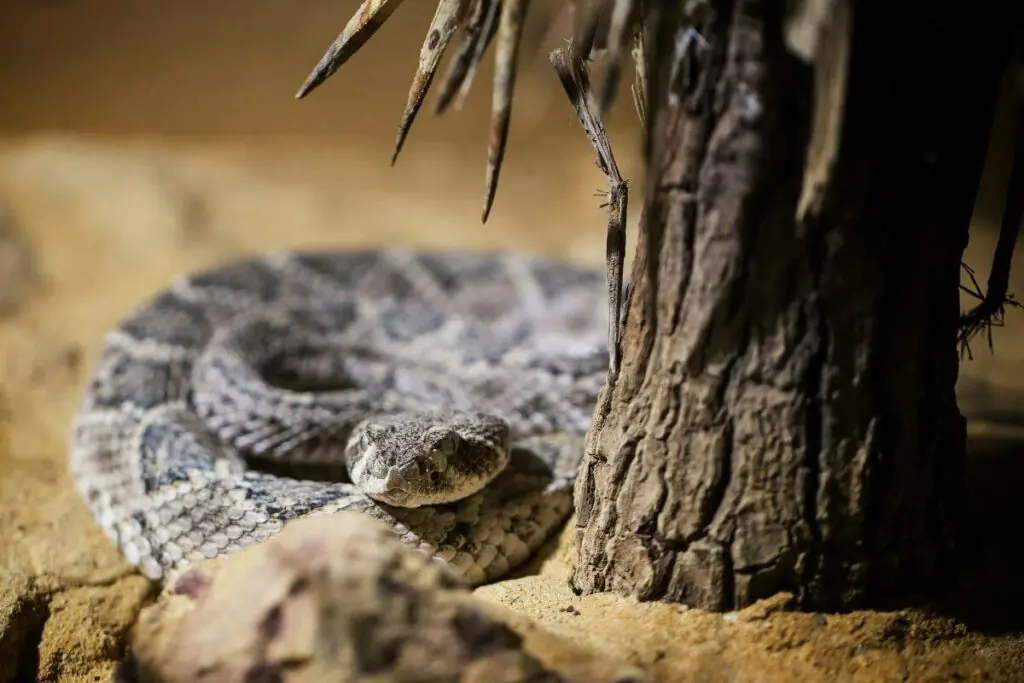
Arizona deserts experience extreme daytime temperatures, especially between late spring and early fall. Since rattlesnakes are cold-blooded reptiles, they cannot regulate body temperature internally like mammals. When surface temperatures rise too high, exposure to direct sunlight can become dangerous for them.
To survive these harsh conditions, rattlesnakes spend much of the daytime resting in cool, shaded hiding places. These shelter areas help them conserve moisture, maintain safe body temperature, and avoid predators such as birds of prey. After sunset, when temperatures drop, they become more active and begin searching for food or mates.
Daytime hiding is not laziness — it is a critical survival behavior shaped by thousands of years of desert adaptation.
Many hiding locations exist because residential areas provide food and shelter. Learning what attracts snakes to backyard environments allows homeowners to remove risk factors and make outdoor spaces less appealing to wildlife.
Common Natural Hiding Spots in Arizona Deserts
Rattlesnakes prefer locations that provide shade, protection, and access to prey. In wild desert environments, several natural hiding places are commonly used.
Under Rocks and Boulder Crevices
Rock formations offer excellent insulation from heat. Snakes may coil tightly under large stones or inside narrow cracks where temperatures remain cooler. These areas also provide protection from predators and strong desert winds.
Desert Shrubs and Bushes
Low-growing bushes create shaded pockets near the ground. Fallen leaves and loose soil beneath shrubs make ideal resting spots. Because these areas are common along hiking paths, accidental encounters can occur when people step off marked trails.
Animal Burrows
Rattlesnakes often use abandoned rodent burrows as temporary shelters. These underground tunnels remain significantly cooler than surface temperatures. Burrows also allow snakes to hide completely from view.
Cactus Shade and Desert Plants
Tall cactus plants such as saguaros can create small shaded zones. Snakes may rest near the base where soil moisture is slightly higher and prey activity is common.
Where Rattlesnakes Hide Around Homes and Backyards
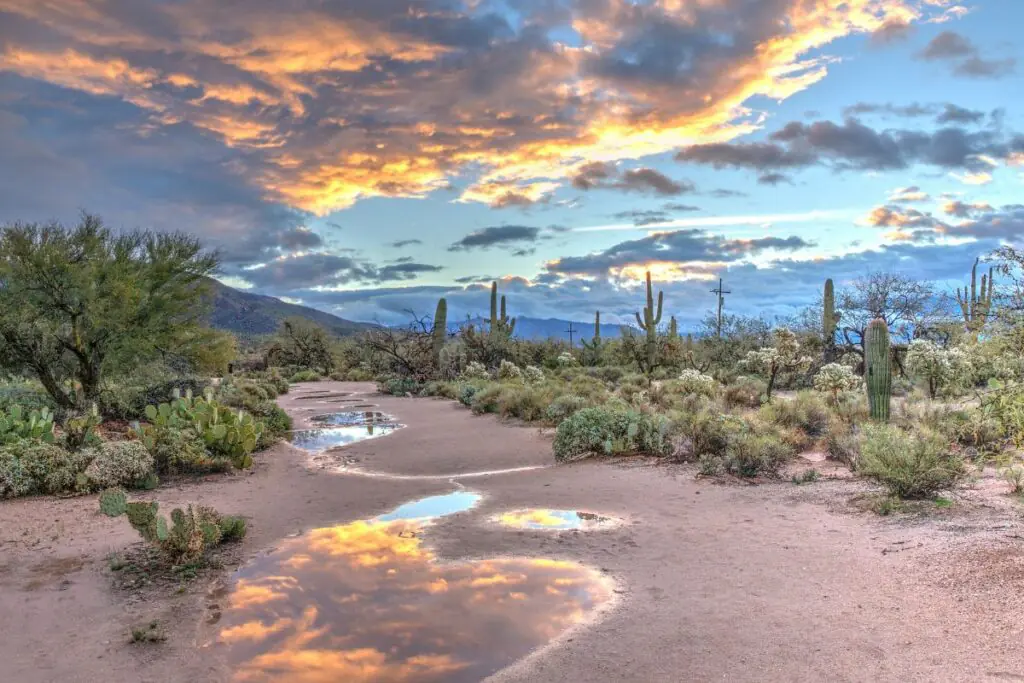
Residential landscaping can unintentionally create perfect daytime hiding spots. Many homeowners are surprised to discover that decorative yard features provide shelter similar to natural desert environments.
Rock Landscaping and Gravel Beds
Decorative rock piles retain cool air underneath. Snakes may hide in these spaces during hot afternoons and emerge at dusk.
Wood Piles and Storage Areas
Stacked firewood, building materials, and garden tools create dark, protected spaces. These locations are especially attractive if rodents are present.
Dense Ground Cover Plants
Thick plants that spread across soil can hide snake movement completely. Overgrown vegetation increases risk of stepping near a resting snake.
Garages, Sheds, and Outdoor Structures
Open doors or small gaps allow snakes to enter shaded structures. Inside, they may remain hidden behind equipment or stored items.
Once common shelter spots are identified, the next step is applying practical snake prevention methods such as yard cleaning, sealing gaps, and managing rodent populations.
Seasonal Changes in Daytime Hiding Behavior
Rattlesnake shelter patterns change throughout the year. Understanding seasonal differences helps predict when and where encounters are most likely.
Spring
After winter dormancy, rattlesnakes begin moving between shelter areas and feeding zones. They may bask in sunlight during mild mornings but still seek shade during hotter afternoons.
Summer
Summer creates the highest need for daytime shelter. Snakes remain hidden for long periods and become primarily active at night.
Monsoon Season
Increased humidity and rainfall encourage vegetation growth and rodent activity. Snakes may change hiding spots more frequently while following prey movements.
Fall
Cooling temperatures allow more daytime activity. However, snakes still use hiding places to conserve energy before winter.
How to Recognize Potential Snake Shelter Areas
Homeowners can reduce risk by learning to identify likely hiding locations. Warning signs may include:
- Rodent holes near foundations
- Shed snake skin around yard edges
- Unusual pet behavior near bushes
- Tracks or trails in dusty soil
- Sudden movement under rocks
Regular yard inspection helps detect these indicators early.
Safety Tips When Working Outdoors During Daytime
Outdoor tasks such as gardening, landscaping, or repairing fences can disturb hidden snakes. Wearing protective footwear and gloves reduces risk of injury.
Use tools to move debris instead of using bare hands. Avoid reaching into dark spaces without checking first. Maintaining clear walking paths and trimming vegetation improves visibility.
When hiking, staying on designated trails and stepping carefully over obstacles helps prevent accidental encounters.
What to Do If You Discover a Hiding Rattlesnake
Finding a rattlesnake resting in shade can be frightening. The most important step is to remain calm and avoid sudden movements.
Slowly move away and keep children and pets indoors. Do not attempt to capture or kill the snake. Most rattlesnakes will leave on their own if given space. If necessary, contact wildlife professionals trained in safe relocation.
Ecological Importance of Daytime Shelter Behavior
Rattlesnakes play an important role in controlling rodent populations that damage crops and spread disease. Their shelter behavior helps maintain energy balance and supports ecosystem stability.
Learning to coexist safely with desert wildlife benefits both humans and natural habitats.
Why Understanding Rattlesnake Hiding Behavior Matters for Homeowners
Many people in Arizona believe snake encounters happen randomly. In reality, most daytime encounters occur because homeowners unknowingly create perfect shelter environments. When yards contain dense shade, moisture, and food sources like rodents, rattlesnakes may remain hidden for long periods.
Understanding rattlesnake hiding spots Arizona residents commonly overlook can significantly reduce fear and improve outdoor safety. Instead of reacting with panic, homeowners can learn to identify risk zones and manage landscaping in a way that discourages snake presence.
For example, properties near desert edges or undeveloped land naturally experience higher wildlife movement. Snakes may travel short distances from natural habitats into residential zones when they find cooler shelter or easy prey.
Not every snake seen in shaded areas is venomous. A clear guide to identifying common backyard snakes helps residents avoid panic and respond appropriately during daytime sightings.
How Desert Heat Influences Snake Shelter Choices
Extreme desert temperatures can exceed 100°F (38°C) for several months. During this time, ground surfaces like pavement and rocks can become dangerously hot even for reptiles. Rattlesnakes instinctively search for micro-habitats that provide temperature stability.
These cooler micro-habitats include shaded soil under vegetation, gaps beneath large stones, and underground rodent tunnels. Such areas can remain several degrees cooler than surrounding open ground.
Because heat levels fluctuate throughout the day, snakes may change hiding locations multiple times. Morning shelter areas may differ from afternoon resting spots. This movement pattern explains why snake sightings sometimes occur unexpectedly in different parts of the same yard.
Arizona is home to several venomous species that prefer rocky and desert habitats. Reading a complete overview of venomous snakes found in the region improves awareness for hikers and homeowners alike.
Backyard Landscaping Features That Increase Snake Shelter Risk
Modern desert landscaping often focuses on low-maintenance designs using rocks, gravel, and drought-resistant plants. While visually appealing, these features can unintentionally create excellent snake habitat.
Rock retaining walls, stacked decorative stones, and loose gravel beds provide airflow gaps where snakes can remain hidden. Dense ornamental grasses and ground cover plants offer shade while also attracting insects and rodents.
Outdoor irrigation systems can further increase shelter attractiveness. Moist soil not only cools the ground but also attracts prey animals. Snakes tend to follow food availability rather than specific structures alone.
Homeowners who regularly inspect these areas and maintain tidy yard conditions can greatly reduce snake activity.
Rural vs Urban Snake Hiding Patterns
Rattlesnake shelter behavior also differs between rural and urban environments. In remote desert regions, snakes rely more heavily on natural terrain features like rocky slopes and dry washes. These locations offer stable shelter and frequent prey movement.
In suburban neighborhoods, however, snakes adapt quickly to human-modified environments. They may use drainage pipes, fence gaps, garden sheds, or construction debris as temporary daytime shelters.
Urban expansion into desert ecosystems has increased overlap between human and snake habitats. This makes awareness of rattlesnake hiding spots Arizona communities more important than ever.
For official wildlife safety advice and snake encounter guidelines, residents can review educational resources provided by the Arizona Game and Fish Department. Their website explains how to stay safe in desert environments and when to contact professionals for snake removal.
How Pets Detect Hidden Snakes Before Humans
Dogs and cats often sense snake presence before people do. Pets rely on smell and hearing to detect subtle movements or unfamiliar scents. Sudden barking, growling, or avoidance behavior near bushes or storage areas may indicate hidden wildlife.
However, curious pets may also attempt to investigate snakes, increasing bite risk. Supervising animals during outdoor time and keeping yards organized helps prevent dangerous interactions.
Some homeowners invest in professional snake-avoidance training for dogs living in high-risk desert zones.
Signs a Rattlesnake May Be Living Nearby
Even when snakes remain hidden, certain environmental clues can suggest nearby activity. These include shed snake skins, increased rodent sightings, unusual pet reactions, or narrow winding tracks in dusty soil.
Repeated nighttime sightings in the same area may also indicate daytime shelter nearby. Monitoring these patterns allows residents to take preventive steps before encounters occur.
Preventive Yard Management Strategies
Reducing shelter opportunities is the most effective long-term solution. This includes sealing gaps under fences, removing unused wood piles, trimming dense vegetation, and minimizing rodent attractants.
Installing motion lighting and maintaining clean storage spaces also helps discourage snakes from settling near homes. Simple changes in yard organization can significantly lower encounter probability.
Comparison Table: Daytime vs Nighttime Rattlesnake Behavior
| Behavior Aspect | Daytime | Nighttime |
|---|---|---|
| Activity Level | Mostly hidden | Active and hunting |
| Movement Distance | Short relocation between shelters | Longer travel for food |
| Visibility | Very low | Moderate |
| Risk of Accidental Encounter | During yard work | During walking or hiking |
| Temperature Influence | Avoid extreme heat | Take advantage of cooler air |
This comparison highlights why many residents see snakes after sunset even though they remain nearby throughout the day.
Rattlesnakes usually stay hidden during the hottest hours and become more active after sunset. Understanding how snake movement changes after dark can help residents plan safer outdoor activities and reduce unexpected encounters.
Real-Life Encounter Scenario
Imagine a homeowner cleaning a storage shed on a hot afternoon. While lifting a tarp or moving stacked boxes, a coiled rattlesnake suddenly becomes visible underneath. The snake had likely been resting in the shade for hours.
Such encounters can be prevented by using tools to move objects first and wearing protective footwear. Awareness of likely shelter zones turns risky surprises into manageable situations.
Frequently Asked Questions
Do rattlesnakes stay in the same hiding place every day?
They may use the same shelter for several days if food and temperature conditions remain favorable.
Can rattlesnakes hide in tall grass lawns?
Yes, especially if grass is overgrown or near rodent activity.
Are garages common snake shelter areas?
Open or cluttered garages can provide cool daytime hiding spots.
Do rattlesnakes climb into trees to hide?
Most rattlesnakes prefer ground shelters but may climb low branches occasionally.
Is it safe to garden during midday in Arizona?
Yes, but wearing gloves, boots, and staying alert reduces risk.
Conclusion
Understanding rattlesnake hiding spots Arizona helps homeowners reduce risk and stay safe during outdoor activities. By identifying common hiding spots, maintaining clean yards, supervising pets, and staying alert during outdoor activities, homeowners can significantly lower encounter risk. Awareness, preparation, and respect for wildlife remain the most effective tools for safe desert living.

Ravi Rathore is a field snake researcher and Arizona wildlife enthusiast who studies snake behavior, identification, and desert ecosystems. He focuses on helping hikers, homeowners, and outdoor explorers understand the difference between venomous and non-venomous snakes in Arizona. Through detailed guides and safety resources, he shares practical knowledge to help people stay safe while respecting native wildlife.
3 thoughts on “Rattlesnake Hiding Spots Arizona: Where They Stay During Hot Days”