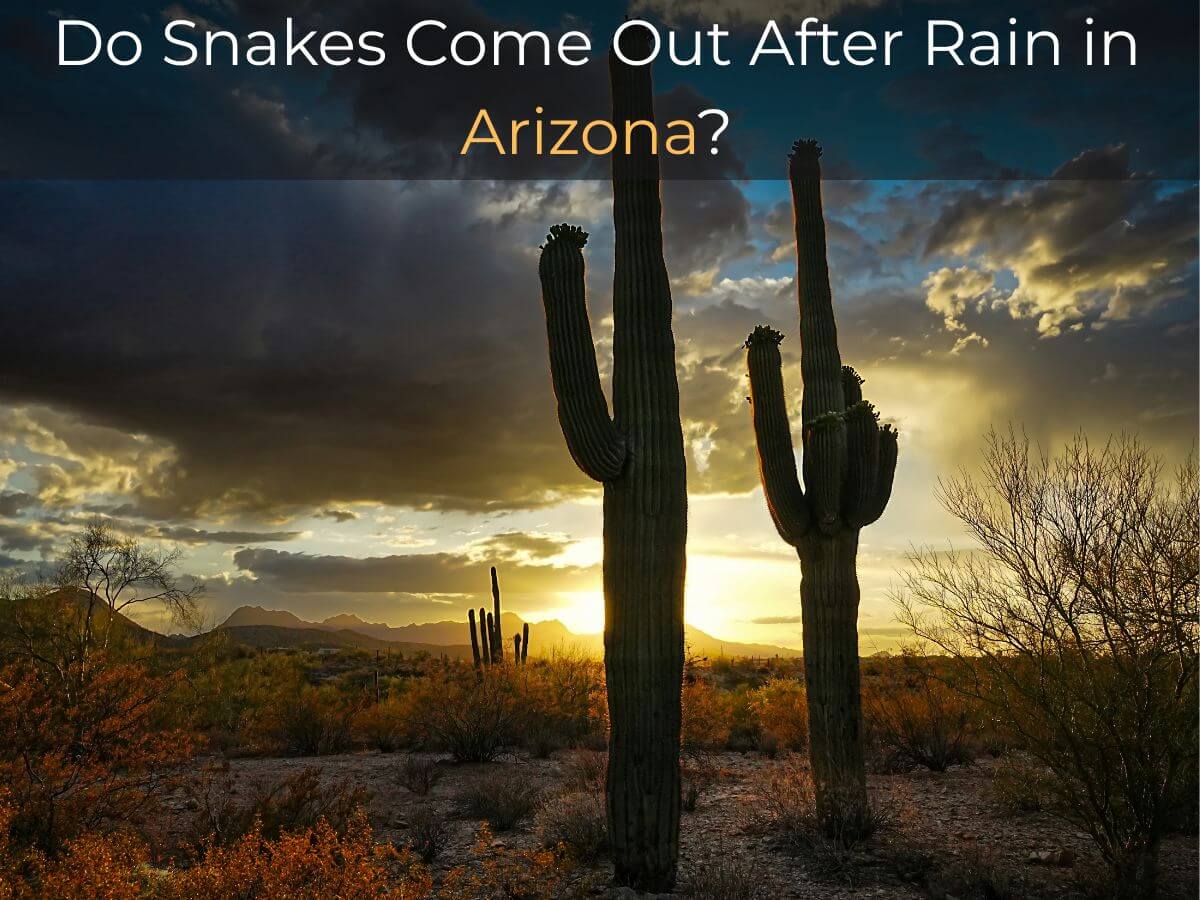
Snakes Come Out After Rain in Arizona
Desert weather can change quickly, and sudden storms often raise safety concerns among residents and visitors. One common question people ask is about snakes after rain Arizona, especially during the summer monsoon season when wildlife movement becomes more noticeable. Rainfall can cool the ground, increase prey activity, and sometimes force snakes to leave flooded hiding spots. Understanding why snakes appear after storms and how to stay safe outdoors can help homeowners feel more confident while living in desert communities.
Arizona’s desert ecosystem is unique. Unlike regions where rainfall is spread evenly throughout the year, the Sonoran Desert experiences long dry periods followed by intense seasonal storms, especially during the summer monsoon. These sudden environmental changes influence the movement patterns of many desert animals, including snakes. Learning why snakes move more after rain, where they may appear, and how to reduce risks around homes and outdoor areas is essential for anyone living in or visiting desert communities.
Snake Activity After Rain in Arizona
In Arizona, snakes are often seen more frequently after rainfall because water floods underground burrows and forces them to move to dry areas. Cooler temperatures and increased movement of prey like rodents and insects also contribute to more visible snake activity after rain. However, rain does not “create” more snakes — it simply makes them more active and easier to spot.
Why Do Snakes Come Out After Rain?
Break it into simple points:
- Flooded burrows push snakes out
- Cooler ground temperatures improve movement
- Rodents become more active after moisture
- Snakes search for dry shelter under rocks, walls, and debris
Are Snake Encounters More Common After Monsoon Rain?
Yes. During Arizona’s monsoon season, snake sightings often increase after heavy rainfall. This is not because snakes become aggressive, but because their movement patterns shift as they relocate and hunt in newly active environments.
How Rain Changes the Desert Environment
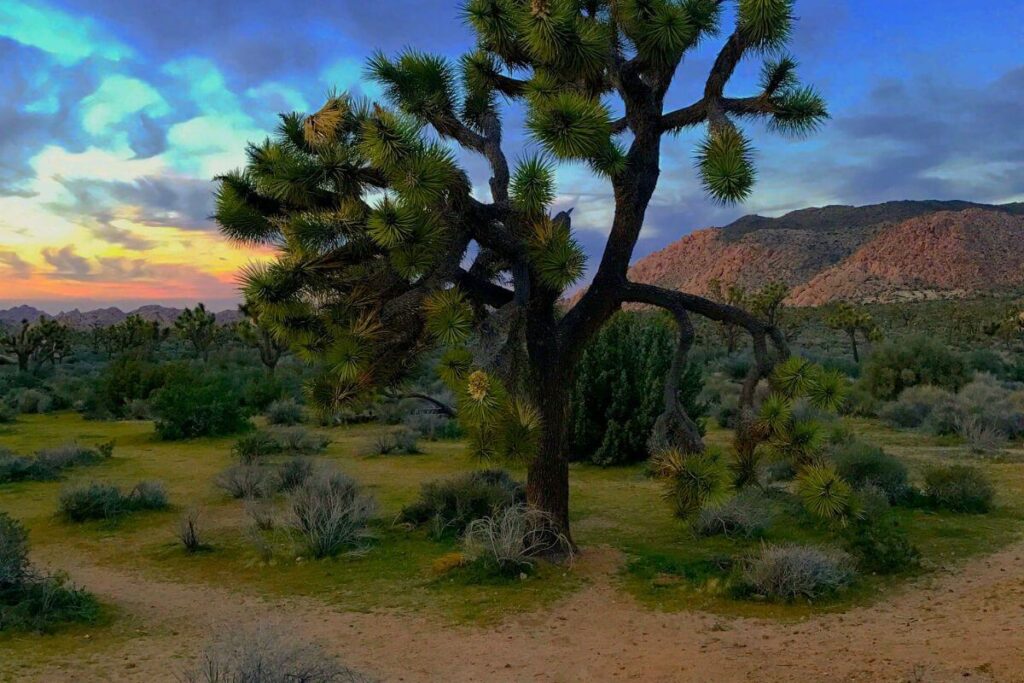
Rainfall has a powerful impact on desert conditions. Within hours of a storm, dry soil becomes softer, temperatures drop, and humidity levels increase. Plants absorb water quickly and may begin new growth within days. Insects become more active, and small mammals emerge to search for food.
For snakes, these environmental changes create new opportunities for hunting and movement. Cooler ground temperatures allow reptiles to travel longer distances without overheating. Moisture also makes underground burrows more comfortable, encouraging snakes to leave hiding spots and explore surrounding areas.
This is one of the main reasons people notice increased snake movement after rain in Arizona, especially in areas close to natural desert land.
Rainfall often changes the way reptiles behave in desert regions. If you want to understand where they usually stay hidden during hot days or storms, you can read our detailed guide on rattlesnake hiding spots Arizona, which explains common desert shelters and backyard risk areas.
Why Snakes Become More Active After Rain
Snakes are cold-blooded animals, meaning their activity depends on external temperature and environmental conditions. During extreme heat, many species remain hidden for long periods to conserve energy and avoid dehydration. Rain changes this survival pattern in several important ways.
Cooler Temperatures Encourage Travel
After rainfall, the desert surface becomes significantly cooler. This allows snakes to move during daytime or early evening hours without risking heat stress. Instead of staying inside burrows, they may cross roads, explore gardens, or search for prey.
Flooded Burrows Force Relocation
Heavy storms can fill underground tunnels with water. When this happens, snakes are forced to leave their shelters and find new hiding places. This temporary displacement increases the likelihood of encounters near homes, sheds, or landscaped yards.
Increased Food Availability
Rain stimulates activity among insects and rodents. Small animals come out to feed on fresh plant growth or collect nesting materials. Since rodents are the primary food source for many snakes, predators follow these movements. This creates a short-term rise in hunting behavior.
Higher Humidity Improves Comfort
Dry desert air can be harsh even for reptiles. After rain, increased humidity helps snakes maintain hydration and reduces stress on their skin. This improved comfort level may encourage longer periods of surface activity.
If you are trying to understand general snake behavior patterns, it is also helpful to know how activity changes throughout the day. In Arizona, snakes often adjust their movement based on temperature, which means they are more likely to be seen during cooler hours. You can read our detailed guide on what time of day do rattlesnakes come out in Arizona to understand how heat, seasons, and hunting behavior affect when snakes are most active.
Seasonal Rain Patterns and Snake Activity
Arizona experiences two main rainfall periods that influence snake behavior.
Summer Monsoon Season
From June to September, powerful thunderstorms can bring heavy rain within minutes. During this season, people often report more sightings of snakes crossing sidewalks, resting near walls, or moving through backyards.
Monsoon rains also cause rapid plant growth, creating shaded hiding spots that attract wildlife. Residents should remain especially alert during evenings following storms.
Winter Rainfall Events
Although less intense than monsoons, winter rains can still affect snake movement. Warmer winter temperatures may allow some species to become active earlier than expected. However, overall activity remains lower compared to summer months.
Common Places to See Snakes After Rain
Knowing where snakes may appear after rainfall can help reduce panic and improve safety awareness.
- Desert hiking trails with wet soil
- Roadways that retain surface heat
- Backyard gardens with dense plants
- Rock landscaping areas
- Drainage channels or dry riverbeds
- Storage sheds and wood piles
These locations provide both shelter and access to prey, making them attractive temporary habitats.
Why Snakes After Rain Arizona Sightings Increase Are Snakes Dangerous After Rain?
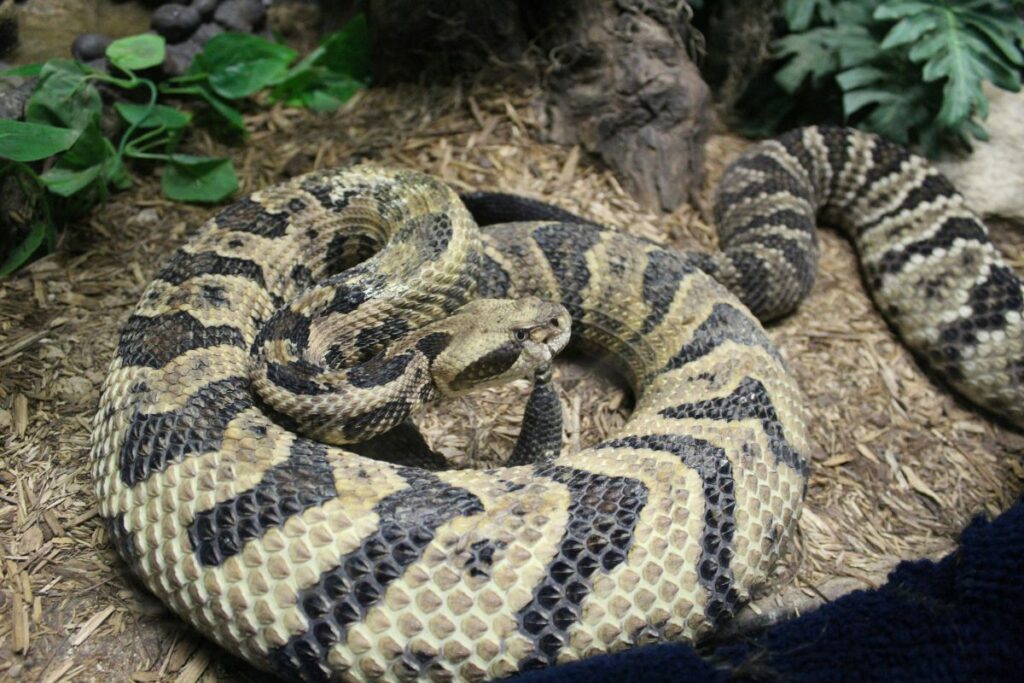
Rain does not make snakes more aggressive. Most species prefer to avoid human contact. However, increased movement means a higher chance of accidental encounters.
People may step on snakes hidden in tall grass or reach into damp storage areas without checking first. Wearing protective footwear and using outdoor lighting can greatly reduce risk.
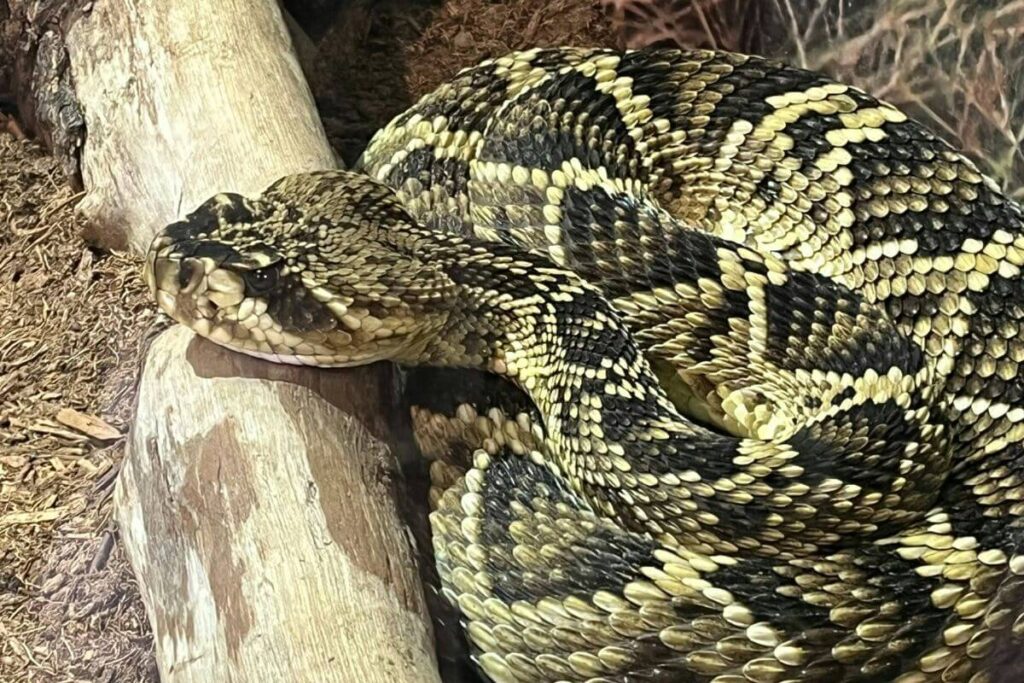
Venomous species such as rattlesnakes should always be treated with caution. If a snake is spotted, residents should slowly move away and allow the animal to escape.
Backyard Safety Tips After Desert Storms
Homeowners can take practical steps to reduce the likelihood of snake encounters following rainfall.
- Inspect yard areas for standing water or rodent holes
- Remove clutter such as bricks, boards, or unused containers
- Keep grass trimmed and bushes maintained
- Secure trash bins to prevent attracting prey animals
- Use outdoor lighting when walking at night
- Supervise pets during evening hours
Consistent yard maintenance is one of the most effective long-term prevention strategies.
Many homeowners are surprised to learn that simple yard conditions can attract wildlife. Things like dense plants, standing water, or rodent activity may increase encounters. You can explore practical prevention tips in our article about what attracts snakes to your yard in Arizona.
Hiking and Outdoor Activity Precautions
Rain transforms desert trails into cooler and more comfortable environments for both humans and wildlife. While hiking after storms can be enjoyable, extra caution is necessary.
Stay on marked paths to avoid disturbing hidden animals. Watch where you place your hands when climbing rocks. Avoid walking through tall vegetation where visibility is limited. Carrying a flashlight during early morning or evening hikes improves awareness.
Outdoor lovers should also be aware of areas where snake encounters are more common. Our guide on where rattlesnakes are most common in Arizona explains high-risk desert habitats and seasonal movement patterns.
The Ecological Role of Rain-Triggered Movement
Increased snake activity after rain is a natural ecological process. By controlling rodent populations, snakes help maintain balance in desert ecosystems. Their presence also supports larger predators such as birds of prey.
Understanding this ecological role can help residents view wildlife encounters with respect rather than fear. Coexisting safely with native species is an important part of desert living.
Comparison Table: Snake Activity Before vs After Rain
| Condition | Snake Movement Level |
|---|---|
| Extreme dry heat | Low |
| Mild temperatures | Moderate |
| After heavy rain | Higher |
| Cold winter nights | Very low |
How Urban Development Is Increasing Snake Encounters After Rain
In recent years, rapid urban expansion across Arizona has changed the natural movement patterns of many desert animals. Cities are growing into areas that were once untouched desert habitat. When heavy rain falls, natural drainage channels fill with water and wildlife begins searching for new shelter. As construction replaces open land with roads and houses, snakes are often forced to move through residential zones while trying to reach safer ground.
New housing communities built near desert edges may experience temporary increases in snake sightings after storms. This does not mean snakes prefer living around humans. Instead, they are adjusting to environmental disruption. Flooded burrows, destroyed vegetation, and heavy machinery noise can push reptiles into landscaped yards, parks, and empty plots. Understanding this connection between development and wildlife movement helps homeowners stay alert without feeling unnecessary fear.
Why Snakes Sometimes Appear on Roads After Rain Arizona
Many residents notice snakes crossing roads shortly after rainfall. This behavior is linked to temperature and moisture changes. Wet asphalt retains heat differently than dry sand or rocky soil. Snakes may use roads as convenient travel routes when moving between feeding and shelter areas.
Rain can also wash away scent trails that rodents leave behind. As snakes search for food, they may follow new pathways that lead across sidewalks or streets. Drivers should remain cautious, especially during early morning and evening hours when reptile activity can increase. Slowing down in desert neighborhoods after storms helps protect both wildlife and human safety.
Many people in Arizona notice snake activity increasing after sunset, especially during summer. Cooler nighttime temperatures allow snakes to move more comfortably while searching for food or shelter. You can learn more in our guide on are rattlesnakes active at night in Arizona to understand how nighttime behavior changes across seasons.
Impact of Artificial Lighting on Snake Movement
After rain, insects are often attracted to outdoor lights. This increase in insect activity can attract frogs, lizards, and small mammals, which in turn draw predators like snakes. Residential lighting systems that stay on all night may unintentionally create a food chain effect.
Homeowners can reduce this attraction by using motion-sensor lighting instead of continuous illumination. Proper lighting placement improves human visibility while avoiding unnecessary wildlife disturbance. Balanced lighting strategies are an important yet often overlooked part of desert safety planning.
Snake movement can also increase during cooler evening hours after rainfall. Understanding nighttime rattlesnake activity in Arizona is important for people who walk pets or spend time outdoors after sunset.
Children’s Safety Awareness After Desert Storms
Families living in Arizona should teach children basic wildlife awareness. After rainfall, kids may be excited to play outside in cooler weather or explore puddles and wet soil areas. Parents should explain that snakes may also become active during these conditions.
Encouraging children to wear shoes outdoors, avoid reaching into bushes, and report unusual animal sightings can prevent accidents. Community education programs and school awareness campaigns also play an important role in promoting safe outdoor habits among young residents.
Although rare, some residents worry about reptiles entering garages, patios, or living spaces during storms. Learning the facts about rattlesnakes entering houses in Arizona can help reduce panic and improve preparedness.
Pet Protection Strategies During Rainy Periods
Pets are naturally curious and may investigate moving objects or hidden spaces. After rain, damp ground and fresh scents can increase animal curiosity. Dogs in particular may try to chase or sniff reptiles, leading to dangerous encounters.
Keeping pets on leashes during walks, supervising backyard playtime, and maintaining clean landscaping reduces risk. Installing snake-proof fencing in high-risk desert areas can provide additional protection for households with multiple animals.
Long-Term Prevention Planning for Desert Homeowners
Preventing snake encounters is not about reacting only after rainfall. It requires consistent environmental management throughout the year. Homeowners who regularly inspect property boundaries, seal foundation gaps, and maintain vegetation height create less attractive conditions for wildlife settlement.
Professional pest control services may help manage rodent populations, which indirectly reduces snake presence. Installing gravel borders instead of dense plants near walls can also discourage reptiles from approaching entry points. These long-term strategies support both safety and peace of mind.
Psychological Comfort and Responsible Wildlife Coexistence
Fear of snakes is deeply rooted in human psychology. Sudden rainfall events combined with wildlife sightings can increase anxiety among residents unfamiliar with desert ecosystems. However, education and preparedness transform fear into confidence.
Learning how native species behave, respecting their ecological role, and adopting preventive measures allows people to enjoy Arizona’s natural beauty without constant worry.
For official wildlife safety recommendations and emergency contact information, residents can follow guidance provided by the Arizona Game and Fish Department. Their educational resources help people understand how to respond safely during snake encounters and how to prevent conflicts with native desert species.
FAQ
Do snakes come out immediately after rain?
Often within hours, especially if burrows are flooded.
Are snakes more dangerous when wet?
No, but encounters may increase due to movement.
Can rain wash snakes into neighborhoods?
Floodwater can force relocation.
Do snakes hide under cars after storms?
Yes, shaded vehicles provide temporary shelter.
Is it safe to garden after rain?
Yes, with gloves and careful inspection.
Do monsoon rains increase snake sightings?
Yes, this is a common seasonal pattern.
Are night walks risky after rain?
Use lighting and stay on clear paths.
Can snakes enter homes during storms?
Rare, but open doors or gaps can allow entry.
Do pets face higher risk after rain?
Yes, supervise them outdoors.
Do snakes swim in floodwater?
Some species can move through shallow water.
Are desert parks safe after storms?
Generally safe with awareness.
Do snakes climb trees after rain?
Some species may rest on low branches.
How long does increased activity last?
Usually a few days after rainfall.
Should residents use repellents?
Habitat control works better.
Do snakes follow drainage systems?
Yes, these provide travel routes.
Is snake relocation common after storms?
Wildlife authorities sometimes assist.
Can rain damage snake dens permanently?
Heavy flooding can force new nesting areas.
Are baby snakes also active after rain?
Yes, especially during warm seasons.
Do cloudy days affect snake movement?
Cooler conditions encourage exploration.
Can urban lighting attract prey and snakes?
Yes, insects and rodents may gather.
Do snakes come out after rain in Arizona?
Yes, snakes are often seen more after rain because they move to avoid flooded burrows and follow prey activity.
Are snakes more active after monsoon storms?
Are snakes more active after monsoon storms?
Is it safe to walk after rain in Arizona deserts?
Is it safe to walk after rain in Arizona deserts?
Why do I see more snakes after rain?
Why do I see more snakes after rain?
Final Thoughts
Desert storms may bring cooler temperatures and fresh air, but they can also lead to increased wildlife movement in certain areas. Understanding the reality of snakes after rain Arizona helps residents avoid unnecessary fear and respond calmly if they notice reptile activity near their homes or outdoor spaces. Most snakes are simply searching for dry shelter or food after heavy rainfall and will usually move away if given space.
By keeping yards clean, reducing rodent activity, and staying alert during evening walks, homeowners can greatly lower the chances of unexpected encounters. Learning about natural desert behavior allows people to enjoy Arizona’s unique environment with confidence while respecting the important role snakes play in maintaining ecological balance.
With the right awareness and simple prevention steps, living safely in desert regions becomes much easier — even during the rainy season.

Ravi Rathore is a field snake researcher and Arizona wildlife enthusiast who studies snake behavior, identification, and desert ecosystems. He focuses on helping hikers, homeowners, and outdoor explorers understand the difference between venomous and non-venomous snakes in Arizona. Through detailed guides and safety resources, he shares practical knowledge to help people stay safe while respecting native wildlife.
3 thoughts on “Do Snakes Come Out After Rain in Arizona? Complete Desert Wildlife Safety Guide”