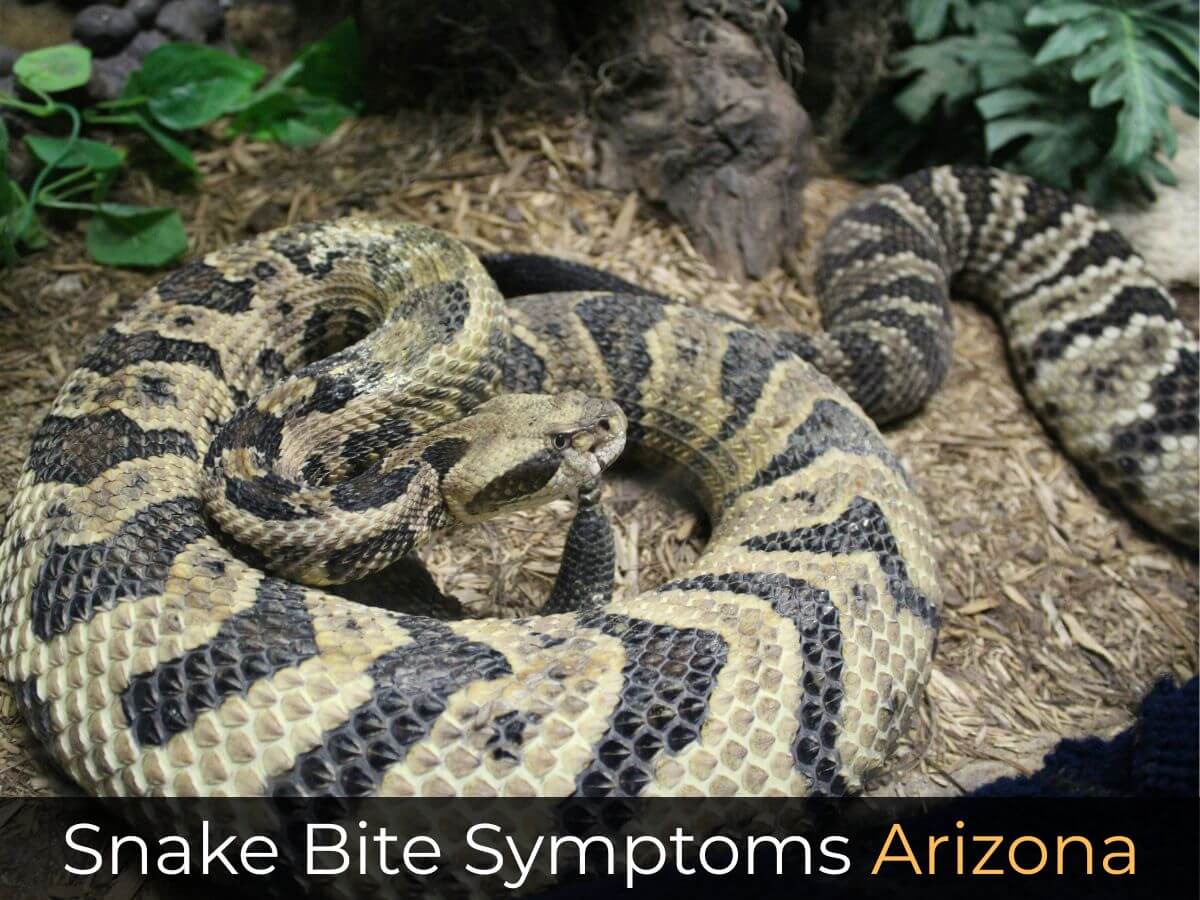
Understanding snake bite symptoms Arizona is one of the most important things for anyone living in or visiting desert regions. Arizona is home to several species of venomous snakes, especially rattlesnakes, and while bites are not extremely common, they can become serious very quickly if not treated properly. Many people delay action because they are unsure about the symptoms or assume the bite is minor.
The truth is, snake bite symptoms can develop rapidly, and early recognition can save lives. Whether you are hiking, gardening, or simply walking outside at night, knowing what to look for and how to react can make all the difference. This detailed guide will help you understand every stage of symptoms, from mild to severe, along with real-life safety tips and expert advice.
What Happens in the Body After a Snake Bite
When a venomous snake bites, it injects venom through its fangs into the skin and underlying tissues. This venom is a complex mixture of proteins and enzymes that affect blood, nerves, and muscles.
Depending on the type of snake and amount of venom injected, the body may react differently. Some bites deliver a full dose of venom, while others may be partial or even “dry bites,” where no venom is injected.
Even in cases where symptoms appear mild at first, the condition can worsen quickly. This is why understanding snake bite symptoms Arizona is critical for early action
Types of Snake Venom in Arizona
Most venomous snakes in Arizona, especially rattlesnakes, have hemotoxic venom. This type of venom affects blood cells and tissues.
It can cause:
- Damage to blood vessels
- Tissue destruction around the bite area
- Internal bleeding
- Swelling and pain
In some cases, neurotoxic effects may also occur, affecting breathing and muscle control.
Early Snake Bite Symptoms Arizona (First 0–30 Minutes)
The first signs usually appear quickly after the bite. These early symptoms are your first warning.
Common early symptoms include:
- Sharp or throbbing pain at the bite site
- Two visible fang marks
- Redness and swelling
- Warmth around the area
- Mild bleeding
Some people may also feel anxious or panicked, which is a natural reaction. However, staying calm is important because panic can increase heart rate and spread venom faster.
Recognizing early signs is important, but avoiding snake encounters is even better. You can learn how to reduce risks by understanding what attracts snakes to your yard in Arizona and making simple changes to your surroundings.
Progression of Symptoms (30 Minutes to 2 Hours)
As venom spreads through the body, symptoms become more noticeable and severe.
You may experience:
- Rapid swelling spreading from the bite
- Bruising or dark discoloration
- Nausea or vomiting
- Sweating and chills
- Weakness or dizziness
- Tingling sensation in face or limbs
At this stage, snake bite symptoms Arizona clearly indicate a venomous reaction. Immediate medical care is necessary.
Severe Symptoms (2–6 Hours and Beyond)
If treatment is delayed, symptoms can become life-threatening.
Serious symptoms include:
- Difficulty breathing
- Severe tissue damage
- Blurred vision
- Confusion or fainting
- Rapid or irregular heartbeat
- Internal bleeding
In extreme cases, organ failure may occur. This is why time is critical after a snake bite.
Dry Bite vs Venomous Bite: Key Differences
A dry bite occurs when a snake bites but does not inject venom. These bites may cause minor pain and swelling but do not progress into severe symptoms.
However, it is impossible to confirm a dry bite without medical evaluation. Never assume a bite is harmless.
How to Recognize a Venomous Bite
Some signs strongly suggest a venomous bite:
- Deep puncture wounds from fangs
- Rapid swelling and intense pain
- Systemic symptoms like nausea or dizziness
These are clear signs of dangerous snake bite symptoms Arizona.
Timeline of Symptoms
Understanding the timeline helps you act quickly.
0–30 Minutes
Pain, swelling, redness
30–120 Minutes
Spreading swelling, nausea, weakness
2–6 Hours
Severe symptoms, breathing difficulty
6+ Hours
Possible complications if untreated
Immediate First Aid Steps
Knowing what to do immediately can save lives.
Do This:
- Stay calm and limit movement
- Move away from the snake
- Keep the bitten area still and below heart level
- Remove tight clothing or jewelry
- Call emergency services immediately
Avoid This:
- Cutting the wound
- Sucking out venom
- Applying ice
- Using a tourniquet
- Drinking alcohol
Why Quick Treatment Is Critical
Antivenom is the only effective treatment for venomous snake bites. It works best when given early.
Delaying treatment can lead to:
- Increased tissue damage
- Higher risk of complications
- Longer recovery time
Common Places Where Snake Bites Occur
Most bites happen when people accidentally disturb snakes.
High-risk areas include:
- Backyards with clutter
- Desert hiking trails
- Rocky areas
- Tall grass
- Garages and storage spaces
How to Prevent Snake Bites
Prevention is the best strategy.
- Wear boots when outdoors
- Use a flashlight at night
- Avoid stepping into unseen areas
- Keep yard clean and clear
- Stay on marked trails
If you want long-term protection, consider improving your outdoor space. Our guide on snake proof yard Arizona explains how to make your home less attractive to snakes.
Snake Bite Risks for Children and Pets
Children and pets are more vulnerable because venom spreads faster in smaller bodies.
Always supervise children and keep pets under control in outdoor areas.
Long-Term Effects of Snake Bites
Even after recovery, some people may experience:
- Tissue damage or scarring
- Muscle weakness
- Nerve damage
- Psychological stress
Early treatment reduces long-term damage.
Myths About Snake Bites
Many myths can lead to dangerous actions.
- Myth: You can suck out venom
- Myth: Cutting the wound helps
- Myth: Small snakes are harmless
All of these are false and can make the situation worse.
When to Seek Emergency Help
Always seek medical help immediately after a bite, even if symptoms seem mild.
Do not wait for symptoms to worsen.
Types of Snake Bites You Should Know
Not all snake bites are the same, and understanding the different types helps you better identify snake bite symptoms Arizona.
1. Dry Bite
A dry bite happens when a snake strikes but does not inject venom. Symptoms are usually limited to pain and minor swelling. However, it is still important to get medical attention because you cannot confirm this without proper evaluation.
2. Mild Envenomation
In this case, a small amount of venom is injected. Symptoms include moderate swelling, pain, and mild systemic effects like nausea.
3. Severe Envenomation
This is the most dangerous type, where a large amount of venom is injected. It can cause severe tissue damage, internal bleeding, and life-threatening complications.
Recognizing these types helps you respond appropriately and take symptoms seriously.
For accurate medical guidance and emergency response information, you can refer to the Centers for Disease Control and Prevention, which provides trusted information on snake bite treatment and symptoms.
How Snake Venom Affects the Human Body
After a bite, venom begins spreading through the lymphatic system and bloodstream. Movement increases the speed of this spread.
Venom attacks:
- Blood cells (causing clotting issues)
- Tissue (causing damage and swelling)
- Nerves (in some cases affecting breathing)
This explains why limiting movement is critical after a bite. The faster venom spreads, the more severe snake bite symptoms Arizona become.
Understanding Pain After a Snake Bite
Pain is usually the first symptom people notice. It can vary from mild discomfort to intense burning.
- Mild pain → may indicate dry bite or low venom
- Severe pain → often linked to venomous bite
However, pain alone is not enough to judge severity. Some dangerous bites may not feel extremely painful at first, so never rely only on pain level.
How Swelling Develops After a Snake Bite
Swelling usually starts at the bite site and spreads outward. The speed of swelling can indicate how serious the bite is.
- Slow swelling → possibly mild
- Rapid swelling → dangerous sign
In severe cases, swelling can spread across an entire limb within hours. This is one of the most visible snake bite symptoms Arizona.
Many bites happen because people get too close without realizing the danger. Understanding rattlesnake strike distance Arizona can help you maintain a safe distance and avoid risky situations.
Visible Skin Reactions After a Bite
Venom can cause noticeable changes in the skin.
You may see:
- Bruising or dark patches
- Blisters forming
- Skin discoloration
- Tissue breakdown
These symptoms indicate that venom is damaging tissues. Immediate treatment is required to prevent permanent damage.
Hidden Symptoms That Can Be Dangerous
Not all symptoms are visible. Some internal signs are often ignored but can be serious:
- Metallic taste in mouth
- Blurred vision
- Difficulty focusing
- Increased heart rate
- Anxiety or confusion
These symptoms show that venom is affecting the nervous system or bloodstream.
Duration of Snake Bite Symptoms
The duration depends on the severity of the bite and how quickly treatment is given.
- Mild cases → a few days
- Moderate cases → 1–2 weeks
- Severe cases → weeks to months
Recovery may take longer if tissue damage occurs.
What Happens After Medical Treatment
After receiving antivenom, symptoms gradually improve. However, recovery is not immediate.
Patients may experience:
- Reduced swelling over time
- Pain decreasing slowly
- Weakness during recovery
Follow-up care is important to ensure complete healing.
Mental Effects After a Snake Bite
Many people overlook the emotional impact of snake bites. Fear, anxiety, and stress can continue even after physical recovery.
Some individuals may develop:
- Fear of outdoor activities
- Anxiety around nature
- Sleep disturbances
Understanding this helps in full recovery.
When Snake Bite Risk Is Highest
Certain situations increase your chances of getting bitten:
- Walking barefoot outdoors
- Night-time activity without light
- Gardening near rocks or bushes
- Lifting debris or wood piles
- Hiking in remote areas
Being aware of these risks reduces the chance of encountering snake bite symptoms Arizona.
Snakes are often found hiding in specific areas. Learn more about rattlesnake hiding spots Arizona so you can identify potential danger zones around your home or while hiking.
What to Keep in a Snake Safety Kit
While you cannot treat a snake bite at home, having a basic emergency kit helps in early response:
- Phone for emergency call
- Flashlight
- Bandage
- Water
- Emergency contact numbers
Preparedness improves response time.
Even during colder months, awareness is important. Check out rattlesnakes in winter Arizona to learn how snake behavior changes seasonally.
Actions That Increase Danger
Many people make mistakes that worsen the situation:
- Running or panicking
- Ignoring symptoms
- Delaying hospital visit
- Trying home remedies
Avoiding these mistakes is critical for survival.
When Snake Bites Are More Common
Snake bites are more likely during:
- Summer months
- Monsoon season
- Early mornings and evenings
Understanding these patterns helps you stay alert.
Snake activity changes with weather conditions. You can read about snakes after rain Arizona to understand why encounters increase after certain weather patterns.
FAQ
What are snake bite symptoms Arizona?
Pain, swelling, nausea, and serious complications if untreated.
How fast do symptoms appear?
Usually within minutes.
Can a snake bite be painless?
Rare but possible.
What is a dry bite?
A bite without venom injection.
Should I go to hospital immediately?
Yes.
Can snake bites be treated at home?
No.
Are snake bites fatal?
Rare with treatment.
Do symptoms worsen over time?
Yes.
Is swelling normal?
Yes.
Can children survive snake bites?
Yes, with quick treatment.
Do pets get affected?
Yes.
Can I walk after bite?
Avoid movement.
Should I identify the snake?
Only if safe.
Is antivenom necessary?
Yes for venomous bites.
How long recovery takes?
Depends on severity.
Final Thoughts
Understanding snake bite symptoms Arizona is essential for safety in desert environments. While snake encounters are not always dangerous, knowing how to identify symptoms and respond quickly can make a life-saving difference.
The key is simple: stay aware, stay calm, and act fast. With proper knowledge and preparation, you can reduce risks and handle emergencies with confidence.

Ravi Rathore is a field snake researcher and Arizona wildlife enthusiast who studies snake behavior, identification, and desert ecosystems. He focuses on helping hikers, homeowners, and outdoor explorers understand the difference between venomous and non-venomous snakes in Arizona. Through detailed guides and safety resources, he shares practical knowledge to help people stay safe while respecting native wildlife.
2 thoughts on “Snake Bite Symptoms Arizona: How to Identify a Dangerous Bite Fast”