If you’ve ever worried about snakes around your home, you’ve probably asked yourself: what smells do snakes hate in Arizona? It sounds like one of the easiest solutions—just use a strong smell, and snakes will stay away. No complicated steps, no major changes, just a simple fix.
But is it really that simple?
In Arizona, where snake encounters are more common due to the desert environment, many homeowners look for quick and easy ways to keep snakes away. Smell-based repellents are often one of the first things people try. From mothballs to vinegar to strong essential oils, there are plenty of suggestions online.
The problem is, not all of them actually work.
To understand whether smells can really keep snakes away, you need to first understand how snakes behave. Once you see things from their perspective, the answer becomes much clearer – and in many cases, quite different from what people expect.
Do Snakes Actually “Hate” Smells?
The idea that snakes “hate” certain smells comes from how humans think. We associate strong or unpleasant odors with discomfort, so it feels natural to assume snakes would react the same way.
But snakes don’t experience smell the way we do.
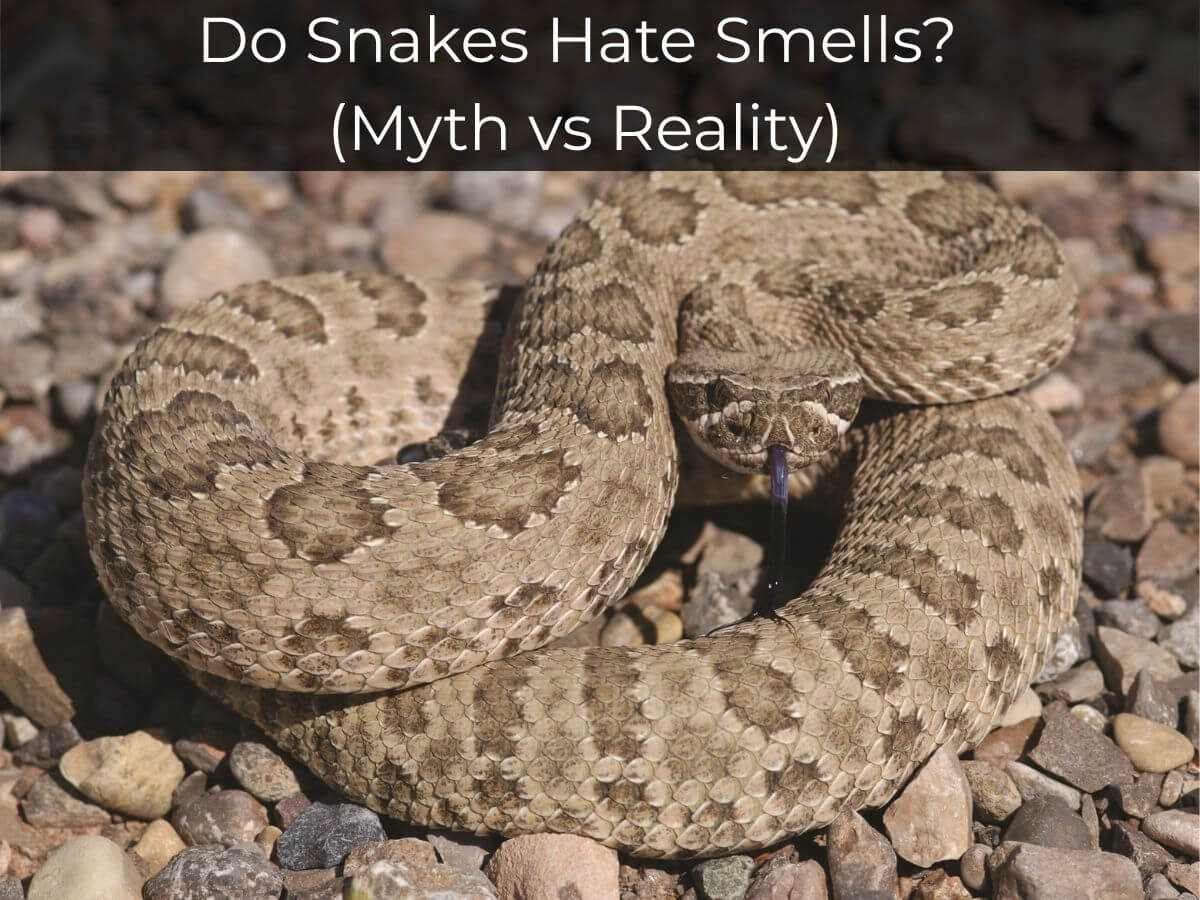
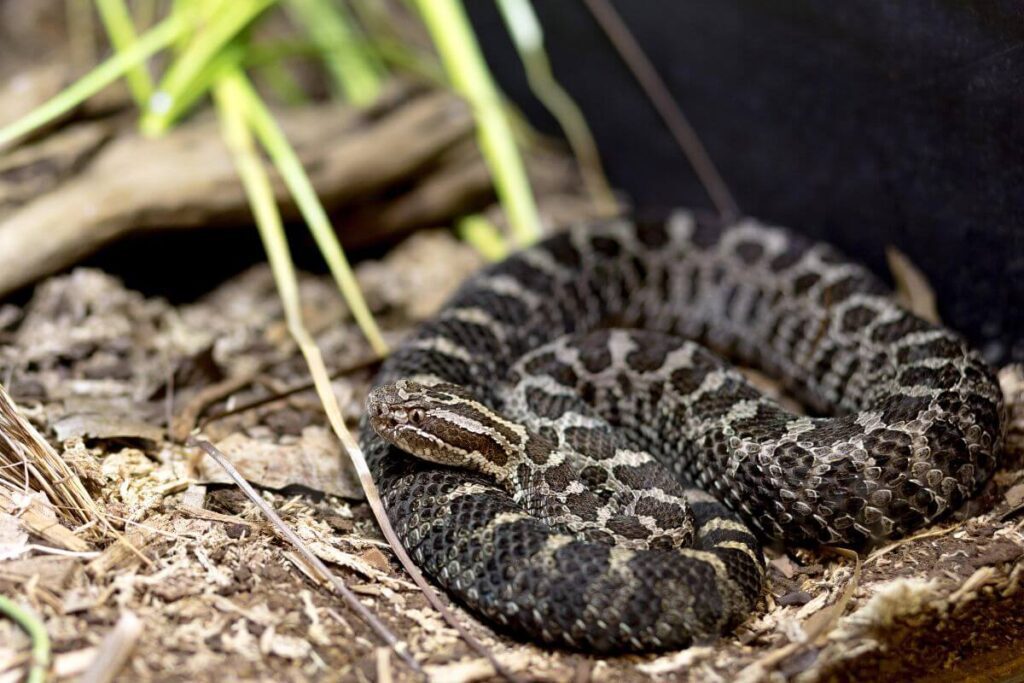
Instead of using a nose like humans, snakes rely on their tongue to collect scent particles from the air. These particles are then analyzed through a specialized sensory organ called the Jacobson’s organ. This system helps snakes gather information about their surroundings—like detecting prey, predators, or environmental changes.
In simple terms, smell for snakes is not about liking or disliking something. It’s about survival.
So when people ask what smells do snakes hate in Arizona, the more accurate question is: are there smells that make snakes avoid an area?
And the answer is—not reliably.
Many people also underestimate how quickly snakes can react, especially venomous ones. Understanding the rattlesnake strike distance in Arizona can help you stay at a safe distance.
Common Smells People Believe Repel Snakes
There are several smells that are often recommended as snake repellents. Let’s look at them one by one and understand what actually happens.
Mothballs
Mothballs are one of the most commonly suggested solutions. Many people believe the strong chemical smell will drive snakes away.
In reality, mothballs contain toxic chemicals designed to kill insects—not repel snakes. While the smell is strong, there’s little evidence that it effectively keeps snakes away. In fact, using mothballs outdoors can be harmful to pets, wildlife, and even humans.
Sulfur
Sulfur is another popular recommendation. It has a strong, unpleasant odor, which leads people to believe snakes will avoid it.
However, while sulfur may temporarily irritate a snake’s senses, it doesn’t create a reliable barrier. Snakes may still move through areas treated with sulfur if they are motivated by food or shelter.
Vinegar
Vinegar is often suggested as a natural solution. Some people use it around entry points or near water sources.
While vinegar has a strong smell, it doesn’t have a proven long-term effect on snakes. At best, it may create a temporary disturbance, but it won’t stop a snake from entering your yard or garage.
Cinnamon Oil and Clove Oil
Essential oils like cinnamon and clove are often marketed as natural snake repellents. They do have strong scents, and in some cases, they may cause mild irritation to snakes.
But again, the effect is short-lived. These oils evaporate quickly, especially in Arizona’s heat, making them unreliable for long-term protection.
Ammonia
Ammonia is sometimes used because of its harsh smell. Some people soak rags in ammonia and place them around areas where snakes might enter.
While this may create a temporary deterrent, it is not a consistent or safe long-term solution. The smell fades quickly, and it doesn’t address the real reason snakes are there.
Do Snake Repellents Actually Work?
This is the part most people want a clear answer to.
Commercial snake repellents often claim to use smell as a way to keep snakes away. But in real-world conditions, these products rarely provide reliable results.
There are a few reasons for this:
- Snakes are highly adaptable
- Smells fade quickly, especially in outdoor environments
- Repellents don’t remove the actual reason snakes are present
In Arizona’s climate, where heat, wind, and dust are constant factors, smell-based repellents lose effectiveness even faster.
So while some products might work temporarily in very controlled conditions, they are not a dependable solution for keeping snakes away from your property.
Even if repellents seem helpful, they don’t prevent dangerous situations completely. That’s why it’s important to understand the risks, and this guide on snake bite symptoms in Arizona explains what to watch for if a bite ever occurs.
Why Smells Alone Don’t Stop Snakes
To really understand this, you have to look at what motivates a snake.
Snakes are not randomly exploring your property. They are there for a reason.
That reason is usually one of three things:
- Food (like rodents or insects)
- Shelter (cool, shaded, hidden spaces)
- Temperature (escape from extreme heat)
If your property provides these conditions, a snake is far more likely to ignore any unpleasant smell.
This is why focusing only on smells doesn’t solve the problem. It’s like trying to block a doorway without closing it—snakes will still find a way in if the conditions are right.
The main reason snakes appear is not because of smell—it’s because of food and shelter. If you want to understand where they usually stay, this guide on common rattlesnake hiding spots in Arizona explains it clearly.
What Actually Works to Keep Snakes Away
Instead of relying on smells, the most effective approach is to change the environment.
Start by removing what attracts snakes in the first place.
Reduce clutter in your yard and garage. Snakes look for hidden, quiet spaces where they can stay undisturbed. Piles of wood, rocks, or debris create perfect hiding spots.
Next, control rodents. If mice or rats are present, snakes will follow. Eliminating the food source is one of the most effective ways to reduce snake activity.
Sealing entry points is also important. Small gaps under doors, cracks in walls, or open vents can all serve as access points.
Proper lighting can make a difference as well. Snakes prefer dark, quiet areas, so well-lit spaces are less attractive.
When these steps are combined, they create an environment that snakes naturally avoid—without needing any artificial repellents.
Real prevention is about changing your environment, not masking it with smells. If you want a complete step-by-step approach, this guide on snake proofing your yard in Arizona shows exactly how to make your property less attractive to snakes.
Arizona-Specific Reality
Arizona’s environment plays a major role in snake behavior.
During summer, temperatures can become extreme. Snakes will actively search for cooler places, which is why they often enter garages, yards, or shaded areas around homes.
During monsoon season, increased moisture and movement of prey can lead to more snake activity.
At night, temperatures drop, making it a more active time for snakes to move around.
Understanding these patterns helps you stay prepared instead of relying on temporary solutions like smell-based repellents.
For example, snake activity often increases during certain weather conditions. If you’ve noticed more movement after storms, this article on why snakes come out after rain in Arizona explains the pattern.
When Smell-Based Repellents Might Help (Limited Use)
To be fair, smell-based solutions are not completely useless.
They may provide temporary results in small, controlled areas. For example, in a closed space like a shed, a strong smell might discourage a snake from staying there.
But this is not a long-term solution. It doesn’t stop snakes from entering your property, and it doesn’t remove the conditions that attract them.
Think of it as a short-term aid—not a real strategy.
For accurate wildlife behavior and prevention advice, it’s always a good idea to refer to the Arizona Game and Fish Department. Their official resources provide trusted guidance on snake activity, habitat behavior, and how to stay safe.
FAQ
1. What smells do snakes hate in Arizona?
There is no proven smell that snakes consistently hate. Some strong odors may irritate them temporarily, but they do not provide reliable protection.
2. Do mothballs keep snakes away?
Mothballs are not an effective snake repellent and can be harmful to pets and humans.
3. Does vinegar repel snakes?
Vinegar may have a strong smell, but it does not reliably prevent snakes from entering an area.
4. Are natural snake repellents effective?
Most natural repellents provide only temporary results and do not address the real causes of snake activity.
5. What attracts snakes to homes in Arizona?
Snakes are attracted by food sources, shelter, and cooler temperatures.
6. Do essential oils repel snakes?
Essential oils like clove or cinnamon may have short-term effects, but they are not a dependable solution.
7. Can snakes ignore strong smells?
Yes, especially if they are motivated by food or shelter.
8. What is the best way to keep snakes away?
Removing hiding spots, sealing entry points, and controlling rodents are the most effective methods.
9. Are snake repellents worth buying?
Most commercial repellents have limited effectiveness and should not be relied on as a primary solution.
10. Do snakes return to the same place?
Yes, if the environment remains suitable for them.
Final Verdict
So, what smells do snakes hate in Arizona?
The honest answer is: there is no smell that reliably keeps snakes away.
While certain scents may irritate or temporarily disturb them, they are not strong enough to overcome the basic needs that drive snake behavior.
If a snake is looking for food, shelter, or a cooler place to stay, it will not be stopped by a smell alone.
The most effective way to prevent snake encounters is to focus on your environment. Remove what attracts them, seal entry points, and keep your space clean and well-maintained.
That approach works far better than any repellent ever will.

Ravi Rathore is a field snake researcher and Arizona wildlife enthusiast who studies snake behavior, identification, and desert ecosystems. He focuses on helping hikers, homeowners, and outdoor explorers understand the difference between venomous and non-venomous snakes in Arizona. Through detailed guides and safety resources, he shares practical knowledge to help people stay safe while respecting native wildlife.