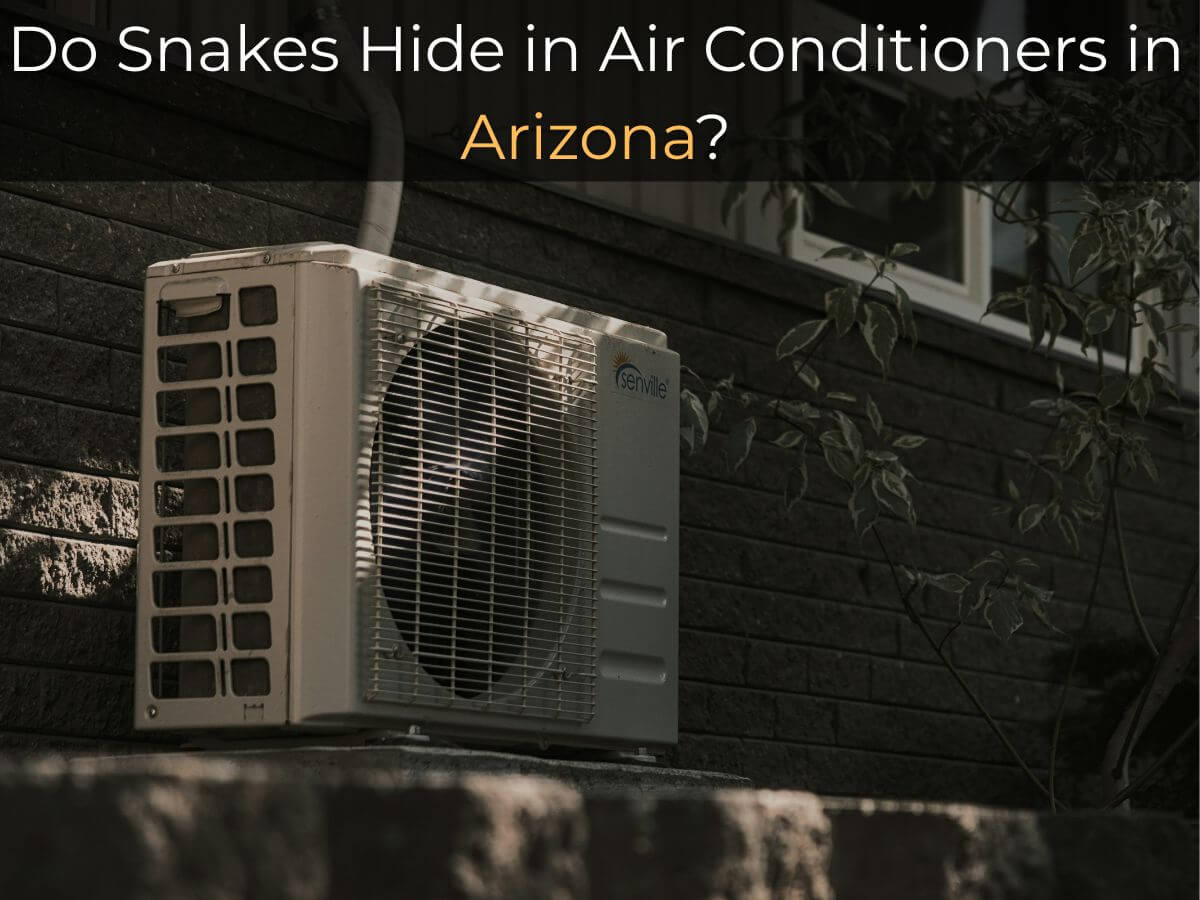
If you live in a hot place like Arizona, your air conditioner isn’t just a luxury – it’s a necessity. But for many homeowners, an unusual question sometimes comes up, especially after spotting wildlife nearby: do snakes hide in air conditioners in Arizona?
It might sound strange at first, but once you think about the environment, it actually makes sense. Arizona’s extreme heat pushes animals to look for cooler, shaded spaces. And your outdoor AC unit – quiet, protected, and often slightly cooler than the surrounding area – can become an attractive spot.
For most people, this idea is unsettling. The thought of a snake hiding near or inside something connected to your home creates immediate concern. But the key is understanding what’s realistic, what’s rare, and what you can actually do about it.
This guide breaks everything down in a simple, practical way. No exaggeration, no unnecessary fear – just clear information about whether snakes hide in air conditioners in Arizona, why it can happen, and how you can prevent it.
Many homeowners start thinking about this after noticing snake activity near their property. If you’re wondering how snakes even get close to living spaces, this guide on do snakes enter houses in Arizona explains the most common entry situations.
Can Snakes Actually Enter Air Conditioners?
Let’s start with the most important question.
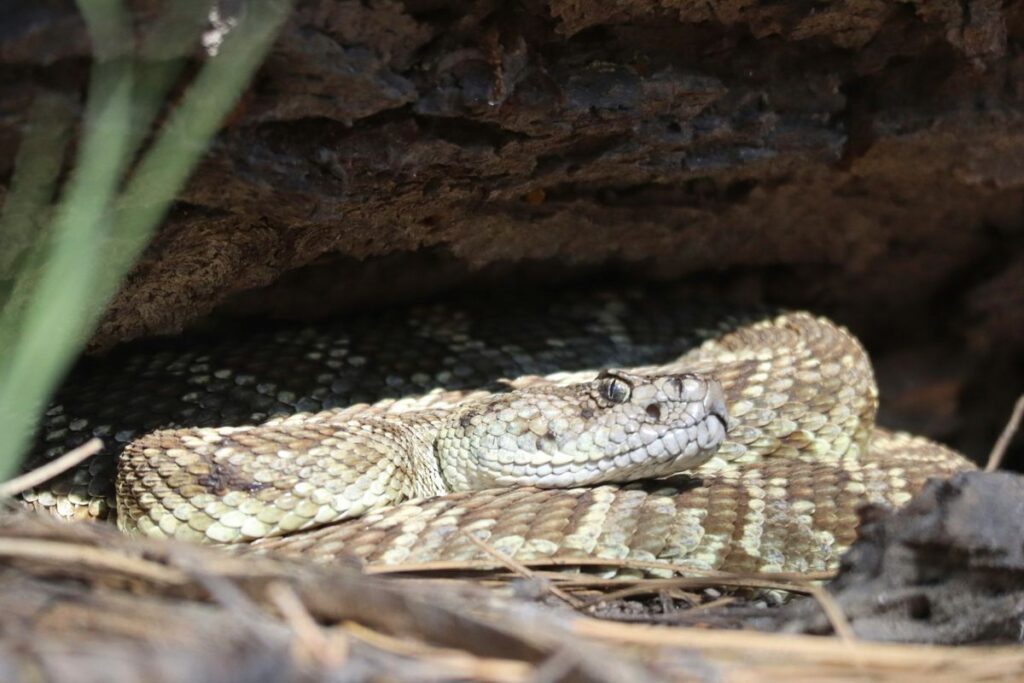
Yes, snakes can hide in or around air conditioners – but mainly in the outdoor unit, not the indoor system.
Most residential AC systems have two main parts:
- The indoor unit (inside your home)
- The outdoor condenser unit (usually placed outside)
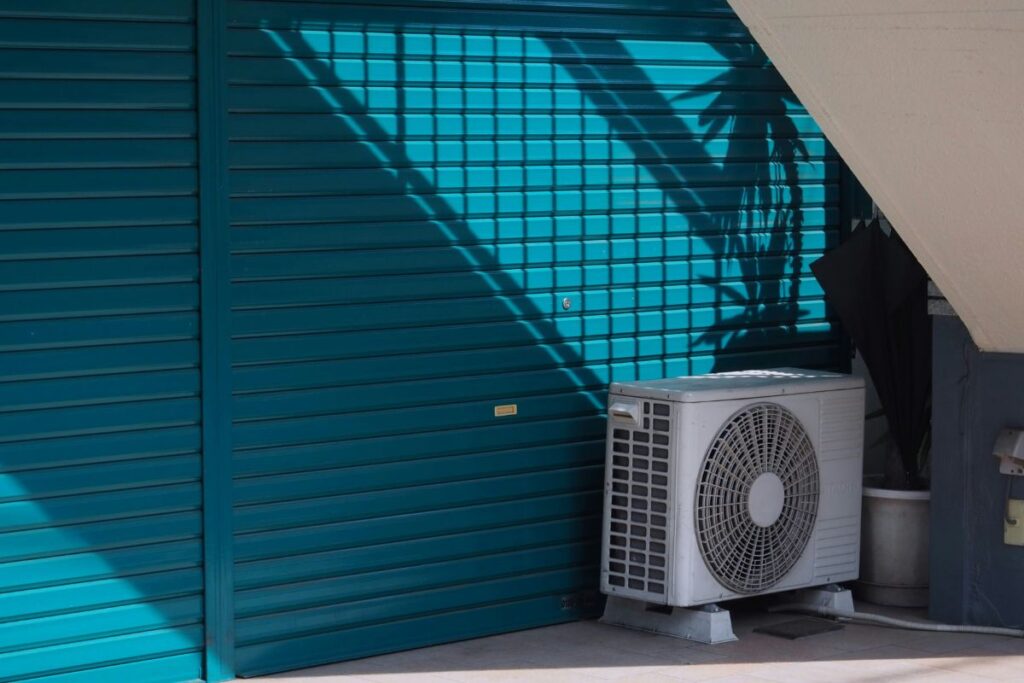
Snakes are far more likely to interact with the outdoor unit. These units sit at ground level, often in quiet corners of yards, making them accessible and appealing to wildlife.
However, it’s important to understand this clearly: snakes are not entering AC systems to travel into your home through vents. That scenario is extremely rare.
Instead, they may use the area around the unit as a temporary hiding place.
Why Air Conditioners Attract Snakes in Arizona
To understand why snakes hide in air conditioners in Arizona, you need to think like a snake.
Arizona’s heat can be intense, especially during summer. Surfaces become extremely hot, and shade becomes limited. Snakes need to regulate their body temperature, and they constantly look for cooler environments.
An outdoor AC unit offers several advantages:
Shade and Protection
AC units are often placed near walls or in corners, creating shaded areas that stay cooler than open ground.
Slightly Cooler Microclimate
Even though the unit itself produces heat when running, the surrounding area – especially underneath – can be cooler compared to direct sunlight.
Quiet and Undisturbed
Most people don’t frequently check around their outdoor unit, making it a low-traffic, safe place for a snake to rest.
Presence of Prey
AC areas sometimes attract insects or small rodents. If food is nearby, snakes may follow.
So it’s not that snakes are specifically targeting air conditioners – it’s that these units create the kind of environment snakes naturally look for.
In most cases, snakes are simply looking for shelter and cooler spaces. Similar behavior is explained in this guide on rattlesnake hiding spots in Arizona, where they choose dark and protected areas.
Where Snakes Hide Around AC Systems
If a snake is near your air conditioner, it won’t usually be inside the machinery itself. Instead, it will look for safe, hidden spots nearby.
Common hiding locations include:
- Underneath the AC unit
- Behind the unit near the wall
- Around connecting pipes or wiring
- In nearby bushes or debris
- Along the foundation near the unit
These areas provide the darkness and cover snakes prefer.
It’s also worth noting that snakes don’t like open exposure. They won’t sit in visible areas unless disturbed. That’s why many people don’t notice them until there’s movement.
These hiding patterns are very similar to what happens in storage areas. This article on snakes in garage Arizona explains why enclosed and quiet spaces attract them.
Is It Dangerous to Have a Snake Near Your AC?
This depends on the situation.
In Arizona, some snakes are venomous – especially rattlesnakes. So any snake encounter should be treated with caution.
However, most snakes are not aggressive. They prefer to avoid humans and will only act defensively if they feel threatened.
The real risk comes from accidental encounters. For example:
- Walking too close without noticing
- Reaching near the unit without checking
- Letting pets explore the area
So while the presence of a snake near your AC is not automatically dangerous, it does require awareness.
Signs a Snake Might Be Near Your Air Conditioner
You won’t always see a snake directly. But there are small signs that can indicate activity.
Pay attention to:
Unusual Movement
Quick, subtle movement near the base of the unit.
Shed Skin
Snakes shed their skin, and finding it nearby can be a clear sign.
Tracks or Trails
In dusty or sandy areas, you may notice movement patterns.
Rodent Activity
If rodents are present, snakes may follow.
Sudden Silence
If small animals or insects suddenly disappear, it can indicate a predator nearby.
These signs don’t guarantee a snake is there, but they can help you stay alert.
Increased snake movement often happens during specific weather conditions. You can understand this better in this guide on why snakes come out after rain in Arizona.
What To Do If You Suspect a Snake Near Your AC
If you think there might be a snake near your AC unit, the most important thing is not to panic.
Here’s what you should do:
- Keep your distance
- Do not try to investigate closely
- Avoid touching or moving anything around the unit
- Keep pets and children away
If you clearly see a snake and it doesn’t move away, it’s best to contact a professional wildlife removal service.
Trying to handle the situation yourself can increase risk.
While encounters are rare, it’s important to stay prepared. This guide on snake bite symptoms in Arizona explains what to watch for and when to act quickly.
What You Should Never Do
Mistakes often happen when people react out of fear.
Avoid these actions:
- Don’t spray water into the unit
- Don’t poke around blindly
- Don’t attempt to remove the snake
- Don’t block its escape route
Snakes usually want to leave. Giving them space is often the safest option.
How to Prevent Snakes Around Your AC Unit
Prevention is where you have the most control.
Start by making the area less attractive to snakes.
Keep the Area Clean
Remove debris, leaves, and clutter around the unit.
Trim Vegetation
Cut back bushes and grass nearby.
Control Rodents
If there’s no food, snakes are less likely to stay.
Seal Gaps
Close openings around walls and pipes.
Improve Visibility
Well-lit areas discourage snakes.
These simple steps can significantly reduce the chances of snakes using your AC area.
Prevention always starts from outside. This detailed guide on snake proofing your yard in Arizona shows how to make your property less attractive to snakes.
Arizona Seasonal Patterns You Should Know
Snake activity changes throughout the year.
Summer
Snakes seek cooler spaces – this is when AC areas become more attractive.
Monsoon Season
Increased movement due to environmental changes.
Nighttime
Snakes are more active when temperatures drop.
Understanding these patterns helps you stay aware without overreacting.
For accurate and official guidance on snake behavior and safety in Arizona, you can refer to the Arizona Game and Fish Department, which provides trusted recommendations for handling snake encounters.
Common Myths About Snakes and Air Conditioners
Let’s clear up some common misconceptions.
Snakes travel through AC vents
Highly unlikely.
AC units attract snakes directly
They attract conditions, not snakes specifically.
If one snake is there, many are inside
Not true – snakes are solitary.
Clearing these myths helps reduce unnecessary fear.
For medical safety and first aid information, the Centers for Disease Control and Prevention offers clear guidance on how to respond to snake bites.
Why Awareness Matters More Than Fear
Fear makes situations worse.
Awareness makes them manageable.
When you understand why snakes might be near your AC, you stop imagining extreme scenarios and start focusing on practical steps.
That shift makes all the difference.
How Snakes Interact With Electrical and Mechanical Equipment
One thing many homeowners don’t think about is how snakes behave around machines and electrical equipment like air conditioners. Unlike rodents, snakes are not interested in chewing wires or damaging systems. They don’t interact with equipment out of curiosity or instinct to explore objects.
Instead, their interaction is passive.
If a snake is near your AC unit, it’s not there because of the machine itself. It’s there because the space around it feels safe. Snakes rely heavily on their surroundings to regulate temperature, and they look for places where they can rest without being exposed.
The vibration and noise from an AC unit can actually discourage snakes from getting too close to active parts. However, when the unit is off – especially during cooler hours – it becomes a quiet and undisturbed area, which may feel safer.
This is why snakes are more likely to stay near the base, edges, or shaded sides of the unit rather than inside any mechanical section.
Can Baby Snakes Hide in Smaller Spaces Around AC Units?
This is an important concern that often gets overlooked.
Baby snakes, also called juveniles, are much smaller and more flexible than adult snakes. Because of their size, they can access tighter spaces around your AC system that an adult snake cannot.
They may hide in:
- Narrow gaps between the unit and the wall
- Small cracks in the foundation
- Spaces around piping or insulation lines
However, it’s important to understand that baby snakes behave the same way as adult snakes – they are not seeking humans or indoor spaces. They are simply looking for shelter.
Some people assume baby snakes are more dangerous. In reality, the risk depends on the species, not the size. Even then, encounters are rare and usually happen only when someone accidentally disturbs the area.
Keeping your AC surroundings sealed and clean is especially important to reduce these small entry opportunities.
Do Different Snake Species Behave Differently Around AC Units?
Yes, different species can behave slightly differently, but their core behavior remains the same.
In Arizona, you may encounter:
- Rattlesnakes
- Gopher snakes
- Kingsnakes
Rattlesnakes are more cautious and defensive. They prefer hidden, secure areas and are less likely to stay in exposed spaces.
Gopher snakes and kingsnakes are non-venomous and may be slightly more adaptable in their movement, but they still follow the same pattern – seeking shelter, not interaction.
None of these species are naturally attracted to air conditioners specifically. They are attracted to the environment around them.
Understanding this helps remove the fear that certain snakes are “targeting” your home or AC system.
How Close Is Too Close? Understanding Safe Distance
A common question homeowners have is: how close is too close when it comes to a snake near the AC unit?
There isn’t an exact measurement, but a general rule is to maintain a safe distance where you are not interfering with the snake’s space.
If you can clearly see the snake, you are already close enough.
At that point:
- Do not move toward it
- Do not try to guide it away
- Do not block its path
Snakes rely on escape routes. If they feel trapped, they may act defensively. Giving them space allows them to leave naturally.
In most cases, a snake will move away on its own once it senses human presence.
Why Snakes Prefer Edges, Corners, and Boundaries
If you observe snake movement patterns, you’ll notice something interesting – they rarely move across open spaces.
Instead, they follow edges.
This includes:
- Walls
- Fences
- Foundations
- The sides of structures like AC units
This behavior is called “edge-following,” and it helps snakes stay hidden and protected.
Your AC unit naturally creates edges and boundaries. That’s why snakes may appear near it – not because of the unit itself, but because it fits their movement pattern.
Once you understand this, it becomes easier to predict where snakes might appear and how to reduce those pathways.
Can Snakes Enter Through AC Ducts or Pipes?
This is one of the most common fears.
The short answer: it’s extremely unlikely.
AC ducts are enclosed systems, and pipes connected to outdoor units are usually sealed or insulated. Snakes are not equipped to navigate through these tight, closed systems into your home.
Most snake encounters happen outside, not inside.
If a snake is near your AC unit, it is using the external environment – not trying to travel through the system.
This is an important distinction because it shifts your focus from fear to practical prevention.
How Pets React to Snakes Near AC Units
Pets, especially dogs, often detect snakes before humans do.
They may show signs like:
- Barking at the AC area
- Sniffing aggressively near the unit
- Sudden alert behavior
While this can be helpful, it can also be risky.
Pets may approach snakes out of curiosity, which can lead to dangerous encounters – especially with venomous species.
If your pet behaves unusually around the AC unit, do not ignore it. Check the area from a safe distance and keep your pet away until you’re sure it’s clear.
Does AC Usage Frequency Affect Snake Presence?
Interestingly, how often you use your AC can make a small difference.
When the unit is running frequently:
- There is more vibration
- More noise
- More human activity
These factors can discourage snakes from staying too close.
When the unit is rarely used:
- The area becomes quieter
- Less disturbance
- More stable shelter
This can make it slightly more attractive.
This doesn’t mean you should run your AC just to keep snakes away, but it helps explain why unused or rarely accessed areas tend to attract more wildlife.
Long-Term Prevention vs Short-Term Fixes
Many homeowners look for quick solutions, like sprays or repellents. But the reality is that long-term prevention is far more effective.
Short-term fixes:
- Temporary
- Often unreliable
- Require repeated use
Long-term solutions:
- Yard maintenance
- Sealing entry points
- Removing attractants
Think of it this way – snakes are not the problem. The environment is.
When you fix the environment, you reduce the chances of snakes returning.
Realistic Risk Level: Should You Be Worried?
Let’s put things into perspective.
The idea of snakes hiding in air conditioners in Arizona sounds alarming, but the actual risk is low.
Encounters are uncommon. And when they do happen, they are usually brief and non-aggressive.
Most snakes:
- Avoid humans
- Leave when disturbed
- Do not stay long
The goal is not to eliminate all risk – that’s impossible in a natural environment. The goal is to reduce risk to a level where you feel confident and prepared.
What Most People Get Wrong About Snake Encounters
One of the biggest mistakes people make is assuming intent.
They think:
- The snake came looking for their home
- The snake is hiding with purpose
- The snake will come back intentionally
But snakes don’t think this way.
They react to conditions, not plans.
Once you remove the conditions – shelter, food, access – the likelihood of repeat encounters drops significantly.
Final Practical Takeaway
If you remember only a few things from this entire guide, let it be these:
- Snakes are not targeting your AC unit
- They are responding to the environment around it
- Most encounters are temporary
- Prevention is simple and effective
Understanding this removes fear and replaces it with control.
Final Thoughts
So, do snakes hide in air conditioners in Arizona?
Yes – but mostly around the outdoor unit, not inside your home system.
It’s not common, but it’s possible under the right conditions. The good news is that snakes are not looking to invade your home – they’re simply responding to their environment.
With simple prevention steps and basic awareness, you can reduce the chances of this happening and handle the situation calmly if it does.
In the end, it’s not about fear – it’s about understanding.
FAQ
Do snakes hide in air conditioners in Arizona?
Yes, mainly around outdoor units, not inside indoor systems.
Can snakes enter AC vents?
This is extremely rare and unlikely.
Why would a snake go near an AC unit?
Shade, cooler temperature, and possible food sources.
Are snakes in AC units dangerous?
They can be if venomous, so caution is important.
How do I know if a snake is near my AC?
Look for movement, shed skin, or rodent activity.
Should I open the AC unit to check?
No, avoid doing that yourself.
Can snakes damage my AC system?
Rarely, but they may interfere with components.
What should I do if I see one?
Keep distance and call professionals if needed.
Do snakes return to the same spot?
Yes, if conditions remain favorable.
How can I prevent this?
Clean surroundings, remove clutter, and seal gaps.

Ravi Rathore is a field snake researcher and Arizona wildlife enthusiast who studies snake behavior, identification, and desert ecosystems. He focuses on helping hikers, homeowners, and outdoor explorers understand the difference between venomous and non-venomous snakes in Arizona. Through detailed guides and safety resources, he shares practical knowledge to help people stay safe while respecting native wildlife.