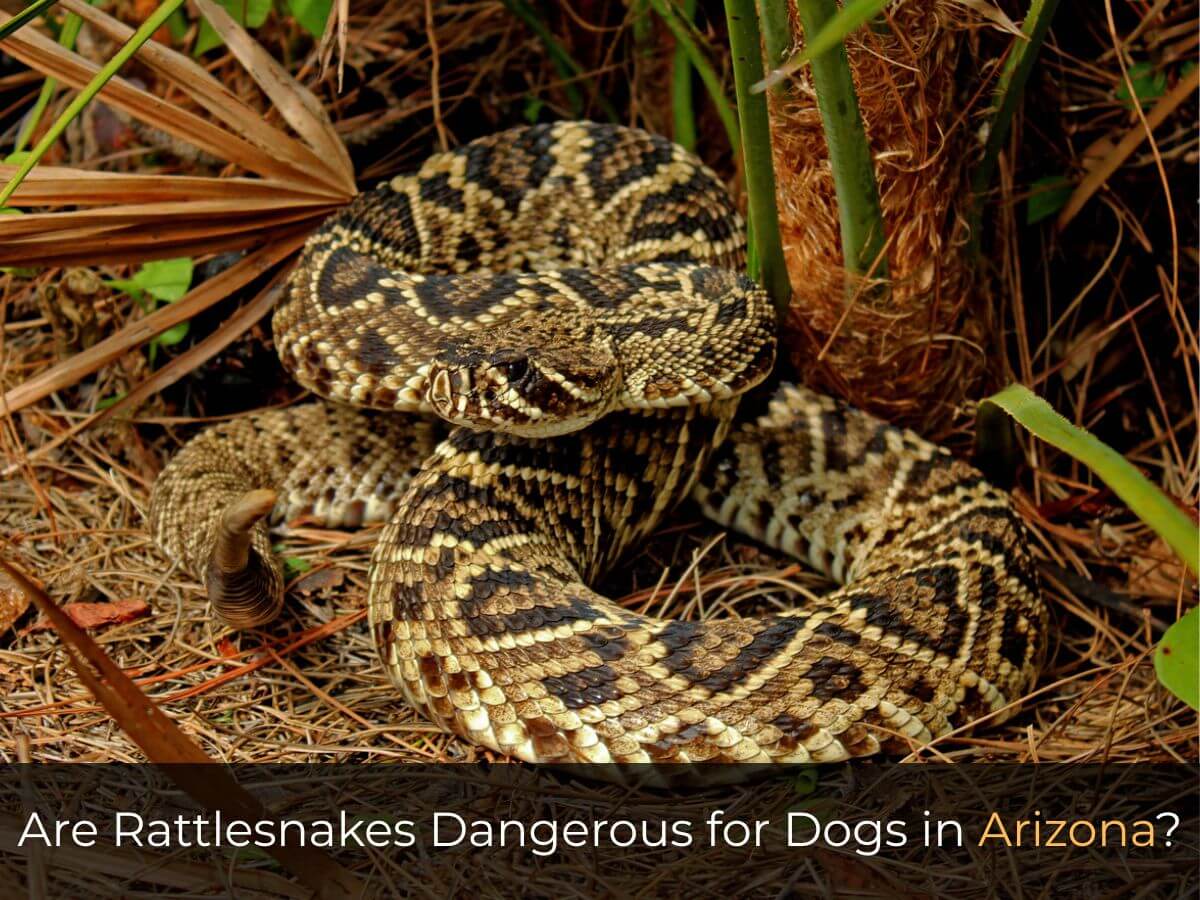
If you’re a dog owner living in the Southwest, you’ve probably asked yourself at least once – are rattlesnakes dangerous for dogs in Arizona? It’s not just a passing thought. It usually comes after hearing a neighbor’s story, seeing a warning sign on a trail, or watching your dog sniff around bushes a little too curiously.
Arizona is beautiful, but it’s also home to wildlife that many people aren’t used to dealing with. Among them, rattlesnakes are one of the most talked-about animals, especially when it comes to pet safety. Dogs don’t understand danger the same way humans do. They explore the world through smell, movement, and curiosity – and unfortunately, that curiosity can sometimes lead them directly into risky situations.
The good news is that while rattlesnakes are dangerous for dogs in Arizona, the situation is not as uncontrollable as it might seem. With the right awareness, simple precautions, and a calm approach, most risks can be managed effectively.
This guide breaks everything down in a practical, real-world way – no complicated language, no unnecessary fear. Just clear, honest information that helps you protect your dog while still enjoying life in Arizona.
Many pet owners start worrying about this after learning how common snake encounters can be around homes. If you’re unsure how snakes get close to living spaces, this guide on do snakes enter houses in Arizona explains the most common situations.
Are Rattlesnakes Dangerous for Dogs in Arizona?
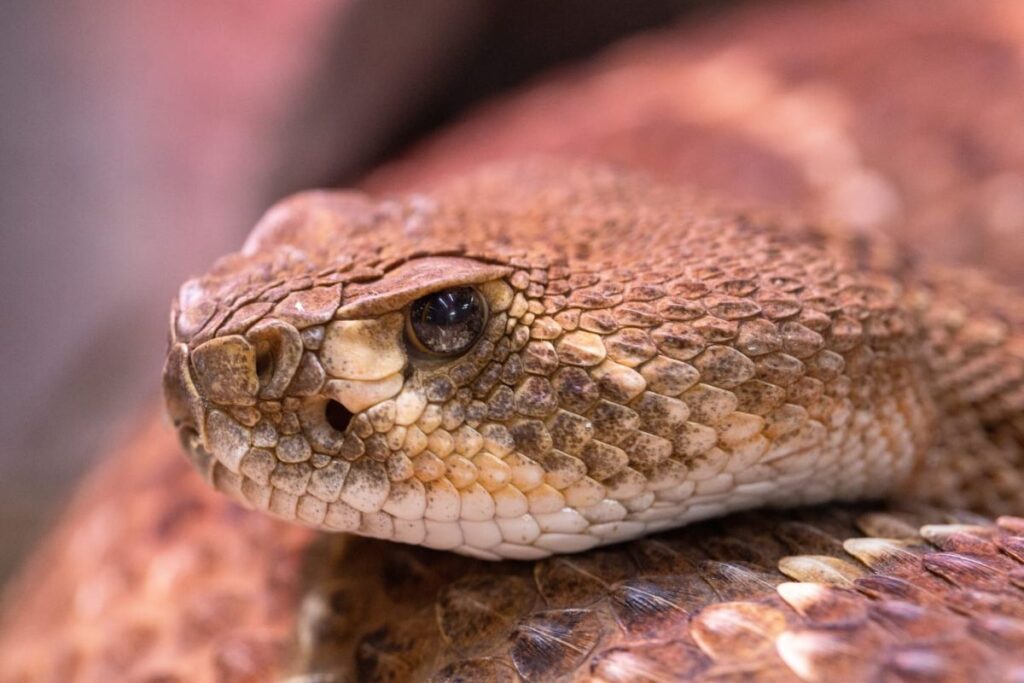
Let’s start with the truth – yes, rattlesnakes can be dangerous for dogs.
They are venomous, and their bite is designed to immobilize prey. When a dog gets too close, the snake reacts defensively. It doesn’t attack randomly or chase – it strikes when it feels threatened.
But here’s where many people misunderstand the situation.
Danger does not mean inevitability.
Not every encounter leads to a bite. Not every bite leads to severe harm. And not every situation ends in panic. A lot depends on how the encounter happens and how quickly it’s handled.
For example:
- A curious dog sniffing directly at a snake is at higher risk
- A dog on a leash with an attentive owner has much lower risk
- A bite on the face may look more alarming than one on the leg, but both require care
The real takeaway is this: the risk is real, but it’s also manageable.
Why Dogs Are Naturally More Vulnerable
Dogs don’t think like humans – and that’s exactly why they’re more at risk.
When a human sees a snake, the instinct is usually to step back. When a dog sees movement, the instinct is often to move closer.
That difference is critical.
Dogs are:
- Curious by nature
- Attracted to movement
- Likely to investigate unfamiliar smells
- Unaware of venomous danger
Most bites happen because a dog approaches a snake too closely without realizing the risk.
Another factor is body position. Dogs tend to lead with their face. That’s why many bites occur on the nose, mouth, or front legs.
It’s not aggression – it’s instinct. And that instinct is what needs to be managed.
Where Do Most Dog–Rattlesnake Encounters Happen?
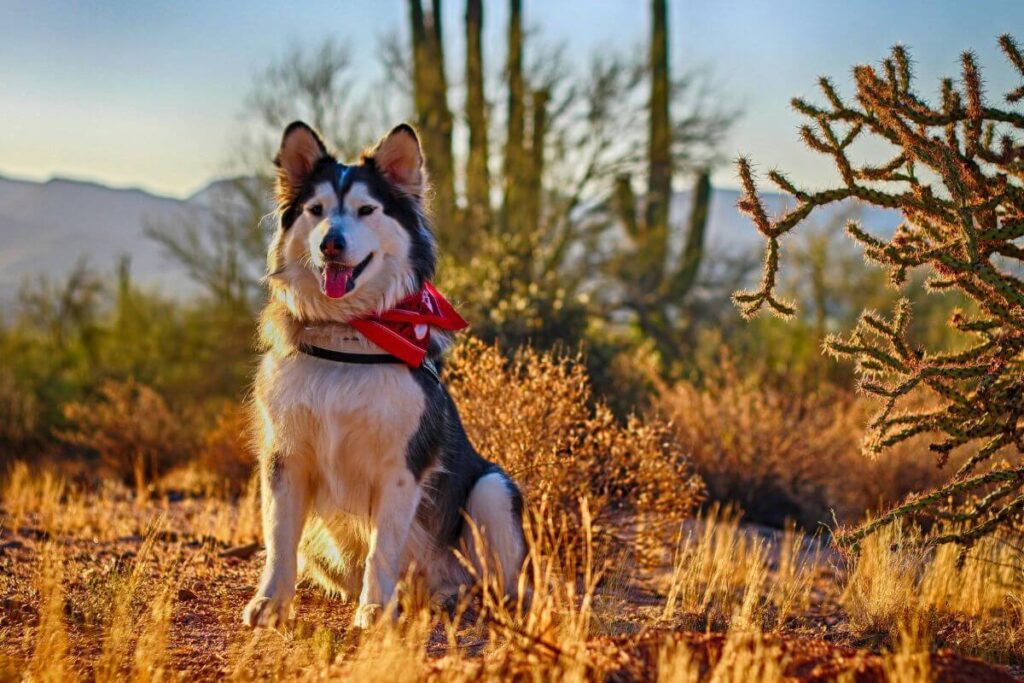
Contrary to popular belief, most encounters don’t happen deep in the desert.
They often happen close to home.
Backyards
Yards with rocks, bushes, wood piles, or shaded corners can attract small animals – and snakes follow food.
Walking Trails
Hiking or walking in natural areas increases exposure, especially in warmer months.
Pool and Garden Areas
Water and shade create micro-environments that attract wildlife.
Garages and Storage Spaces
Cool, quiet places sometimes become temporary hiding spots.
What surprises many homeowners is that even well-maintained properties can still have occasional encounters. It’s not about cleanliness alone – it’s about environment.
Backyard encounters are more common than people expect. This article on snakes in garage Arizona explains why quiet, shaded areas near homes can attract snakes.
What Actually Happens During a Bite?
A rattlesnake bite is not an aggressive attack – it’s a defensive reaction.
When a snake feels threatened or cornered, it strikes quickly.
The bite itself happens in seconds. What follows depends on several factors:
- How much venom is injected
- Where the dog is bitten
- The size and health of the dog
- How quickly treatment begins
Common signs include:
- Sudden yelp or reaction
- Swelling around the bite area
- Lethargy
- Difficulty walking
- Rapid breathing
Some symptoms appear immediately, while others develop over time
Signs of a Rattlesnake Bite in Dogs
A rattlesnake bite can cause severe pain and swelling, but the signs vary depending on the bite and the amount of venom injected. Possible symptoms include:
- Sudden pain, yelping, or distress
- Swelling around the face, muzzle, or affected limb
- Puncture wounds or bleeding
- Weakness, lethargy, or difficulty walking
- Vomiting or changes in breathing
You may not see the bite marks, and symptoms can change over time. If you suspect a rattlesnake bite, do not wait for symptoms to become severe. Treat it as an emergency and contact a veterinarian immediately.
What to Do If a Rattlesnake Bites Your Dog
Get your dog away from the snake without approaching or trying to handle it. Keep your dog as calm and still as possible, carry them if you can do so safely, and head to an emergency veterinary clinic immediately. Call the clinic while you are on your way if possible.
Do not apply ice or a tourniquet, cut the wound, attempt to suck out venom, or give medication unless a veterinarian instructs you to. Do not delay treatment to photograph or identify the snake.
Prompt veterinary care is essential. Treatment may include antivenom, pain relief, and monitoring, depending on the dog’s condition.
Immediate Action: What You Should Do
This is the part where your response matters most.
If you suspect your dog has been bitten:
- Stay calm
- Limit your dog’s movement
- Keep them as still as possible
- Get to a veterinarian immediately
Time is critical.
The faster your dog receives treatment, the better the chances of recovery.
Common Mistakes That Make Things Worse
In stressful situations, people often act quickly – but not always correctly.
Avoid these actions:
- Don’t try to cut or clean the wound aggressively
- Don’t apply ice or pressure
- Don’t attempt home remedies
- Don’t delay treatment to “observe symptoms”
These mistakes can increase complications.
The best action is always professional medical care.
Can Dogs Recover from Rattlesnake Bites?
Yes – many dogs recover fully, especially with quick treatment.
Veterinary care may include:
- Antivenom
- Pain management
- Monitoring vital signs
Recovery time varies, but most dogs improve significantly within days if treated promptly.
This is why awareness and quick action matter more than fear.
Prevention: What Actually Works for Dog Owners
You don’t need extreme measures to protect your dog. Small, consistent habits make the biggest difference.
Supervise Outdoor Time
Don’t let dogs roam freely in high-risk areas.
Use a Leash on Walks
Especially in unfamiliar environments.
Keep Your Yard Maintained
Remove clutter, trim plants, and reduce hiding spots.
Stay Alert During Peak Times
Evenings and early mornings require more attention.
Prevention is not about eliminating risk – it’s about reducing it.
The best way to protect your dog is to reduce snake activity around your property. This detailed guide on snake proofing your yard in Arizona explains practical steps that actually work.
Rattlesnake Avoidance Training (Is It Worth It?)
Some pet owners consider professional training.
These programs teach dogs to:
- Recognize snake scent
- Respond to warning sounds
- Avoid approaching
While not mandatory, this training can be useful for dogs that spend a lot of time outdoors.
Why Rattlesnakes Don’t “Target” Dogs
This is an important mindset shift.
Rattlesnakes do not hunt dogs. They do not chase them. They do not seek confrontation.
They act only when:
- They feel threatened
- They are stepped on or approached too closely
Once you understand this, the situation becomes less about fear and more about awareness.
Why Some Dogs Get Bitten More Than Once
This is something many people don’t expect.
If a dog has one encounter and survives, that doesn’t mean it has learned to avoid snakes.
In fact, some dogs repeat the same behavior again.
Why?
Because the instinct that led them to approach the snake – curiosity or prey drive – hasn’t changed. Unless the dog is specifically trained to avoid snakes, it may not associate the experience with long-term danger.
This is why prevention after a first incident becomes even more important.
Owners often become more cautious, but the dog’s behavior remains the same unless actively managed.
While prevention is important, it’s equally important to recognize danger signs. This article on snake bite symptoms in Arizona explains what to watch for and when to act quickly.
The Role of Food Chain (Why Snakes Come in the First Place)
Snakes don’t appear randomly.
They follow the food chain.
It usually starts with something small:
- Insects gather near lights or water
- Rodents come to feed on insects or stored items
- Snakes follow the rodents
So when a snake shows up, it’s often a sign of something else attracting it.
This is why controlling rodents is one of the most effective long-term prevention strategies.
Day vs Night Walks: What’s Safer for Your Dog?
Many people assume daytime is always safer, but in Arizona, that’s not always true.
During extreme heat, snakes reduce movement during the day and become more active at night or early morning.
The safest approach is not choosing one time blindly, but staying aware in both situations.
Using a leash, avoiding dense areas, and paying attention to surroundings matter more than the time of day.
Final Thoughts
So, are rattlesnakes dangerous for dogs in Arizona?
Yes – but the situation is far more manageable than it seems.
With basic awareness, simple precautions, and quick action when needed, you can protect your dog without constantly worrying.
Your goal is not to eliminate every possible risk. It’s to understand it, respect it, and handle it calmly.
And once you reach that point, you’ll feel far more confident as a pet owner in Arizona.

Ravi Rathore is a field snake researcher and Arizona wildlife enthusiast who studies snake behavior, identification, and desert ecosystems. He focuses on helping hikers, homeowners, and outdoor explorers understand the difference between venomous and non-venomous snakes in Arizona. Through detailed guides and safety resources, he shares practical knowledge to help people stay safe while respecting native wildlife.