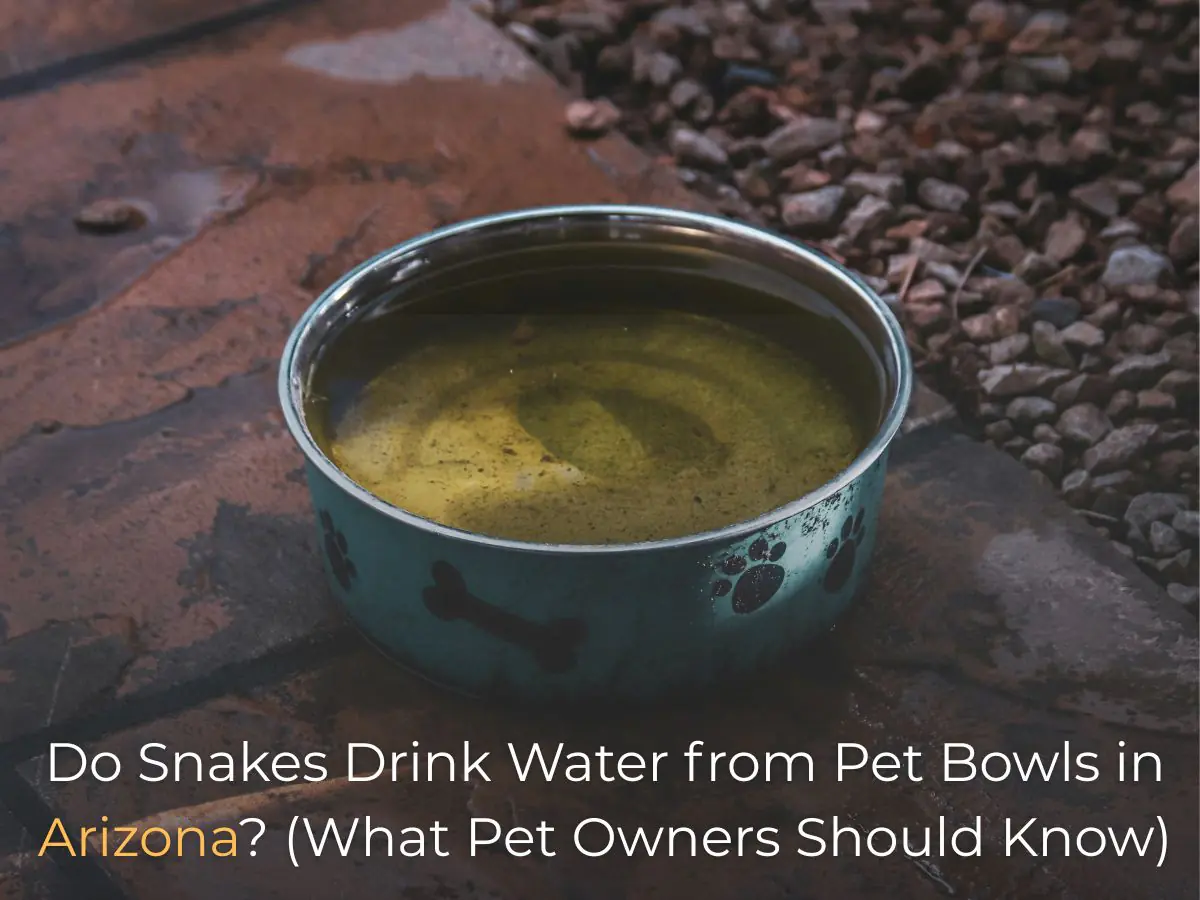
Do snakes drink water from pet bowls in Arizona? Yes, it is possible. Snakes need water, and a bowl left outdoors may provide an accessible source if a snake happens to encounter it.
The bigger concern for pet owners is an unexpected encounter between a snake and a curious dog or cat. Bowl placement, nearby shelter, and wildlife activity around the yard can all affect the chance of an encounter.
You don’t necessarily need to stop providing outdoor water. A few practical changes to bowl placement and nighttime routines can help reduce unwanted wildlife interactions.
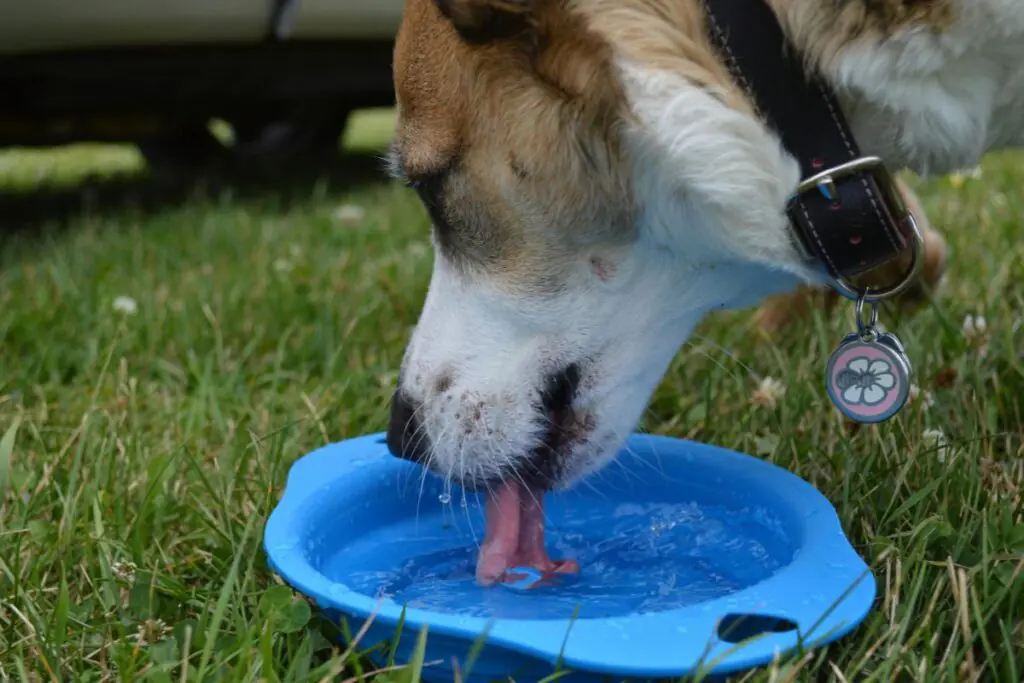
Do Snakes Drink Water from Pet Bowls in Arizona?
Snakes need water to survive, and some may drink from accessible water sources they encounter. An outdoor pet bowl can provide that opportunity, particularly in a dry environment.
However, there is limited evidence to establish how often Arizona snakes drink from household pet bowls. It would be misleading to describe this as a common occurrence or to suggest that snakes deliberately seek out these bowls.
The water itself is only one possible factor. A snake may already be passing through the yard, while nearby shelter or prey animals may influence its movement. Finding a snake near a bowl does not necessarily mean the bowl attracted it.
Snake movement often increases under certain conditions. You can understand this better in this article on why snakes come out after rain in Arizona, especially during seasonal changes.
Why a Pet Water Bowl Can Attract a Snake
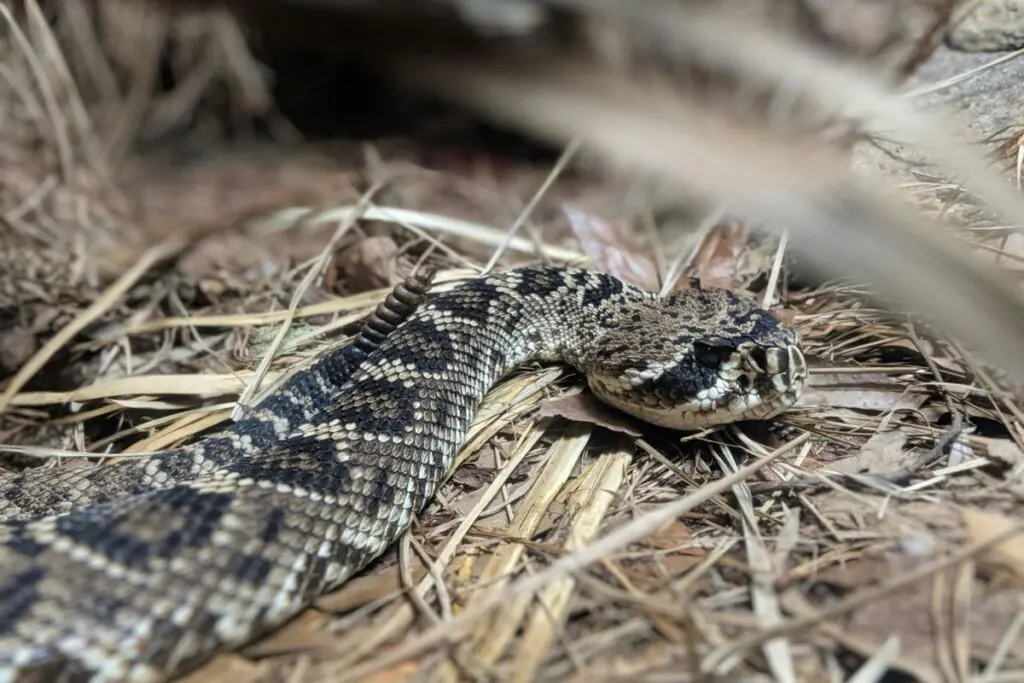
A pet bowl provides accessible water, but the surrounding conditions also matter.
Water availability: A snake that encounters a bowl may use it as a water source. This is possible, but it is not evidence that snakes can locate every pet bowl from a distance.
Nearby shelter: Shrubs, rock piles, dense vegetation, and clutter can provide places where wildlife may shelter. A bowl positioned beside these features can make it harder for you to see an approaching animal.
Prey animals: Rodents and other small animals may visit residential yards. Because snakes hunt prey animals, wildlife activity around a property can sometimes bring predators into the same area.
These factors do not guarantee that a snake will visit a pet bowl. They explain why it is worth considering the entire area rather than focusing on the water alone.
Where Should You Place an Outdoor Pet Water Bowl?
Choose a location that is easy to inspect and convenient for supervising your pet.
- Keep the area visible: Avoid placing bowls behind dense shrubs, beside rock piles, or in cluttered corners where you cannot see the ground clearly.
- Maintain the surrounding space: Trim overgrown vegetation where appropriate and remove unnecessary materials that provide hiding places.
- Check nearby gaps: Pay attention to openings beneath gates, fences, or structures that allow wildlife to move through the yard.
- Use lighting after dark: Adequate lighting helps you inspect the area before allowing your pet outside. It does not guarantee that snakes will avoid the space.
- Keep the water clean: Change the water and clean the bowl regularly for your pet’s health.
If you are concerned about repeated snake sightings, review our guide to snake-proofing your yard in Arizona if that page is published at this address.
Is a Snake Near a Pet Water Bowl Dangerous for Your Pets?
A snake near a water bowl does not automatically mean your pet is in immediate danger. The concern is that a curious dog or cat may approach, sniff, paw at, or try to investigate the animal.
If a snake feels threatened or is accidentally touched, it may defend itself. A bite from a venomous snake can be a medical emergency for a pet.
Do not rely on your pet to detect a snake before you do. Sniffing, staring, barking, or refusing to approach a bowl can have many explanations and does not confirm that a snake is present.
To reduce the chance of an encounter, supervise pets outdoors, especially when visibility is poor. Keep them away from any snake you see, and do not allow them to investigate it.
For more information about the risks to dogs, read our guide on whether rattlesnakes are dangerous for dogs in Arizona.
How to Reduce the Risk Around Outdoor Water Bowls
You can continue providing water outside while taking a few sensible precautions.
- Place the bowl in a visible area away from dense vegetation and clutter.
- Inspect the surrounding ground before letting your pet approach the bowl, particularly after the area has been undisturbed.
- Bring the bowl indoors overnight if that is practical for your household, or place it in a location that is easier to inspect.
- Avoid leaving pet food outdoors for long periods, because leftover food can attract rodents and other animals.
- Keep your yard maintained and address signs of rodent activity.
- Supervise pets when they use outdoor areas where snakes may occur.
These steps can reduce some opportunities for unwanted encounters, but no arrangement can guarantee that a snake will never enter a yard.
Water alone isn’t always the main reason. In many cases, it’s connected to other factors. This guide on snake proofing your yard in Arizona explains how food sources and shelter attract snakes over time.
What to Do If You See a Snake Near a Pet Bowl
Keep your pet away from the snake and do not attempt to touch, catch, kill, or move it. Give the animal room to leave if it can do so safely.
If the snake is near an entrance, in a confined area, or somewhere people and pets cannot safely avoid it, contact a qualified wildlife removal professional. Do not reach into nearby shrubs, clutter, or other hidden spaces to search for it.
If you suspect that your dog or cat has been bitten, seek emergency veterinary care immediately. Do not wait for symptoms or try to identify the snake yourself.
Final Thoughts
Snakes can drink from pet water bowls in Arizona, but the frequency of this behavior is not well established. The presence of a bowl does not mean a snake will visit your yard.
Keep the bowl in a visible location, maintain the surrounding area, supervise your pets, and give any snake you encounter plenty of space. These practical steps help you manage outdoor pet safety without unnecessary fear.

Ravi Rathore is a field snake researcher and Arizona wildlife enthusiast who studies snake behavior, identification, and desert ecosystems. He focuses on helping hikers, homeowners, and outdoor explorers understand the difference between venomous and non-venomous snakes in Arizona. Through detailed guides and safety resources, he shares practical knowledge to help people stay safe while respecting native wildlife.