This article may contain affiliate links. We may earn a commission at no extra cost to you.
Finding the best snake gaiters for hiking depends on where you hike, how often you encounter rough terrain, and how much protection you want around your lower legs. Snake gaiters can add a protective layer between your legs and the surrounding environment when hiking in areas where rattlesnakes and other venomous snakes may be present.
They can be particularly useful for off-trail hiking, tall vegetation, rocky desert terrain, hunting, wildlife fieldwork, and other outdoor activities where snakes may be difficult to see.
Snake gaiters are not a substitute for paying attention to the trail, and no gaiter should be treated as a guarantee against snakebite. Materials, construction, coverage, fit, and comfort all matter when choosing a pair.
In this guide, we’ll compare popular snake gaiter options and explain what to look for before buying, including protection, weight, coverage, durability, and comfort.
If you frequently hike in the Southwest, understanding Rattlesnake Season in Arizona can help you prepare for periods when snake activity is highest on popular trails and desert paths.
Why Hikers Use Snake Gaiters
Snake gaiters are mainly used to add protection around the lower legs when hiking or working in areas where venomous snakes may be present.
They can be particularly useful for:
- Off-trail hiking
- Tall grass and brush
- Rocky desert terrain
- Hunting
- Wildlife fieldwork
- Ranch and outdoor work
- Remote backcountry travel
They are also useful when vegetation, rocks, or uneven terrain make it difficult to see exactly where you are placing your feet.
For ordinary hiking on well-maintained trails, some people may prefer to rely on normal footwear, trail awareness, and staying on the established path. Snake gaiters become more useful as exposure to rough or concealed terrain increases.
How Snake Gaiters Work
Snake gaiters are designed to resist fang penetration and add a protective layer around the lower leg.
Unlike ordinary hiking gaiters, which primarily help keep dirt, water, and debris away from your boots, snake gaiters use protective materials and construction intended to resist punctures.
Depending on the model, snake gaiters may use dense woven fabrics, multiple protective layers, rigid protective panels, reinforced stitching, and adjustable closure systems. The materials and level of protection can vary considerably between products.
When comparing gaiters, check the manufacturer’s specifications for the material, coverage, fit, and any available information about puncture-resistance testing.
No protective gear can guarantee protection in every possible situation. Exposed areas outside the gaiter’s coverage may still be vulnerable, so proper fit and trail awareness remain important.
What to Look for Before Buying Snake Gaiters
Protection
Protection is one of the most important factors when choosing snake gaiters.
Look for gaiters specifically designed and marketed for snake protection rather than ordinary hiking gaiters. Check the manufacturer’s information about the materials, coverage, construction, and any available puncture-resistance testing.
Weight
Heavy gaiters can become uncomfortable during long hikes, especially in warm weather or on steep terrain.
If you plan to cover long distances, consider the balance between protection, weight, and breathability. Heavier-duty models may provide more substantial construction but can also feel bulkier.
Comfort
Even protective gear needs to be comfortable enough to wear throughout a hike.
Look for adjustable straps, a secure fit, breathable materials where available, and closure systems that keep the gaiters in place without restricting movement.
Coverage Height
Coverage varies between gaiter models. Many snake gaiters extend from around the ankle or boot area toward the knee.
Consider the type of terrain you normally hike and choose coverage that fits your needs. Also check that the gaiter’s design works properly with your hiking boots or other footwear.
Durability
Snake gaiters can be exposed to:
- Rocks
- Thorns
- Cactus
- Mud
- Brush
- Rough terrain
Look for construction that suits the conditions where you plan to use them, and check the manufacturer’s care and durability information before buying.
Top Recommended Snake Gaiters for 2026
TurtleSkin SnakeArmor Gaiters – Best Overall
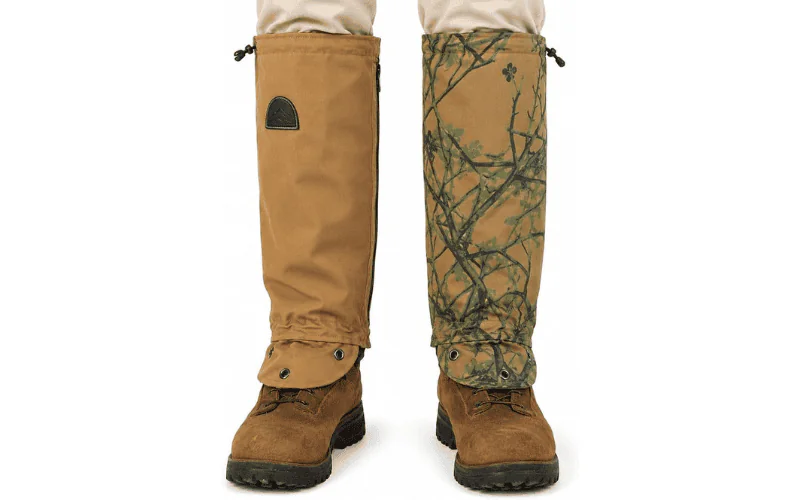
TurtleSkin remains one of the most respected names in snake protection gear.
Pros:
- Extremely lightweight
- High puncture resistance
- Comfortable for long hikes
- Trusted by many field professionals
Cons:
- Premium price
- Limited camouflage options
TurtleSkin products consistently receive strong feedback from hikers and field biologists who prioritize comfort and protection.
Frelaxy Snake Gaiters – Best Value
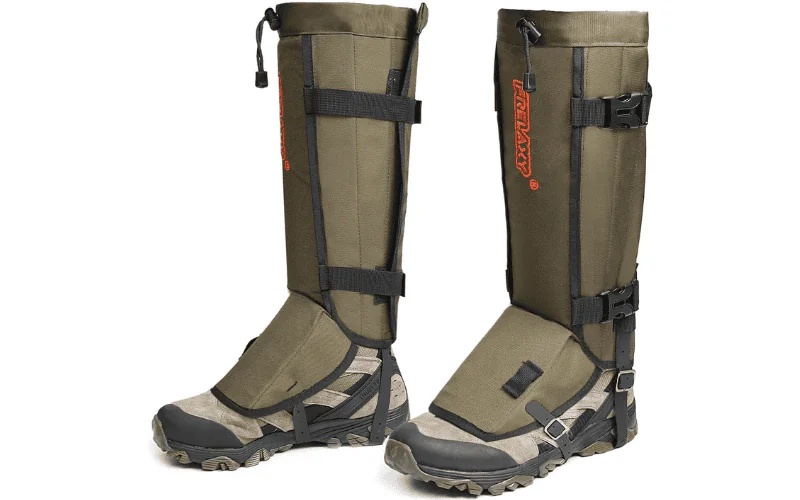
For hikers seeking a balance between affordability and protection, Frelaxy offers strong value.
Pros:
- Budget-friendly
- Lightweight
- Waterproof coating
- Adjustable fit
Cons:
- Less proven than premium brands
QOGIR Snake Gaiters – Best for Rugged Terrain
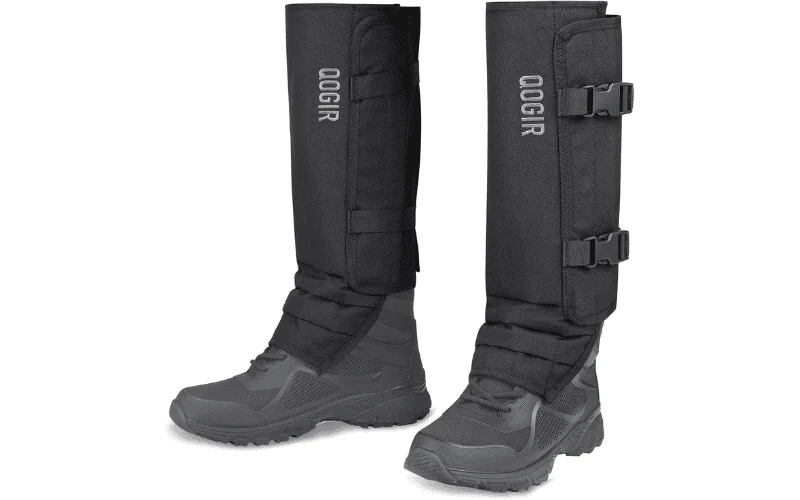
QOGIR models are designed for rough environments where durability is critical.
Pros:
- Heavy-duty construction
- Strong lower-leg coverage
- Durable materials
Cons:
- Heavier than ultralight options
SnakeProtex Expedition – Best Lightweight Premium Option
SnakeProtex combines lightweight construction with impressive puncture resistance testing.
Pros:
- Comfortable design
- Lightweight
- Strong puncture protection
- Good breathability
Cons:
- Higher price point
ForEverlast Snake Guard Chaps – Best Extended Coverage
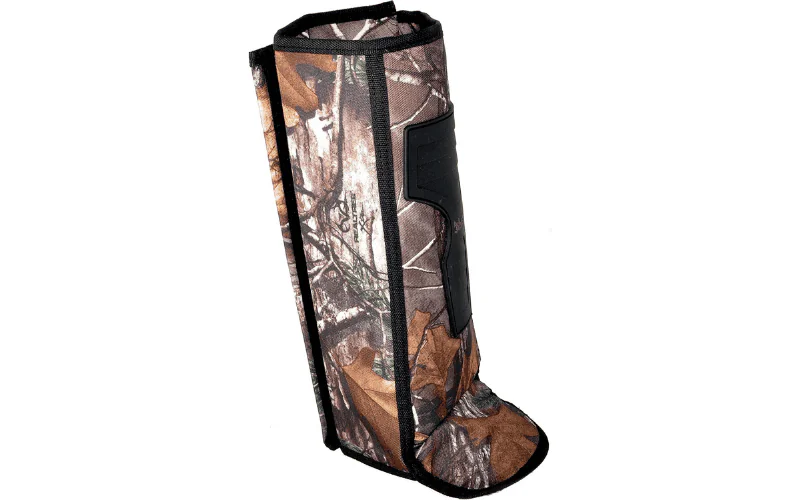
For users wanting protection above the knee, snake chaps offer extensive coverage.
Pros:
- Extended protection
- Durable materials
- Popular among hunters
Cons:
- Heavier
- Less suitable for long-distance hiking
Snake Gaiter Comparison Table
| Model | Best For | Weight | Coverage | Price Range |
|---|---|---|---|---|
| TurtleSkin SnakeArmor | Overall Performance | Lightweight | Knee High | Premium |
| Frelaxy | Budget Buyers | Moderate | Knee High | Budget |
| QOGIR | Rugged Terrain | Heavy | Knee High | Mid-Range |
| SnakeProtex Expedition | Lightweight Hiking | Lightweight | Knee High | Premium |
| ForEverlast Chaps | Maximum Coverage | Heavy | Above Knee | Premium |
Protective gear is only one part of staying safe outdoors. Learning What To Do If You See a Snake While Hiking in Arizona can help you react appropriately during an encounter.
Snake Gaiters vs Snake Boots: Which Is Better?
Many hikers wonder whether they should buy snake gaiters or snake boots. Both products are designed to reduce the risk of snakebite injuries, but they serve slightly different purposes.
Snake boots combine footwear and lower-leg protection into one product. They are popular among hunters, ranchers, and outdoor workers who spend long hours in snake habitat. However, snake boots are often heavier and less versatile than gaiters.
Snake gaiters are worn over regular hiking boots and pants. This allows hikers to use their favorite footwear while still gaining additional protection. Many hikers prefer gaiters because they are lighter, easier to pack, and can be removed when conditions do not require them.
For long-distance hiking, snake gaiters are often the more practical option. They provide protection while maintaining flexibility and comfort. Hunters and field workers who spend entire days in dense vegetation may prefer dedicated snake boots.
The right choice depends on your activity level, terrain, and personal comfort preferences.
Are Snake Gaiters Necessary for Hiking in Arizona?
Arizona is home to more rattlesnake species than any other state. Popular hiking destinations throughout the Sonoran Desert, Superstition Mountains, and other wilderness areas regularly report snake sightings during warmer months.
That does not mean every Arizona hiker needs snake gaiters.
Many people safely hike Arizona trails every year without special snake protection. Staying on marked trails, watching where you step, and remaining alert are often sufficient precautions.
However, snake gaiters become more valuable when:
- Hiking off-trail
- Exploring remote desert areas
- Walking through tall grass
- Conducting wildlife photography
- Hunting
- Surveying land
- Working outdoors
For hikers who frequently travel through rattlesnake habitat, snake gaiters can provide valuable peace of mind.
Best Snake Gaiters for Different Types of Hikers
Not every hiker has the same needs.
Best for Desert Hiking
Desert hikers often prioritize lightweight construction and breathability. High temperatures can quickly make heavy gear uncomfortable.
Models such as TurtleSkin SnakeArmor and SnakeProtex Expedition are popular among desert hikers because they offer strong protection without excessive weight.
Best for Hunting
Hunters frequently move through thick brush and uneven terrain. Durability becomes more important than weight.
QOGIR and ForEverlast products are often preferred because they provide rugged protection in demanding environments.
Best for Beginners
New hikers may simply want an affordable option that provides basic confidence on the trail.
Frelaxy gaiters are commonly recommended for beginners because they balance protection and affordability.
Best for Long-Distance Hiking
Long-distance hikers often count every ounce.
Lightweight gaiters that offer breathability and comfort are generally preferred over heavier hunting-focused products.
How to Wear Snake Gaiters Correctly
Even the best snake gaiters provide limited protection if worn incorrectly.
Start by putting on your hiking boots and securing your pants. The gaiters should then be wrapped around the lower leg and adjusted according to the manufacturer’s instructions.
Most models use:
- Velcro closures
- Buckles
- Straps
- Adjustable calf fittings
The gaiter should fit snugly but not restrict movement.
Loose-fitting gaiters may shift while hiking and reduce effectiveness.
Before every hike, inspect straps and closures to ensure they remain secure.
Common Mistakes Hikers Make With Snake Gaiters
Many first-time users make simple mistakes that reduce comfort and effectiveness.
One common error is choosing the wrong size. Gaiters that are too small may feel restrictive, while oversized models may slide during use.
Another mistake is assuming snake gaiters eliminate all risk. Protective gear should be viewed as one layer of a broader safety strategy rather than a guarantee.
Some hikers also neglect maintenance. Dirt, mud, and moisture can gradually affect performance if gaiters are not cleaned properly.
Finally, many people purchase the cheapest available option without researching protection levels.
When safety is involved, quality matters.
What to Do If You Encounter a Rattlesnake on the Trail
Snake gaiters are designed to provide additional protection, but avoiding a strike entirely is always the best outcome.
If you encounter a rattlesnake while hiking:
Stop immediately.
Do not panic.
Give the snake plenty of space.
Avoid sudden movements.
Allow the snake to move away naturally.
Most rattlesnakes prefer avoiding people and will retreat if given the opportunity.
Never attempt to pick up, harass, or kill a snake.
How to Maintain Snake Gaiters
Proper maintenance helps extend the life of your gear.
After each hike:
- Remove dirt and debris
- Check straps and buckles
- Inspect for punctures
- Allow gaiters to dry completely
Avoid storing damp gaiters in enclosed spaces. Over time, moisture can damage materials and create unpleasant odors. Regular inspections also help identify wear before it becomes a safety concern. Inspect them again before your next hike, especially if you’ve been using them on rocky or rough terrain.
Are Snake Gaiters Worth the Money?
For occasional hikers who remain on well-maintained trails, snake gaiters may not be essential.
For people who frequently hike in rattlesnake country, the answer is often yes.
Beyond physical protection, many hikers appreciate the confidence that protective gear provides.
Feeling safer on the trail often allows hikers to focus more on enjoying nature and less on worrying about potential hazards.
Final Thoughts
Snake gaiters can be a useful addition to your hiking gear when you’re regularly traveling through areas where snakes may be difficult to see. The right pair depends on the terrain, amount of coverage you want, comfort, weight, and how often you’ll use them.
Frequently Asked Questions
What are the best snake gaiters for desert hiking?
The best snake gaiters for desert hiking are typically lightweight, breathable, and comfortable enough for long distances. Many hikers choose products such as TurtleSkin SnakeArmor Gaiters, SnakeProtex Expedition Gaiters, and Frelaxy Snake Gaiters because they balance protection with comfort.
Are snake gaiters too hot for summer hiking?
Modern snake gaiters are generally much lighter and more breathable than older models. While they may add some warmth, many hikers find that premium gaiters remain comfortable even during summer hikes. Choosing lightweight models designed for hot-weather use can improve comfort significantly.

Ravi Rathore is a field snake researcher and Arizona wildlife enthusiast who studies snake behavior, identification, and desert ecosystems. He focuses on helping hikers, homeowners, and outdoor explorers understand the difference between venomous and non-venomous snakes in Arizona. Through detailed guides and safety resources, he shares practical knowledge to help people stay safe while respecting native wildlife.