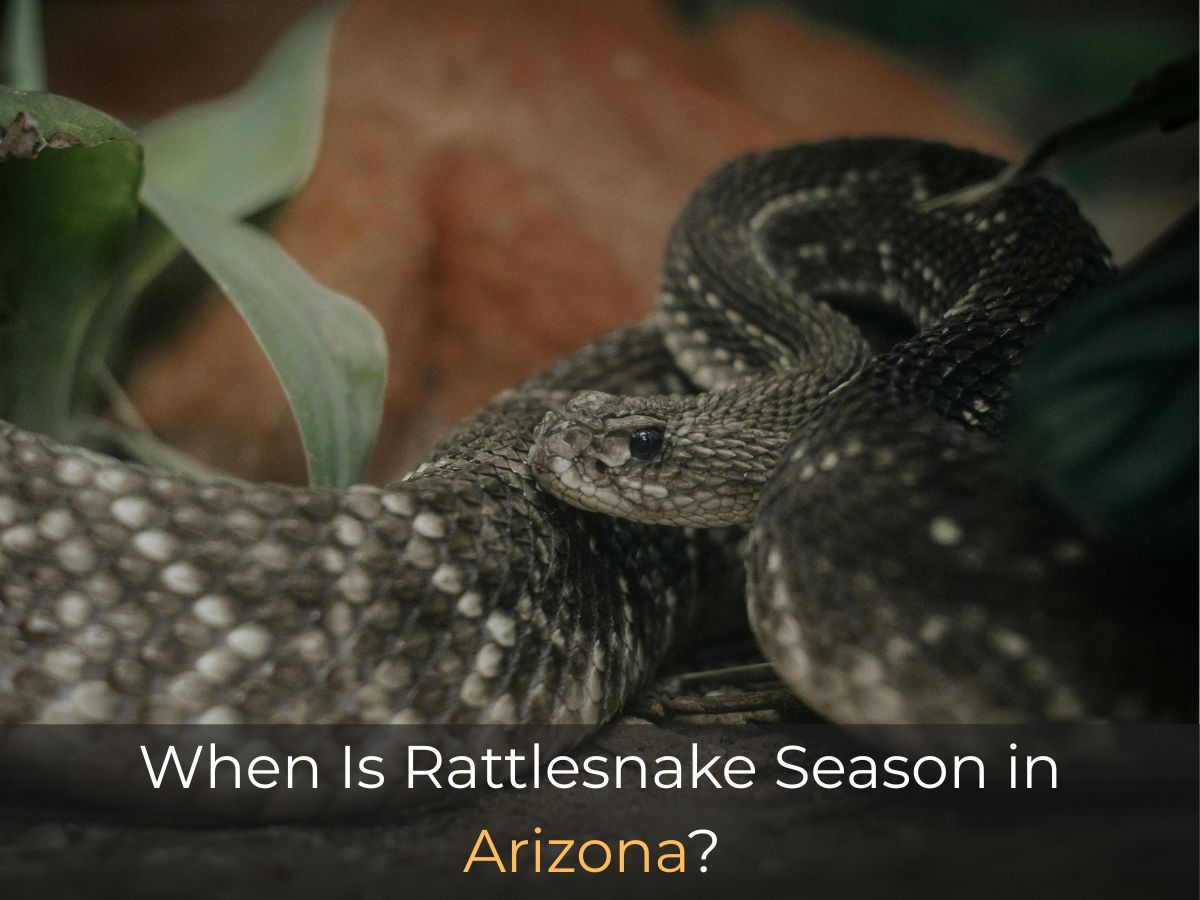
If you live in Arizona, hike regularly, own pets, or simply spend time outdoors, one of the most practical questions you can ask is: when is rattlesnake season in Arizona?
This is not just a curiosity-based question. It directly affects how safely you move around your yard, neighborhood, desert trails, and even local parks. The phrase rattlesnake season in Arizona is something many residents hear every spring, but very few people fully understand what it actually means.
The simple answer is that rattlesnake season in Arizona usually runs from March through October, though exact activity levels can vary depending on temperature, location, rainfall, and the time of day. In warmer years, snakes may appear even earlier, sometimes in late February, especially in low desert areas.
But that short answer only tells part of the story.
What really matters is understanding how rattlesnake activity changes month by month, why spring and summer behavior looks different, when bite risk tends to be highest, and what this means for your daily routine.
During the early months of the season, it also helps to know what time of day rattlesnakes are most active in Arizona, since spring sightings often happen during daylight hours.
What Does Rattlesnake Season in Arizona Actually Mean?
When people hear “rattlesnake season,” they often imagine a single dangerous period where snakes suddenly appear everywhere.
That’s not exactly how it works.
Rattlesnake season simply refers to the time of year when snakes become consistently active above ground and human encounters become more common.
During colder winter months, rattlesnakes spend much of their time sheltered in:
- rock crevices
- underground burrows
- shaded holes
- protected desert structures
Once temperatures rise, they begin emerging more frequently.
This is why Arizona wildlife agencies consistently identify March through October as the primary activity season.
The important thing to understand is that activity does not remain the same throughout this entire period.
March is very different from July.
Spring behavior is different from summer behavior.
That’s why a month-by-month guide is far more useful than a simple date range.
Rattlesnake Season in Arizona by Month
Let’s break this down in the most practical way.
March: The Start of Rattlesnake Season
March is usually when rattlesnake season begins in most Arizona desert regions.
As winter temperatures fade and daytime warmth increases, snakes begin emerging from their winter shelters.
This is especially common in:
- Phoenix metro desert edges
- Tucson area
- Mesa and Chandler outskirts
- Scottsdale hiking trails
- low desert neighborhoods
During this time, snakes are often seen during daylight hours because daytime temperatures are comfortable for movement.
This is why many people report their first snake sighting of the year in March.
April: One of the Highest Encounter Months
April is one of the most important months in rattlesnake season.
The weather is warm enough for consistent movement, but not yet too hot for daytime activity.
This means snakes are often active:
- in the morning
- late afternoon
- early evening
This is also when many people begin hiking more often, which increases encounters.
Historically, April is often associated with a rise in bite reports because both humans and snakes are highly active outdoors.
May: Activity Increases and Timing Shifts
By May, temperatures begin rising sharply.
This changes snake behavior.
Instead of remaining primarily active during the day, rattlesnakes begin shifting toward:
- early morning
- sunset
- nighttime
Arizona wildlife officials specifically note that by early May, snakes begin moving around more at night as daytime heat intensifies.
This is a very important seasonal shift.
June Through August: Peak Summer Snake Season
This is the true peak of rattlesnake season in Arizona.
Summer months bring intense desert heat.
Because daytime ground temperatures can become extreme, snakes adapt by becoming much more nocturnal.
This means they are more likely to be active:
- after sunset
- late evening
- nighttime
- early dawn
This is why summer evening walks, dog walks, and nighttime yard activity require extra awareness.
Arizona Game and Fish specifically advises carrying a flashlight at night during warmer months.
As temperatures rise, many snakes shift to nighttime movement. This is explained in detail in can you see rattlesnakes in the dark in Arizona, especially for evening walks and yard safety.
September: Still Active but Slightly Less Extreme
September remains part of rattlesnake season.
Although temperatures may begin dropping slightly, warm evenings still support movement.
Many residents mistakenly assume danger is over after summer, but snakes remain highly active.
This month often brings continued nighttime encounters.
Pet owners should also read are rattlesnakes dangerous for dogs in Arizona, since summer and spring are the most common months for pet encounters.
October: End of Main Season
October is generally considered the final full month of rattlesnake season.
Activity levels depend heavily on temperature.
Warm early October days may still bring frequent sightings.
Cooler late October weather gradually reduces movement.
Arizona agencies still include October in the official season range.
Do Rattlesnakes Come Out in Winter in Arizona?
Yes—but much less often.
This is where many people get confused.
Winter does not mean zero activity.
If Arizona experiences warmer winter days, some snakes may temporarily emerge.
This is especially true in:
- southern Arizona
- low desert zones
- urban heat pockets
So while November through February is lower risk, it is not impossible.
If you encounter one during peak season, understanding rattlesnake strike distance in Arizona can help you keep a safe distance.
Why Arizona Has Such a Long Rattlesnake Season
Arizona has one of the longest snake activity seasons in the United States.
There are several reasons.
1. Warm Climate
Arizona’s desert climate allows snakes to remain active for much longer periods than colder states.
2. Large Desert Habitat
Natural desert landscapes provide ideal shelter.
3. More Species Than Most States
Arizona is home to 13 rattlesnake species, more than any other U.S. state.
This naturally increases encounter potential.
How Monsoon Season Affects Snake Activity
This section is very important for SEO and helpfulness.
During monsoon season, snake sightings often increase.
Why?
Because rain affects:
- prey movement
- rodent activity
- shelter availability
- humidity levels
After rainfall, rodents and frogs become more active, which can attract snakes.
This makes post-rain evenings especially important.
Snakes are more likely to appear near homes when food and shelter are available. This guide on why snakes come near houses in Arizona explains the common reasons.
Best Time of Day During Snake Season
This depends on the month.
Spring
Mostly daytime
Summer
Mostly nighttime
Fall
Mixed activity
This seasonal timing shift is one of the most important things to explain to readers.
Are Homes at Higher Risk During Snake Season?
Yes, especially homes near desert edges.
Snakes may enter yards looking for:
- rodents
- shade
- water
- cool surfaces
This is why keeping yards clean is essential during season peaks.
How to Stay Safe During Rattlesnake Season in Arizona
This section should be practical.
Use a Flashlight at Night
Especially summer evenings
Watch Where You Step
Important on trails and yards
Keep Pets Leashed
Very important for dog owners
Avoid Tall Debris
Rock piles, brush, stored wood
Safety Tips During Snake Season Arizona
Understanding snake season is only useful if you know how to act.
When hiking:
- Stay on marked trails
- Watch where you step and place your hands
- Wear boots and long pants
- Avoid tall grass and rocky hiding spots
Around your home:
- Keep yard clean and clutter-free
- Remove rodent attractants
- Seal holes and gaps
- Trim bushes and grass
At night:
- Always carry a flashlight
- Be careful around warm surfaces
- Watch for movement on paths
How Weather Changes Rattlesnake Activity Throughout the Season
One of the biggest reasons rattlesnake season in Arizona does not look the same every year is weather. Many people think the season always starts and ends on fixed dates, but in reality, temperature plays a much bigger role than the calendar itself.
For example, if Arizona experiences an early warm spell in late February or early March, snakes may begin emerging sooner than expected. On the other hand, if spring temperatures remain cooler for longer, activity may begin later.
This is why some residents report seeing rattlesnakes earlier than others, even within the same city. Homes closer to desert edges or rocky areas may notice activity first because those locations warm up quickly during the day.
Rainfall also affects seasonal behavior. After rain, prey animals such as rodents, lizards, and frogs may become more active, which can encourage snakes to move more frequently.
This means rattlesnake season is not just about months—it is closely connected to real-time weather patterns.
If you’re wondering why summer sightings happen mostly after sunset, check are rattlesnakes active at night in Arizona for a detailed explanation.
Why Spring Encounters Are Different From Summer Encounters
Spring and summer rattlesnake encounters often happen in very different ways.
During spring, temperatures are warm but still comfortable, so snakes are often active during daylight hours. This is when hikers, homeowners, and people spending time outdoors are more likely to see snakes in clear daylight.
These encounters usually happen on:
- trails
- sidewalks near desert edges
- yards and gardens
- sunny rock areas
By contrast, summer encounters are much more likely to happen after sunset.
This shift happens because daytime desert heat becomes too intense. To avoid overheating, snakes move later in the evening or during the night.
This is why summer dog walks, nighttime patio use, and walking barefoot outside become more important safety concerns.
Understanding this seasonal difference helps readers change their habits depending on the time of year.
Which Arizona Cities See More Rattlesnake Activity During the Season
Not all parts of Arizona experience rattlesnake season in the same way.
Areas close to natural desert habitats often see more activity.
Common places include:
- Phoenix outskirts
- Scottsdale desert neighborhoods
- Tucson foothill areas
- Mesa and Chandler edges
- communities near hiking trails
Homes built near natural washes, rocky landscapes, or undeveloped desert land often experience more sightings.
According to the Arizona Game and Fish Department, Arizona Game and Fish Department, rattlesnakes in warm desert areas are most active from March through October, with activity shifting more toward nighttime as temperatures rise.
How Long Does Rattlesnake Season Last in Arizona
Many readers want a direct time frame.
A practical way to explain it is this:
Rattlesnake season in Arizona generally lasts around 7 to 8 months, usually from March until October.
However, the “high activity” period is often about 4 to 5 months, especially from April through August.
This is when both temperatures and outdoor human activity are high.
Why More People Notice Snakes During Hiking Season
Snake season and hiking season often overlap.
This is one reason why spring and early summer bring more encounters.
During cooler winter months, fewer people spend long hours on desert trails. But once spring arrives, hiking becomes more common.
That naturally increases sightings.
The important point here is that snake populations do not suddenly increase—human outdoor activity increases.
This creates the impression that there are “more snakes,” when in reality, there are simply more opportunities for encounters.
Do Pets Face Higher Risk During Peak Rattlesnake Season
This is an excellent expansion section because pet owners search this a lot.
Dogs are especially at higher risk during peak season because they are naturally curious and tend to investigate movement, smells, and shaded areas.
Common danger spots include:
- bushes
- rock piles
- fence corners
- warm concrete after sunset
During summer, evening dog walks become one of the most common times for accidental encounters.
What Time of Day Changes as the Season Progresses
This is one of the most important behavior sections.
In early spring, snakes are often active:
- morning
- midday
- late afternoon
By mid-summer, the pattern changes:
- sunset
- nighttime
- early dawn
Why People Often See More Snakes After Sunset in Summer
After sunset, the ground remains warm.
Snakes use this warmth to regulate body temperature while avoiding direct sunlight.
This is why driveways, sidewalks, and patios can become common sighting areas.
How to Prepare Your Yard Before Peak Rattlesnake Season
Before the peak months of rattlesnake season in Arizona begin, preparing your yard can significantly reduce the chances of an unwanted snake encounter. Many rattlesnakes are drawn closer to homes because yards often provide shade, shelter, and easy access to prey such as rodents and lizards.
Start by removing any piles of debris, loose stones, firewood stacks, or overgrown bushes where snakes may hide during the day. These dark and cool spaces create ideal resting spots, especially during the hotter months.
Keeping your grass trimmed and your landscaping neat also helps improve visibility. A clean, open yard makes it much easier to spot movement and reduces the number of hiding places.
Another important step is checking for small openings near walls, gates, storage sheds, or fencing. Snakes can move through surprisingly narrow spaces, so sealing gaps where possible is a smart preventive measure.
Because rodents attract snakes, keeping pet food indoors and reducing food sources around the property can also help lower risk.
A well-maintained yard does not guarantee snakes will never appear, but it can greatly reduce the likelihood during peak season.
Why Understanding the Season Reduces Fear
A strong emotional section helps increase time on page.
When people understand:
- which months are active
- what time of day risk is higher
- where snakes are usually seen
they feel less anxious and more prepared.
How to Avoid Snake Encounters (Real Advice)
Let’s be practical – most people don’t want theory, they want results.
Simple habits that work:
- Don’t walk barefoot outside at night
- Don’t flip rocks casually while hiking
- Don’t try to “identify closely”
- Give snakes space (6–10 feet minimum)
Snakes don’t chase humans – they defend themselves.
Final Thoughts
So, when is rattlesnake season in Arizona?
The most accurate answer is:
March through October
But the real value is understanding that:
- spring = more daytime movement
- summer = more nighttime activity
- fall = gradual decline
FAQ
What month does rattlesnake season start in Arizona?
Usually March.
When is peak season?
April through August.
Are snakes active in summer?
Yes, mostly at night.
Do they come out in winter?
Sometimes on warm days.
Is October still rattlesnake season?
Yes.

Ravi Rathore is a field snake researcher and Arizona wildlife enthusiast who studies snake behavior, identification, and desert ecosystems. He focuses on helping hikers, homeowners, and outdoor explorers understand the difference between venomous and non-venomous snakes in Arizona. Through detailed guides and safety resources, he shares practical knowledge to help people stay safe while respecting native wildlife.