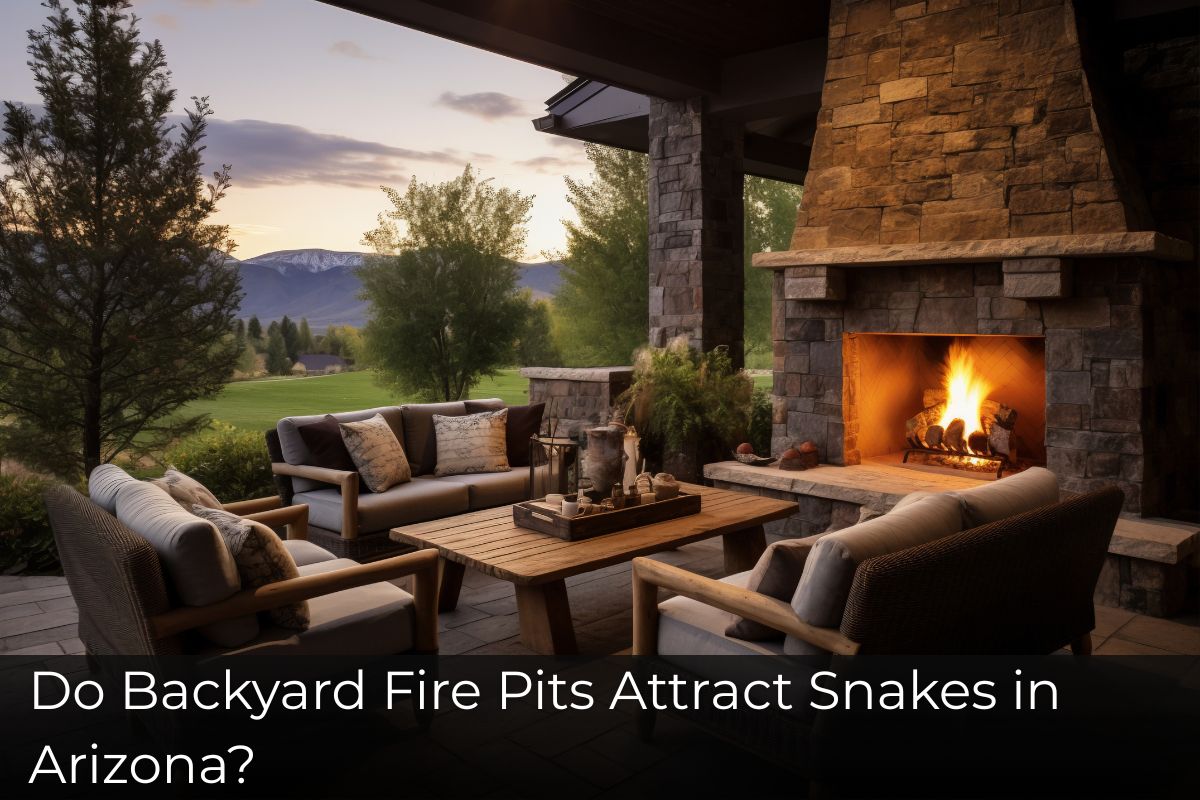
Do Backyard Fire Pits Attract Snakes in Arizona?

Do Backyard Fire Pits Attract Snakes in Arizona? Causes, Risks & Prevention

Backyard fire pits have become a popular feature in Arizona homes, providing a comfortable place to gather during cool desert evenings. If you’ve ever wondered, do backyard fire pits attract snakes in Arizona, the short answer is no – not by themselves. Snakes aren’t attracted to fire pits because of the flames or smoke. Instead, they may be drawn to the conditions that often exist around fire pits, such as stacked firewood, nearby shrubs, decorative rocks, or rodents looking for food.

Arizona is home to dozens of snake species, most of which are non-venomous and prefer avoiding people. However, if your backyard offers shelter, shade, and a steady food supply, it can occasionally become an attractive stop for snakes moving through the area.

Understanding what attracts snakes around outdoor living spaces can help you enjoy your fire pit while reducing the chances of an unexpected encounter.

Not every snake found near a backyard fire pit is dangerous. Our Arizona Snake Identification Guide can help you identify common species found across the state and understand which ones are venomous or harmless.

Do Fire Pits Increase the Chances of Seeing Snakes?

A backyard fire pit does not naturally attract snakes.

Unlike insects that may be drawn to light or warmth, snakes rely on shelter, food, and suitable temperatures rather than open flames. During an active fire, snakes are actually more likely to stay away because of the heat, movement, and noise created by people.

The concern begins after the fire is out.

Stone fire pits, nearby landscaping, wood piles, and outdoor furniture can create cool hiding places during the day or protected hunting areas at night. If rodents, lizards, or frogs are also present, snakes may occasionally visit while searching for prey.

In other words, it’s the environment around the fire pit—not the fire pit itself—that may attract snakes.

Many Arizona snakes become more active during the evening, especially in the summer. Our guide on What Time of Day Are Snakes Most Active in Arizona? explains when you’re most likely to encounter them outdoors.

Why Snakes May Be Found Around Fire Pits

Several common backyard features can make the area around a fire pit more appealing to snakes.

Firewood Piles Provide Shelter

One of the biggest reasons snakes appear near backyard fire pits is stacked firewood.

Wood piles create dark, protected spaces where snakes can rest during the hottest part of the day. These piles also attract mice and other small animals looking for cover, providing an additional food source for hungry snakes.

Keeping large stacks of firewood directly beside the fire pit increases the likelihood of wildlife using the area.

Instead, store firewood neatly off the ground and as far from seating areas as practical.

Decorative Rocks Retain Heat

Many Arizona homeowners build fire pits using natural stone.

After sunset, rocks often remain warm longer than the surrounding ground. During cooler evenings in spring or fall, some reptiles may briefly use these warmer surfaces while moving through the area.

This doesn’t mean snakes gather around fire pits every night, but warm stone can become one of several features that make the location attractive.

Rodents Looking for Food

Outdoor entertaining sometimes leaves behind food crumbs or spilled pet food.

These food sources attract rodents, especially mice and pack rats.

Snakes follow food, not people. If rodents regularly visit your patio or fire pit area, snakes may eventually investigate the same location.

Keeping outdoor areas clean after gatherings can significantly reduce this attraction.

Dense Landscaping Nearby

Fire pits are often surrounded by attractive landscaping.

Bushes, ornamental grasses, ground cover, and dense shrubs provide shade and hiding places that many snake species appreciate during Arizona’s hot summers.

Maintaining trimmed vegetation around patios and seating areas improves visibility and reduces available shelter.

Water Sources

Some outdoor living spaces include fountains, bird baths, or irrigation systems.

Fresh water attracts birds, insects, rodents, and lizards.

These animals may become food for snakes, making the surrounding area more active with wildlife.

Repairing leaking irrigation systems and avoiding standing water can help reduce unnecessary wildlife activity.

Although most backyard snakes are non-venomous, it’s important to recognize Arizona’s venomous species. Read our Venomous Snakes in Arizona guide to learn how to identify them and stay safe.

Many snakes seen around homes help control rodent populations naturally. Our Non-Venomous Snakes in Arizona guide explains which harmless species you may encounter in your backyard.

Common Arizona Snakes You Might See Near Fire Pits

Several native snake species may occasionally pass through residential yards.

Most are simply searching for food or shelter and have no interest in people.

Gopher Snake

The gopher snake is one of the most common non-venomous snakes found in Arizona neighborhoods.

Because it feeds heavily on rodents, it’s often seen near wood piles, sheds, garages, and landscaped yards.

Many homeowners mistake it for a rattlesnake because of its markings and defensive behavior.

Kingsnake

Kingsnakes are beneficial visitors because they feed on rodents and even other snakes.

Although many people are surprised to see one in their yard, kingsnakes generally help keep small animal populations under control.

Coachwhip

Coachwhips are fast, active snakes that hunt during the day.

They feed on lizards, rodents, birds, and even smaller snakes.

A coachwhip passing through your backyard usually won’t remain in one place for long.

Western Diamondback Rattlesnake

The Western Diamondback Rattlesnake occasionally enters residential neighborhoods that border natural desert habitat.

If your property has abundant cover, rock piles, or rodent activity, a rattlesnake may pass through while hunting.

The safest response is to remain calm, keep your distance, and never attempt to move or handle the snake.

The Arizona Game and Fish Department recommends giving native snakes plenty of space and allowing them an escape route whenever possible.

Glossy Snake

Glossy snakes are non-venomous and most active during warm evenings.

They often feed on small rodents and lizards, making suburban yards an occasional hunting location.

Because they spend much of their time hidden, many homeowners never realize one has visited.

Bird feeders can attract rodents and other small animals that snakes hunt. Find out Why Are Snakes Found Around Bird Feeders in Arizona? and learn simple ways to reduce wildlife activity around your home.

Are Fire Pits More Likely to Attract Snakes at Night?

Arizona snakes become more active during warm evenings, especially in summer when daytime temperatures become extreme.

This sometimes leads homeowners to believe the fire pit itself is attracting snakes.

In reality, snakes are simply following their normal activity patterns.

As temperatures cool after sunset, many snake species begin searching for food or moving between shelter locations.

If your backyard already provides favorable habitat, nighttime activity around the fire pit area may increase simply because that’s when snakes are naturally active.

Signs That Snakes May Be Visiting Your Backyard

Most snakes avoid people, making direct sightings relatively uncommon.

Instead, homeowners often notice indirect signs.

These may include:

  • Shed snake skin
  • Tracks in dusty soil
  • Rodent burrows becoming active
  • Frequent sightings of mice
  • Snake droppings
  • Pets showing unusual interest around wood piles or shrubs

Finding one of these signs doesn’t necessarily mean snakes are living in your yard.

It simply suggests wildlife is using the area and deserves closer attention.

Outdoor trash cans can also attract rodents, which may draw snakes into residential areas. Read Why Are Snakes Found Near Trash Cans in Arizona? for practical prevention tips.

Does Outdoor Lighting Affect Snake Activity?

Outdoor lights don’t attract snakes directly.

However, lighting can attract insects.

Those insects attract lizards and frogs, which may then attract certain snake species.

Keeping lighting focused on seating areas rather than illuminating dense landscaping can help reduce unnecessary wildlife activity.

Motion-activated lights also make it easier to notice wildlife moving through your yard after dark.

The National Park Service recommends staying aware of your surroundings when outdoors at night, especially in areas where wildlife is naturally active.

How to Make Your Fire Pit Area Less Attractive to Snakes

You don’t have to remove your backyard fire pit to reduce the chances of seeing snakes. Most snake encounters can be prevented by making the surrounding area less appealing to the animals they hunt.

A few simple maintenance habits can make a noticeable difference throughout the year.

Store Firewood Away From Seating Areas

Firewood is one of the most common hiding places for snakes.

Instead of stacking logs beside your fire pit, store them on a raised rack in a dry location away from patios, decks, and outdoor seating areas. Elevating the wood also discourages rodents from nesting underneath.

Before carrying firewood to your fire pit, inspect each piece carefully for hidden wildlife.

Keep the Area Free of Food Scraps

Backyard gatherings often leave behind crumbs, dropped marshmallows, pet treats, or other food waste.

These leftovers attract rodents, which are one of the primary food sources for many Arizona snakes.

Cleaning your patio after each gathering helps reduce rodent activity and makes the area less attractive to predators.

Trim Landscaping Around the Fire Pit

Dense vegetation provides excellent cover for snakes moving through residential yards.

Trim shrubs regularly, remove dead branches, and avoid allowing ornamental grasses to grow into thick clumps near your seating area.

Keeping several feet of open ground around the fire pit improves visibility and reduces potential hiding places.

Reduce Rodent Activity

If rodents are visiting your yard regularly, snakes may eventually follow.

Seal gaps around sheds and garages, secure garbage containers, remove fallen fruit from trees, and store bird seed or pet food in sealed containers.

Addressing rodent activity is often the most effective long-term way to discourage snakes.

Inspect the Area Before Lighting a Fire

Before starting your fire pit, take a quick walk around the area.

Look beneath chairs, around decorative rocks, inside nearby shrubs, and beside stacked firewood.

A brief inspection only takes a minute and helps you notice wildlife before family members or pets accidentally disturb it.

Some snakes look for cool, protected places during hot weather. Our article on Can Snakes Live Under Mobile Homes in Arizona? explains why this happens and how homeowners can reduce the risk.

Fire Pit Safety Tips in Snake Country

Enjoying an evening around the fire pit doesn’t have to increase your risk of encountering snakes.

Simple precautions can help make outdoor gatherings safer.

  • Wear closed-toe shoes when walking around the yard after dark.
  • Use a flashlight when checking around the fire pit at night.
  • Keep children on designated walkways instead of allowing them to explore nearby landscaping.
  • Supervise pets, especially curious dogs that may investigate shrubs or rock piles.
  • Avoid reaching into wood piles or decorative rocks without first checking the area.

These habits become especially important during the warmer months when many Arizona snakes are most active after sunset.

If you encounter a rattlesnake in your backyard, keep a safe distance and allow it to move away if possible. The Arizona Game and Fish Department also advises against handling or harassing native snakes and provides guidance on living safely alongside Arizona wildlife.

Common Mistakes That Can Encourage Snake Activity

Many homeowners unknowingly create conditions that make their yards more inviting to wildlife.

Avoid these common mistakes.

Storing Firewood Against the House

Wood stacked against exterior walls creates shelter for rodents, insects, and occasionally snakes.

Move firewood to a dedicated storage area whenever possible.

Letting Shrubs Become Overgrown

Large shrubs may look attractive, but they can hide wildlife from view.

Regular trimming improves visibility while maintaining a healthy landscape.

Leaving Pet Food Outside Overnight

Outdoor pet food attracts rodents and other small animals.

Feed pets indoors or remove bowls immediately after feeding.

Ignoring Rodent Problems

If you frequently see mice around your property, solving that problem should be a priority.

A reliable food source is one of the main reasons snakes visit residential yards.

If you live in the Valley, our Snakes in Phoenix Arizona guide covers the species most commonly found in residential neighborhoods, parks, and nearby desert preserves.

When Should You Call a Wildlife Professional?

Most snakes that enter residential yards leave on their own.

However, there are situations where professional assistance may be appropriate.

Consider contacting a licensed wildlife removal professional if:

  • A venomous snake remains in your yard.
  • A snake enters your garage or home.
  • The snake cannot safely leave because it’s trapped.
  • You continue seeing snakes in the same location despite removing attractants.
  • You aren’t able to identify the species from a safe distance.

Never attempt to capture or kill a snake yourself. Keeping a safe distance is always the best approach.

Southern Arizona provides ideal habitat for many native snakes. Explore our Snakes in Tucson, Arizona guide to learn what homeowners and hikers should know.

Final Thoughts

If you’ve been asking do backyard fire pits attract snakes in Arizona, the answer is generally no. Fire pits themselves don’t attract snakes, but the surrounding environment sometimes does.

Firewood piles, decorative rocks, dense landscaping, and rodent activity can all create conditions that make your backyard more appealing to wildlife. Fortunately, simple maintenance practices such as storing firewood properly, trimming vegetation, cleaning outdoor gathering areas, and reducing rodent activity can greatly lower the chances of seeing snakes near your fire pit.

Most Arizona snakes are simply passing through while searching for food or shelter. Understanding their behavior allows you to enjoy your outdoor living space with greater confidence while respecting the important role snakes play in the local ecosystem.

Frequently Asked Questions

Do fire pits attract rattlesnakes?

No. Rattlesnakes are not attracted to fire pits themselves. They may occasionally visit nearby areas if they provide shelter, shade, or prey such as rodents.

Can snakes hide inside stacked firewood?

Yes. Firewood piles provide cool, protected spaces where snakes may temporarily rest or hunt for rodents.

Should I remove my fire pit if I see a snake?

No. A fire pit is rarely the reason a snake entered your yard. Focus on removing attractants such as rodent food sources and clutter instead.

Are snakes more active around fire pits at night?

Snakes are naturally more active during warm evenings in Arizona. Their nighttime activity is related to cooler temperatures, not the fire pit itself.

How can I keep snakes away from my backyard?

Keep landscaping trimmed, clean up food scraps, reduce rodent activity, store firewood properly, and inspect outdoor areas before spending time outside.

Is it safe to use a fire pit if snakes live nearby?

Yes, provided you check the area before use and avoid disturbing wildlife. Most snakes will leave the area when people are present.

ravi rathore authore box pic
Website |  + posts

Ravi Rathore is a field snake researcher and Arizona wildlife enthusiast who studies snake behavior, identification, and desert ecosystems. He focuses on helping hikers, homeowners, and outdoor explorers understand the difference between venomous and non-venomous snakes in Arizona. Through detailed guides and safety resources, he shares practical knowledge to help people stay safe while respecting native wildlife.

Leave a Comment