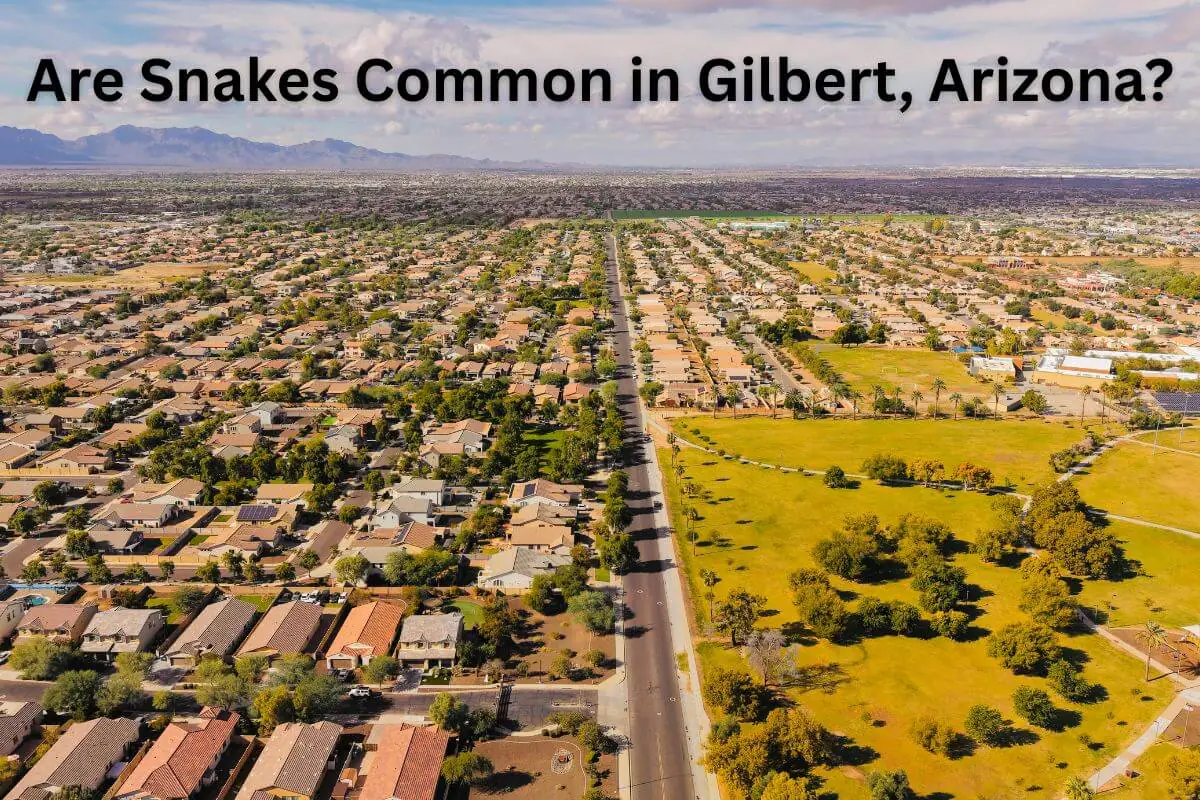
If you’ve recently moved to the East Valley or you’ve seen something slither near your backyard wall, you may be asking a very practical question: are snakes common in Gilbert, Arizona?
The short answer is yes snakes are fairly common in Gilbert, Arizona, especially in neighborhoods close to open desert land, canal trails, landscaped communities, and areas with rock yards. Gilbert sits within the Sonoran Desert region, and while it feels suburban and family-friendly, wildlife is still a natural part of the environment. As development expands into former desert habitat, it becomes more normal for residents to occasionally see snakes near homes, garages, backyards, and walking paths. Arizona’s warm climate and long active season for snakes make sightings more likely from spring through fall.
The good news is that most snake encounters in Gilbert are manageable and many species are harmless. Still, understanding where they are usually found and how to reduce the risk around your home can make a huge difference.
Snake activity in Gilbert usually rises from spring through fall, which follows the wider rattlesnake season in Arizona pattern seen across the state.
Why Snakes Are Common in Gilbert, Arizona
One reason snakes are common in Gilbert is location.
Gilbert is part of the greater Phoenix metro area, which sits in prime desert habitat known for snake activity. Experts consistently identify the Phoenix-area desert fringe as one of Arizona’s main snake zones because suburban growth overlaps with natural habitat.
As neighborhoods expand toward the edges of open land, canals, desert washes, and preserved green spaces, snakes naturally remain part of the ecosystem.
This is especially true in areas with:
- rock landscaping
- block walls
- decorative shrubs
- community lakes and canals
- open lots
Snakes are not “coming into the city” in the way many people imagine.
Rather, the city has expanded into places where snakes have long existed.
That’s why it’s normal for Gilbert homeowners to occasionally see one near:
- backyard walls
- side yards
- garages
- pool equipment
- walking paths
The climate also plays a major role.
Because Gilbert remains warm for much of the year, snakes can stay active for extended periods, often from March through October.
This longer activity window increases the chance of sightings compared with cooler regions.
Many Gilbert homeowners first notice snakes near pool pumps, stone borders, and shaded corners, similar to our guide on do snakes live near swimming pools in Arizona.
What Types of Snakes Are Most Common in Gilbert
Not every snake seen in Gilbert is dangerous.
In fact, many are harmless species.
The most commonly discussed venomous snake in the area is the Western Diamondback rattlesnake, which is one of the most widespread rattlesnakes in Arizona and especially common in central desert regions.
Other snakes residents may encounter include:
- gopher snakes
- kingsnakes
- coachwhip snakes
- night snakes
A gopher snake is often mistaken for a rattlesnake because of its pattern and defensive body posture.
This causes many unnecessary panic situations.
Kingsnakes are actually beneficial because they help control rodents and may even prey on other snakes.
Coachwhips are long, fast-moving snakes that can be startling to see, especially near pathways or yards, but they are not venomous.
This is why identification matters.
Many harmless snakes are killed or feared simply because people assume every snake is a rattlesnake.
Indoor sightings are less common than backyard encounters, but snakes may still enter through small openings, similar to what we explained in do snakes enter house in Arizona.
Where Snakes Are Most Often Seen in Gilbert
Snake sightings in Gilbert usually happen in predictable locations.
The most common places include:
- backyard block wall corners
- landscaped rock beds
- bushes and shrubs
- canal walking paths
- garage thresholds
- pool equipment areas
Homes near canal trails and open land often report more sightings.
Canal corridors provide:
- prey
- water access
- shade
- movement routes
These become natural travel corridors for wildlife.
Neighborhoods near the outskirts of Gilbert, especially toward Queen Creek, Mesa edges, and open desert-adjacent communities, may experience more frequent encounters.
This doesn’t mean central neighborhoods are immune.
Even established suburban communities with decorative stone landscaping can create ideal shelter.
Many residents in nearby Mesa also experience snake sightings during warmer months because suburban neighborhoods often border natural desert habitat. Homeowners interested in regional snake activity can also read about whether snakes are common in Mesa, Arizona and learn what attracts snakes to residential communities.
When Snakes Are Most Active in Gilbert
This is one of the most important things for homeowners.
In Gilbert, snakes are generally most active from spring through early fall.
Peak months are usually:
- March
- April
- May
- June
- July
- August
- September
During spring, snakes are often seen during daylight.
By summer, they shift more toward evening and nighttime movement because daytime surfaces become extremely hot.
This is why many residents notice snakes during:
- evening dog walks
- late-night trash runs
- early morning patio use
Nighttime sightings are especially common near walls and concrete areas that retain heat.
A clutter-free yard and sealed garage can greatly reduce sightings, as explained in how to keep snakes away in Arizona.
Do Snakes Come Into Backyards in Gilbert
Yes, this is common enough to be a major homeowner concern.
Backyards in Gilbert can attract snakes because they often provide shelter and food.
Common backyard attraction points include:
- pool pumps
- AC units
- decorative rocks
- bushes
- rodent activity
A backyard with mice, lizards, and shaded corners is naturally attractive.
The snake is usually following prey, not targeting people.
Snake encounters are not limited to Gilbert alone. Similar conditions exist in surrounding East Valley cities, especially during summer and monsoon season. This guide explains why snakes are commonly seen in Chandler, Arizona and what residents can do to reduce backyard sightings.
Do Snakes Come Into Houses in Gilbert
This happens less often than backyard sightings, but it does happen.
Most indoor entries occur through:
- garage gaps
- door sweeps
- sliding door spaces
- utility openings
Homes with worn garage seals or cluttered storage areas may be more likely to see this.
The garage is usually the first indoor location because it provides shade and quiet shelter.
How to Keep Snakes Away From Your Gilbert Home
This is where practical prevention matters.
The best approach is reducing what attracts them.
Keep Landscaping Trimmed
Dense bushes create cover.
Reduce Rodent Activity
This is one of the biggest reasons snakes remain near homes.
Seal Garage Gaps
Very important.
Check Around Pool Equipment
These areas are often overlooked.
Remove Yard Clutter
Wood piles, unused pots, and stacked materials create shelter.
Inspect AC Units
Snakes often rest near shaded slabs.
A clean, open yard greatly reduces risk.
Scottsdale neighborhoods near desert preserves and hiking areas frequently report rattlesnake activity, particularly during hot weather. Learn more about snake activity and rattlesnake encounters in Scottsdale, Arizona to better understand regional desert wildlife patterns.
What to Do If You See a Snake in Gilbert
Stay calm.
Do not approach.
Keep children and pets away.
Give the snake space to move away.
Most snakes prefer escape over confrontation.
If it remains near the home, contact local wildlife relocation professionals.
Are Snakes Dangerous in Gilbert
Some can be.
The main concern is rattlesnakes.
However, most snakes encountered are not aggressive.
They usually strike only when cornered, stepped on, or handled.
Awareness is more important than fear.
Are Snakes More Common in Certain Neighborhoods of Gilbert?
One thing many homeowners ask is whether snakes are equally common throughout Gilbert or if some areas see more sightings than others.
The answer is that some neighborhoods naturally have a higher chance of snake encounters.
Homes located closer to the edges of Gilbert, especially near open desert land, canal corridors, undeveloped lots, and new construction communities, tend to report more sightings.
This happens because these areas are closer to the snake’s natural habitat.
For example, neighborhoods near:
- canal walking trails
- open land toward Queen Creek
- outskirts near Mesa side
- communities with desert landscaping
may see more snake activity than central residential streets with dense urban development.
Many snakes use walls, block fences, and landscaped pathways as travel routes.
This is why residents often first notice them near side yards or backyard corners.
The important point is that snakes are not “choosing” certain homes.
They are usually moving through areas that already connect to natural habitat.
During summer, snakes are far more active after sunset, which matches the behavior explained in what time of day are rattlesnakes most active in Arizona.
Are Snakes Common Near Parks, Lakes, and Canal Paths in Gilbert?
Gilbert has many well-maintained community parks, green belts, and canal walking paths.
These areas often provide:
- water access
- shade
- rodent activity
- bird nesting areas
- lizard populations
All of these can attract snakes.
People walking dogs in the evening or early morning may be more likely to see a snake near these routes.
This is especially true during spring and summer.
Snakes often use canal edges and landscaped park boundaries as movement corridors.
This is why local residents sometimes report sightings near walking trails rather than directly at home.
Southern Arizona also has a high level of rattlesnake activity due to its desert climate and rocky terrain. Homeowners can explore why snakes are common in Tucson, Arizona along with seasonal safety tips and prevention advice for desert properties.
Why Snakes Are Often Seen Near Backyard Walls in Gilbert
Many Gilbert homes have block walls around the backyard.
These walls create excellent movement routes for snakes.
A snake may travel along the base of the wall because it offers:
- direction
- shade
- cooler surface
- protection
The corners where two walls meet are especially common hiding spots.
This is often where homeowners first notice a snake while watering plants or cleaning the patio.
According to the Arizona Game & Fish Department, rattlesnakes are commonly active from spring through early fall, with more nighttime movement during the hotter summer months.
Are Snakes More Active During Gilbert’s Summer Nights?
Yes, absolutely.
During summer, daytime temperatures in Gilbert can become extremely high.
Because of this, snakes often avoid daytime movement.
Instead, they become much more active after sunset.
This means residents are more likely to see snakes during:
- evening walks
- night-time pool use
- late-night yard checks
- early morning dog walks
This is one of the most important seasonal patterns to explain.
It also connects well with your existing article on nighttime activity.
Snake sightings are fairly common across Phoenix, especially in neighborhoods located near desert preserves, mountain trails, and open washes. Residents can also learn why snakes are common in Phoenix, Arizona and how homeowners reduce rattlesnake activity around their properties.
Do Snakes Hide Around Pool Equipment in Gilbert Homes?
This is a strong suburban-homeowner topic.
Pool equipment areas often create ideal shelter.
These spaces usually provide:
- shade
- cool concrete
- corners
- piping
- warmth at night
Snakes may hide behind:
- pool pumps
- filters
- heaters
- utility boxes
This is why homeowners should always check these spaces carefully before maintenance.
Are Snakes Dangerous for Pets in Gilbert?
Pet owners worry about dogs and cats.
Explain that dogs are more likely to approach or disturb a snake.
Backyard walls, bushes, and pool corners are common pet encounter zones.
What Time of Year Do Gilbert Residents Report the Most Sightings?
Explain that:
- spring = daylight sightings
- summer = night sightings
- monsoon = increased movement
- fall = moderate activity
Why New Construction Areas in Gilbert Often See More Snake Sightings
One of the most overlooked reasons snakes are common in Gilbert is the way the town has expanded over the years.
Gilbert has grown rapidly, with many newer residential communities being built on land that was previously open desert, farmland, or undeveloped lots. When homes, roads, and community parks are built in these areas, the natural habitat doesn’t simply disappear overnight. Wildlife that already lived there often remains in nearby washes, open plots, canal edges, and landscaping zones.
This means residents in newer communities may notice more snake sightings, especially during the first few years after development.
For example, if a neighborhood backs onto:
- an undeveloped lot
- a desert wash
- a retention basin
- a canal edge
- open agricultural land
the chances of seeing snakes naturally increase.
Many homeowners are surprised by this because the neighborhood itself feels modern and highly maintained.
However, from a wildlife perspective, the surrounding area may still function as a natural movement corridor.
This is why new construction communities in Gilbert can sometimes report more sightings than older, fully urbanized neighborhoods.
Peoria neighborhoods near desert foothills and undeveloped land often experience seasonal rattlesnake activity, particularly during warmer months. Homeowners can read about snake encounters and backyard rattlesnake safety in Peoria, Arizona to better understand local risks and prevention tips.
Why Snakes Are Common Near Desert Landscaping in Gilbert Homes
Desert landscaping is one of the most popular yard styles in Gilbert.
Many homes use:
- decorative rock
- gravel beds
- low shrubs
- cactus areas
- stone borders
While these yards are beautiful and low maintenance, they can also create ideal snake habitat.
Rock beds stay warm after sunset and often provide small spaces where snakes can rest during the day.
Bushes and ground plants create shade, while wall edges offer protection.
A snake moving through the neighborhood may naturally use these areas as temporary shelter.
This does not mean every desert-landscaped yard will attract snakes.
But compared with an open lawn, a rock yard offers more cover.
This is why homeowners should occasionally inspect areas around:
- stone borders
- shrub bases
- decorative rock piles
- patio corners
before watering or gardening.
Are Snakes Common Near Schools, Parks, and Walking Trails in Gilbert
Gilbert has many community spaces, including walking trails, green belts, and family parks.
These locations often connect to natural wildlife routes.
For example, canal-side paths and landscaped park edges can provide snakes with:
- shade
- prey
- cover
- movement pathways
Residents walking dogs or jogging early in the morning may be more likely to notice snakes here.
Even though these spaces are well-maintained, they still sit within a desert environment.
This is why local sightings often happen not just at home but also around:
- trail entrances
- park walls
- lake edges
- community green spaces
Why Snakes Are Sometimes Seen After Yard Watering
Many Gilbert homeowners water landscaping in the early morning or evening.
After watering, the yard becomes cooler and sometimes attracts insects, frogs, lizards, and small rodents.
This can indirectly increase snake activity.
Snakes are often drawn to places where prey animals are active.
For example, a damp shaded corner near bushes may become a good hunting area.
This is why some homeowners report sightings shortly after watering plants or checking the yard in the evening.
What Gilbert Homeowners Should Check Before Letting Pets Outside
Before letting dogs or cats into the backyard, homeowners should quickly inspect common hiding spots.
These include:
- block wall corners
- bushes
- pool equipment
- AC units
- patio furniture edges
Dogs are naturally curious and more likely to approach a snake.
This increases risk.
A short visual check before nighttime potty breaks can greatly reduce the chance of an unexpected encounter.
Why Are Snakes Common in Gilbert Arizona During Summer?
During summer, snakes become more active in Gilbert, Arizona because extreme desert heat forces them to search for cooler shelter, water sources, and food. Residential neighborhoods with shaded landscaping, irrigation systems, rock gardens, and rodent activity can unintentionally attract snakes looking to escape high daytime temperatures. Snake sightings also increase during warm evenings and nighttime hours when temperatures become safer for movement and hunting.
Common Times Gilbert Residents First Notice Snakes Around the Home
Many people imagine snake sightings happen randomly, but there are common times.
Residents often first notice snakes during:
- evening dog walks
- taking out trash
- checking pool equipment
- early morning gardening
- opening the garage
These moments often happen during lower light conditions, when snakes are more active in warm weather.
How to Make Your Gilbert Yard Less Attractive to Snakes
Instead of short bullets, explain in full paragraphs.
For example:
Keeping bushes trimmed allows better visibility and removes shaded hiding areas.
Removing rodent food sources such as spilled bird seed, pet food, or open trash bins reduces prey animals.
Checking block wall gaps and garage seals helps prevent entry
Why Snakes Are Common in Gilbert Neighborhoods
Gilbert’s rapid suburban growth has expanded into natural desert habitat where snakes have lived for generations. Many neighborhoods near washes, open desert areas, golf courses, and rocky landscaping naturally attract snakes searching for shelter, shade, and food sources. Rodents, birds, and irrigation systems in residential communities can unintentionally create ideal conditions for rattlesnakes and other desert snakes.
During Arizona summers, snakes may also move closer to homes because yards often provide cooler shaded areas compared to open desert terrain. This is especially common in neighborhoods with dense bushes, decorative rock landscaping, and outdoor pet food.
What Types of Snakes Live in Gilbert?
Several snake species can be found in and around Gilbert, Arizona. While many are harmless, residents are usually most concerned about rattlesnakes.
Common snakes seen in Gilbert include:
- Western Diamondback Rattlesnake
- Gopher Snake
- Kingsnake
- Coachwhip Snake
- Glossy Snake
Most snakes avoid human interaction and play an important role in controlling rodent populations. However, homeowners should still remain cautious around unidentified snakes, especially during warmer months.
Are Rattlesnakes Dangerous in Gilbert Backyards?
Rattlesnakes can be dangerous if they feel threatened or cornered, but they are generally defensive rather than aggressive. Most bites happen because someone accidentally steps near the snake or attempts to handle it.
Backyards with heavy landscaping, rodent activity, and shaded hiding spots are more likely to attract rattlesnakes. Pets and small children may be at greater risk because they often approach snakes out of curiosity.
Homeowners can lower the chances of encounters by keeping yards clean, sealing small gaps around structures, and reducing rodent activity around the property.
Best Times To Avoid Snake Encounters in Gilbert
In Gilbert, snake activity often increases during warm evenings, early mornings, and nighttime hours during summer. Daytime desert heat becomes too extreme for many snakes, causing them to become more active after sunset.
Residents should use extra caution:
- during nighttime walks
- after monsoon rainstorms
- while gardening near rocks or bushes
- around outdoor storage areas
Using a flashlight outdoors at night and staying on clear walking paths can greatly reduce the risk of accidental encounters.
Final Thoughts
So, are snakes common in Gilbert, Arizona?
Yes, especially in areas close to desert edges, canal routes, and rock-landscaped neighborhoods.
But with basic awareness and simple home maintenance, the risk of unwanted encounters can be significantly reduced.
FAQ
Are rattlesnakes common in Gilbert Arizona
Yes, especially near open desert-adjacent neighborhoods.
Do snakes come into backyards in Gilbert
Yes, especially where prey and shelter are available.
Are snakes active at night in Gilbert
Very much so during summer months.
Do snakes hide near pools
Yes, especially around pumps and shaded equipment.
What months are snakes most active
Usually March through October
Are snakes active at night in Gilbert, Arizona?
Yes, many snakes in Gilbert become more active at night during summer because cooler temperatures make movement and hunting easier.
Do rattlesnakes enter garages in Gilbert?
Yes, rattlesnakes sometimes enter garages while searching for shade, shelter, or rodents, especially during extreme heat.
What attracts snakes to Gilbert backyards?
Rodents, dense landscaping, standing water, pet food, and shaded hiding places can all attract snakes to residential yards.
Are snakes more common during monsoon season in Gilbert?
Yes, snake sightings often increase during Arizona monsoon season because rain and humidity affect prey movement and snake activity.
Can dogs get bitten by rattlesnakes in Gilbert?
Yes, dogs are vulnerable to rattlesnake bites, especially when exploring bushes, rocks, or desert trails near neighborhoods.
Should you kill a rattlesnake in your yard?
No, it is safer to keep your distance and contact local wildlife professionals or snake removal experts instead of attempting to kill the snake yourself.
What should I do if I see a snake near my home in Gilbert?
Stay calm, maintain distance, keep pets and children away, and allow the snake an escape route. Most snakes will leave on their own if not disturbed.
Ravi Rathore is a field snake researcher and Arizona wildlife enthusiast who studies snake behavior, identification, and desert ecosystems. He focuses on helping hikers, homeowners, and outdoor explorers understand the difference between venomous and non-venomous snakes in Arizona. Through detailed guides and safety resources, he shares practical knowledge to help people stay safe while respecting native wildlife.