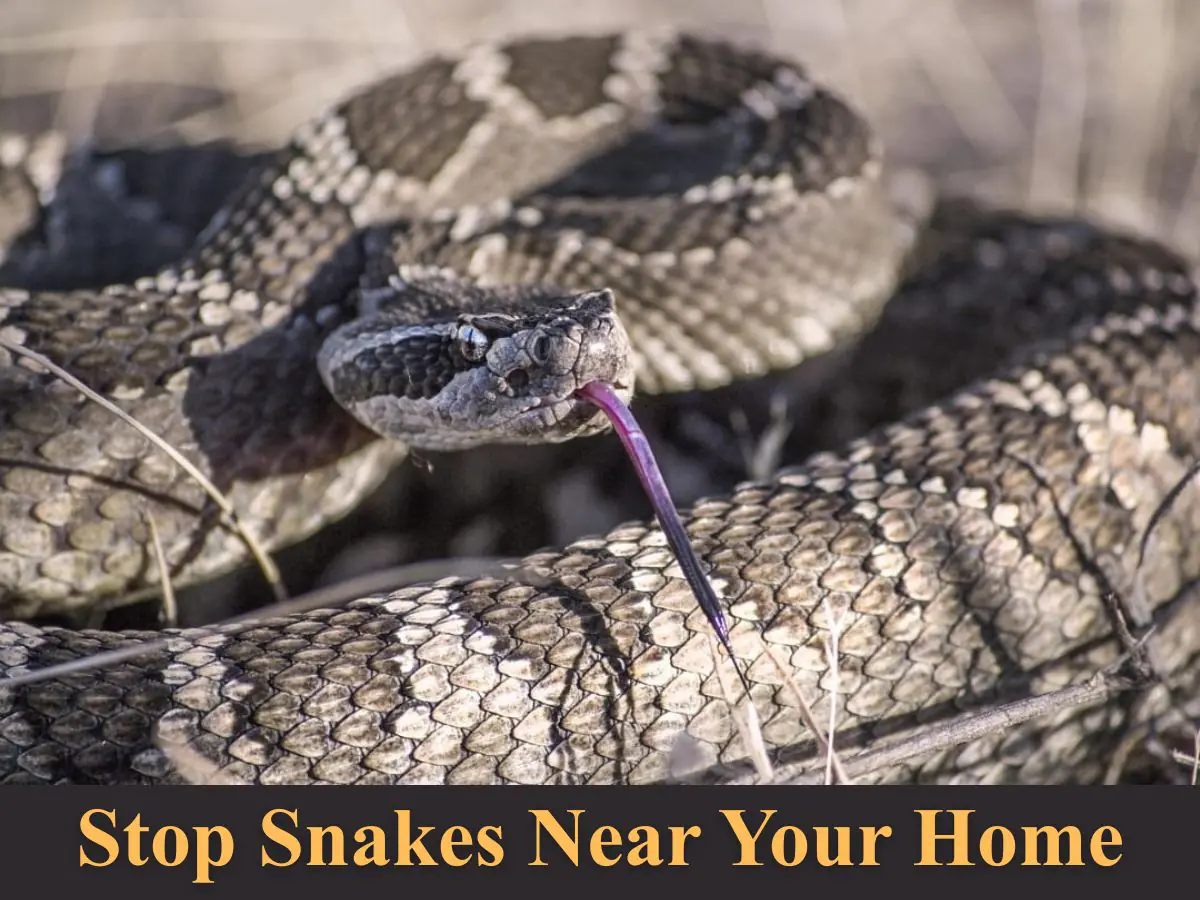
If you’re trying to keep snakes away Arizona, you’re not alone. Many homeowners in Arizona deal with snake activity, especially during warmer months when snakes search for food, water, and shelter near homes.
The good news? You don’t need extreme measures or expensive solutions. Most snake problems can be prevented with simple, smart changes around your home.
Let’s break it down in a practical, real-world way.
Why Snakes Come Near Your House in Arizona
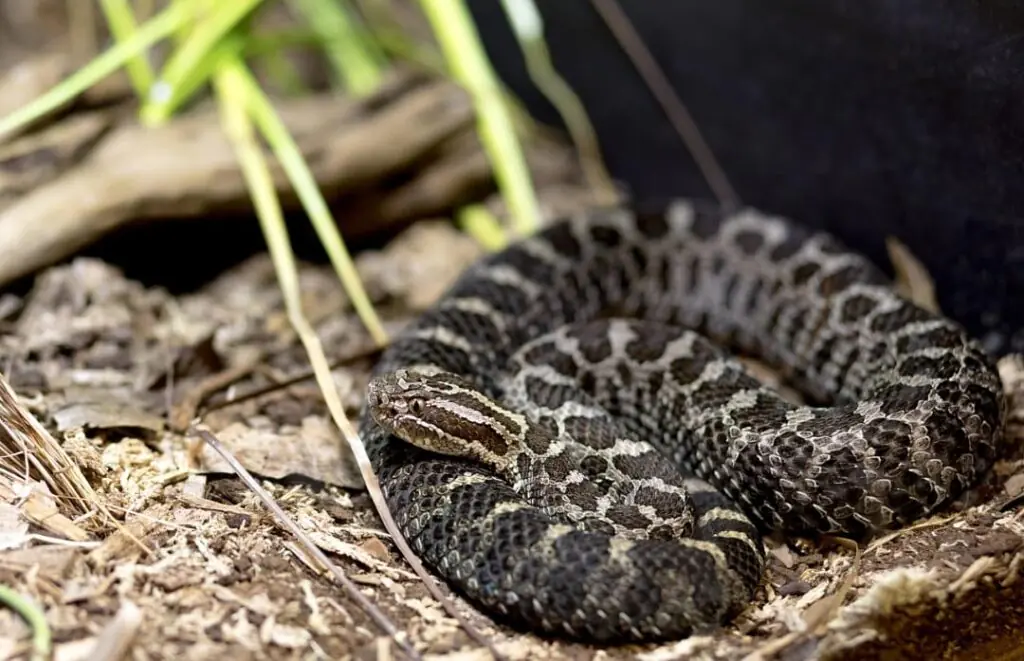
Before you can keep snakes away, you need to understand one thing:
Snakes don’t randomly show up—they’re attracted by something.
Here are the main reasons snakes come into residential areas:
1. Food (Rodents Are the #1 Reason)
If your yard has:
- Mice
- Rats
- Small birds
Snakes will follow.
Snakes aren’t interested in your house—they’re interested in what your yard offers.
2. Water Sources
Even in dry Arizona, small water sources attract wildlife:
- Pet water bowls
- Leaky hoses
- Bird baths
These indirectly attract snakes.
3. Shade and Shelter
Arizona heat is intense. Snakes look for cool hiding spots like:
- Wood piles
- Rocks
- Dense bushes
- Debris
4. Easy Entry Points
Small gaps around your home can act like an open door:
- Cracks in walls
- Gaps under doors
- Open vents
Step-by-Step: How to Keep Snakes Away From Your House
Now let’s get into what actually works.
1. Eliminate Rodents First (Most Important Step)
If you do only ONE thing—do this.
Because:
No food = no snakes
How to reduce rodents:
- Keep trash bins sealed
- Clean up pet food
- Remove bird seed from ground
- Seal holes around home
2. Clean and Declutter Your Yard
Snakes love messy yards. Clean yards = fewer hiding spots.
What to remove:
- Wood piles
- Rock piles
- Leaf clutter
- Overgrown plants
Think of your yard like this:
If it looks like a good hiding place—it probably is.
3. Keep Grass Short and Trimmed
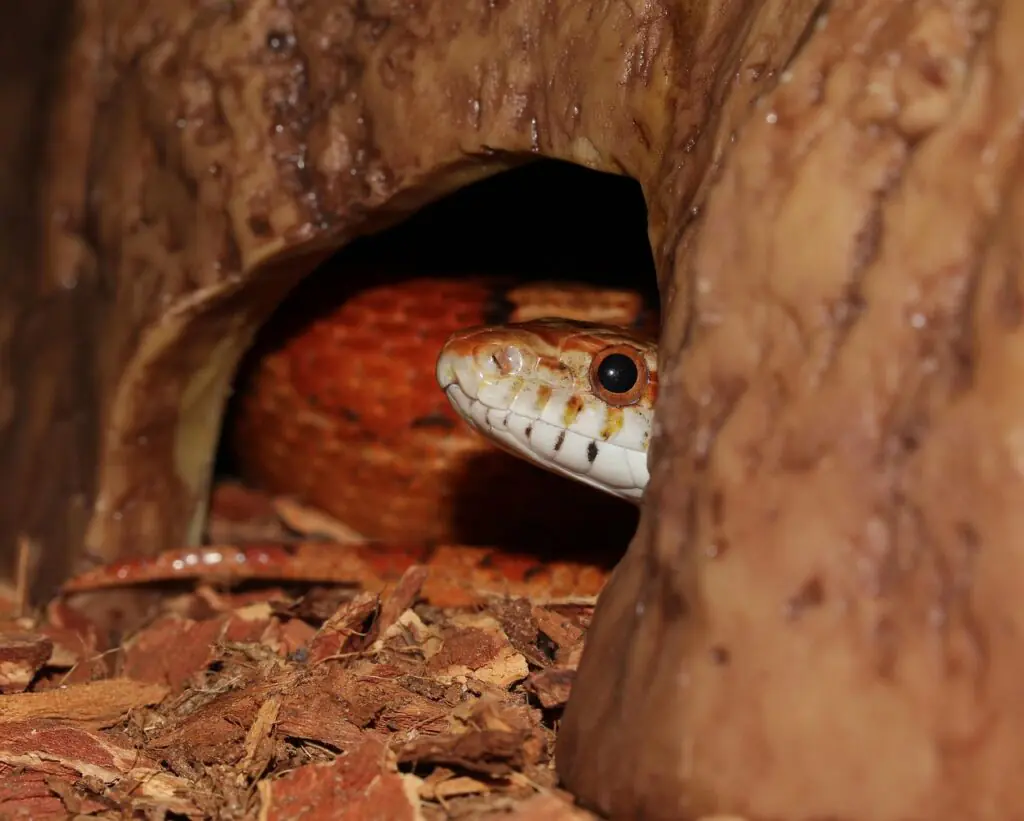
Tall grass = perfect snake cover.
Best practice:
- Keep grass under 2–3 inches
- Trim bushes regularly
- Clear edges along walls
4. Remove Water Sources
You don’t need to eliminate water completely—just control it.
Tips:
- Don’t leave water overnight
- Fix leaks quickly
- Empty standing water
5. Seal Your Home Properly
Snakes can enter through surprisingly small gaps.
Check for:
- Gaps under doors
- Open vents
- Cracks in foundation
Fix:
- Use weather stripping
- Install door sweeps
- Seal cracks
6. Install Snake Fencing (Highly Effective)
This is one of the best long-term solutions.
What works:
- Fine mesh fencing
- Buried a few inches underground
- Angled outward
Especially useful in high snake areas.
7. Use Outdoor Lighting at Night
Snakes are often active at night.
Good lighting:
- Helps you spot movement
- Reduces surprise encounters
8. Be Careful with Landscaping Choices
Some landscaping styles attract more wildlife.
Avoid:
- Dense ground cover
- Heavy rock landscaping without maintenance
Choose:
- Open, clean designs
- Well-spaced plants
What NOT to Do (Common Mistakes)
A lot of advice online is outdated or just wrong.
Avoid these:
- Snake repellents (most don’t work)
- Ultrasonic devices
- Killing snakes (dangerous + often illegal in some cases)
- Pouring chemicals in yard
Focus on prevention—not gimmicks.
Signs You Might Have Snakes Nearby
You may not always see a snake—but there are signs:
- Shed snake skin
- Tracks in dirt
- Sudden drop in rodent activity
- Pet behavior changes
What to Do If You See a Snake
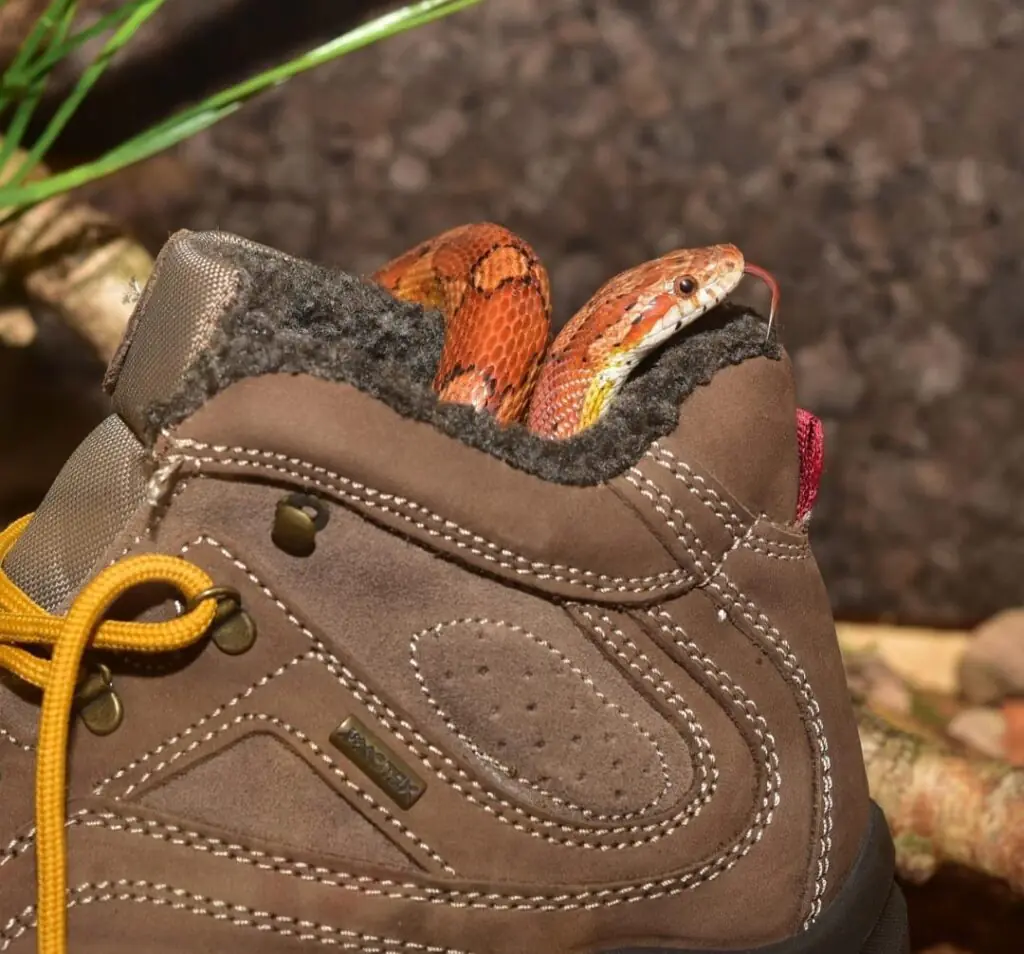
Stay calm—this is key.
Do this:
- Keep your distance
- Do NOT try to catch it
- Keep pets and kids away
- Call local wildlife control if needed
Snake-Proofing Your Yard: Quick Checklist
- Remove clutter
- Eliminate rodents
- Seal entry points
- Trim plants
- Reduce water sources
- Install fencing
Are Snakes Dangerous Around Homes?
Not all snakes are dangerous.
Arizona has many non-venomous species that are actually helpful because they control pests.
The key is identification and awareness, not panic and better understand which snakes you may encounter, read our Arizona Snake Identification Guide.
When Snake Activity Is Highest in Arizona
Snakes are most active:
- Spring (March–May)
- Summer nights
- Early mornings
During these times, be extra cautious.
Real Situations: Why Homeowners See Snakes
In many Arizona neighborhoods—especially around desert edges—snake encounters often happen in very predictable ways.
For example:
- A homeowner in Phoenix notices a snake near the garage during summer evenings
- A Tucson resident finds a snake hiding under patio furniture
- A family sees a rattlesnake near their AC unit where shade collects
Some species are more dangerous than others—learn more in our guide on Rattlesnakes in Arizona
These situations aren’t random.
Snakes are drawn to:
- Cool shaded areas during extreme heat
- Rodents hiding near structures
- Water from irrigation systems
Understanding this changes everything—you stop reacting and start preventing.
How Arizona’s Climate Increases Snake Activity
Arizona’s desert environment plays a huge role in snake behavior.
During peak summer:
- Ground temperatures become extremely hot
- Snakes avoid open areas during the day
- They become more active at night
This is why many homeowners report snake sightings:
- After sunset
- Early morning
- Near shaded structures
In spring, activity increases even more because:
- Snakes come out after winter
- Mating season begins
- Food sources increase
Hidden Entry Points Around Your Home
Most people think snakes only enter through obvious openings—but that’s not true.
Here are overlooked entry points:
Even a small gap can allow a snake inside.
This is why sealing your home is one of the most underrated prevention steps.
Keeping Kids and Pets Safe from Snakes
If you have children or pets, snake prevention becomes even more important.
Dogs are especially at risk because they:
- Chase movement
- Investigate unfamiliar animals
- Get too close too quickly
Safety tips:
- Keep dogs on leash during walks
- Avoid letting pets explore dense bushes
- Teach children to stay calm and step back
Many bites happen because of curiosity—not aggression.
If a bite ever happens, follow these steps in Snake Bite First Aid Arizona.
When to Call a Snake Removal Professional
Sometimes, prevention isn’t enough.
You should call a professional if:
- You see a snake repeatedly
- It’s near your home entrance
- You suspect a venomous species
Professional removal services:
- Handle snakes safely
- Relocate them properly
- Reduce risk of future encounters
Never try to remove a snake yourself.
For general safety and emergency advice related to animal encounters, you can also check resources from the Centers for Disease Control and Prevention.
Snake Prevention Myths vs Reality
Let’s clear up some common myths:
Myth: Snakes chase people
Reality: Snakes avoid humans unless threatened
Myth: Mothballs keep snakes away
Reality: No scientific proof
Myth: Killing one snake solves the problem
Reality: If conditions remain, others will come
Prevention always works better than reaction.
Living in Arizona means sharing space with wildlife, and snakes are part of that reality. If you’re trying to keep snakes away in Arizona, understanding why they come near homes is the first step to staying safe.
Why Snakes Come Near Homes
Snakes don’t randomly show up—they’re usually looking for food, water, or a cool place to hide. If your yard attracts rodents or has shaded spots, it can quickly become a perfect hiding place for them.
How to Keep Snakes Away (Main Steps)
The good news is that a few simple changes can make a big difference. Keeping your yard clean, removing clutter, and sealing entry points can drastically reduce the chances of snakes showing up.
Arizona Climate & Snake Behavior
Arizona’s hot climate plays a big role in snake activity. During extreme heat, snakes look for shade and cooler areas—often bringing them closer to homes, garages, and patios.
Real-Life Home Scenarios
In cities like Phoenix or Tucson, many homeowners report snakes hiding in garages, under patio furniture, or near pools. These real-life situations show how easily snakes can adapt to human environments.
Hidden Entry Points Around Home
Small gaps around doors, vents, or pipes can be enough for a snake to enter. Checking and sealing these hidden entry points is one of the most effective ways to keep your home protected.
Kids & Pets Safety Section
Children and pets are naturally curious, which can put them at risk. Teaching kids to stay alert and keeping pets supervised outdoors can prevent dangerous encounters.
What NOT to Do
Many people try quick fixes that actually make things worse. Avoid using harmful chemicals or trying to handle a snake yourself—these methods are unsafe and often ineffective.
When to Call Professionals
If you notice frequent snake activity or feel unsure, it’s best to call a professional. Experts know how to safely remove snakes and help prevent future problems.
Myths vs Reality
There are many myths about snakes that can lead to wrong decisions. Understanding what’s true and what’s not will help you stay calm and take the right actions when needed.
FAQ: Arizona Snake Prevention
Do snakes enter houses in Arizona?
Yes, but it’s rare. Usually happens when there are gaps or rodents inside.
What smell do snakes hate?
There’s no reliable scent that repels snakes consistently.
Does keeping lights on keep snakes away?
It helps visibility but doesn’t fully prevent snakes.
Is snake fencing worth it?
Yes—especially in desert or high-risk areas.
Can I completely snake-proof my home?
You can reduce the risk significantly, but not 100%.
Final Thoughts
Living in Arizona doesn’t mean you have to constantly worry about snakes—but it does mean you should be prepared.
The truth is, most snake encounters happen because the environment allows it. When you remove food, shelter, and access, you naturally reduce the chances of seeing snakes around your home.
Think of it this way:
You’re not fighting snakes—you’re making your property less attractive to them.
With a clean yard, sealed home, and a little awareness, you can enjoy your space without stress.

Ravi Rathore is a field snake researcher and Arizona wildlife enthusiast who studies snake behavior, identification, and desert ecosystems. He focuses on helping hikers, homeowners, and outdoor explorers understand the difference between venomous and non-venomous snakes in Arizona. Through detailed guides and safety resources, he shares practical knowledge to help people stay safe while respecting native wildlife.
4 thoughts on “How to Keep Snakes Away Arizona (2026 Home Safety Guide)”