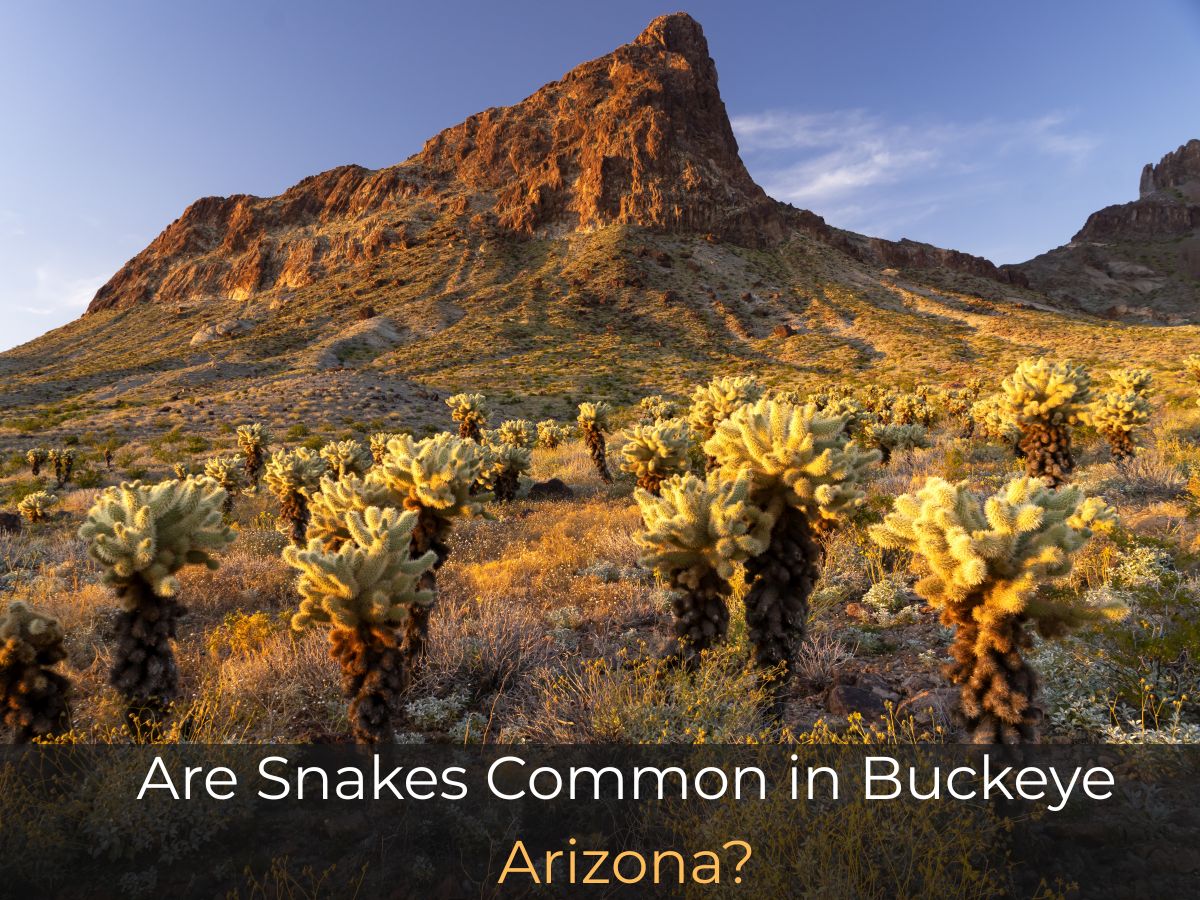
Are Snakes Common in Buckeye, Arizona? A Detailed Local Homeowner’s Safety Guide

Table of Contents

Where Snakes Are Most Often Seen in Buckeye, Which Species Are Common, and How to Keep Your Home and Yard Safe

If you’re asking are snakes common in Buckeye, Arizona, the short answer is yes—especially in neighborhoods near open desert land, mountain foothills, new construction communities, and large backyard landscapes. Buckeye has grown rapidly over the past few years, and many residential developments sit close to natural desert habitat. Because of this, it’s normal for homeowners to occasionally see snakes in backyards, along block walls, near garages, and on walking paths. Arizona’s warm climate and long snake season make sightings more likely from spring through fall, with nighttime activity increasing during the hotter summer months.

For many homeowners, seeing a snake near the house can be alarming. The good news is that most snake encounters are manageable, and not every snake seen in Buckeye is dangerous. Understanding where snakes are usually found, when they are most active, and how to reduce the chances of seeing them around your home can make a big difference.

In Buckeye, snake sightings usually increase during the warmer months, especially from spring through early fall. This follows the same pattern explained in our When Is Rattlesnake Season in Arizona article, where daytime and evening activity becomes more common.

Why Snakes Are Common in Buckeye, Arizona

Buckeye is one of the fastest-growing cities in Arizona, and much of that growth has taken place near former desert land and open spaces. Many neighborhoods are built close to natural washes, rocky terrain, and undeveloped lots.

This is one of the main reasons snakes are common in Buckeye.

The city’s location places it close to natural desert habitat where snakes have always lived. As new communities expand into these areas, the overlap between residential spaces and wildlife naturally increases.

Snakes are often seen near:

  • open desert edges
  • retention basins
  • canal paths
  • mountain foothill communities
  • undeveloped lots

Because Buckeye experiences long periods of warm weather, snakes remain active for much of the year.

This is especially true from:

  • March
  • April
  • May
  • June
  • July
  • August
  • September
  • October

Homeowners living near the White Tank Mountains or other desert-edge communities may notice more sightings than residents in more densely developed areas.

Many homeowners notice that snakes are more active after sunset during summer. If you want to understand why this happens, read our guide on What Time of Day Are Rattlesnakes Most Active in Arizona for more details.

What Types of Snakes Are Common in Buckeye

Not every snake seen in Buckeye is a rattlesnake.

In fact, several harmless species are also common.

The most commonly discussed venomous snake is the Western Diamondback rattlesnake.

This species is widely found across central and western Arizona and is commonly reported in desert-edge suburban communities.

Other snakes homeowners may encounter include:

  • gopher snakes
  • kingsnakes
  • coachwhip snakes
  • night snakes

Gopher snakes are frequently mistaken for rattlesnakes because of their pattern and defensive posture.

Kingsnakes are beneficial because they help control rodents and may even prey on other snakes.

Coachwhips are long and fast-moving, often seen crossing roads, trails, or backyards.

Because many harmless species resemble rattlesnakes at first glance, homeowners often become concerned even when the snake is not dangerous.

Are Snakes More Common in New Buckeye Communities

Yes, newer communities often report more snake sightings.

This happens because many developments in Buckeye have been built on land that was previously open desert or agricultural property.

Even after construction, nearby wildlife routes often remain active.

For example, communities located near:

  • open lots
  • desert washes
  • mountain views
  • retention basins
  • canal corridors

may see more snake movement.

Snakes are not “moving into the neighborhood.”

The neighborhood has expanded into the snake’s natural habitat.

This is a very important distinction for homeowners.

Do Snakes Come Into Backyards in Buckeye

Yes, backyard sightings are among the most common snake encounters in Buckeye.

Many suburban yards provide ideal conditions.

Common backyard attraction points include:

  • decorative rock landscaping
  • shaded bushes
  • pool equipment
  • AC units
  • block wall corners
  • rodent activity

Snakes are often attracted to areas where prey animals such as mice, rats, and lizards are active.

A shaded backyard corner near bushes or a pool pump can become an attractive temporary shelter.

This is why homeowners often first notice snakes while:

  • watering plants
  • cleaning the patio
  • letting dogs outside
  • checking pool equipment

Snakes are often seen near pool equipment, rock beds, and shaded corners in Buckeye backyards. Our article Do Snakes Live Near Swimming Pools in Arizona explains why these areas attract snake activity.

Are Snakes Common Near the White Tank Mountains

Homes located closer to the White Tank Mountains and surrounding foothill areas may experience more frequent sightings.

Mountain-edge communities often connect directly to desert terrain.

This gives snakes easy access to residential areas.

Residents near hiking trails, open washes, and rocky slopes should be especially aware during spring and summer.

Snakes often use trail edges and walls as movement routes.

When Are Snakes Most Active in Buckeye

Snake activity in Buckeye usually peaks from spring through early fall.

Spring months often bring daytime sightings.

By summer, snakes shift more toward nighttime activity because daytime temperatures become extremely high.

This means homeowners are more likely to see snakes during:

  • evening dog walks
  • late-night yard checks
  • early morning patio use
  • poolside activity after sunset

Concrete, walls, and rock landscaping retain heat, making nighttime movement more common.

If you have dogs or other pets, it’s important to stay alert during evening yard visits. We also cover this in Are Rattlesnakes Dangerous for Dogs in Arizona, where we explain common risks and safety steps.

Why Snakes Are Often Seen Near Block Walls

Many Buckeye homes use block wall fencing.

These walls create ideal travel routes.

Snakes often move along the base of walls because they provide:

  • direction
  • shade
  • cover
  • retained warmth

Corners where walls meet are especially common places for sightings.

This is often where homeowners first notice a snake.

Do Snakes Hide Near Pool Equipment in Buckeye Homes

Yes, this is common enough to be worth mentioning.

Pool equipment areas provide:

  • shade
  • cool concrete
  • pipes
  • corners
  • shelter

Snakes may rest behind:

  • pumps
  • filters
  • heaters
  • utility boxes

Homeowners should check carefully before maintenance.

How to Keep Snakes Away From Your Buckeye Home

The best approach is prevention.

Trim Bushes and Plants

Reduce shaded hiding spaces.

Seal Garage and Door Gaps

Prevent possible indoor entry.

Reduce Rodent Activity

Remove food sources and spills.

Check Pool and AC Equipment

Common hiding areas.

Keep Yard Clutter-Free

Remove stacked wood, pots, and debris.

Inspect Block Wall Corners

Very common sighting areas.

To reduce snake sightings around your Buckeye home, keeping the yard clean and removing clutter can help. You can find more prevention tips in How to Keep Snakes Away Arizona.

Are Snakes Dangerous for Dogs in Buckeye

Dogs are often at greater risk because they may approach or disturb a snake.

Backyard potty areas should be checked, especially at night.

Keeping pets on a leash during evening walks is strongly recommended.

What to Do If You See a Snake in Buckeye

Stay calm.

Do not approach or attempt to move it.

Keep children and pets away.

Allow it space to leave.

If it remains near the home, contact local wildlife relocation professionals.

Are Snakes Common in Buckeye Arizona Backyards?

Yes, snakes are fairly common in Buckeye backyards, especially in homes with rock landscaping, block walls, and shaded corners. Many snakes move along the base of backyard walls because these areas provide cover and cooler surfaces, particularly during warm evenings. Homeowners often notice them near pool equipment, AC units, or shrubs where lizards and rodents are active. Yards closer to open desert land or newer communities may see sightings more often.

Some homeowners in Buckeye also report seeing snakes near garages and side yard entrances. For more on this, read Snake in Garage in Arizona to learn common hiding spots.

Why Snake Sightings Are Increasing in Buckeye’s Growing Neighborhoods

One of the biggest reasons more homeowners ask whether snakes are common in Buckeye is the city’s rapid growth. Buckeye has become one of the fastest-growing communities in Arizona, with new subdivisions, master-planned neighborhoods, and homes being built closer to desert land than ever before.

When land that was once open desert or undeveloped terrain is turned into residential communities, the local wildlife does not immediately disappear. Snakes, lizards, rabbits, rodents, and other desert animals continue to use the nearby open spaces, washes, and rocky areas that remain around the development.

For homeowners, this means that snake sightings can feel more common in newer communities, especially during the first few years after construction.

A family moving into a brand-new home may assume the area is fully suburban, but the surrounding environment may still function like natural habitat.

This is especially true in areas with:

  • open lots behind homes
  • undeveloped side land
  • drainage channels
  • retention basins
  • desert landscaping at community entrances

In many cases, snakes are simply traveling through areas they have used for years.

Snake activity in Buckeye usually increases from spring through early fall. According to the Arizona Game & Fish Department, rattlesnakes in Arizona are most active from March through October, with more nighttime movement during hotter months.

Are Snakes Common in Buckeye Backyards With Desert Landscaping

Many Buckeye homes feature classic Arizona-style landscaping.

This usually includes:

  • decorative gravel
  • rock beds
  • cactus plants
  • desert shrubs
  • stone borders

While this style is attractive and low maintenance, it can also provide ideal conditions for snake movement and temporary shelter.

Rocks hold heat well after sunset, which makes them especially attractive during cooler evenings.

Bushes and desert plants create shade during the day, giving snakes a place to rest.

A snake moving along a backyard wall may naturally stop near a rock bed because it offers warmth, cover, and protection.

This does not mean every desert yard will attract snakes.

However, compared to an open grass lawn, rock landscaping creates more small spaces where a snake can remain unseen.

Homeowners should pay close attention to:

  • stone borders near patios
  • shrub bases
  • rock piles
  • decorative boulder corners

These are very common sighting locations.

Buckeye homeowners can also follow the city’s official Rattlesnake Safety guidance, which recommends reducing rodents, checking yards carefully, and using a flashlight during evening walks.

Why Snakes Are Often Seen Near Pool Equipment and Outdoor Utility Areas

In many Buckeye homes, pool equipment areas are one of the most common places for snake sightings.

This happens because these spaces often provide exactly what snakes look for:

  • shade
  • cool concrete
  • low disturbance
  • corners and edges
  • rodent or lizard activity

Behind a pool pump or filter system, there are often small sheltered gaps that stay cooler during the day.

At night, the concrete slab may still hold warmth, which makes the area attractive.

The same applies to outdoor AC units and utility boxes.

Many homeowners first notice a snake while checking the pool system or cleaning the area around the air conditioner.

For safety, always inspect these spaces visually before reaching behind equipment.

Are Snakes More Common Near Buckeye’s Desert Trails and Mountain Areas

Homes closer to natural desert trails and foothill communities often report more sightings.

Buckeye’s location near the White Tank Mountains and surrounding desert preserves means many neighborhoods are naturally close to snake habitat.

Residents who live near:

  • trail access points
  • mountain-view communities
  • desert-edge subdivisions
  • open rocky terrain

may see more snake movement than people living deeper inside the city.

This is especially true after warm evenings or early in the morning.

Snakes frequently use:

  • trail edges
  • retaining walls
  • rocky slopes
  • drainage paths

as movement routes.

This is why sightings may happen not only in yards but also during neighborhood walks.

Why Snakes Are More Active During Summer Nights in Buckeye

This is one of the most important things to explain.

During Buckeye summers, daytime temperatures can become extremely high.

Because of this, snakes often avoid moving during the hottest part of the day.

Instead, they become much more active after sunset.

This is why homeowners commonly see snakes during:

  • evening dog walks
  • taking out trash
  • checking the backyard at night
  • using the pool after dark

Walls, rocks, and concrete surfaces retain heat long after sunset.

Snakes may use these warm surfaces as travel routes.

This is especially common from June through September.

A homeowner who rarely sees snakes during the day may still encounter them regularly at night.

Why Rodents Around the Home Increase Snake Sightings

Snakes often follow food sources.

One of the biggest reasons they stay near residential areas is the presence of prey animals.

This includes:

  • mice
  • rats
  • lizards
  • frogs
  • small birds

For example, spilled bird seed, uncovered pet food, or overflowing trash bins can attract rodents.

Once mice begin using the yard, snakes may follow.

This means the real issue is often not the snake itself, but what is attracting prey animals.

Homeowners who reduce rodent activity often notice fewer snake sightings over time.

Are Snakes Dangerous for Children and Pets in Buckeye

Families naturally worry about safety.

Children and pets are more likely to accidentally approach a snake.

Dogs are especially at risk because they tend to investigate corners, bushes, and walls.

Cats may also encounter snakes near patios or garage spaces.

The best prevention step is a quick yard check before letting pets outside at night.

Common places to inspect include:

  • wall corners
  • bushes
  • pool equipment
  • garage entrance
  • patio furniture

What Buckeye Homeowners Should Check Before Opening the Garage in the Morning

Many sightings happen early in the morning.

A snake may move into the garage threshold area overnight because it is cooler and sheltered.

Before opening the garage or stepping out early in the day, it’s a good idea to quickly check:

  • the bottom corners
  • side seals
  • nearby storage items
  • shoes or boxes near the entrance

Final Thoughts

So, are snakes common in Buckeye, Arizona?

Yes, especially in communities near open desert land, mountain edges, and landscaped suburban neighborhoods.

With awareness and simple prevention steps, homeowners can greatly reduce the chances of unwanted encounters.

FAQ

Are rattlesnakes common in Buckeye Arizona

Yes, especially near desert-edge neighborhoods.

Do snakes come into backyards in Buckeye

Yes, this is one of the most common sightings.

Are snakes active at night in Buckeye

Very much so during summer.

Do snakes hide near pools

Yes, especially near equipment and shaded corners.

What months are snakes most active

Usually March through October

ravi rathore authore box pic
Website |  + posts

Ravi Rathore is a field snake researcher and Arizona wildlife enthusiast who studies snake behavior, identification, and desert ecosystems. He focuses on helping hikers, homeowners, and outdoor explorers understand the difference between venomous and non-venomous snakes in Arizona. Through detailed guides and safety resources, he shares practical knowledge to help people stay safe while respecting native wildlife.

Leave a Comment