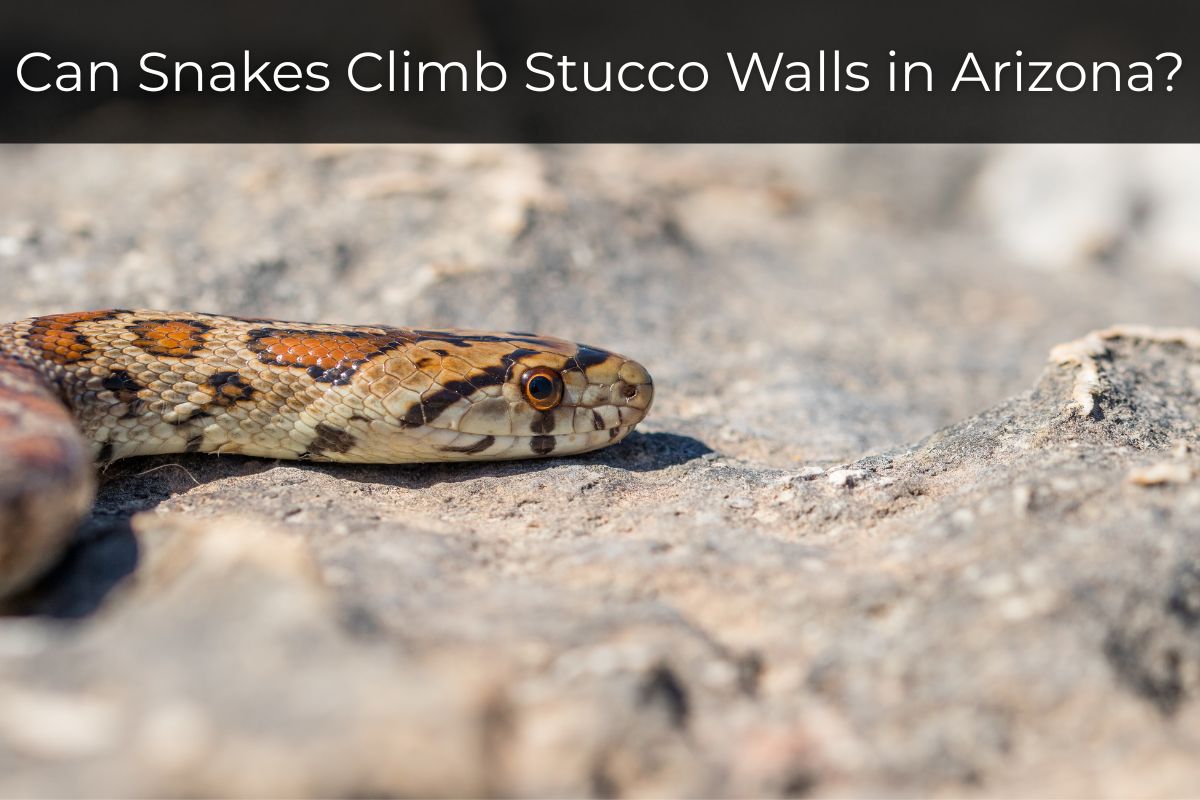
Can Snakes Climb Stucco Walls in Arizona? What Homeowners Should Know
If you’ve ever spotted a snake moving along the outside of your house, you may have wondered, can snakes climb stucco walls in Arizona? The answer is yes, but it depends on the snake species, the texture of the wall, and the surrounding environment. While not every snake is a skilled climber, some Arizona snakes can climb rough stucco surfaces if they have enough traction or nearby objects to assist them.
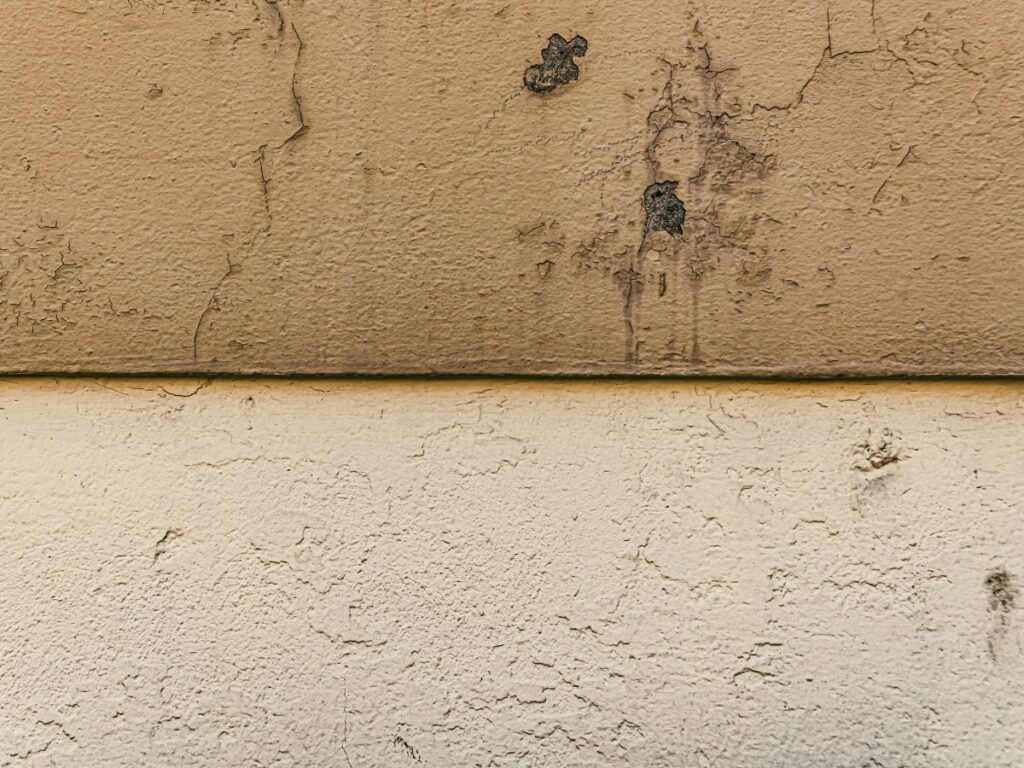
Stucco is one of the most common exterior finishes on Arizona homes because it holds up well in the desert climate. Its rough texture offers more grip than smooth brick, glass, or painted metal. Even so, most snakes don’t climb walls simply because they can. They usually climb only when searching for food, escaping danger, or reaching a sheltered resting place.
If you see a snake climbing a wall or moving through your yard, our Arizona Snake Identification Guide can help you identify the species and determine whether it’s venomous.
Can Snakes Really Climb Stucco Walls?
Yes, some snakes can.
Unlike animals with claws or sticky feet, snakes rely on their muscles and body scales to grip uneven surfaces. Rough stucco provides tiny bumps and grooves that make climbing easier for certain species.
A smooth, freshly painted wall is much more difficult to climb than older stucco with a rough finish.
Most snakes still spend nearly all of their time on the ground. Climbing walls requires more energy, so they usually do it only when there’s a good reason.
Learn how to identify Arizona’s venomous snakes and understand the safest response if you encounter one around your home.
Which Arizona Snakes Are Better Climbers?
Not every snake climbs equally well.
Some species naturally spend more time in trees, shrubs, or rocky areas than others.
Gopher Snakes
Gopher snakes are excellent climbers.
They often climb shrubs, low tree branches, rock formations, fences, and occasionally rough exterior walls while searching for rodents or bird nests.
Homeowners sometimes mistake them for rattlesnakes because of their similar coloring.
Kingsnakes
Kingsnakes are another capable climbing species.
They frequently travel through rocky landscapes and dense vegetation where climbing is part of their normal behavior.
Although they’re powerful hunters, kingsnakes are non-venomous and help control rodents and even other snakes.
Coachwhips
Coachwhips are among Arizona’s fastest snakes.
They’re active during the day and may climb shrubs, small trees, and other structures while hunting lizards, birds, or rodents.
Their long, slender bodies make climbing easier than it is for heavier species.
Rattlesnakes
Most rattlesnakes are not known for climbing vertical walls.
They occasionally climb low rocks, fallen logs, or short embankments, but they’re much less likely to climb a tall stucco wall than lighter-bodied snake species.
If a rattlesnake appears elevated, it’s often using nearby landscaping, stacked materials, or another object rather than climbing a bare wall.
Non-Venomous Snakes in Arizona, Many climbing snakes found in residential areas are harmless and provide natural rodent control.
Why Would a Snake Climb a Stucco Wall?
Snakes don’t climb walls out of curiosity.
Usually, they’re responding to something in the environment.
Looking for Food
Bird nests beneath roof eaves, nesting doves, small rodents, and lizards can all attract climbing snakes.
If prey animals regularly visit your home, a snake may investigate the area while hunting.
Escaping Predators
Coyotes, hawks, roadrunners, and domestic pets all prey on snakes.
Climbing a wall or nearby structure may help a snake escape immediate danger.
Reaching Shade
Arizona summers create intense ground temperatures.
A shaded wall, climbing vine, or nearby tree branch can provide a cooler route than crossing exposed gravel during the hottest part of the day.
Following Existing Pathways
Many snakes don’t climb a wall from the ground all the way to the roof.
Instead, they use objects already touching the wall.
Tree branches, stacked firewood, trellises, decorative rock piles, fences, and utility equipment often provide easier access than the wall itself.
Learn how exterior vents can become possible wildlife entry points and how regular maintenance helps protect your home.
Does Stucco Texture Make a Difference?
Absolutely.
The rougher the surface, the more grip a climbing snake can find.
Older stucco finishes with noticeable texture provide better traction than smooth synthetic finishes.
Freshly painted walls may also become slightly more difficult for snakes to climb because some of the surface texture is reduced.
Even on rough stucco, climbing isn’t easy.
The wall must offer enough tiny irregularities for the snake’s body to push against as it moves upward.
Why Do Snakes Hide Under Concrete Slabs in Arizona? Concrete patios and foundations often provide cool shelter. Discover why snakes use these areas and how to reduce hiding places.
Can Snakes Reach Roofs or Balconies?
In some situations, yes.
However, most snakes don’t climb directly onto a roof using only the wall.
They’re more likely to reach elevated areas by combining several climbing surfaces.
For example, a snake might move from landscaping onto a retaining wall, then to a fence, tree branch, or decorative feature before reaching part of the home.
This is much easier than climbing a long, uninterrupted vertical wall.
Homes with overgrown vegetation touching the roof provide significantly easier access than homes with trimmed landscaping.
Snakes in Phoenix Arizona, Phoenix homeowners often have stucco homes with desert landscaping. Learn which snake species are commonly seen around residential neighborhoods.
Homes Where Wall Climbing Is More Likely
Although climbing snakes are uncommon in many neighborhoods, certain properties naturally increase the chances.
Homes Near Desert Washes
Properties bordering natural desert habitat often experience more wildlife activity.
Snakes moving through these areas occasionally investigate nearby homes while searching for food or shelter.
Mature Landscaping
Large shrubs, climbing vines, and trees planted close to exterior walls provide natural pathways for wildlife.
Keeping branches trimmed away from the home reduces these access routes.
Older Neighborhoods
Established neighborhoods often contain mature trees, decorative rock landscaping, irrigation systems, and abundant bird activity.
These conditions support more wildlife than newly developed areas with sparse landscaping.
Snakes in Scottsdale Arizona, Scottsdale’s mature landscaping and golf course communities can attract native wildlife. Explore local snake safety tips.
Signs a Snake May Be Climbing Around Your Home
Most homeowners never actually witness a snake climbing.
Instead, they notice clues suggesting wildlife has been nearby.
You may occasionally see a snake resting on a low wall, disappearing into dense shrubs near the house, or moving along a fence connected to the property.
Bird nests disturbed beneath roof overhangs or repeated sightings of the same snake near exterior walls can also indicate that wildlife is using the surrounding landscape.
These observations don’t necessarily mean snakes are entering the home. In most cases, they’re simply passing through while following food sources or moving between sheltered areas.
How to Reduce the Chances of Snakes Climbing Around Your Home
While you can’t completely prevent wildlife from entering your property, you can make your home’s exterior much less attractive to climbing snakes.
Most prevention focuses on removing easy access routes and reducing food sources.
Trim Trees and Shrubs
One of the easiest improvements is keeping branches away from your home’s exterior.
Trees, shrubs, and climbing vines that touch stucco walls create natural bridges for snakes, rodents, and other wildlife. Trimming them back by several feet reduces these access points.
Remove Rodent Food Sources
Rodents are one of the biggest reasons snakes visit residential properties.
Store bird seed and pet food in sealed containers, clean up fallen fruit, and avoid leaving pet food outside overnight. When rodents become less common, snakes are less likely to spend time around your home.
Keep Decorative Rock Areas Clean
Decorative gravel and rock landscaping are popular throughout Arizona, but they can also provide hiding places for lizards and rodents.
Remove unnecessary debris, stacked materials, and dense ground cover around rock beds to make them less attractive to wildlife.
Inspect Exterior Walls
Walk around your home every few months and look for anything touching the stucco.
Trellises, stored ladders, stacked lumber, and unused equipment placed against the wall can create easier climbing routes.
Seal Exterior Openings
Although this article focuses on climbing, it’s also important to inspect your home for gaps around vents, utility lines, and doors.
A snake that reaches the wall still needs an opening to enter the house. Properly sealed entry points greatly reduce that possibility.
Common Myths About Climbing Snakes
Homeowners often hear exaggerated stories about snakes climbing walls.
Here are a few of the most common myths.
Myth: Every Snake Can Climb Stucco
False.
Only certain species are skilled climbers. Many snakes found in Arizona spend almost their entire lives on the ground.
Myth: Snakes Climb Walls to Attack People
False.
Snakes climb because they’re searching for food, escaping predators, or looking for shelter.
They don’t climb homes to chase or attack people.
Myth: If You See One Climbing, It Lives in Your Walls
Not necessarily.
Most climbing snakes are simply passing through.
A brief sighting doesn’t mean the snake has entered the house or established a permanent hiding place.
Snakes in Tucson Arizona, Southern Arizona supports a wide variety of native snakes. Learn which species are commonly found around Tucson homes.
What Should You Do If You See a Snake on a Stucco Wall? Can Snakes Climb Stucco Walls in Arizona
Stay calm and keep your distance.
Most snakes will move away once they no longer feel threatened.
Keep children and pets indoors while the snake leaves the area naturally.
Never try to knock the snake off the wall with a broom or spray it with a garden hose. These actions may cause the snake to become defensive.
If the snake is in a location where people could be at risk, such as near a doorway or second-story balcony, contact a qualified wildlife removal professional.
The Arizona Game and Fish Department recommends giving native snakes plenty of space and allowing them to leave on their own whenever possible.
If someone is bitten by a venomous snake, seek emergency medical care immediately. The Centers for Disease Control and Prevention (CDC) advises keeping the person calm, limiting movement, and avoiding home remedies such as cutting the wound or trying to remove the venom.
Final Thoughts
If you’ve been asking can snakes climb stucco walls in Arizona, the answer is yes—but only some species have the ability, and even skilled climbers rarely scale walls without a reason. Rough stucco provides traction, but food sources, nearby vegetation, and easy access routes are usually what motivate a snake to climb.
Keeping trees trimmed, reducing rodent activity, removing clutter, and maintaining your landscaping are simple steps that make your property less inviting. Most snakes prefer staying on the ground and will avoid people whenever they have the opportunity.
Frequently Asked Questions
Can rattlesnakes climb stucco walls?
Most rattlesnakes are poor wall climbers. They may climb rocks, short ledges, or sloped surfaces, but they are much less likely to climb a vertical stucco wall than slimmer snake species.
What snakes are best at climbing in Arizona?
Gopher snakes, kingsnakes, and coachwhips are among the better climbers found in Arizona. They can climb trees, shrubs, fences, and some rough surfaces.
Can snakes climb onto my roof?
It’s possible, but they usually use nearby trees, fences, retaining walls, or other structures instead of climbing a tall wall directly.
Does smooth stucco stop snakes?
Smooth stucco is more difficult to climb than heavily textured stucco, but nearby landscaping or objects can still provide access to higher areas.
Should I remove vines growing on my house?
Yes. Climbing vines create excellent pathways for snakes, rodents, and other wildlife. Keeping them trimmed away from exterior walls is a good preventive measure.
Are climbing snakes common in Arizona neighborhoods?
They’re not common, but they do occur, especially in neighborhoods near desert habitat or homes with mature landscaping and abundant prey.

Ravi Rathore is a field snake researcher and Arizona wildlife enthusiast who studies snake behavior, identification, and desert ecosystems. He focuses on helping hikers, homeowners, and outdoor explorers understand the difference between venomous and non-venomous snakes in Arizona. Through detailed guides and safety resources, he shares practical knowledge to help people stay safe while respecting native wildlife.